Peruvian Amazon
Two gateways, Puerto Maldonado and Iquitos, to explore 60% of Peru's territory covered in rainforest, among macaw clay licks, riverside lodges and Shipibo communities.
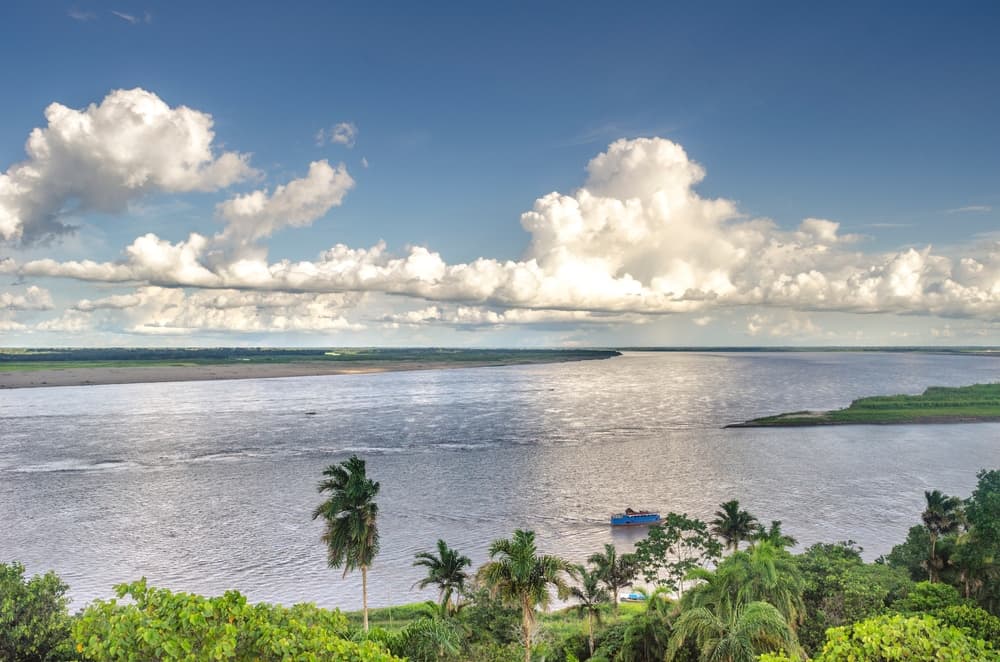
The Peruvian Amazon covers nearly 60% of the nation's territory, yet concentrates only a fraction of its population. From our agency in Lima, we work with two distinct gateways: Puerto Maldonado to the south, in the Madre de Dios region, and Iquitos to the north, capital of the Loreto department. Both converge on the same tropical rainforest biome, though the experiences offered, vegetation and logistics vary considerably.
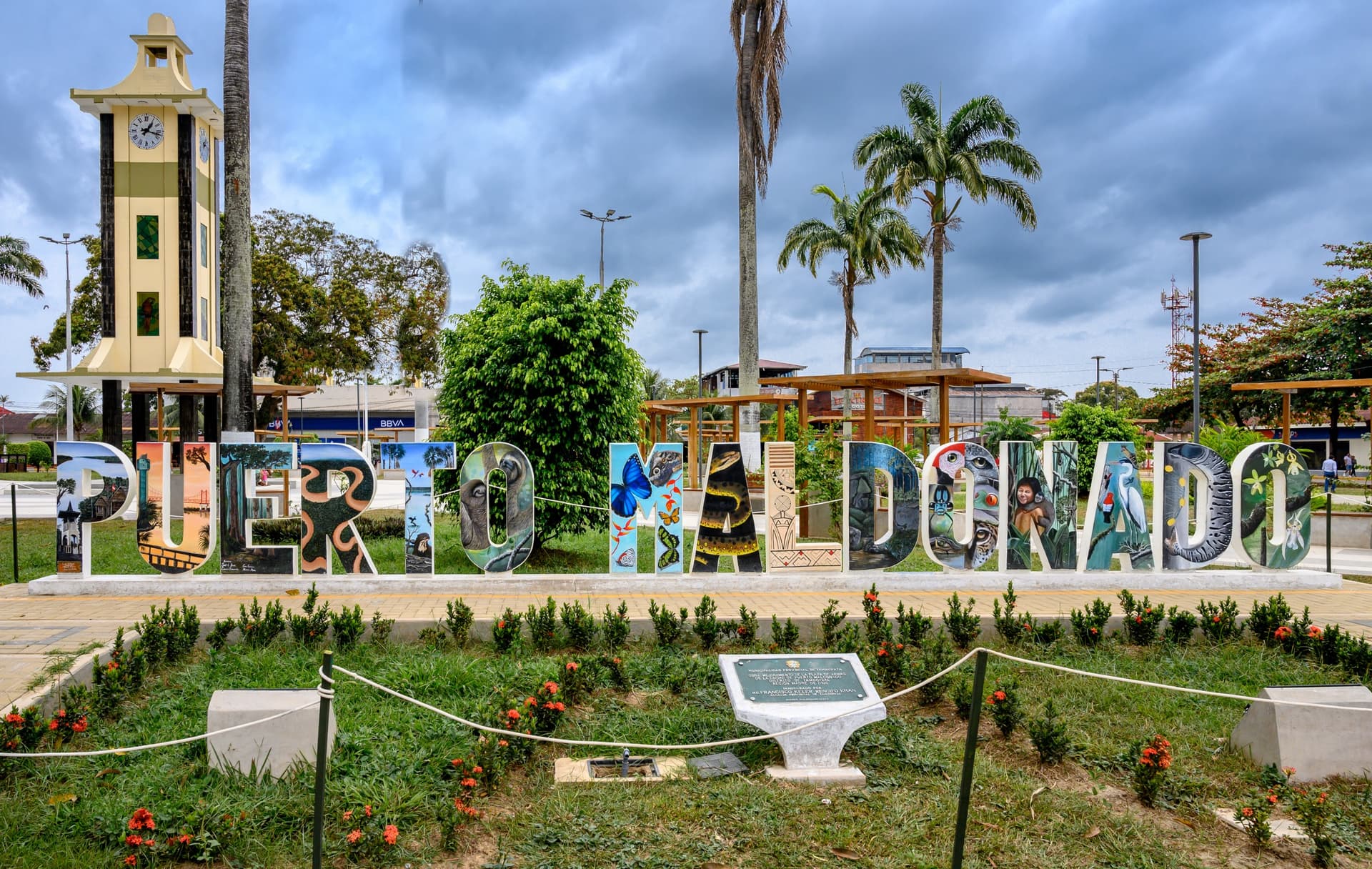
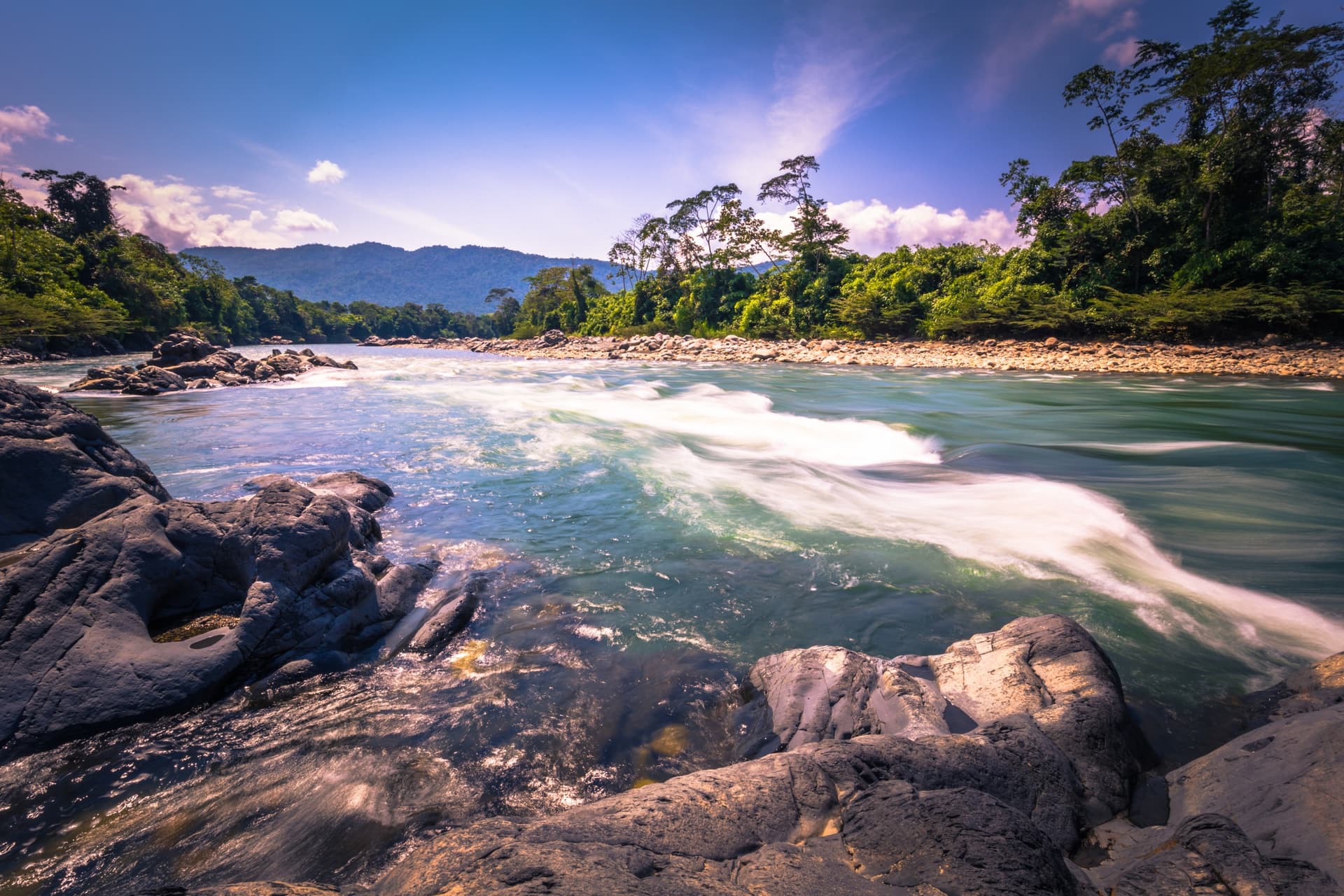
Puerto Maldonado is 55 minutes by air from Cusco, making it the natural extension of an Andean circuit. The town provides access to two major protected areas: the Tambopata National Reserve, managed since 1990, and the more remote Bahuaja-Sonene National Park. Lodges are reached by motorized canoe along the Tambopata or Madre de Dios rivers, with journeys ranging from 45 minutes to 4 hours depending on how deep into the forest you venture. The forest here is known as "terra firme," featuring towering emergent trees like shihuahuaco and large horseshoe-shaped lakes called cochas, home to giant otters and black caimans.
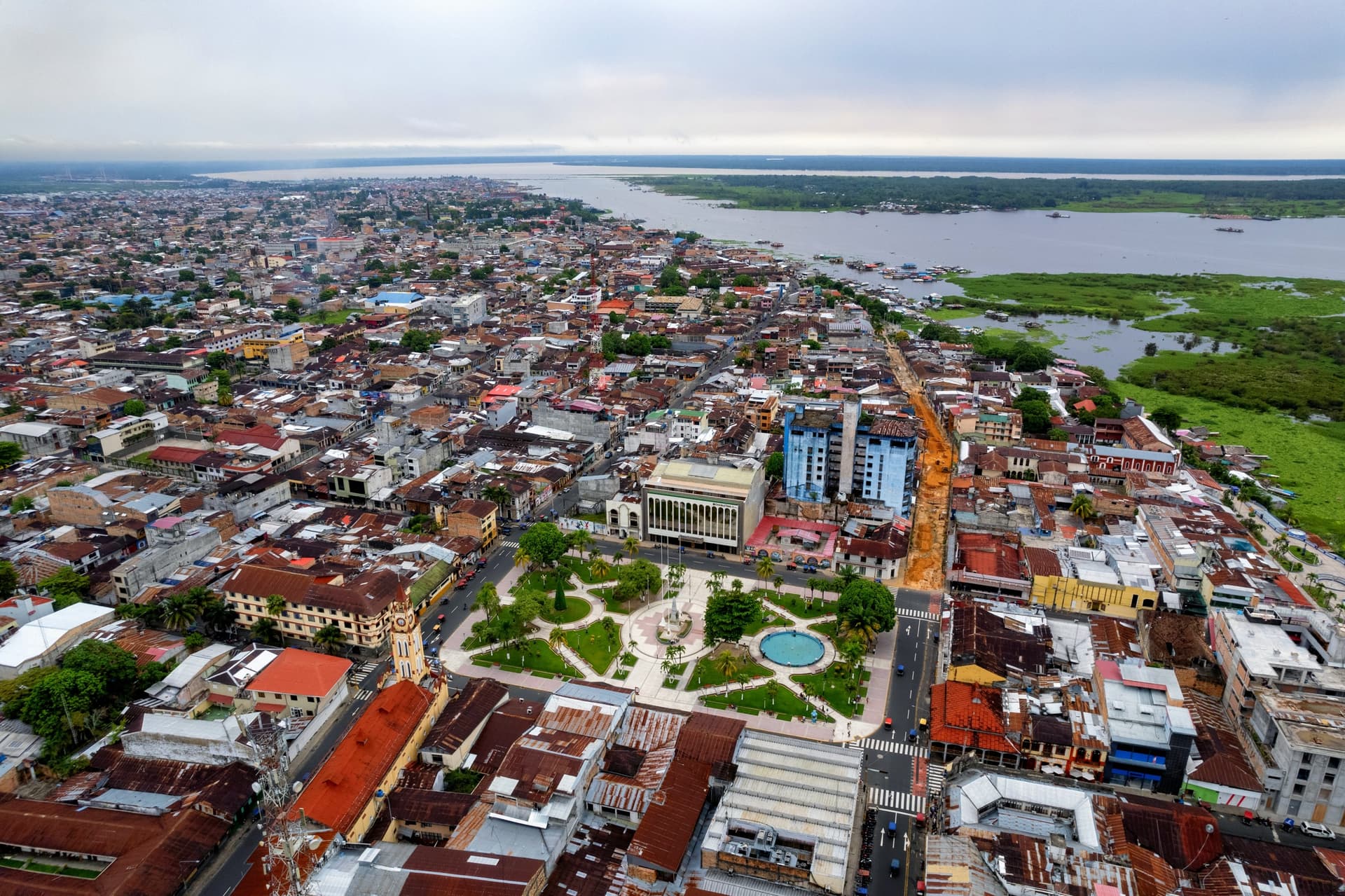
Iquitos to the north is a city of 400,000 inhabitants accessible only by air (1h45 from Lima) or cargo boat from Yurimaguas, a 3-day river journey. The city reached its peak during the rubber boom between 1880 and 1914, a legacy visible in the Portuguese tile facades of the Plaza de Armas and the iron house designed in Eiffel's workshop. The floating neighborhood of Belén, with its market selling forest products—aguaje fruits, paiche fish, roasted suri grubs—remains one of the best vantage points for observing riverside life. Expeditions to the Pacaya-Samiria Reserve, the country's second-largest protected area (2.1 million hectares), depart from Iquitos, dominated by flooded or "várzea" forest.
The Amazon region's population blends mestizo river dwellers, known as ribereños, with dozens of indigenous peoples: Shipibo-Conibo along the Ucayali, Yagua and Bora around Iquitos, Ese'eja near Tambopata, and Ashaninka in the Andean foothills. We partner with a few communities that have developed established hospitality offerings, notably the Ese'eja of Infierno, co-owners since 1996 of Posada Amazonas lodge. This type of partnership funds territorial surveillance against illegal gold mining, which has plagued southern Madre de Dios for two decades.
On the culinary side, local dishes are found nowhere else in Peru: juane (turmeric rice and chicken wrapped in bijao leaf), tacacho con cecina (mashed plantain with smoked pork), grilled paiche, and juices of aguaje and camu camu. Tarapoto rum and masato, a fermented cassava beer, complete the repertoire.
We always emphasize one point to our travelers: the Amazon is not an African safari. Animals are present in great abundance, but dense vegetation limits visibility. The reward comes from patience and the naturalist guide's expertise. A successful stay blends dawn forest walks, sunset canoe outings for caimans, macaw observation at the clay licks, and depending on the program, nights in observation posts or visits to research projects.
Must-See Highlights
Macaw clay lick at Tambopata. At dawn, hundreds of red-and-green and blue-and-yellow macaws gather on a clay riverbank cliff to ingest mineral salts. Observation from a blind 30 meters away, around 5:30 a.m.
Navigation through Pacaya-Samiria at high water. Between January and May, flooded forest can be navigated by silent canoe up to the treetops. This is prime season for sloths, pink river dolphins and sakis.
Floating market of Belén in Iquitos. A neighborhood built on rafts that rise and fall 6 meters with the seasons. Palm hearts, suri larvae, medicinal plants and Amazonian fish are sold in a circulation of boats.
Sandoval Lake at sunset. A horseshoe-shaped cocha 1h30 by canoe then 45 minutes on foot from Puerto Maldonado. A resident family of giant otters, hoatzins and black caimans visible through binoculars.
Visit a Shipibo-Conibo community. On the Ucayali's banks near Pucallpa, women paint ceramics with kené patterns inherited from ancient cosmology. A 2 to 3-hour exchange with demonstrations of plant-based dyeing.
When to Go
The Peruvian Amazon experiences two distinct seasons rather than a true dry season. The least humid period runs from May to October, with daytime temperatures of 26 to 32°C and cool nights in June-July, when southern cold fronts called "friajes" can drop temperatures to 17-19°C for 2 to 4 days. Trails are passable, low water levels make riverbank observation easier, and macaw clay licks are active. This is our recommended period for travelers who prioritize walking.
From December to April, the rainy season raises river levels by 5 to 10 meters. Showers typically fall in late afternoon, brief but intense (100 to 300 mm monthly). At Pacaya-Samiria, this is prime season for navigation: canoes can enter areas inaccessible the rest of the year. At Tambopata, trails become muddy but the forest is more active with insects, amphibians and flowers. We avoid scheduling long walks between February and March.
Practical Advice
We recommend a minimum of 3 nights at a lodge, ideally 4 for those targeting the shyest species (jaguar, tapir, giant otter). Below 3 nights, most time goes to river transit to and from the lodge. For Tambopata, allow Cusco-Puerto Maldonado by air (55 min) then 1 to 4 hours by boat depending on lodge location. For Iquitos and Pacaya-Samiria, plan for a Lima-Iquitos flight (1h45) then 4 to 12 hours of navigation, depending on whether you target the tourist zone or the reserve's interior.
The Amazon combines naturally with Cusco and the Sacred Valley via Puerto Maldonado, often serving as the relaxing final stage after altitude on an Andean circuit. With Iquitos, you're looking at a separate interlude, to insert at the start or end of a Lima-based itinerary. Lodge comfort ranges from rustic rooms with mosquito nets and 4 hours daily electricity to high-end ecolodges with pools and canopy observatories. The region suits contemplative travelers, families with children from 7-8 years old, and birding enthusiasts. It's less suited for those seeking pace: forest days demand silence, slowness and acceptance of humidity.