South Coast and Nazca
Between the Pacific and desert, the south coast unfolds over 450 km linking the sea lions of Ballestas, the dunes of Huacachina, and the geoglyphs of Nazca in three full days.
Peru's south coast begins at Cañete, 150 km south of Lima, and descends nearly 450 km through coastal desert wedged between the Pacific and the Andean foothills. Our team regularly traverses it by vehicle along the Panamericana Sur, the highway connecting the main stages in a day's drive: Paracas, Ica, Huacachina, Nazca. This desert ribbon thrives under the influence of the cold Humboldt Current, which maintains moderate temperatures year-round and sustains dense marine fauna despite the arid shoreline.
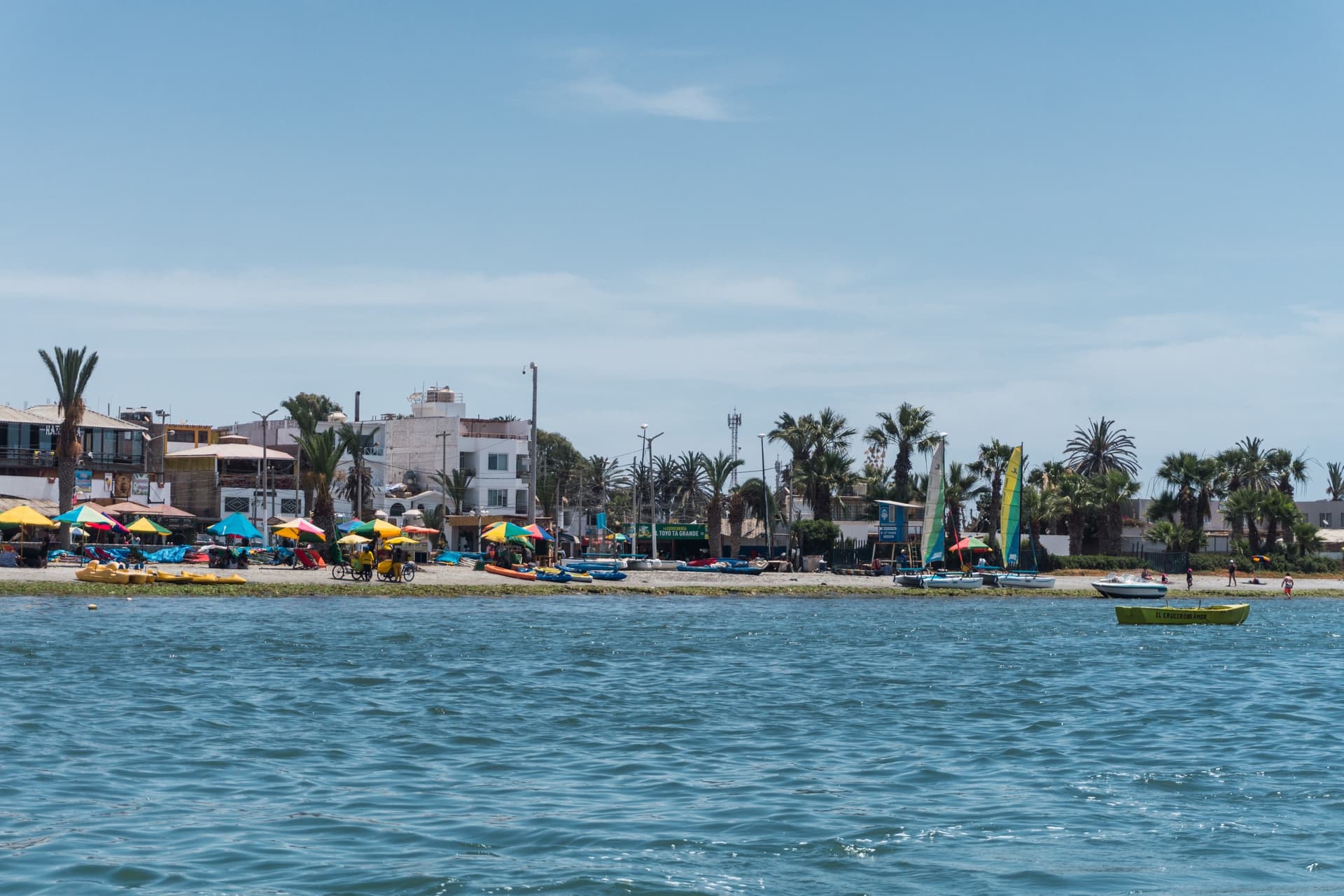
Paracas, 260 km from Lima, opens the region. The fishing village rests on the eponymous peninsula, designated a National Reserve in 1975, where ochre cliffs and empty beaches welcome flamingos, sea lions with manes, and various boobies. From the El Chaco port, boats reach the Ballestas Islands in 30 minutes—three rocky islets where colonies of Humboldt penguins and guanay cormorants nest. The region also preserves memory of the Paracas culture (800 BC to 100 AD), whose funeral textiles, displayed at the Julio C. Tello Museum, rank among the finest of pre-Columbian America.
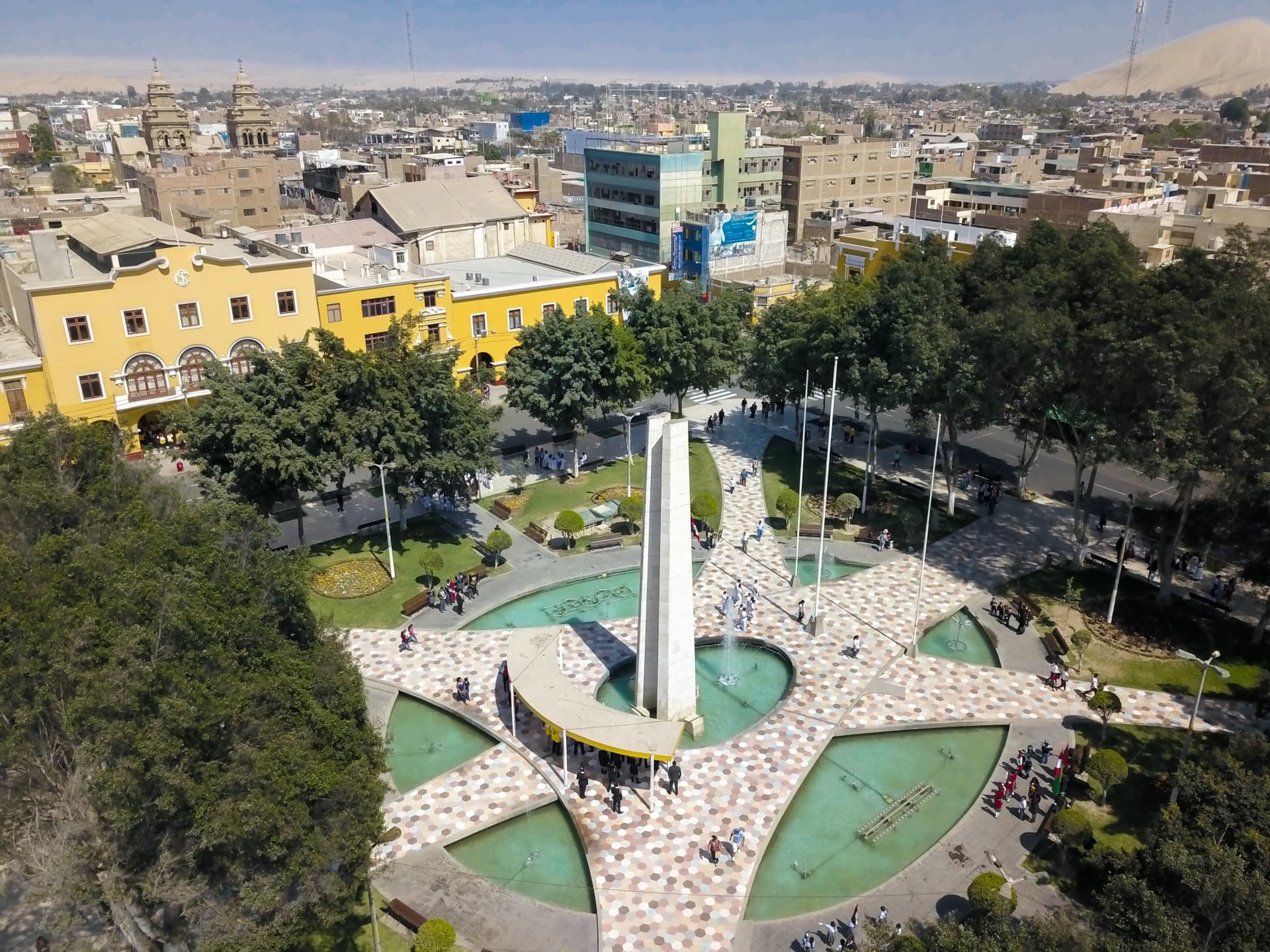
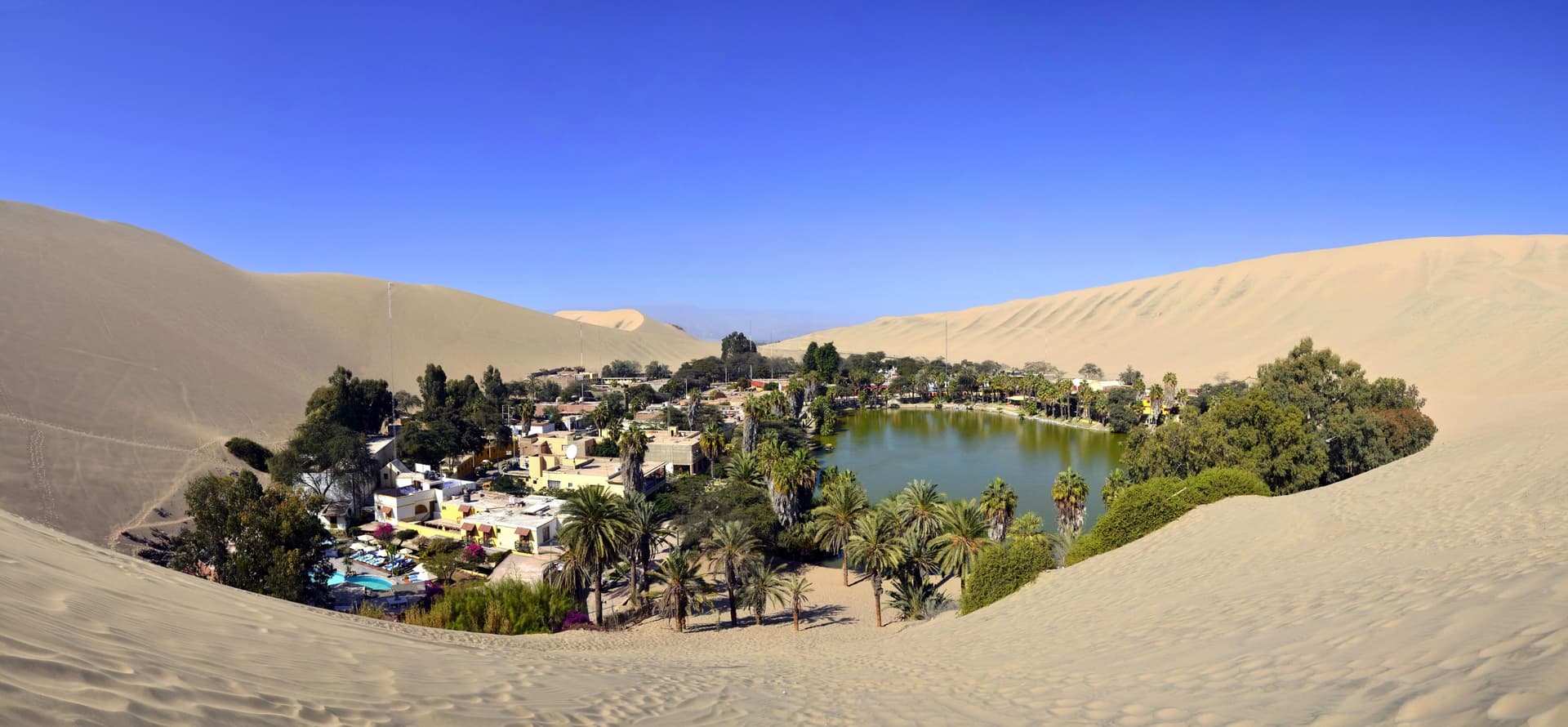
Seventy-five kilometers south, the Ica valley breaks from the desert. Irrigated by the Ica river, it yields grapes, asparagus, and cotton, and hosts the country's premier pisco bodegas. The estates of Tacama, Vista Alegre, and El Catador welcome visitors and explain the distillation of pisco quebranta, a grape spirit produced since the 16th century. A few kilometers from town, the Huacachina oasis—a circular palm grove around a natural lagoon—is surrounded by dunes 80 to 100 meters high. Sunset buggy excursions, followed by sandboard descents, remain the signature activity of this short but memorable stop.
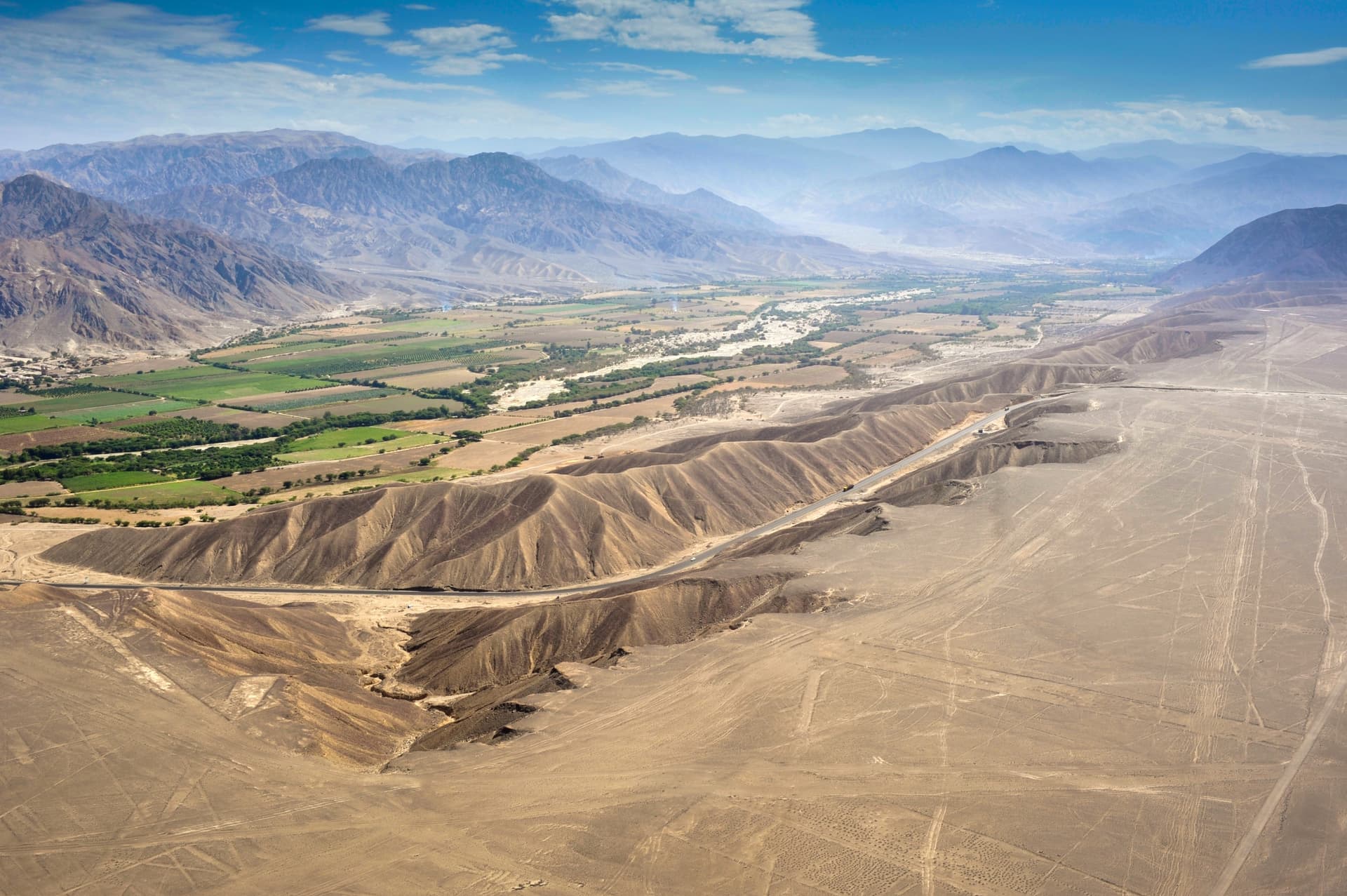
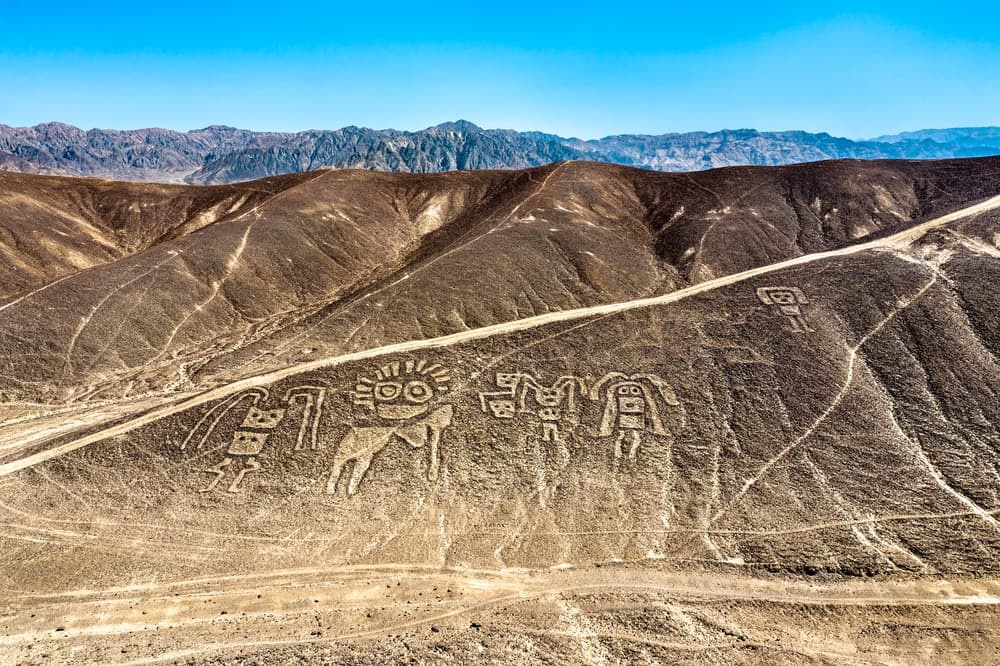
Nazca, another 140 km further south, owes its fame to geoglyphs traced between 500 BC and 500 AD by the Nazca culture across the Jumana pampa. Over 800 figures—including the hummingbird, spider, monkey, and condor—sprawl across 450 square kilometers. Reading them requires a 35-minute Cessna overflight from the María Reiche airfield, sometimes uncomfortable due to tight turns above each figure. On the ground, the still-functioning Cantalloc aqueduct and the Chauchilla cemetery, where mummies rest in open tombs, deepen understanding of this oasis civilization.
Beyond major sites, the south coast holds more discreet stages that we integrate according to traveler pace. The port of Chincha, 200 km from Lima, is the heartland of Afro-Peruvian culture: the Verano Negro festival, late February, gathers dance groups and coastal cooks around carapulcra or sopa seca. The Cañete region also produces much of Peru's wine. Further south, San Juan de Marcona port extends the journey toward the sea lions of Punta San Juan, accessible with authorization.
Economically, the south coast lives from artisanal fishing, viticulture, asparagus cultivation for export, and for the past twenty years, tourism oriented around the Paracas-Nazca pairing. It is a region of sharp contrasts: you move from a boat facing sea lions to sandboarding down a dune, then an overflight of geoglyphs, all in three full days.
Must-See
Nazca Lines Overflight. 35 minutes in a Cessna from María Reiche airfield, over the hummingbird, monkey, and spider drawn on the pampa nearly two thousand years ago. A bumpy ride but the only way to grasp the scale of the figures.
Ballestas Islands and Paracas Peninsula. A 2-hour boat excursion from El Chaco to see colonies of Humboldt penguins and sea lions, followed by a 4x4 loop through the National Reserve, between the red cliffs of Playa Roja and coastal desert.
Huacachina Dunes. Late-afternoon buggy ride over sandy ridges around the oasis, sandboard descents down 80-meter slopes, return to the village as the lagoon turns orange.
Pisco Bodegas in the Ica Valley. Visit to a traditional distillery like El Catador, tasting of four grape varieties (quebranta, italia, torontel, moscatel), and explanation of fermentation in earthenware jars still in use today.
Chauchilla Cemetery. 30 km south of Nazca, open tombs where Nazca culture mummies, dated from the 9th to 15th centuries, are visible in fetal position, preserved by the desert's extreme aridity.
When to Go
The south coast enjoys dry weather year-round thanks to the Humboldt Current, which suppresses rainfall. Temperatures range from 18 to 22°C in austral winter (June to September) and 25 to 28°C in summer (December to March). December through April offer clear skies and warmer seas, ideal for Nazca overflights and boat trips to Ballestas. From June to September, the garúa—marine mist—may envelop Paracas in the morning and delay boat departures, though afternoon visits remain possible.
For Nazca overflights, flights are smoother early morning (7am–9am) or late afternoon, when thermal turbulence over the desert is lower. We avoid scheduling flights mid-day, especially January to March when ground heat generates marked turbulence. The Verano Negro festival in Chincha occurs late February, and pisco harvest in Ica runs March to April: two interesting windows to coordinate with a regional visit.
Practical Advice
We recommend a minimum of 3 full days to cover Paracas, Huacachina, and Nazca without rushing: one night in Paracas for Ballestas and the reserve, one night in Ica or Huacachina for bodegas and dunes, one day in Nazca with overflight and archaeological sites. Access is by road from Lima (3.5 hours to Paracas, 7 hours to Nazca on the Panamericana), in a private vehicle or premium-class bus. Nazca has an airfield but no regular commercial flights; return is either by driving back toward Lima or continuing toward Arequipa (9 hours, usually overnight).
The south coast pairs beautifully with Arequipa and Colca Canyon to the south, or with a classic circuit of Cuzco and the Sacred Valley, Lake Titicaca, then back toward Lima. It suits families with children from 7–8 years old (Nazca overflights may upset younger travelers), travelers curious about pre-Columbian archaeology, and those seeking a desert break between Lima and the Andes. Comfort levels are solid, with several fine hotels in Paracas overlooking the bay and simpler but well-maintained accommodations in Huacachina and Nazca.