North and Chachapoyas
Northern Pérou, from the Chachapoyas fortress of Kuélap to the adobe cities of the Moche and Chimú coast, a 7 to 10-day loop still rarely visited.
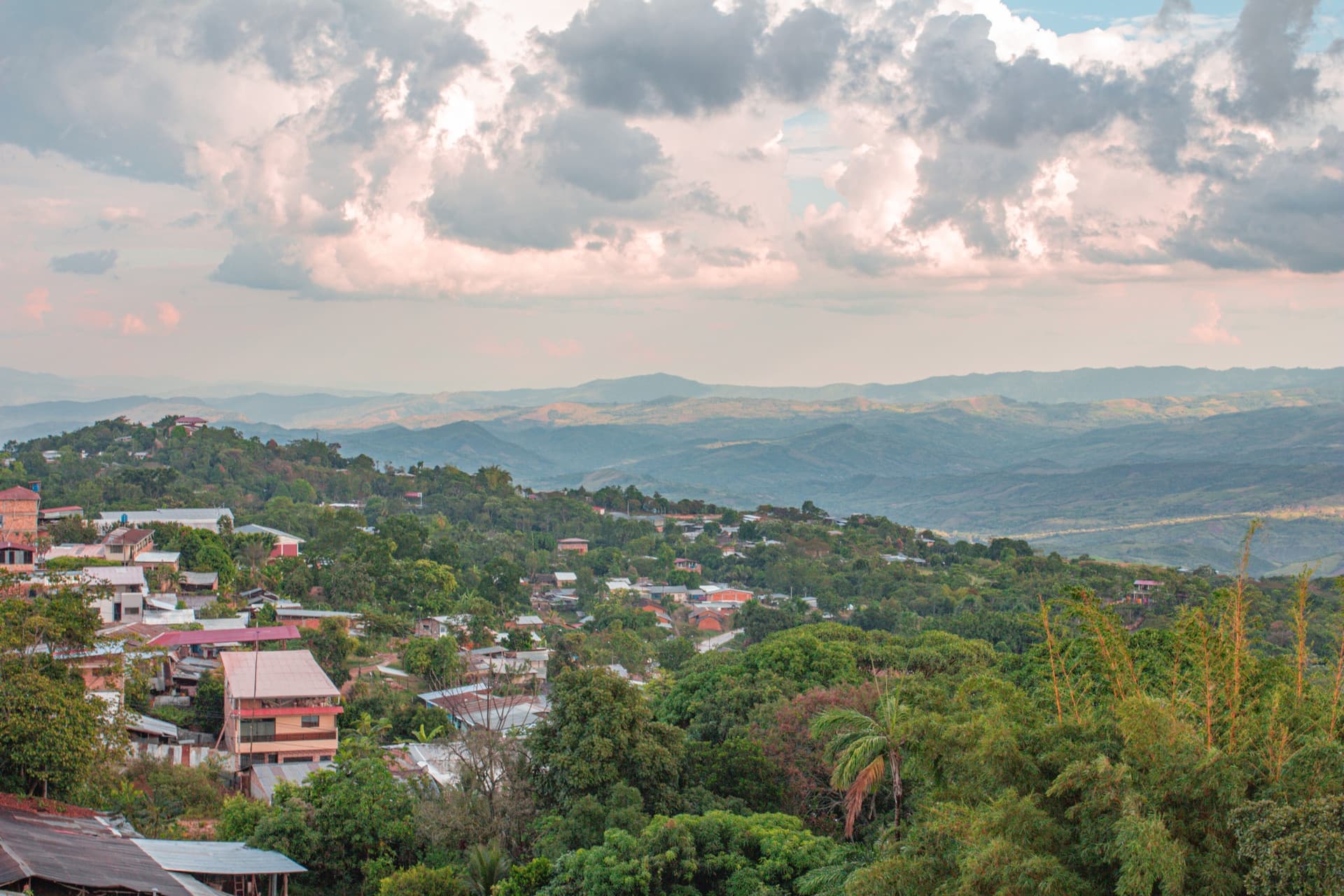
Northern Pérou covers a vast territory that descends from the Andean highlands toward the Pacific coast, passing through the ceja de selva, a band of cloud forest perched between 1,800 and 2,800 meters where the Chachapoyas culture developed between the 8th and 15th centuries. From our local agency in the capital, we organize this northern loop for travelers who have already seen Cuzco or who are looking for a less traveled reading of Pérou. On the ground, you will encounter few tour groups: the region receives a fraction of the visitors to the southern Andes, and major sites like Kuélap can still be explored without crowds, even during high season.
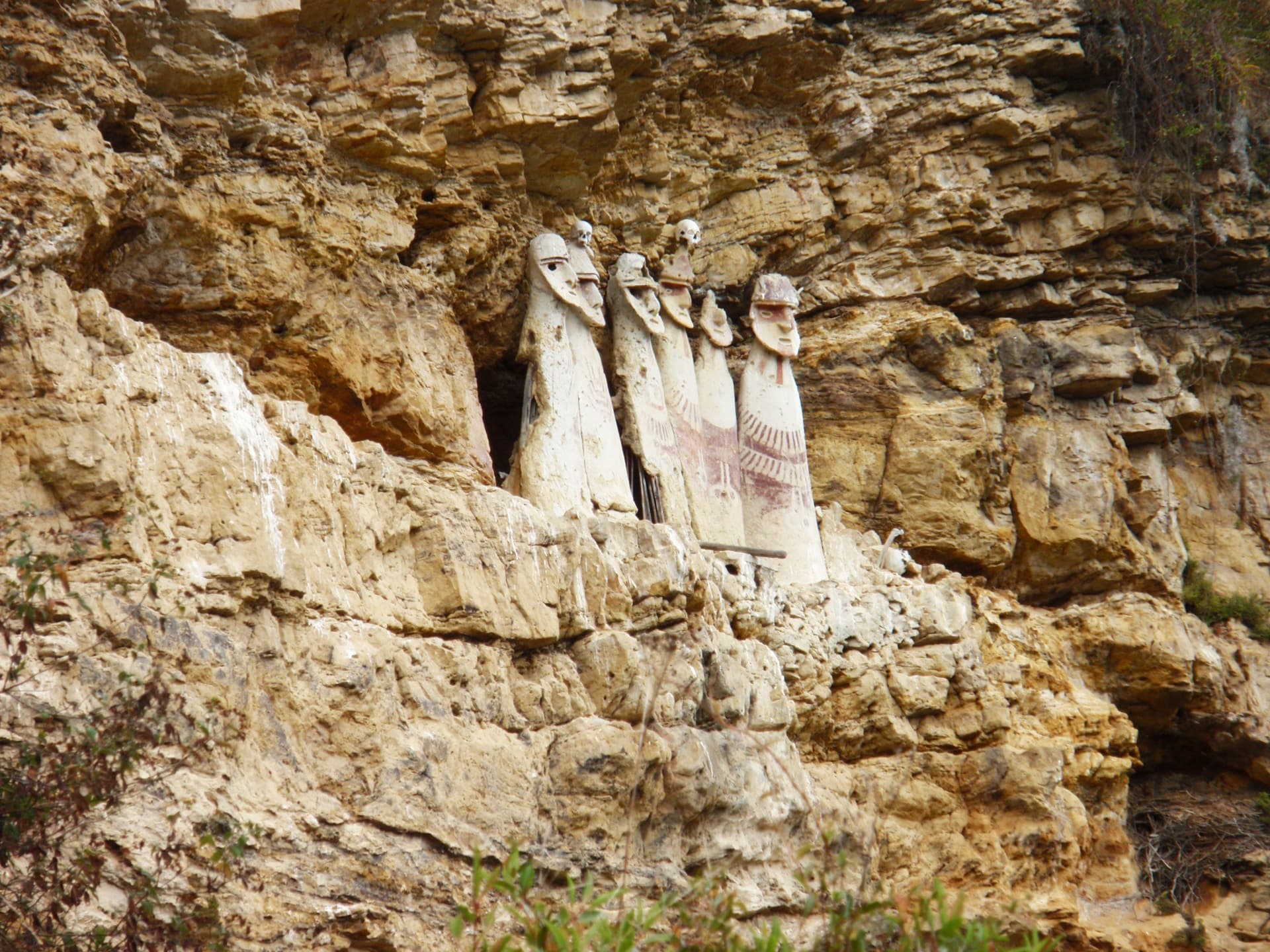
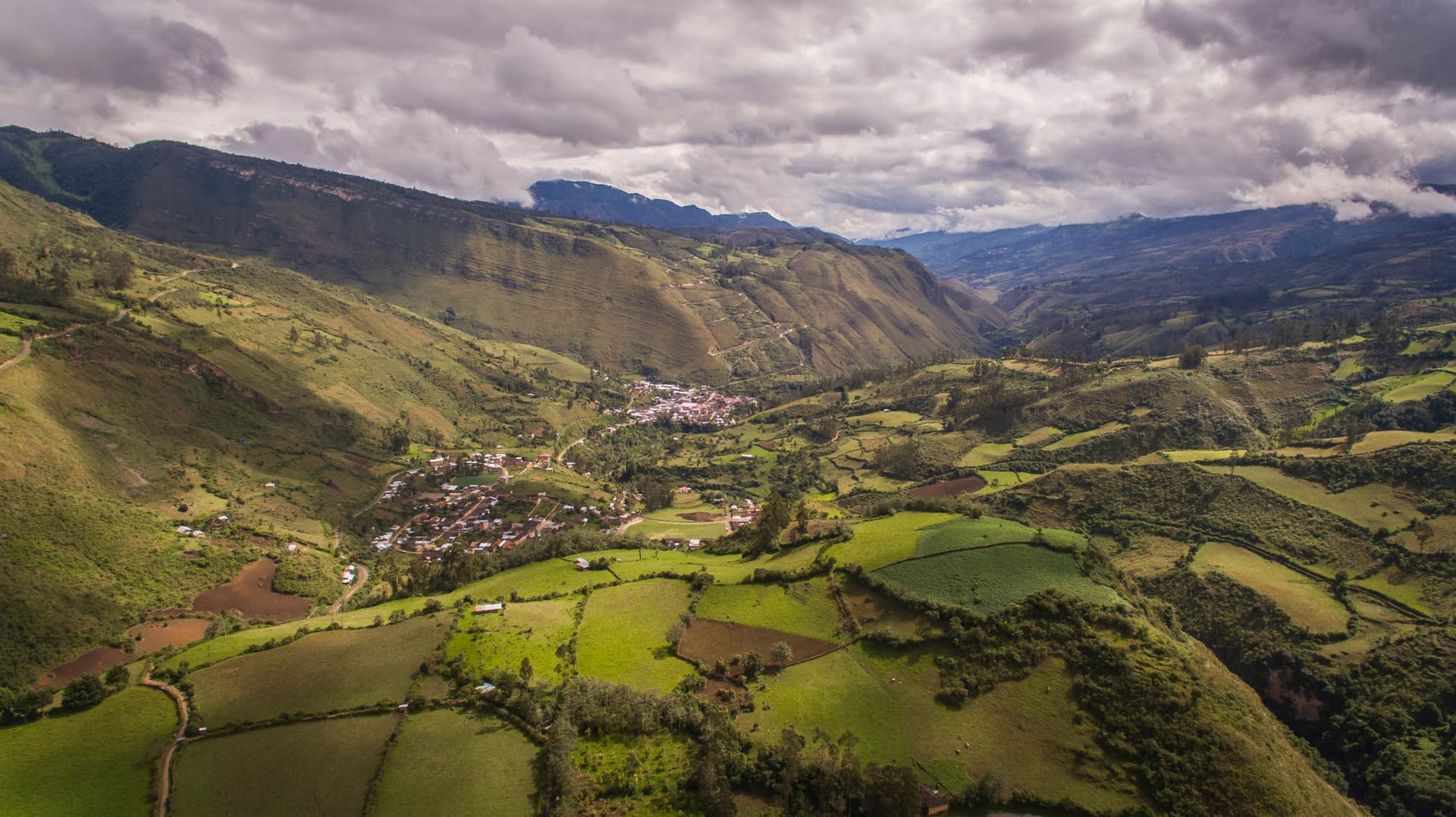
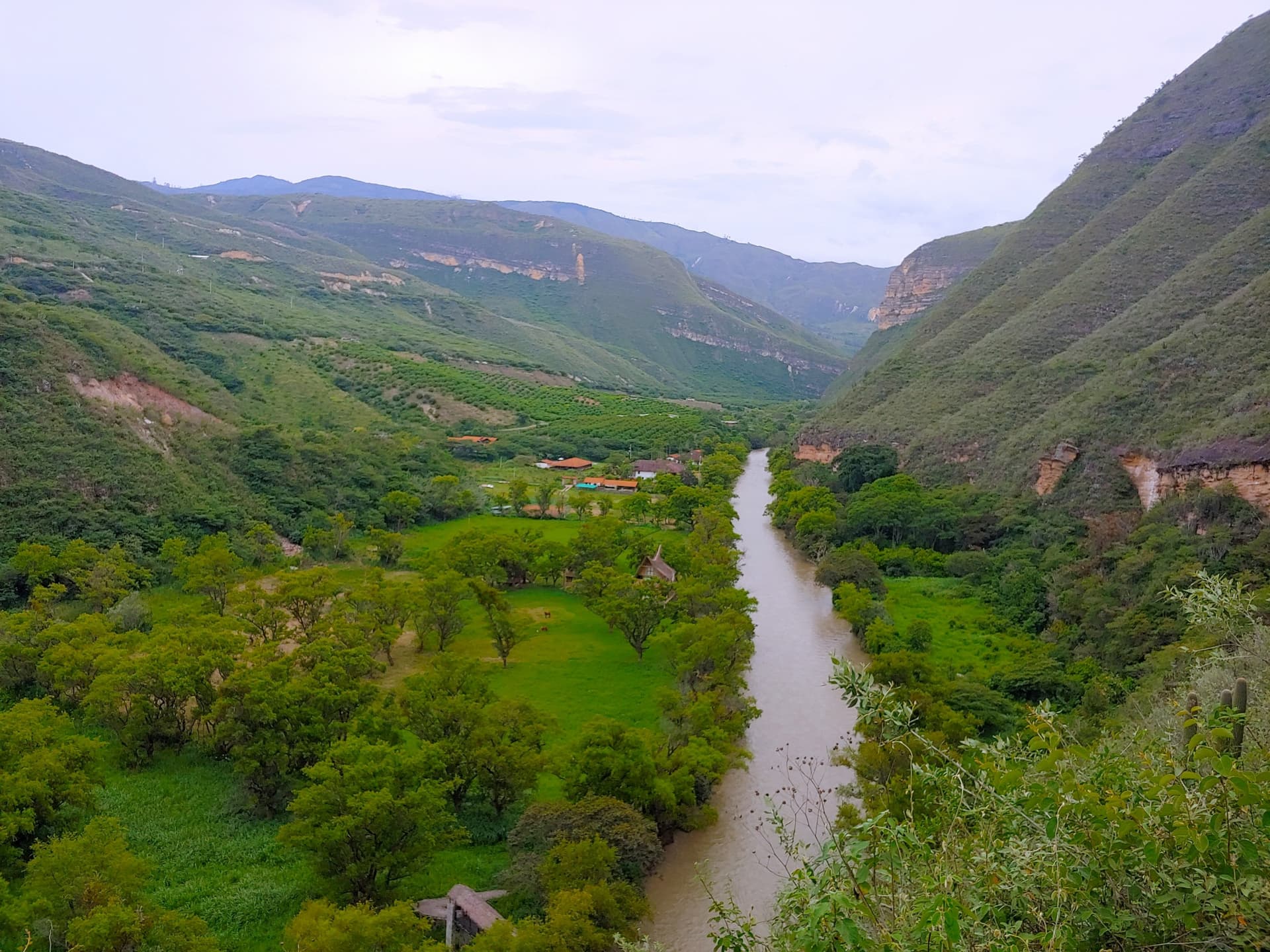
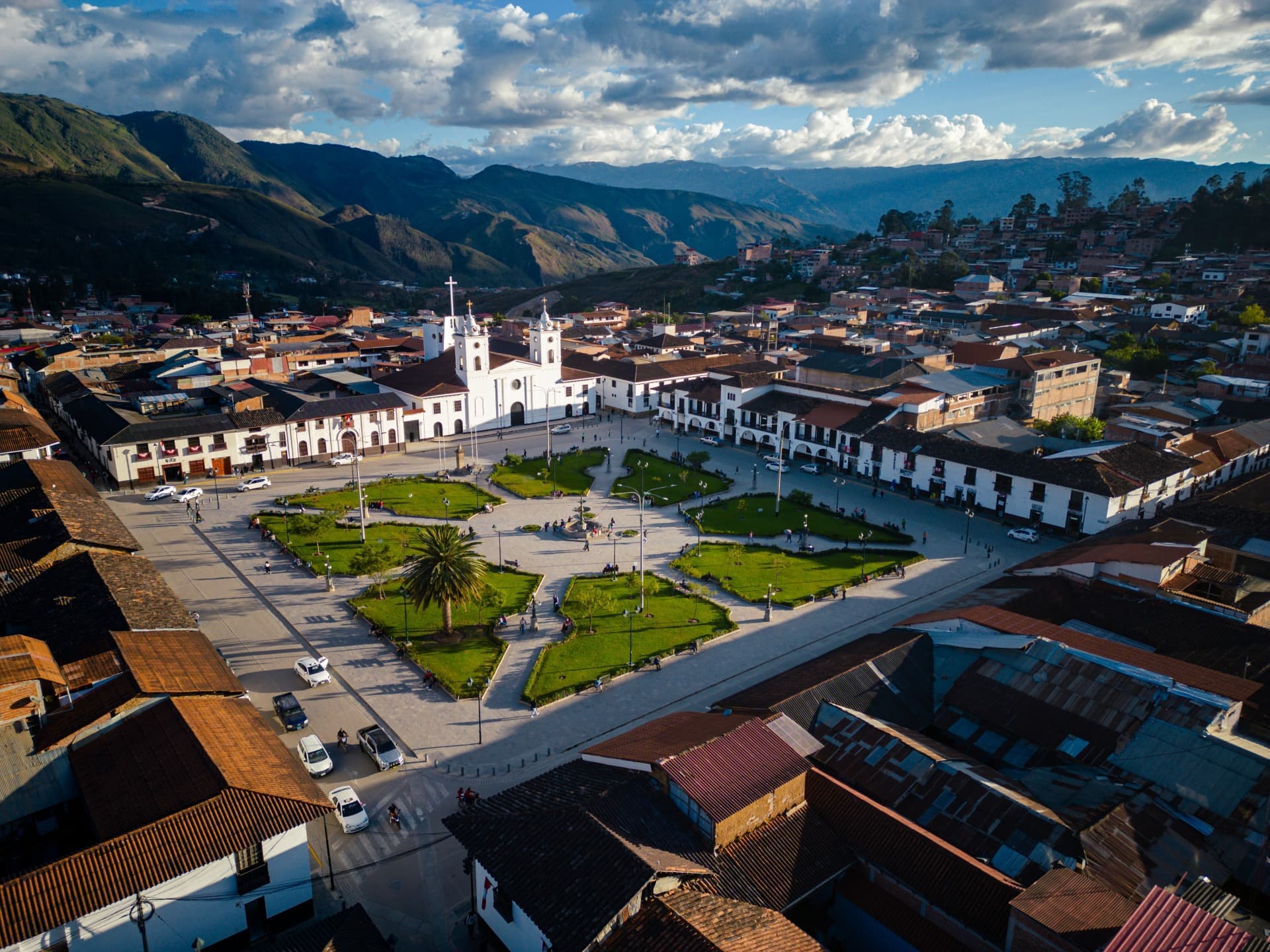
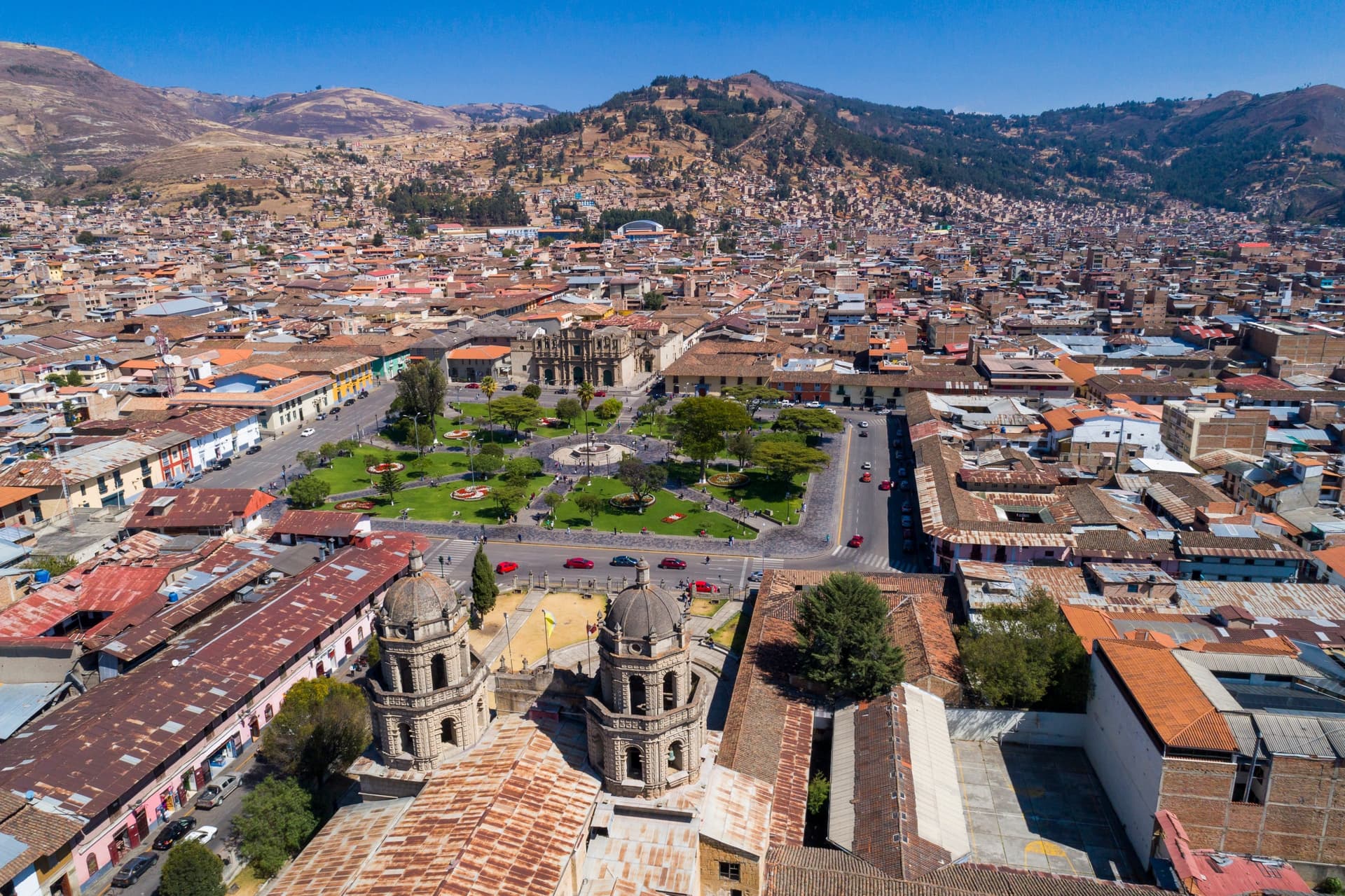
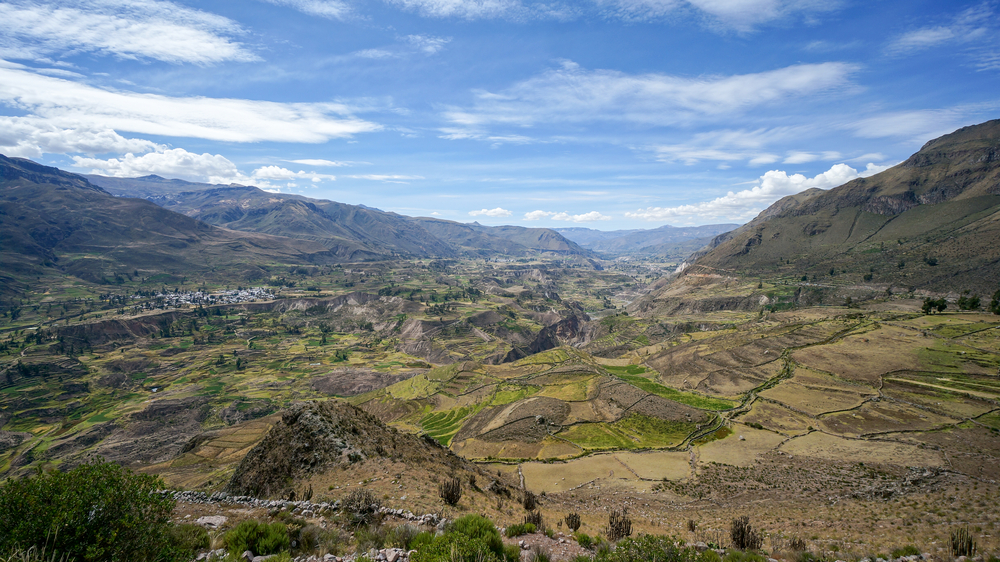
The Amazonas department concentrates the Chachapoyas heritage, these "warriors of the clouds" described by Spanish chroniclers. Around Chachapoyas, a colonial town of 30,000 inhabitants set at 2,335 meters, you visit Kuélap with its 20-meter-high wall, the Karajía sarcophagi towering on a cliff at over 2,000 meters, and the Revash funerary site. The Utcubamba valley structures the movements: a single main road, villages like Leymebamba with its museum housing 219 mummies found in the Laguna de los Cóndores, and a humid mid-mountain climate that keeps vegetation lush year-round.
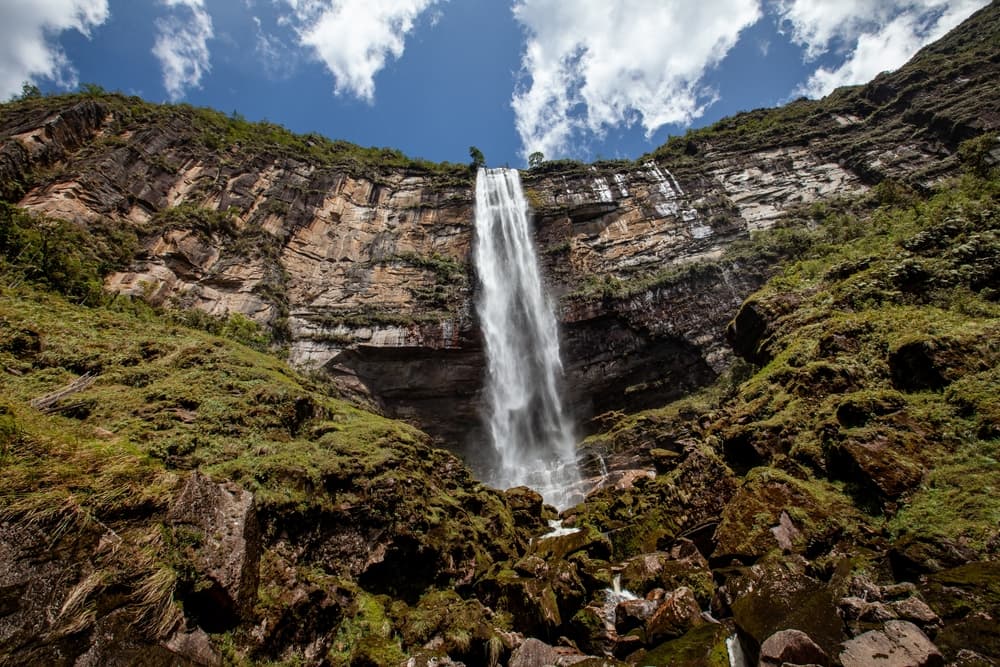
Further east, the Gocta waterfall drops in two tiers over a total height of 771 meters. It can be reached from the village of Cocachimba by a 2.5 to 3-hour walk, through a subtropical valley where coffee plants and orchids grow. Yumbilla, less known, exceeds 890 meters but requires a longer approach. This frontier between the Andes and the Amazon also produces specialty coffee, notably around Rodríguez de Mendoza, which you will taste at the fincas we visit with our partner producers.
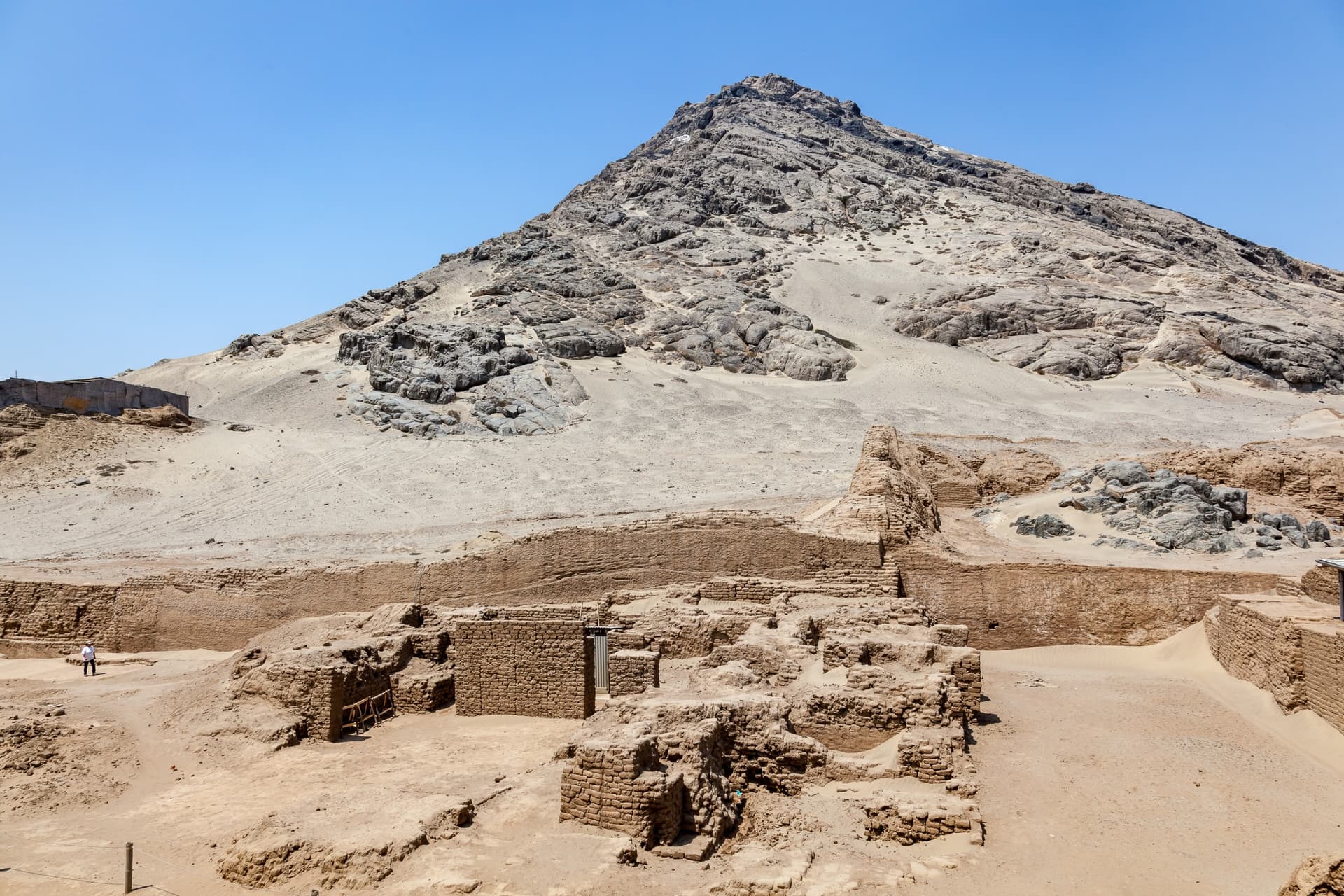
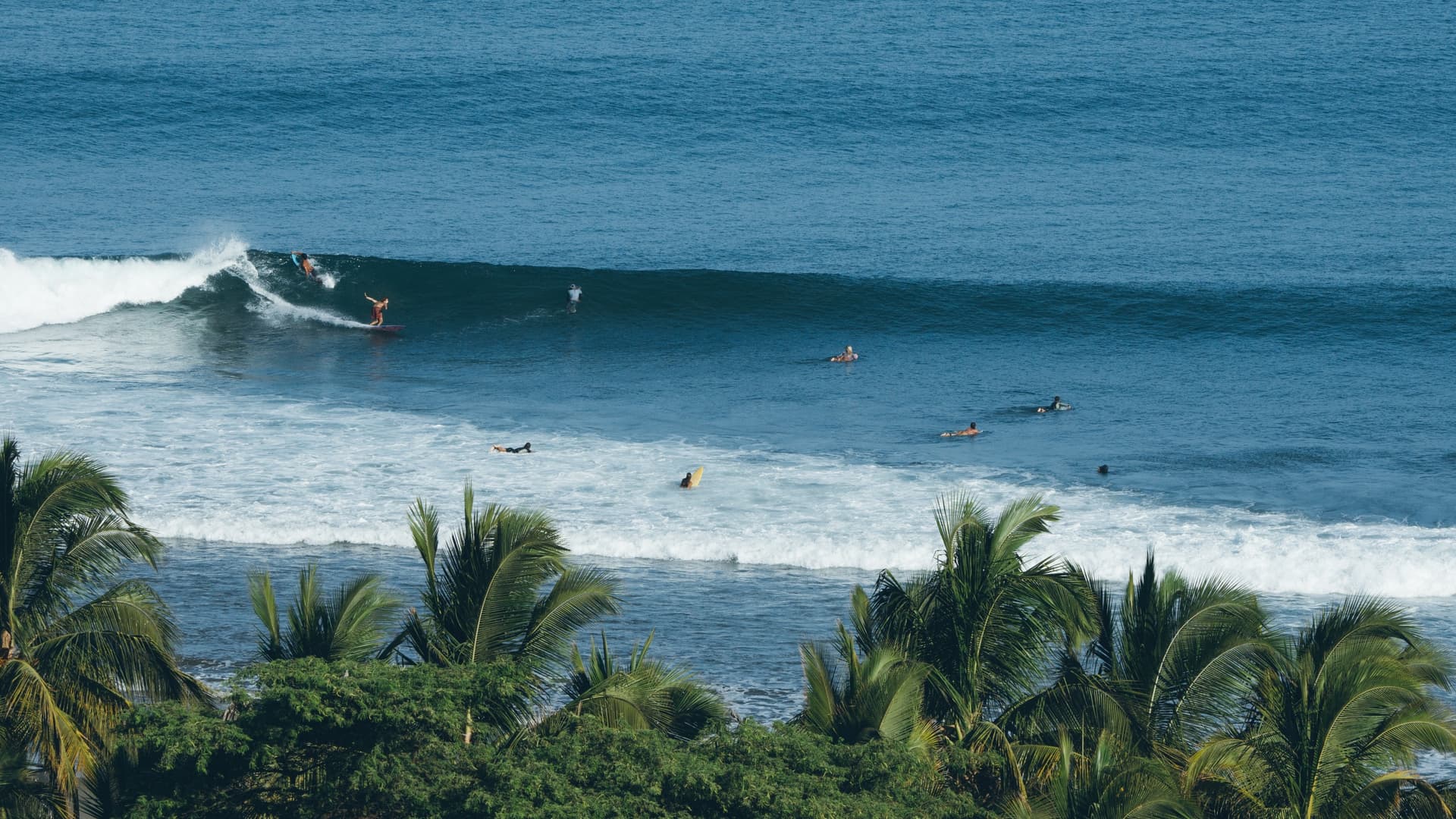
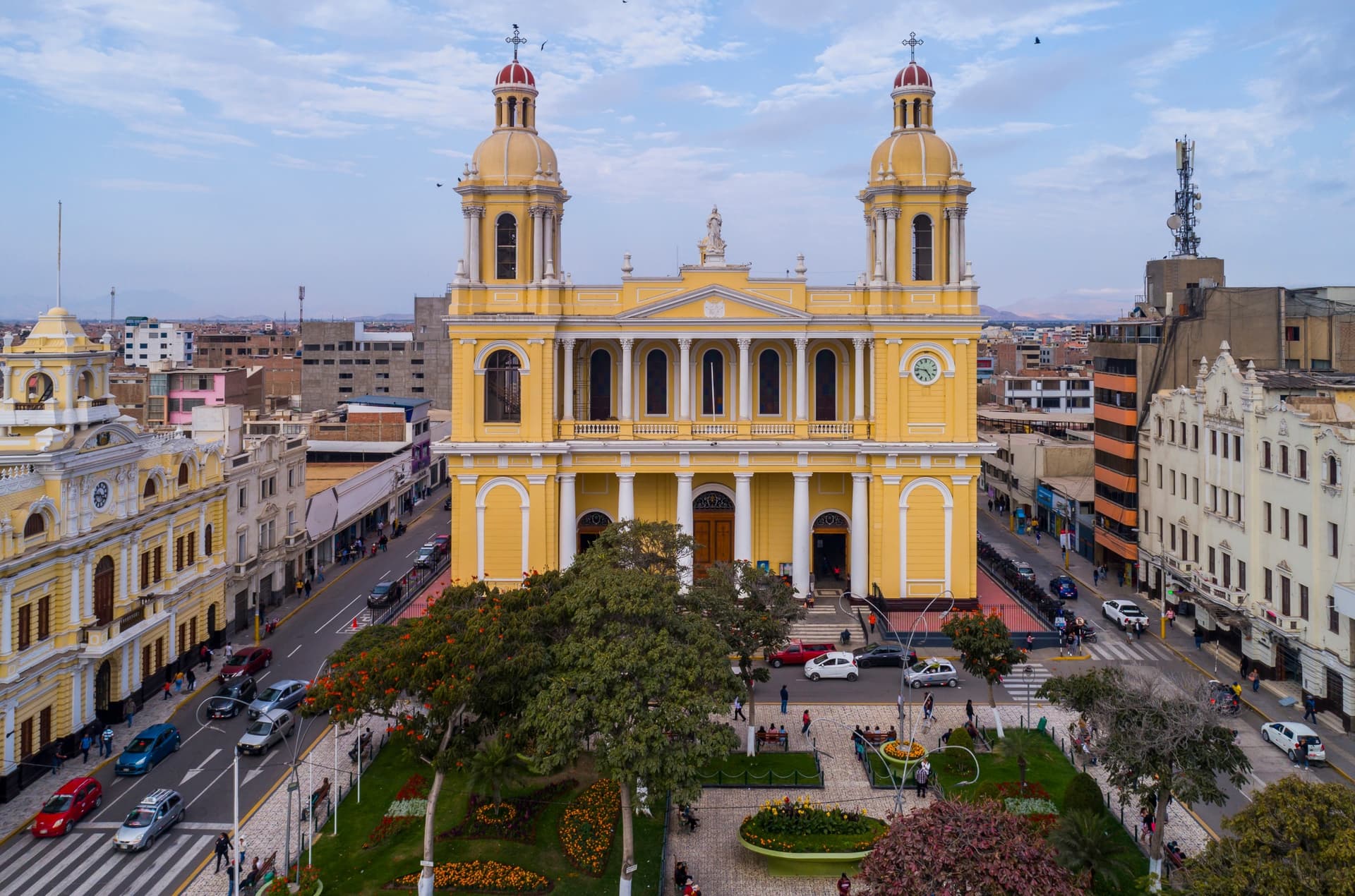
The northern coast tells another story. In Trujillo, the country's third city, the Moche and Chimú heritage dominates. Chan Chan, capital of the Chimú kingdom abandoned in 1470, covers 20 km² of sculpted adobe, making it the largest mud-brick city ever built. About twenty minutes south, the Huacas del Sol y de la Luna preserve polychrome frescoes depicting the deity Ai Apaec, uncovered since the 1990s by Peruvian archaeologists. The fishing village of Huanchaco, where caballitos de totora, reed boats attested for 3,000 years, are still used, serves as a seaside base for many of our clients.
Further north, Chiclayo provides access to the tomb of the Lord of Sipán, discovered in 1987 at Huaca Rajada, and the Tumbas Reales de Sipán museum in Lambayeque, one of the most educational in the country on pre-Hispanic civilizations. Chiclayo's market, the mercado Modelo, concentrates the herbalists of the north, heirs to the region's healer traditions. In terms of cuisine, the north stands out with ceviche made with subtle lime, arroz con pato flavored with cilantro and chicha de jora, and seco de cabrito accompanied by canary beans. These dishes are markedly different from those of the southern Andes.
This diversity—desert coast, coffee valleys, humid cordillera, archaeological sites of at least four different cultures—explains why the north demands time. Distances are long, mountain roads around Chachapoyas average 40 km/h, and concentrating the visit into three days would mean spending more hours driving than walking.
To discover
Kuélap fortress by cable car. From Nuevo Tingo, a 20-minute cable ride above the Utcubamba valley to reach the Chachapoyas citadel at 3,000 meters, then 1.5 hours walking within the walls among the remains of over 400 circular structures.
Gocta waterfall from Cocachimba. A 5 to 6-hour round-trip hike through the cloud forest, arriving at the foot of the second tier where mist nourishes vegetation of tree ferns and bromeliads.
Chan Chan and Huacas of Trujillo. One day to combine the Chimú city of sculpted adobe and the Moche frescoes of Ai Apaec, ending with a ceviche in Huanchaco facing the caballitos de totora lined up on the beach.
Karajía sarcophagi. Six funerary figures 2.50 meters tall, painted in ochre and white, set into a cliff that has been inaccessible since the 15th century. You observe them from a promontory after a 30-minute descent from Cruz Pata.
Leymebamba museum. A small village museum that houses 219 Chachapoyas mummies brought up from the Laguna de los Cóndores in 1997, presented with their textiles and quipus in a climate-controlled room that we find more instructive than many large museums in Lima.
When to go
The dry season around Chachapoyas extends from May to September, with days between 18 and 22 °C and nights dropping to 8–10 °C at altitude. This is the period when trails to Gocta, Karajía or the Laguna de los Cóndores remain passable without excessive mud, and visibility from Kuélap is not masked by clouds. Between December and March, rainfall can exceed 200 mm per month on the ceja de selva, some secondary paths become difficult, and we recommend our clients plan a buffer day in case of landslides.
On the coast around Trujillo and Chiclayo, the climate is desert-like and temperate year-round, between 17 °C in the Southern Hemisphere winter (June to August, often covered by garúa mist) and 28 °C in summer (January to March, clear skies). This variation allows you to combine both zones in any season, but the May–September window remains the most comfortable for the entire northern loop.
Practical advice
We recommend a minimum of 7 days to connect coast and Chachapoyas, ideally 9 or 10 days to breathe. The most efficient entry point is a flight from Lima to Jaén (1 hour 20 minutes), followed by 4 hours of driving toward Chachapoyas via the Utcubamba valley. The exit can be made via Tarapoto to the east, or by returning to Chiclayo (9 hours driving) to connect with the coast. Trujillo and Chiclayo each have airports with daily flights to Lima.
Hotel comfort in the Amazonas department remains modest: a few very good addresses in Chachapoyas, Leymebamba or Cocachimba, but no luxury category in the international sense. The northern loop combines well with Peruvian Amazonia via Tarapoto, or at the beginning of a trip before heading down to Cuzco and the Sacred Valley by a Chiclayo-Lima-Cuzco flight. We recommend it to travelers returning for a second visit to Pérou, to archaeology enthusiasts who want to go beyond Inca sites, and to hikers comfortable on wet trails in mid-mountain terrain. For a first discovery of the country with very young children, the long driving distances make it less suitable.