Arequipa
Arequipa
A white city built in volcanic sillar stone at the foot of Misti volcano, Arequipa concentrates UNESCO colonial heritage, renowned gastronomy, and serves as the gateway to Colca canyon.
Capital of the Pérou region of the same name, Arequipa stands out as the country's second largest city by population. Nicknamed "the white city," it surprises visitors with its beautiful colonial-style houses built from white lava stone. Discover its museums and historic monuments while immersing yourself in the city's lively atmosphere, day and night.
History
Archaeological discoveries date back to the occupation of the Arequipa valley between 5,000 and 6,000 years before Christ. The region was inhabited by the Aymara Indigenous peoples in the fifteenth century, then conquered by the Incas to serve as a supply base for the empire. Numerous civilizations participated in the founding of the city, but modern Arequipa owes its creation in 1540 primarily to conquistador Garcí Manuel de Carbajal.
The Spanish influenced the city's architectural style, as evidenced by Arequipa's colonial heritage. In the early twentieth century, the city was the site of numerous coups d'état. It was also struck by several natural disasters, earthquakes and volcanic eruptions, the most significant occurring in 1600, 1687, 1868, 1958, 1960, and 2001. Arequipa is designated as a UNESCO World Heritage Site, due to its historical significance and extraordinary beauty.
Visiting the City of Arequipa
Located 1,000 km from Lima, Arequipa sits at the foot of the Misti stratovolcano, in a landscape carved between the Andes and thick layers of volcanic lava. It is dotted with several snow-capped mountains, Chachani and Picchu Picchu.
Arequipa is distinguished by its beautiful buildings dating from the colonial era, mostly constructed with white volcanic stone called "sillar." It owes its name to the Incas who came to settle in the region and originally named it Ari Quipay, meaning "stay here." Beyond its architectural heritage, the city derives its charm from its location amid volcanic mountains that form a laurel wreath.
Culture and Tradition
Arequipa's residents are proud of their city, their culture, their gastronomy, and especially their renowned beer. Local culture stands apart from other cities in the country, stemming largely from Spanish influence. Nevertheless, among traditions uniquely Peruvian perpetuated in Arequipa is bullfighting. This event takes place regularly in the city's bullrings, in the manner of a corrida and in a completely festive atmosphere. The inhabitants are distinguished by their clothing made from alpaca wool. Take advantage of your stay in Arequipa to purchase a scarf or sweater in alpaca wool.
What to See in Arequipa?
Arequipa is home to various historic monuments and tourist attractions. To better know the city, visit its museums, churches, plazas, and other sites during your excursions.
The Museums
During your stay in Arequipa, do not miss visiting its three history and archaeology museums located near Plaza de Armas:
∙ Museum of Andean Sanctuaries
The Museum of Andean Sanctuaries showcases the pre-Columbian history of the Arequipa region. Its flagship piece is the mummy of Juanita, discovered in 1995 on Mount Ampato, 85 km from the city. This relic is preserved in a refrigerated display case. Over 500 years old, the mummy of Juanita is nicknamed the ice princess. Continue your discoveries by exploring the museum's small rooms, which contain numerous objects recovered from tombs throughout the region.
∙ Santa María Archaeological Museum
The Archaeological Museum of the Catholic University of Santa María presents numerous valuable objects made of ceramics dating from the pre-Inca era.
∙ San Augustin Archaeological Museum
Opened in 2008, the San Augustin Archaeological Museum is the city's second museum. It is housed within a residence dating from the colonial period. Discover extensive collections relating to pre-Inca civilizations.
Churches and Monasteries
Arequipa is home to several religious buildings. The most famous are as follows:
∙ Santa Catalina Monastery
The first monastery built by the Spanish, this expansive complex spans 220,000 square meters. On-site, experience the singular and meditative atmosphere that distinguishes these spaces. Santa Catalina Monastery also stands out for its beautiful colored walls, patios, and small streets.
∙ The Cathedral
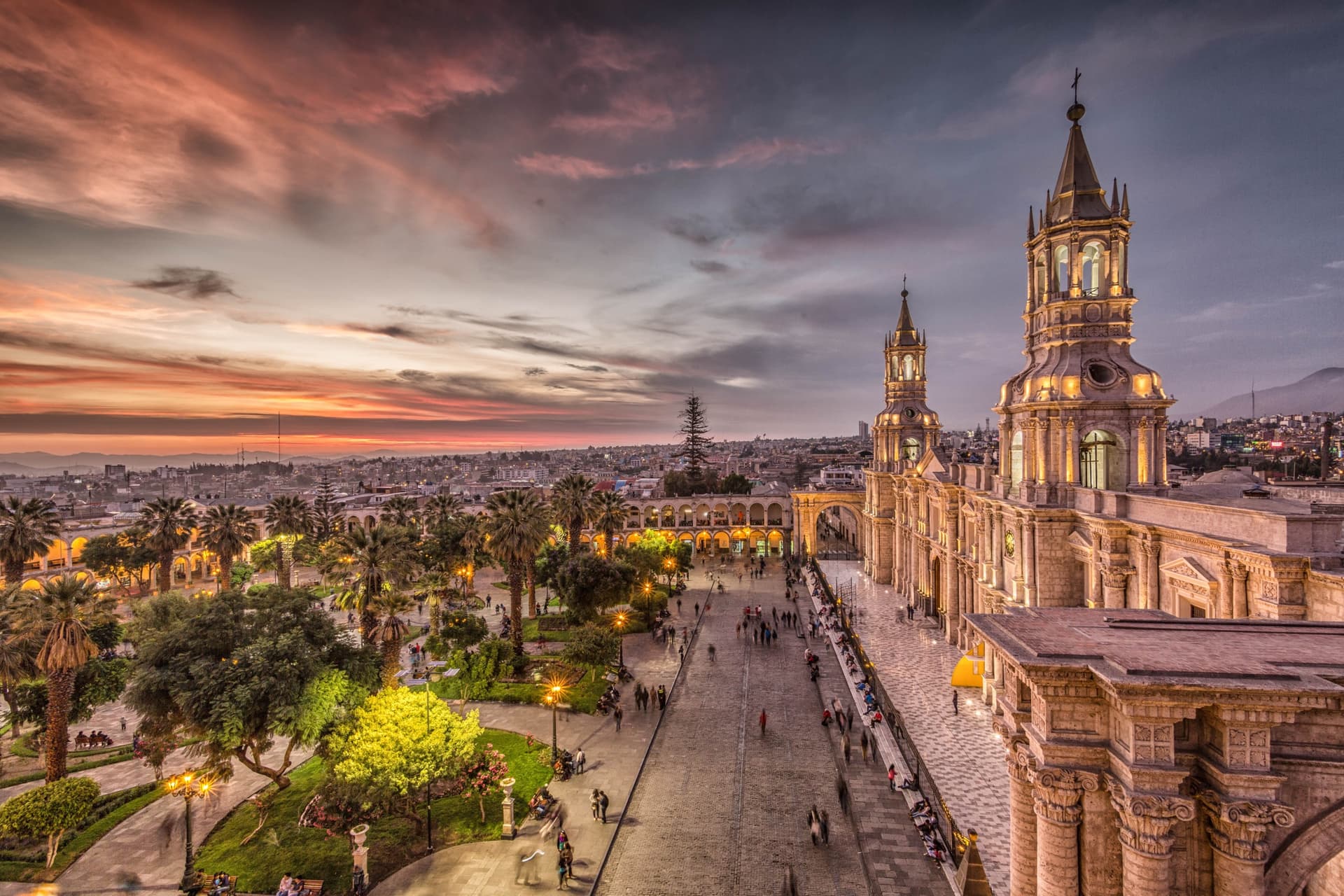
The Cathedral dominates the city of Arequipa. It was struck by earthquakes and other disasters numerous times and has been renovated repeatedly. Among other things, it was ravaged by a fire, then by an earthquake, which occurred respectively in 1868 and 2001. The Cathedral houses an organ imported from Belgium, considered the largest of all instruments in the churches on the continent.
∙ Recoleta
The Recoleta church is a beautiful relic located somewhat away from the downtown area, west of the Chili River. It was built in 1648 by Franciscan friars. Completely renovated, it possesses numerous attractions, including its large library. In its wooden shelves reaching the ceiling, this structure houses over 20,000 volumes dating from many years past. Several rooms in the church have been converted into museums, including one specially dedicated to the Amazon.
Other Churches in the City
There are other churches to discover in Arequipa, including the Iglesia de la Compañia, built near Plaza de Armas. The latter is among the oldest Jesuit churches in the city. Beyond that, visit the Iglesia de San Francisco located at Zela cuadra 1. Among the smallest churches in the city, it has been damaged by various earthquakes but remains open to tourists. The churches of La Merced and Santo Domingo are also worth visiting.
Plazas and Sites
∙ Plaza de Armas
As in many Latin American cities, Plaza de Armas in Arequipa is highly popular with tourists. It is bordered by the Cathedral and colonial buildings. Find several bars and a supermarket where you can enjoy a beverage. On the plaza's benches, enjoy yourself while taking in the view, in the company of pigeons.
∙ Yanahuara Site
The Yanahuara viewpoint is a must-see when visiting the city. The site is distinguished by its semicircular walls.
∙ Colca Canyon
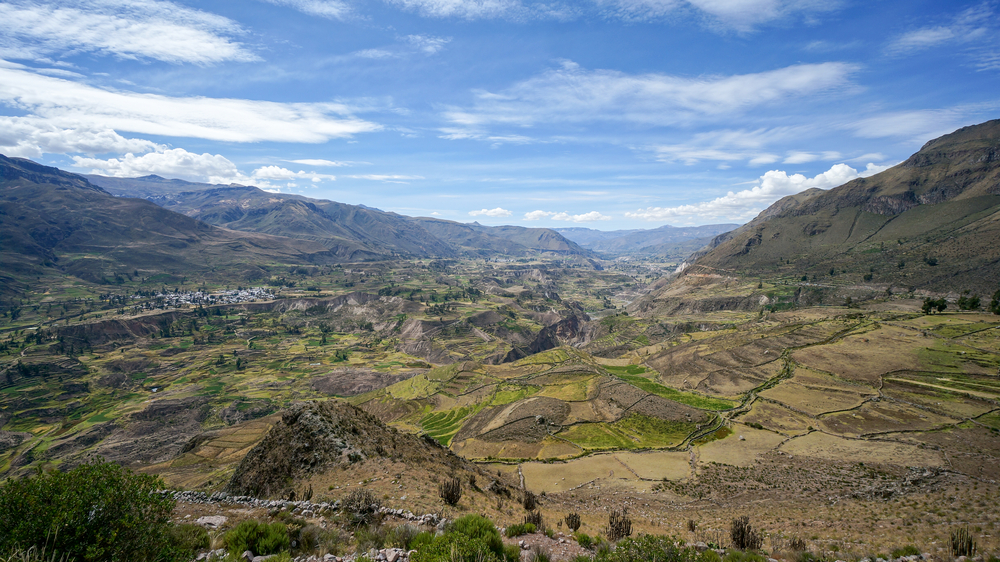
Among the world's most famous canyons, Colca Canyon proves deeper than the Grand Canyon of the United States. It measures 100 km long, with a depth of 1,000 to 3,000 meters. The site offers beautiful landscapes and allows visitors to observe the famous condors. To discover the full splendor of Colca Canyon, plan a hiking trip of 2 to 3 days.
∙ Visiting the Carmen Alto Quarter
The Carmen Alto neighborhood reveals another facet of Arequipa.
Excursions
∙ Sabandia Mill
The Sabandia Mill is located in the countryside of Paucarpata, a few kilometers from the city. Along the road leading to this exceptional site, admire the terraced fields arranged by the Incas and a church dating from the colonial period.
∙ San Camilo Market
Stroll through its stalls filled with colors and aromas of San Camilo market, considered the largest market in the city.
Climate
Perched at 2,300 meters altitude, Arequipa is largely exposed to the sun for most of the year, with 300 days of sunshine. Consequently, it experiences no cold season. Average annual temperatures range between 22°C and 23°C. The wettest period extends from January to March.
Best Times to Visit the City
The best periods to visit the city are from May to September.
You can reach the city of Arequipa through Alfredo Rodríguez Ballón International Airport. It offers connections with major cities in Pérou such as Lima, Cusco, Puno, and Tacna.
Take a bus from Cusco for a fare of 30 to 60 soles. Departing from Lima, you can take an overnight journey for a fare of 30 to 130 soles. From Nazca, the trip to Arequipa costs between 30 to 150 soles. From Puno, the bus journey, available for 15 to 30 soles, takes 6 hours.
Travel duration may extend during the wet season. The fare depends on the company selected.
Taxi is the most commonly used mode of transportation in Arequipa. From the airport to your hotel, the ride costs 15 to 20 soles. The bus journey is charged at approximately 5 soles.
Attractions in Arequipa
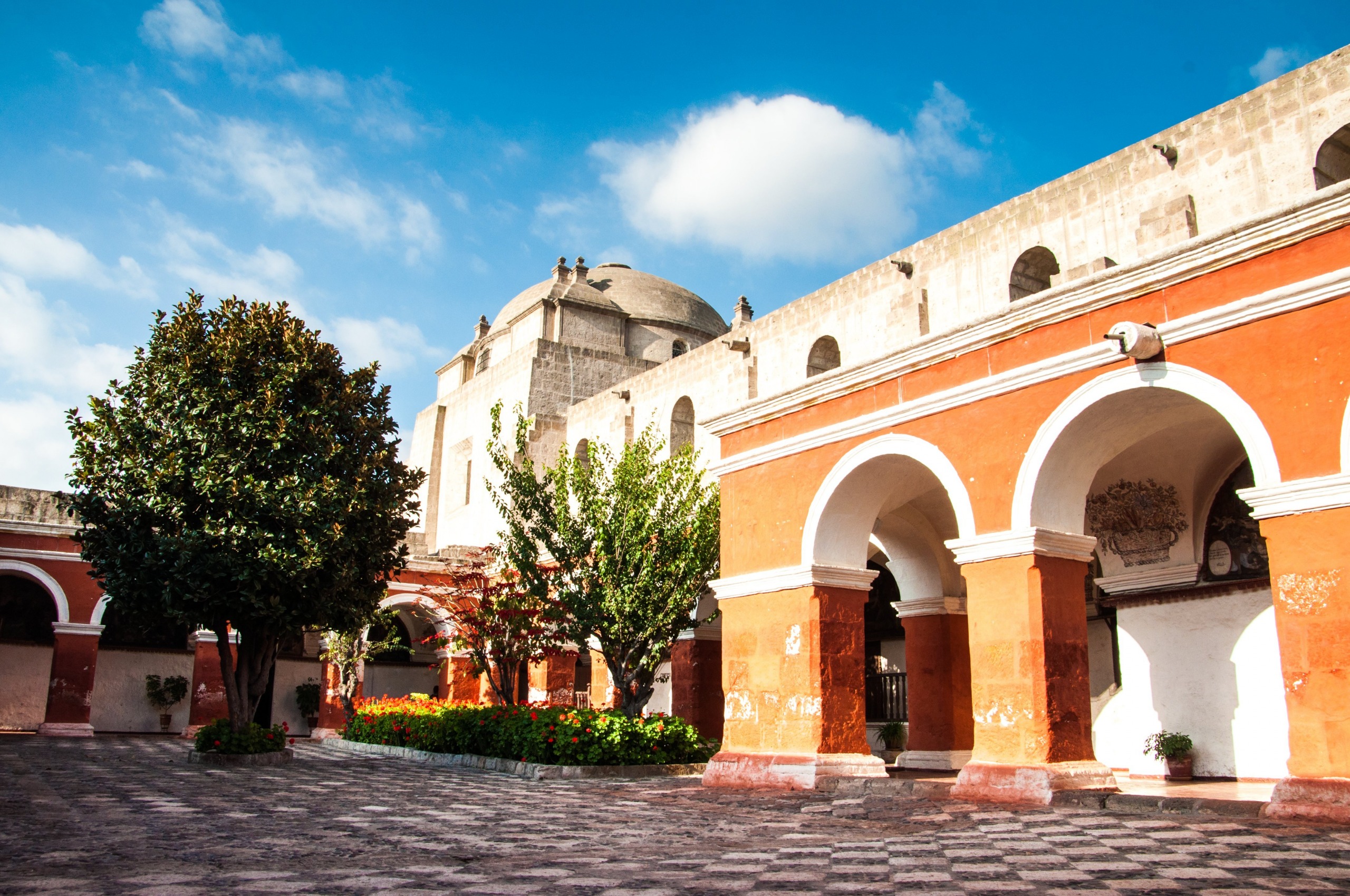
Couvent Santa Catalina
Le couvent Santa Catalina occupe un quartier entier au centre d'Arequipa. Derrière ses hauts murs de sillar, ce monastère fondé en 1579 a fonctionné en quasi-autarcie pendant près de trois siècles
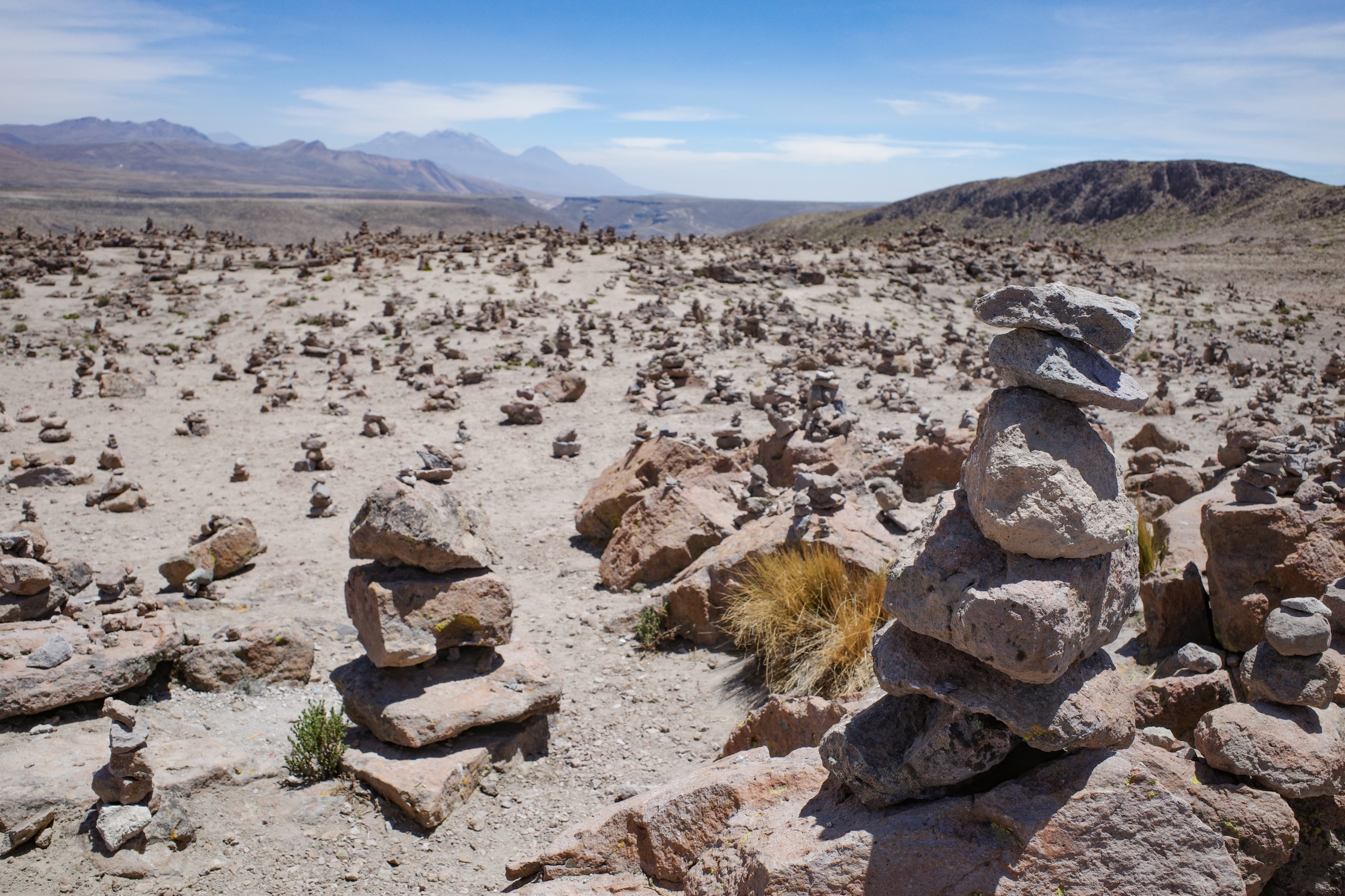
Mont Mismi
Le Mont Mismi est un sommet de la Cordillère des Andes culminant à 5597 mètres, situé dans la région d'Arequipa au sud du Pérou.
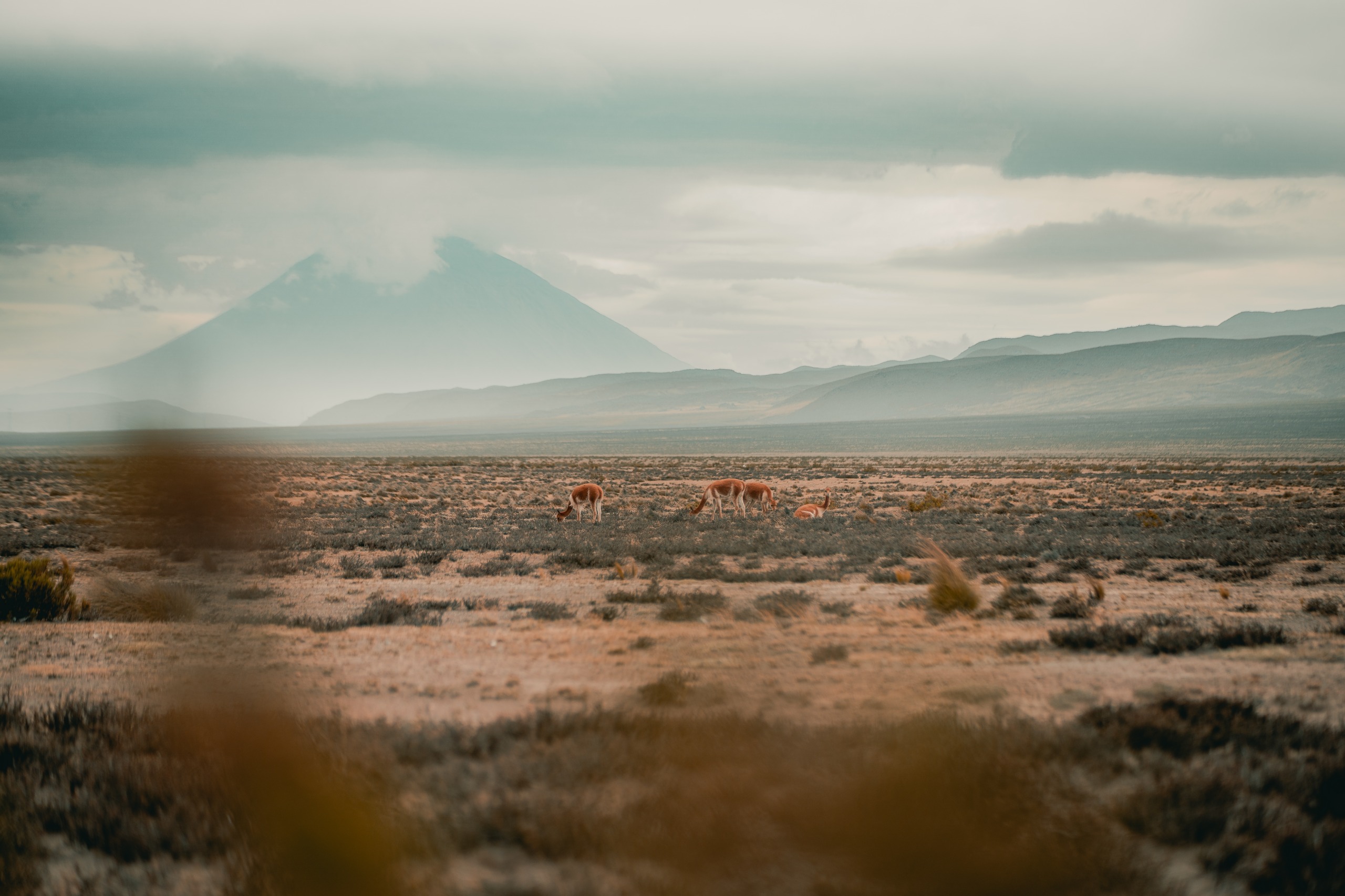
Réserve Nationale de Pampa Cañahuas
La Réserve Nationale de Pampa Cañahuas s'étend sur les hauts plateaux andins de la région d'Arequipa, au sud du Pérou.
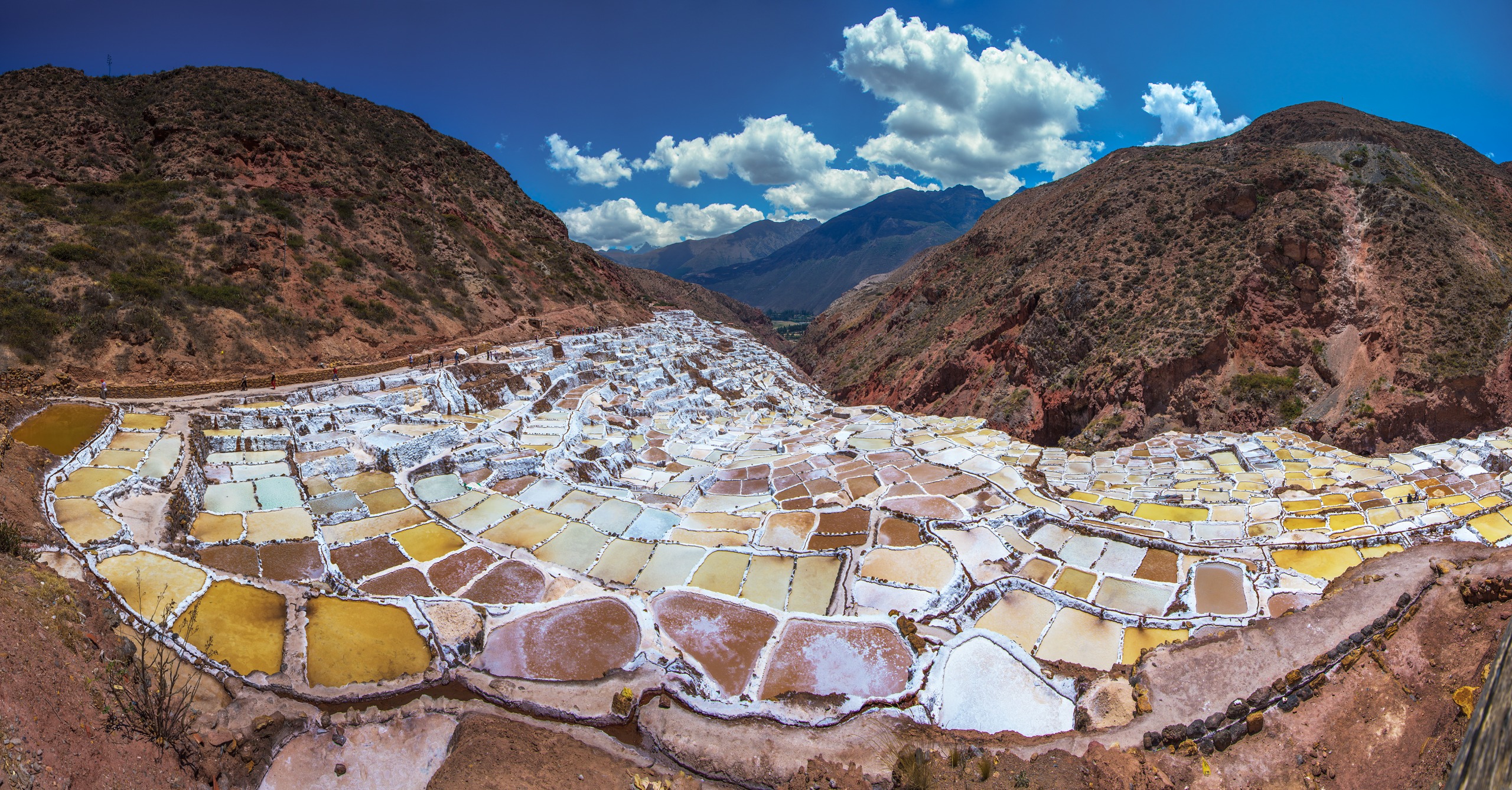
Salinas y Aguada Blanca
La réserve nationale de Salinas y Aguada Blanca s'étend sur 366 000 hectares entre les régions d'Arequipa et de Moquegua, à une altitude comprise entre 2 800 et 6 000 mètres.
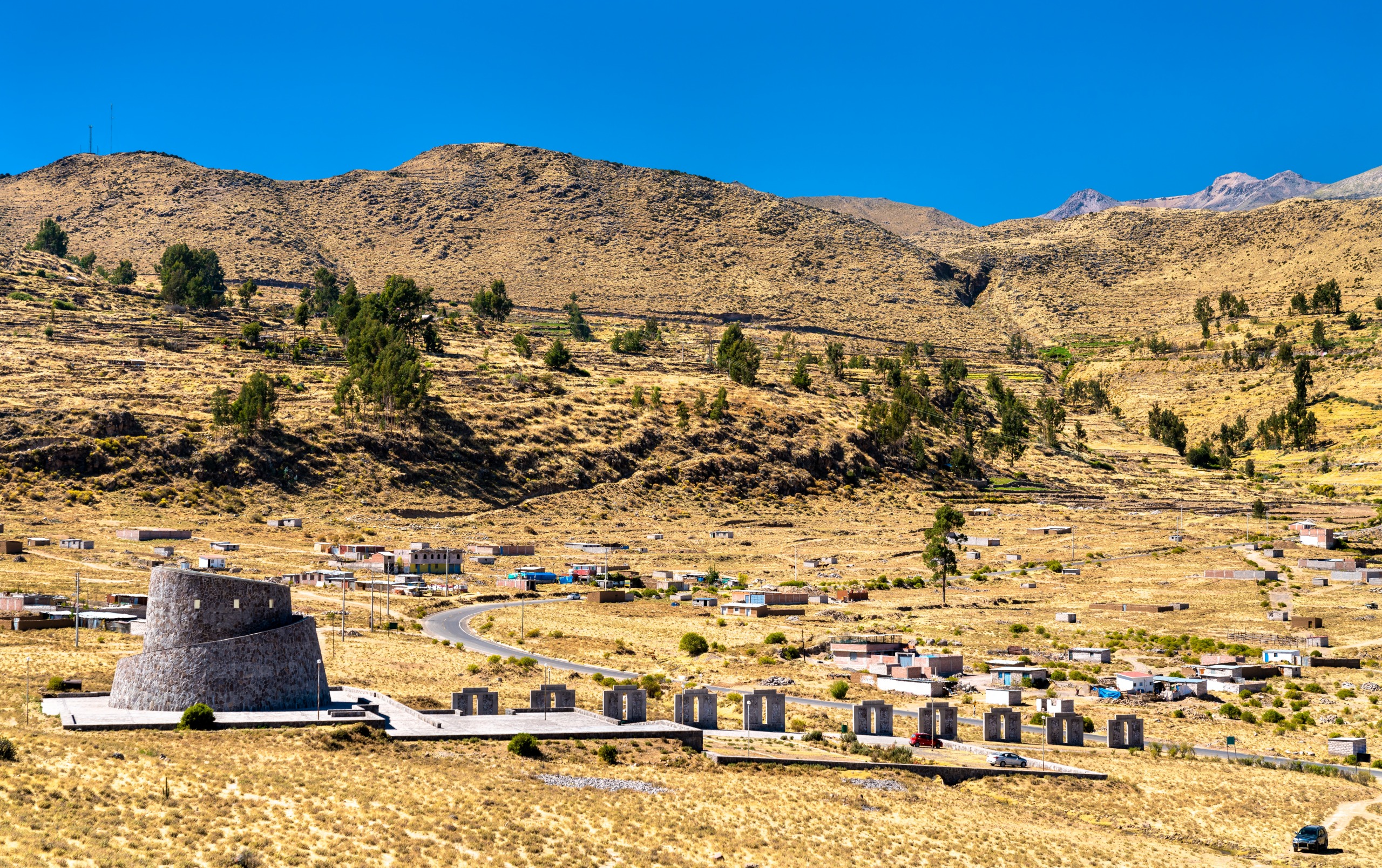
Musée Santuarios Andinos à Arequipa
Au cœur d'Arequipa, à quelques mètres de la Plaza de Armas, le Musée Santuarios Andinos abrite la momie Juanita, jeune fille inca sacrifiée vers 1450 sur le mont Ampato et retrouvée en 1995.
Accommodation in Arequipa
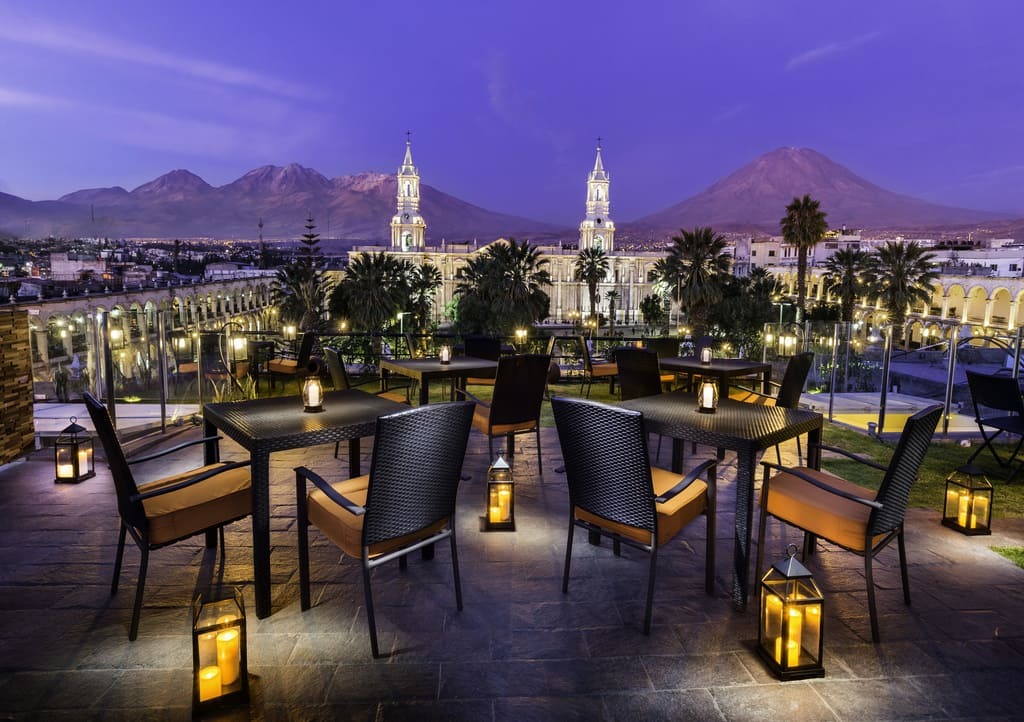
Hôtel Katari
Sur la Plaza de Armas d'Arequipa, l'Hôtel Katari occupe un bâtiment colonial en pierre de sillar avec terrasse panoramique sur les volcans.
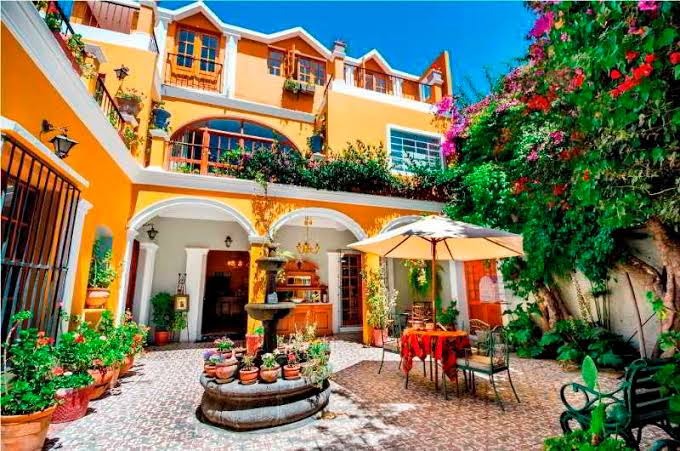
La Hosteria
Bâtisse coloniale du XIXe siècle en pierre de sillar, au cœur d'Arequipa : patios, restaurant péruvien et spa, à proximité des sites UNESCO.
Want to discover this destination?
Our local advisors design your tailor-made trip.