Salinas and Aguada Blanca
Salinas and Aguada Blanca
High-altitude reserve between Arequipa and Moquegua, Salinas y Aguada Blanca is home to vicuñas, Andean flamingos, volcanoes and ancient rock paintings.
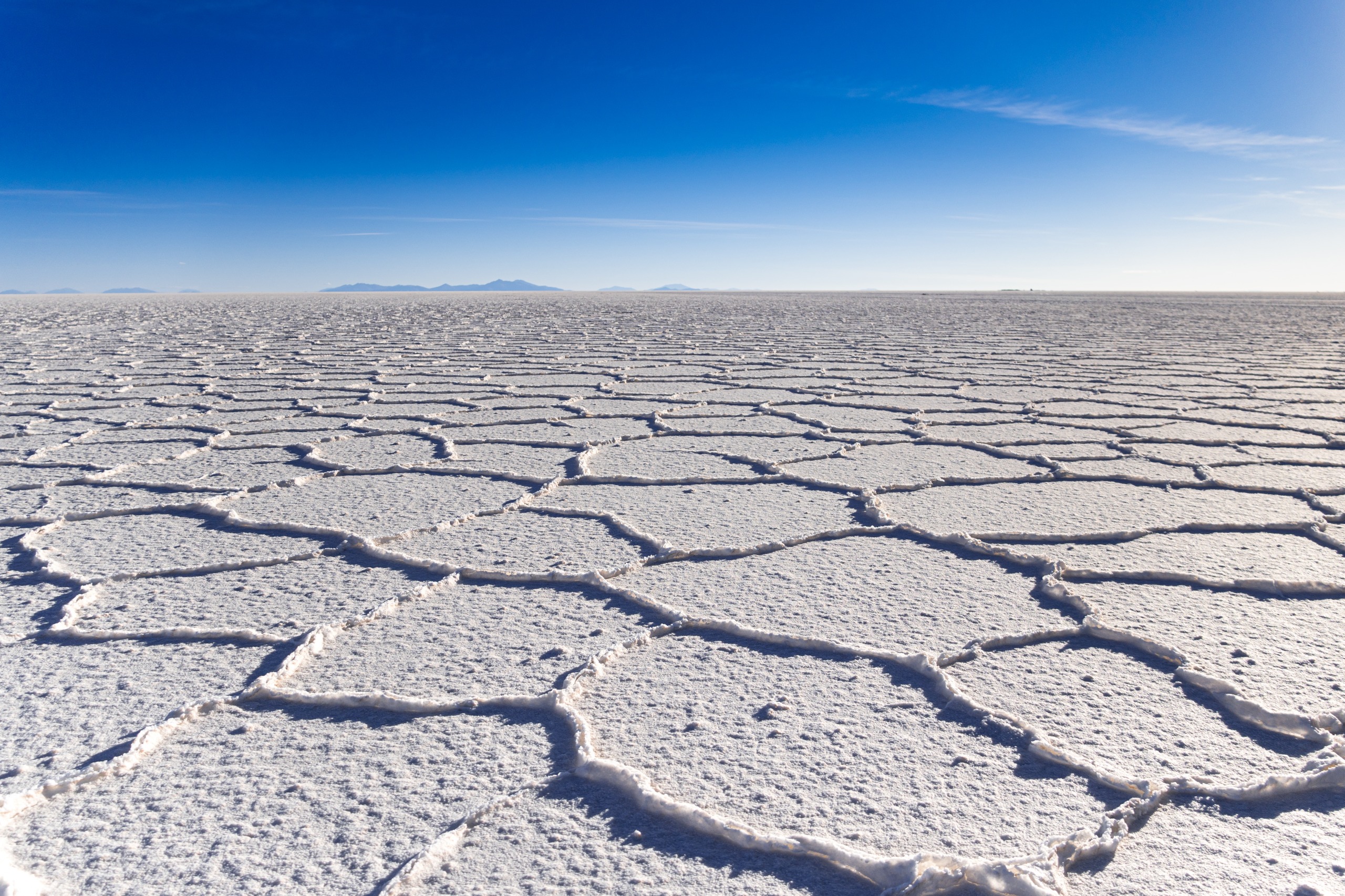
Salinas y Aguada Blanca national reserve spans 366,000 hectares between the regions of Arequipa and Moquegua, at an altitude between 2,800 and 6,000 meters. Established on August 9, 1979, it protects a volcanic altiplano where wild vicuñas, three species of flamingos, salt lagoons and rock formations adorned with some of Peru's oldest rock paintings coexist. It's a natural stop on the road between Arequipa and Colca Canyon.
Why visit Salinas y Aguada Blanca
The reserve concentrates on a single territory high-altitude landscapes rarely accessible elsewhere in Peru with such ease. From Arequipa, just a few hours' drive reaches grassy plateaus where vicuñas roam freely, salt lagoons that turn pink under the effect of Andean flamingos, and volcanic cones exceeding 6,000 meters.
The appeal of Salinas y Aguada Blanca also lies in the site's cultural dimension. Rural communities perpetuate the chakku, a ceremony inherited from the pre-Hispanic period consisting of collectively shearing wild vicuñas to harvest their fiber, one of the finest in the world. The Sumbay caves, off the beaten path, preserve rock art spanning several millennia.
What to see and do in the reserve
Observing vicuñas and flamingos
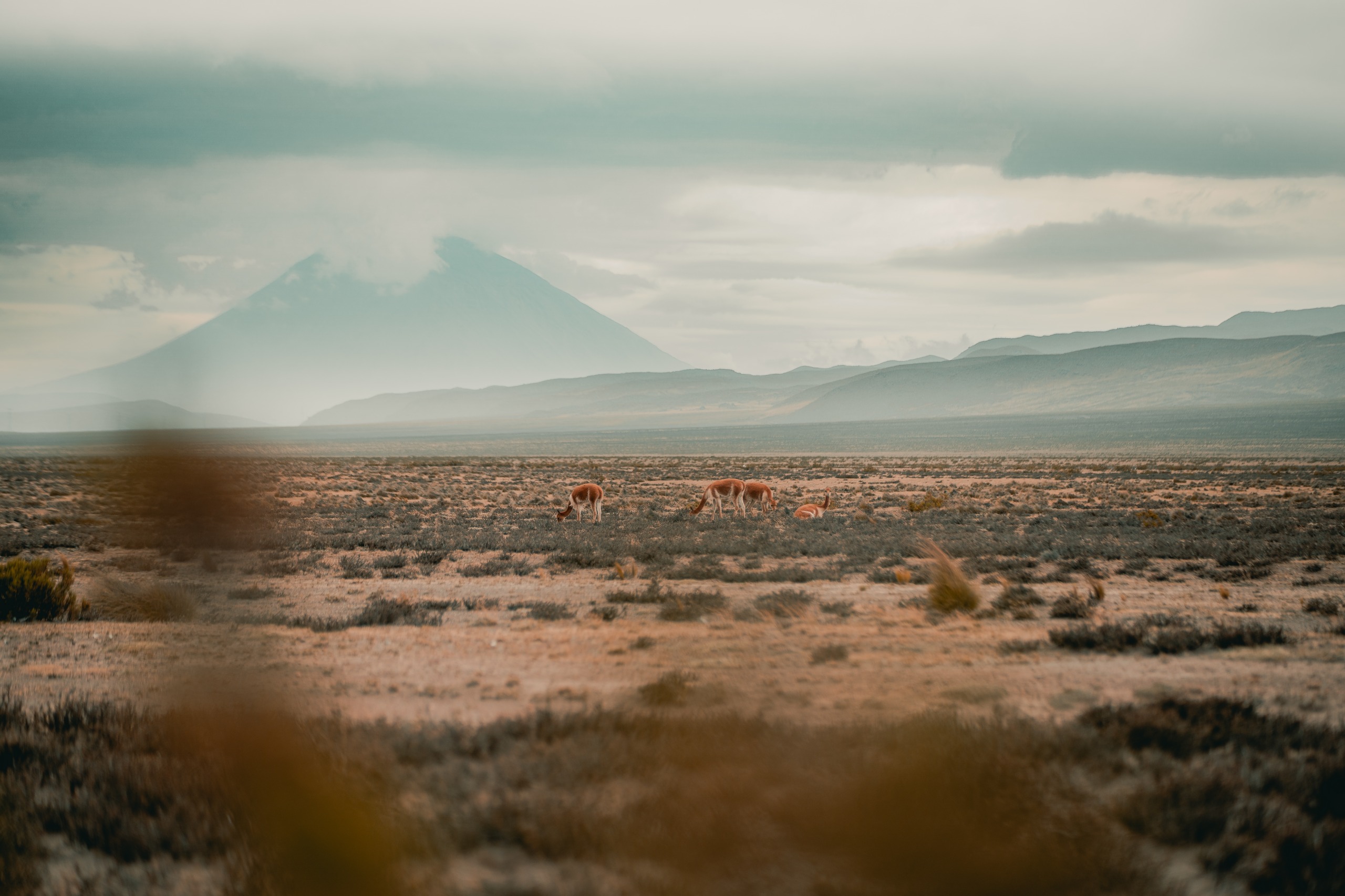
Several thousand vicuñas live in the wild in the reserve's pampa, unlike llamas and alpacas, which were domesticated long ago. They're easily spotted along the road in small herds. The Cañahuas sector, to the north, is one of the most favorable areas for observation.
Salinas and Del Indio lagoons are among the rare sites in South America where three flamingo species coexist: the Andean flamingo, the Chilean flamingo and James's flamingo. They feed in shallow waters by filtering phytoplankton, alongside Andean avocets and other wading birds.
The chakku ceremony
Between April and June, the Cañahuas tambo hosts the annual chakku ceremony, the traditional shearing of vicuñas. Local communities drive the animals into large canvas enclosures, harvest their fleece by hand, then release them. This regulated practice allows residents to earn income from vicuña fiber while preserving the species. Attending requires advance research into exact dates through the Arequipa tourism office.
The Sumbay caves
About 80 km from Arequipa, behind the Misti volcano, the Sumbay rock shelter houses more than 500 rock paintings made with red ochre. Dated between 6,000 and 8,000 years old, these drawings depict Andean camelids (vicuñas, guanacos), felines, cervids and hunting scenes. The site is one of the most important collections of parietal art in southern Peru.
Volcanoes and viewpoints
The reserve is framed by several volcanic peaks. Misti (5,822 m) and Chachani (6,057 m), close to Arequipa, attract acclimatized hikers and mountaineers. Further west, Coropuna rises to 6,425 m and retains a pre-Columbian sanctuary at its summit. For those who don't climb, the Patapampa pass, located on the road to Chivay, offers a clear panorama of the altiplano and volcanic range.
High-altitude flora
Vegetation reflects the puna's extreme conditions. Tufted fescues, yaretas (compact green cushions that grow very slowly) and polylepis, the reserve's only woody species, forming small groves in sheltered valleys, are found here.
When to go
The dry season, from April to December, is the recommended period to visit the reserve. The sky is clear, trails passable and volcanoes well visible. From January to March, rains make certain access points difficult and obscure panoramas. Temperatures remain cool year-round, with significant swings between day and night; pack warm clothing regardless of season.
How to get there
The reserve has two main entrances. To the north, the Cañahuas control post is on the Arequipa-Chivay road, about 3 hours' drive from Arequipa. To the south, the Salinas Huito entrance leads more directly to Salinas lagoon, allow about 3.5 hours from Arequipa.
Access by public bus is possible but impractical for exploring inside the reserve. Renting a 4x4 vehicle or booking a guided excursion from Arequipa remain the simplest options, especially since mobile coverage is very limited in several sectors.
Practical information
- Free access, reserve open 24/7
- Acclimatization recommended: spend at least 2 to 3 days in Arequipa before heading to altitude
- Bring water, snacks and fuel: few services inside the reserve
- Sunscreen and sunglasses essential, UV radiation is very strong above 4,000 m
- No formal accommodation in the reserve, stay in Arequipa, Chivay or villages in the Colca
Nearby
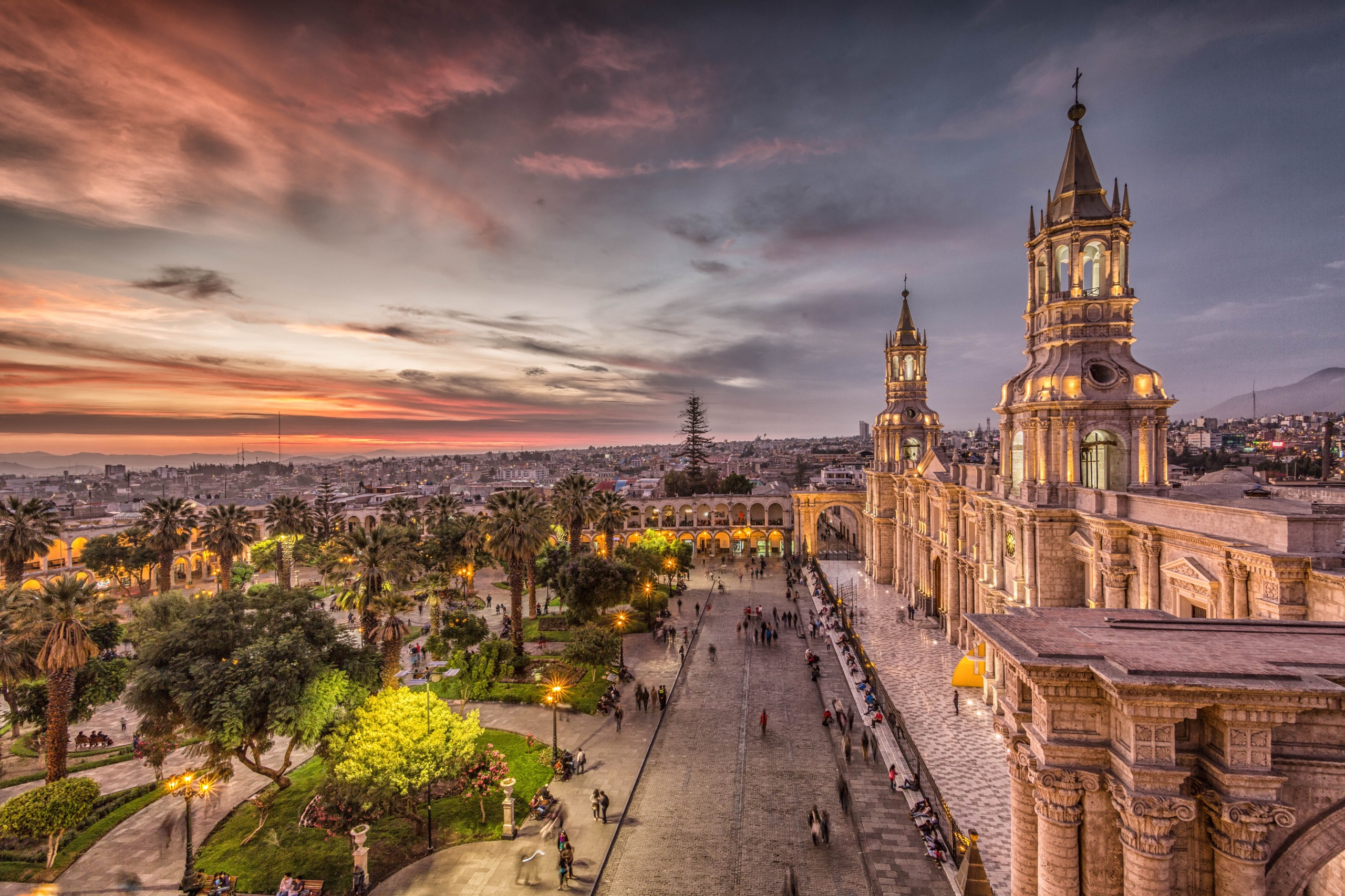
Salinas y Aguada Blanca naturally fits into a larger circuit around Arequipa and southern Andes. The city of Arequipa itself deserves several days for its colonial center and Santa Catalina monastery. Beyond Patapampa pass, Colca Canyon is one of the world's deepest and allows condor observation. Further southeast, Tinajani Canyon offers spectacular rock formations in the Puno region. To continue toward Cusco, consider stops at Tambomachay, the Rainbow Mountain of Vinicunca or the village of Yucay, in the Sacred Valley.
Frequently asked questions
Frequently asked questions
No, access to Salinas y Aguada Blanca is free. The reserve is crossed by public roads and remains open 24/7.
A full day from Arequipa allows you to see vicuñas, Patapampa pass and reach the Colca. To include Sumbay caves and Salinas lagoon, plan for two days instead.
Yes, the reserve lies between 2,800 and 6,000 m, and most points of interest are above 4,000 m. Acclimatization of two to three days in Arequipa (2,335 m) is strongly advised before climbing.
Yes, chakku takes place each year between April and June at the Cañahuas tambo. Exact dates vary; check with the Arequipa tourism office or a local agency.
Arequipa is the logical starting point. To combine the reserve with Colca Canyon, Chivay is a convenient stop for an overnight stay before continuing exploration.
Prepare your trip
Salinas y Aguada Blanca fits easily into an itinerary combining Arequipa, the Colca and the road to Lake Titicaca or Cusco. To build a custom itinerary including this reserve, consult our Peru travel ideas.
Interested in this visit?
We can include it in your personalised itinerary.