The Provence of Lamas
The Provence of Lamas
Just 22 km from Tarapoto, Lamas concentrates Lamista Quechua culture, a three-tiered city, an unusual castle and multicolored frescoes in the heart of the Peruvian Amazon.
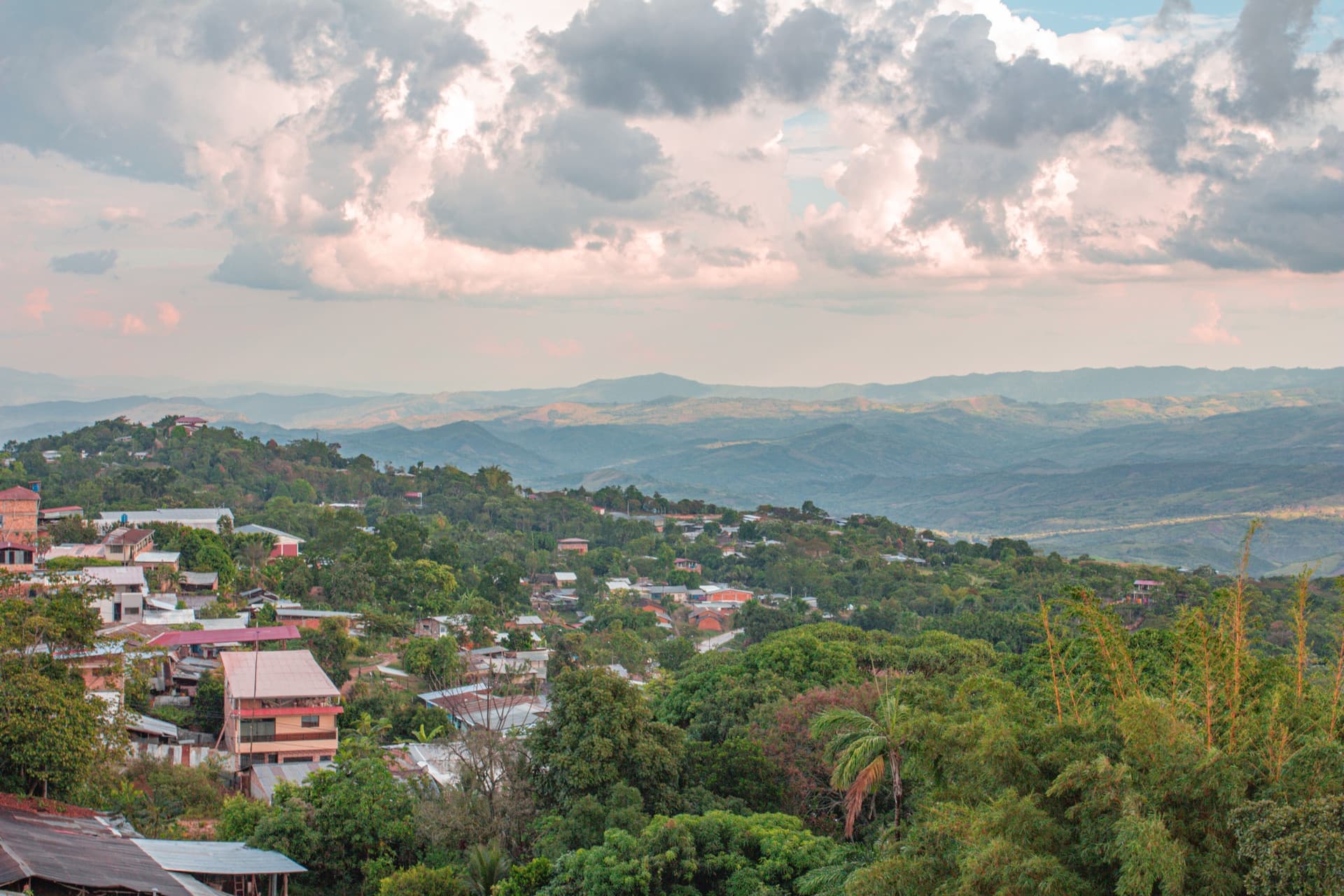
Located approximately 22 kilometers from Tarapoto, in the San Martin region in northern Pérou, Lamas is a picturesque village nestled on the foothills of the eastern Andes. Known for its cultural wealth, indigenous traditions and colonial architecture, this destination offers an authentic and fascinating experience for travelers seeking discovery off the beaten path.
History
According to legend and certain archaeological studies, the village of Lamas was invaded twice. The first invasion was orchestrated by the Pocras and the Hanan Chancas group. After their defeat at the hands of the armies of Inca Pachacutec at the Battle of Yahuarpampa in 1438, they abandoned their native lands, such as Ayacucho. Indeed, they took refuge in the forest. Along the way, they discovered a hill favorable to their settlement, today known as Lamas. It is important to note that this locality was already inhabited by a local indigenous group. Ankoallo, leader of the Pocras, is considered the founder of Lamas.
Moreover, Lamas is one of the oldest villages in the San Martin region. Its history is deeply marked by the coexistence and interaction between indigenous and colonial cultures. This locality served as a point of contact between Spanish conquistadors and indigenous peoples.
Culture and Traditions
Lamas is famous for its rich cultural traditions that manifest themselves through its festivals, dances and crafts. Lamas is also known as the "folkloric capital of the Peruvian Amazon." The most emblematic festival is the Fiesta de Santa Rosa, celebrated each year in August. During this celebration, the streets of Lamas come alive with traditional dances, colorful costume parades and religious ceremonies. Furthermore, visitors can visit the local museum Chankay y de la Diversidad Lamista to learn more about the origins of this celebration and discover other Andean customs and traditions.
The inhabitants of Lamas, called Lamistas, are proud of their cultural heritage and keep many ancestral customs alive. The Quechua language is still widely spoken. Artisanal traditions such as pottery, weaving and mask-making are passed down from generation to generation. Local markets are perfect places to discover and purchase these unique handcrafted items.
Architecture and Landscapes
Lamas is often nicknamed the "three-tiered city" because of its distinctive geographic structure. It is indeed divided into three main levels:
- The lower section
- The middle section
- The upper section.
Legend has it that residents of the first level were originally from the south (the Chancas or indigenous peoples), those of the second level were mixed-race. The last was used as a lookout point.
The Plaza de Armas, located in the middle section, is the heart of the village. It is surrounded by well-preserved colonial buildings. One can mention, for example, the Church of Lamas, an emblematic religious building dating from the 17th century. Cobbled streets and colorful houses add to the charm of this main plaza.
Moving up toward the upper section of Lamas, visitors can explore the indigenous neighborhood of Wayku, where the Quechua Lamistas live. This neighborhood offers a fascinating glimpse into the daily life of indigenous inhabitants and their cultural traditions. The panoramic views of the valley and surrounding tropical forest from the heights of the city are breathtaking.
Lamas, the Mural City
Local authorities launched the "Lamas, Mural City" project with the aim of beautifying the village. Another objective is to preserve and share the history and culture of the Lamistas with the local community and visitors. To these ends, local and international artists were invited to create stunning multicolored frescoes along the main streets. The integration of urban art aims to enhance the tourist experience by representing the ecosystem and traditions of the village through these murals. A QR code allows visitors to learn more about these works and listen to audio recordings in Quechua, English and Spanish.
Local Gastronomy
The gastronomy of Lamas is a delicious combination of indigenous and Spanish flavors. Traditional meals include juane, a dish made with rice, chicken and spices, wrapped in bijao leaves and steamed. Tacacho con cecina, a dish of fried plantain bananas accompanied by dried meat, is also very popular.
Local markets and small restaurants in Lamas offer a variety of typical dishes prepared with local ingredients. Sampling local cuisine is an essential part of the cultural experience in Lamas.
Lamas is easily accessible from the city of Tarapoto, which has an airport with regular flights from Lima. From Tarapoto, it takes approximately one hour by road to reach the village of Lamas. The journey itself is a picturesque adventure, offering magnificent views of the tropical forest and surrounding mountains.
Activities and Attractions
Surrounded by lush tropical forests and verdant mountains, Lamas is an ideal destination for nature lovers and ecotourism enthusiasts. The region offers a multitude of outdoor activities such as:
- Hiking
- Bird watching
- Visiting parks, waterfalls, and local attractions.
Parque Nacional Cordillera Azul
The Parque Nacional Cordillera Azul, located near Lamas, is a true paradise for nature lovers. This national park is home to exceptional biodiversity, with endemic plant and animal species. Hiking trails allow visitors to explore tropical forests, rivers and mountains, while discovering the ecological wealth of the region.
Chapawanki Waterfall
The Chapawanki waterfall is another unmissable natural attraction near Lamas. It is surrounded by lush vegetation. It is an ideal place to relax and cool off after a hike. The natural pools at the foot of the waterfall offer an excellent opportunity for swimming.
Lamas Medieval Castle
The castle found in Lamas has no medieval authenticity. It is the work of a wealthy Italian, Mr. Nicola Felice. In 2006, he realized his dream and still resides in part of the castle. Established in the San Martin region for his work in the tobacco industry, he fell in love with the Lamas hill, which reminded him of Europe. Thus, he decided to build a medieval-style castle there using hand-carved local stones. Built over five levels, each floor offers breathtaking views of the Rio Mayo valley. According to Mr. Felice, this building symbolizes the meeting between European and indigenous American worlds. After its construction, the castle remained completely private. However, in 2007, part of the building was opened to the public.
Moreover, the interior of the castle is adorned with paintings from Pompeii and copies of medieval paintings. These frescoes were created by Geenss Archentti Flores, an artist from the region. Among the paintings, one can see Renaissance figures such as Dante Alighieri, as well as numerous religious paintings. One of the ceilings is decorated with reproductions of 195 birds visible in the region with their names. The painting depicting the meeting of the first Inca Atahualpa with the conquistadors also attracts visitors' attention. Finally, colorful stained glass windows installed in various parts of the castle reflect splendid colors inside. Medieval-style furniture has also been installed in the lounges.
Want to discover this destination?
Our local advisors design your tailor-made trip.