Peru's Best Archaeological Sites: Discover the History of Its Great Civilizations
From the Incas to the Moche, via the Chimú, Chachapoya, and Chavin civilizations… We take you on the trail of the great civilizations that shaped Peru's history and continue to captivate the entire world
From the Incas to the Moche, via the Chimú, Chachapoya, and Chavin civilizations… We take you on the trail of the great civilizations that shaped Peru's history and continue to captivate the entire world. Discover the best archaeological sites you must see on a trip to Peru!
1. Machu Picchu
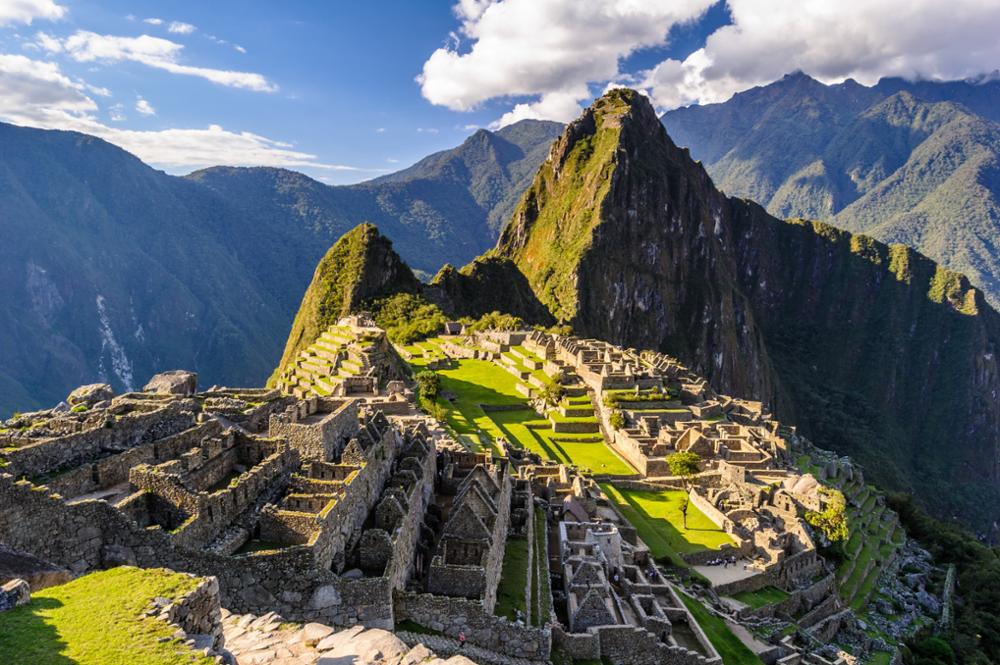
It's impossible to talk about Peru's great civilizations without mentioning the famous Machu Picchu. The most famous Inca symbol in the world, it continues to captivate the entire globe! At 2,430 meters (7,970 feet) in altitude, it stands as a major achievement of Inca architecture. Built in 1450 and abandoned just 100 years later, the ruins remained hidden from the world until 1911. One thing is certain: it's the perfect place to discover the history of the Inca people while enjoying a view and panorama that takes your breath away!
Important note: to protect the site, authorities have enforced a daily visitor quota since January 1st, 2019. It is therefore essential to book your tickets in advance! Your English-speaking travel agency handles ticket reservations for your Machu Picchu tours.
2. Cusco and the Sacred Valley of the Incas
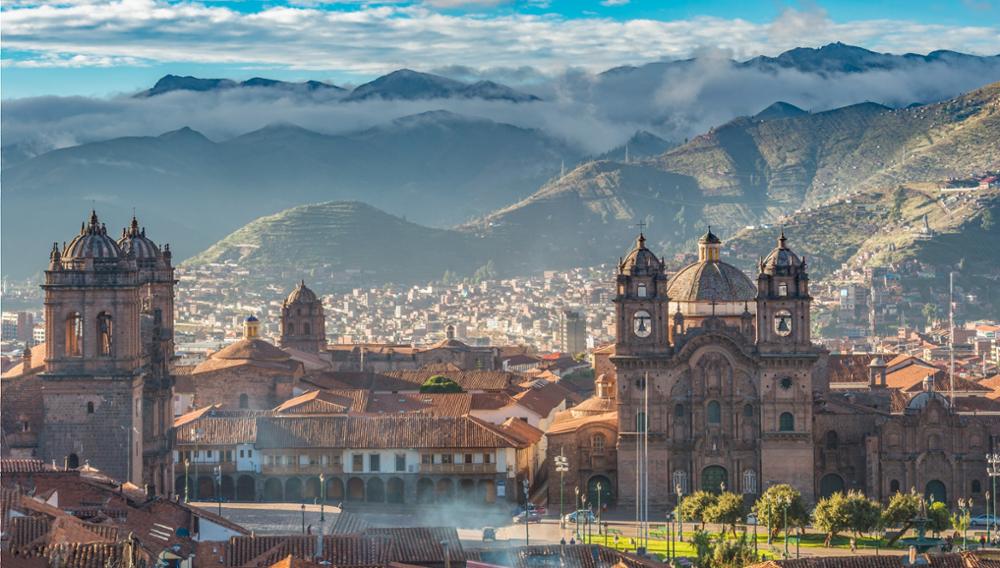
Still following in the footsteps of the Inca people, head to Cusco and the Sacred Valley of the Incas! The country's second major archaeological site, this region is home to numerous Inca remains that you must discover on a Peru trip. Among the most impressive, we can highlight:
- The city of Cusco: the former capital of the Inca Empire in the 11th century, you can observe the original walls and stroll through its charming narrow streets.
- The Ollantaytambo fortress: located on a hillside, at 2,792 meters altitude, it still features beautiful remains such as the temple with ten niches, agricultural terraces, and ancient storehouses meant to preserve harvests…
- The Pisac citadel: also built on a mountainside, it holds genuine Inca treasures like the hot springs and Intiwatana temples or the Qallaq'asa ruins, not to mention the agricultural terraces on the steep mountain slopes, which Peruvians still use today!
- The Moray terraces: renowned for its salt ponds, the village of Maras and its surroundings were long an agricultural research center. The Incas developed terraced salt cultivation on the mountainside and created an exceptionally sophisticated irrigation system. A construction all the more spectacular for its time…
3. The Remains of Trujillo
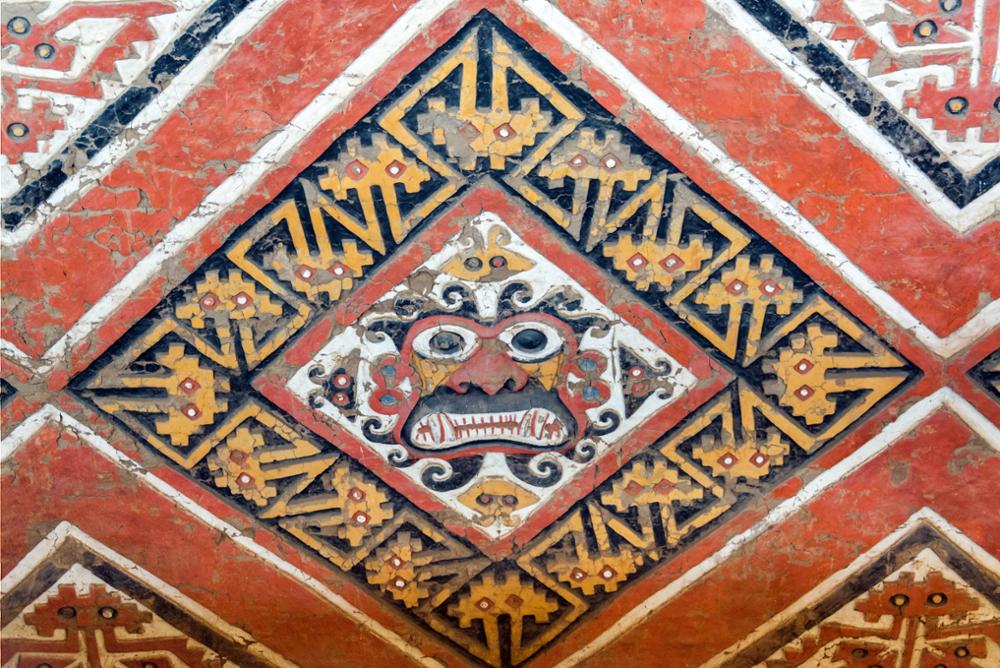
Former capital of the pre-Inca civilization, the city of Trujillo is a must-visit to learn more about the Moche. And for good reason: it was in this region that this civilization settled between 100 and 700 AD, making it their administrative and religious center! Today, you can still admire their architectural and artistic work with its many mysteries. Discover the major structures of the Moche and their majestic well-preserved murals: the Huaca de la Luna and the Huaca del Sol.
4. The Mud City of Chan Chan
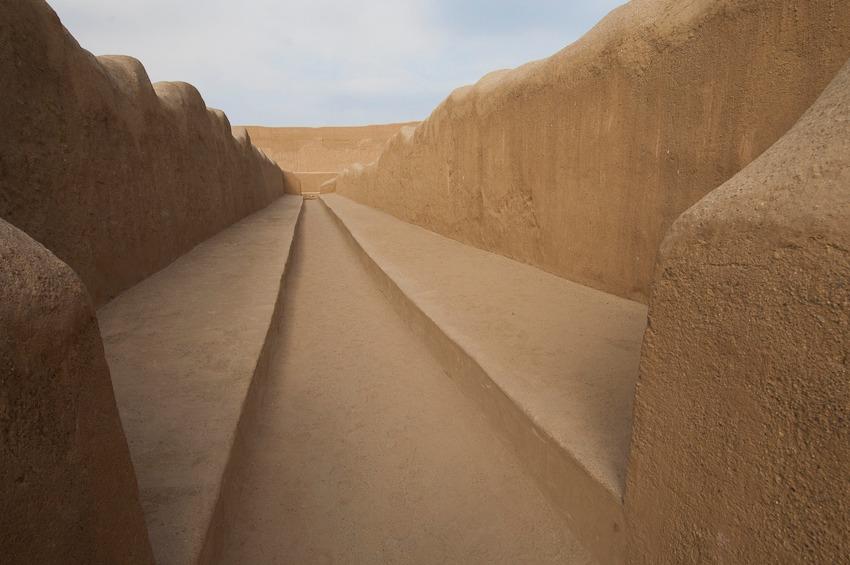
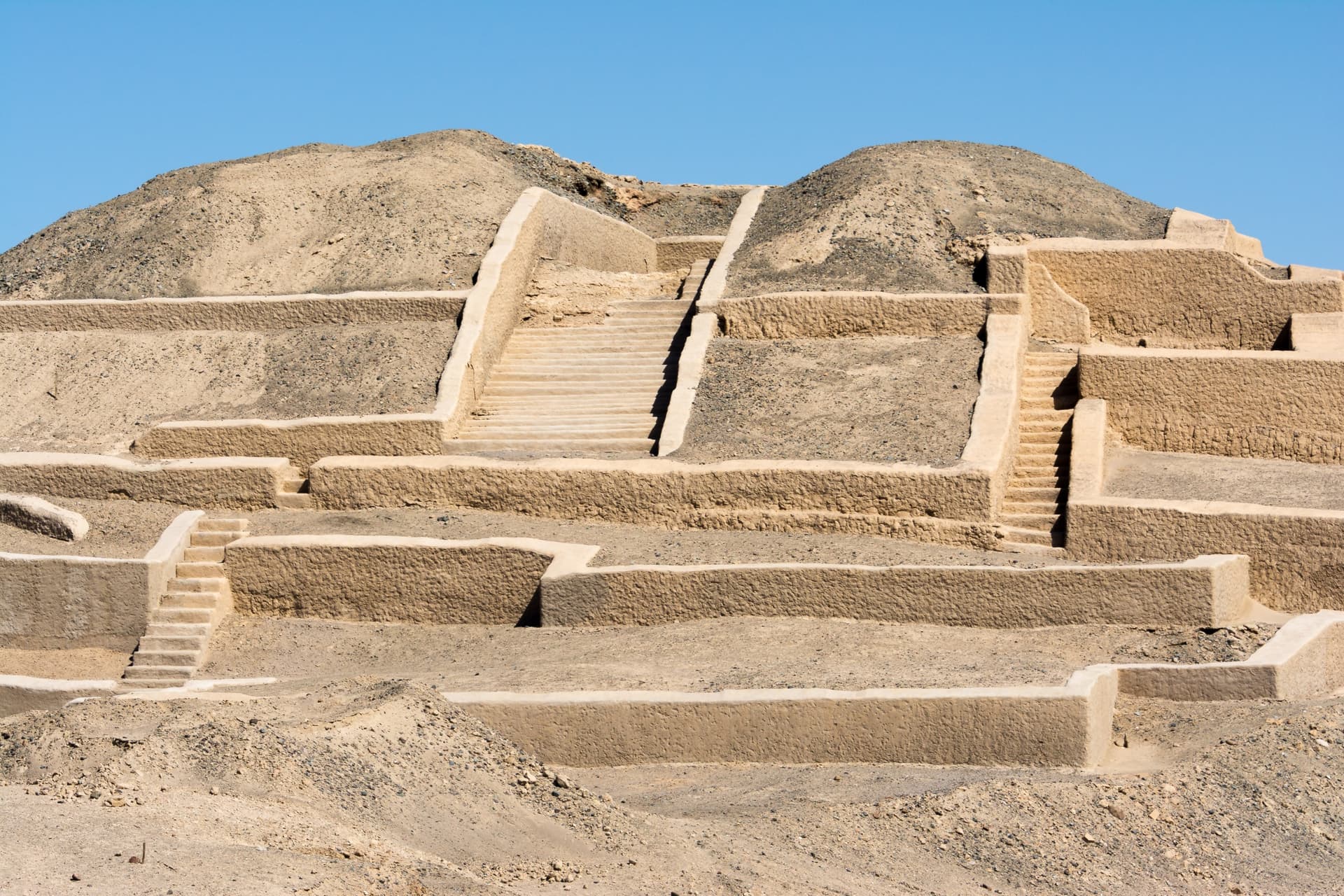
After the Moche civilization came the Chimú, who dominated Peru's Pacific region from 900 until 1470. The city of Chan Chan was the largest city of the pre-Columbian era in South America. The ancient Chimú city is located in an unexpected setting, sitting in the middle of the desert. It's a mud city built of adobe that stretches across 20 square kilometers. This design would have helped protect it from the numerous earthquakes.
5. The Fortified City of Kuelap
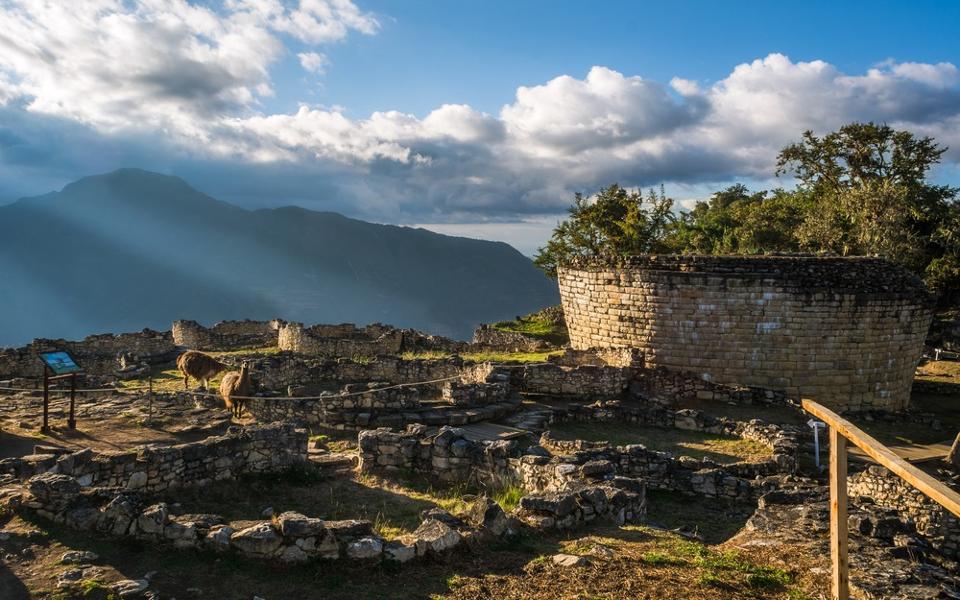
Travel back in time at the fortified city of Kuelap. The Chachapoya would have built it between 500 and 800 AD. Kuelap sits at 3,200 meters altitude atop the peaks of Peru's Amazon Andes. Its architecture remains a mystery to many. This earned it recognition as one of the Seven Wonders of Peru in 2008! You can see the stone foundations of ancient circular houses as well as the remains of the walls that surrounded the city.
6. Karajia
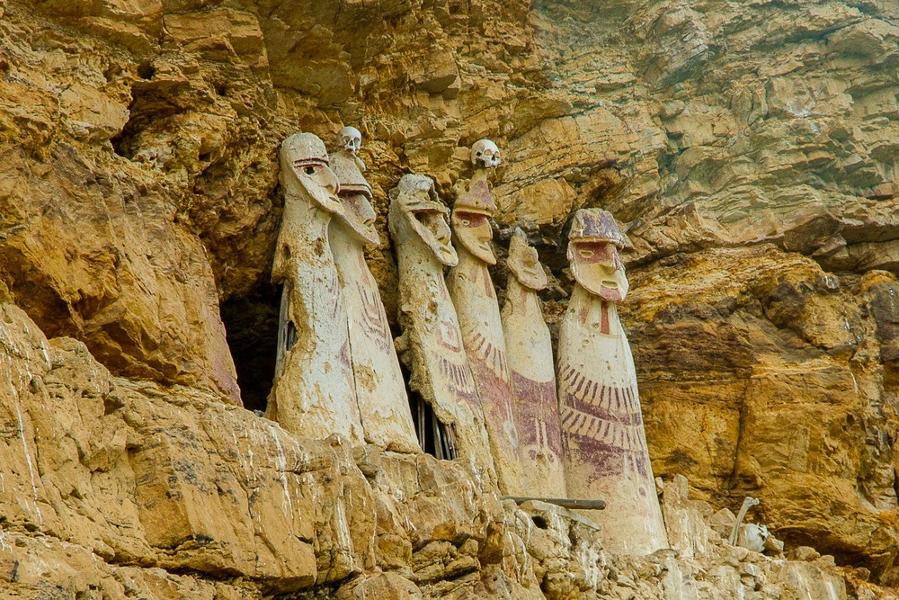
Still in the same region, in northern Pérou, lies the Karajia archaeological site (or Carajia) where the Chachapoya built a truly unconventional cemetery... In a difficult-to-access location, the most important individuals of the Chachapoya civilization were mummified before being hidden in sarcophagi made of earth and stone on cliff faces. To this day, we still wonder how they managed to reach them…
7. Chavin de Huantar
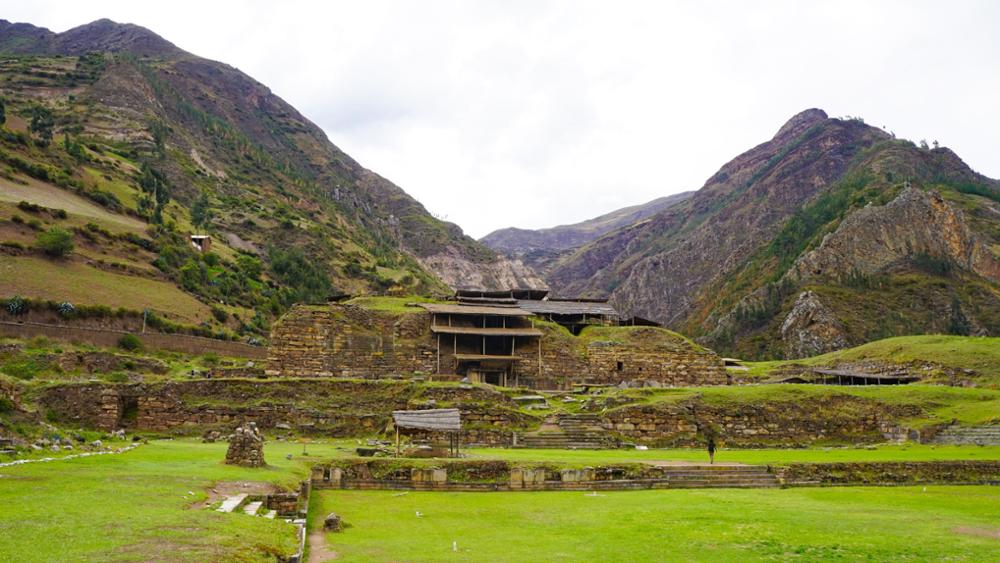
We finish with another and older pre-Inca civilization, that of the Chavin. They lived from 1000 to 2000 BC in the heart of the Andes. The most important archaeological site is that of the Chavin de Huantar temple. Still well preserved, it's said that whispers can still be heard echoing through the site's galleries… These sounds and sound effects were said to impress visitors, whom the Chavin gave hallucinogenic substances to convince them of the power of their deities. In reality, this comes from the configuration of the place. One thing is certain: it's an ideal place to travel back in time in a mystical atmosphere beyond compare!
Florine Dergelet