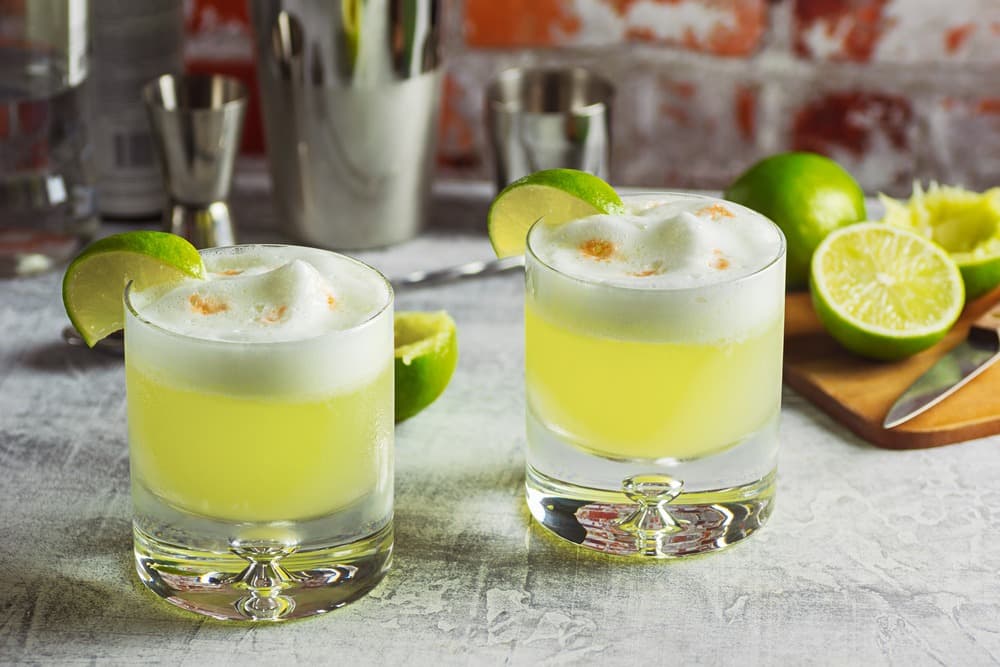
Pisco: Peru's national spirit to taste on your next visit
Just like wine in France, Pisco is Peru's emblematic alcoholic beverage. It is a grape-based spirit that takes its name from a region of Peru. Origins, characteristics, aromas...
Just like wine in France, Pisco is the emblematic alcoholic beverage of Peru. It is a grape-based spirit that takes its name from a region of Peru. Origins, characteristics, aromas, tasting venues… We share all you need to know about this iconic spirit you absolutely must try on your next trip to Peru!
Pisco: A point of contention between Peruvians and Chileans
Pisco is an alcoholic beverage that is the subject of a dispute between Peru and Chile. Indeed, both countries claim Pisco as their national spirit and each asserts exclusive right to the term. This is why the Pisco found in Chile does not have the same production standards as that from Peru, which sets them apart in one way or another. In Europe, for example, people drink primarily Pisco of Peruvian origin. Chilean Pisco is known under a different name. Only Mexico and Canada use the term Pisco to describe Pisco of Chilean origin.
In any case, Pisco is Peru's national spirit, which earned it the designation as part of Peru's national cultural heritage in 2007. In Peru, the origin of the word Pisco comes from an area of the same name. The spirit was exported from the port of Pisco during the time of the Conquistadors. The grape varieties brought by the Spanish were initially intended to be made into wine before being distilled into spirits as we know them today. The term also refers to the potters who made jars in which alcoholic beverages like Pisco and Chicha (another emblematic Peruvian spirit) were fermented. Finally, Pisscu is also the Quechua translation for "small bird."
The characteristics of Pisco
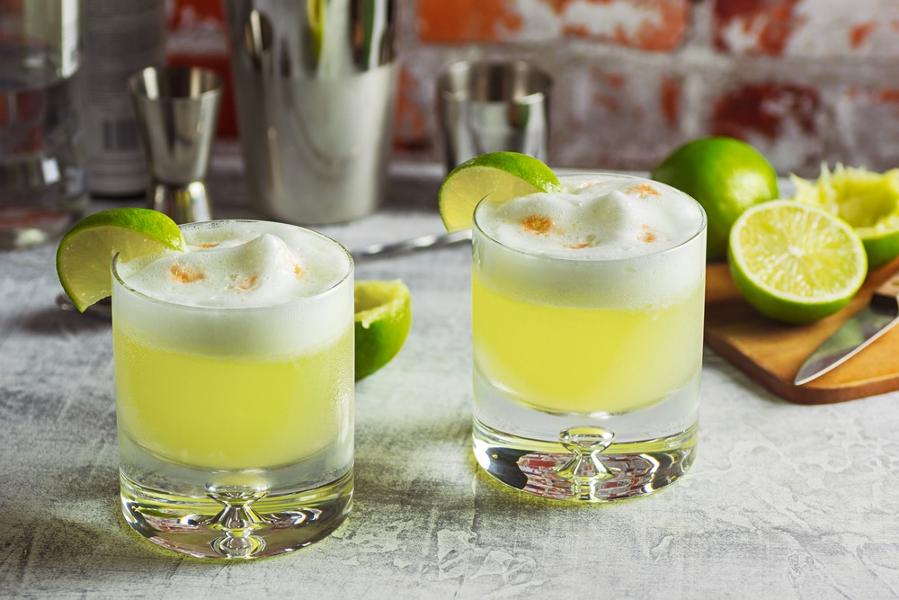
As you've gathered, Pisco is a grape spirit. It is obtained by distillation of fresh grape must through alembics. The process is no simple feat, as it takes no less than 7 kilograms of wine to produce 1 liter of Pisco. Regulations stipulate that its alcohol content must be between 38 and 48 percent, though the most appreciated varieties typically hover around 42 percent. To make Pisco, only 8 grape varieties are permitted: Italia, Moscatel, Albilla, Torontel, Uvina, Quebranta, Negra criolla, and Mollar.
Regarding its flavors, you can distinguish 3 types of Pisco depending on the grape varieties used and their fermentation process:
- Pisco puro: this indicates that the Pisco is made from a single grape variety. In this case, the producer can name the grape variety on the label.
- Pisco mosto verde: this one has not undergone complete fermentation; it is obtained through the distillation of fresh must.
- Pisco acholado: this type of Pisco contains several grape varieties, which gives it multiple cépages.
Where to taste Pisco?

Pisco is produced in several regions of Peru. Most are located in the country's wine-producing regions such as Lima, Moquegua, or in the valleys of Sama and Locumba. The best thing to do if you wish to taste traditional Pisco is to visit one of the country's bodegas! You can tour the estates, learn about the production process, and taste one of the famous Piscos made on site.
Another alternative: You can also take part in a tasting course at the Museo del Pisco (or even in certain restaurants). Otherwise, you can always find it at a bar where you can enjoy the most famous Pisco-based cocktail: the Pisco Sour.
And if you're in Peru on the first Saturday of February or the fourth Sunday of July, don't miss the Pisco Sour Day and the National Pisco Day with entertainment, tastings, and great atmosphere guaranteed!
Florine Dergelet