Peruvian Amazon Region
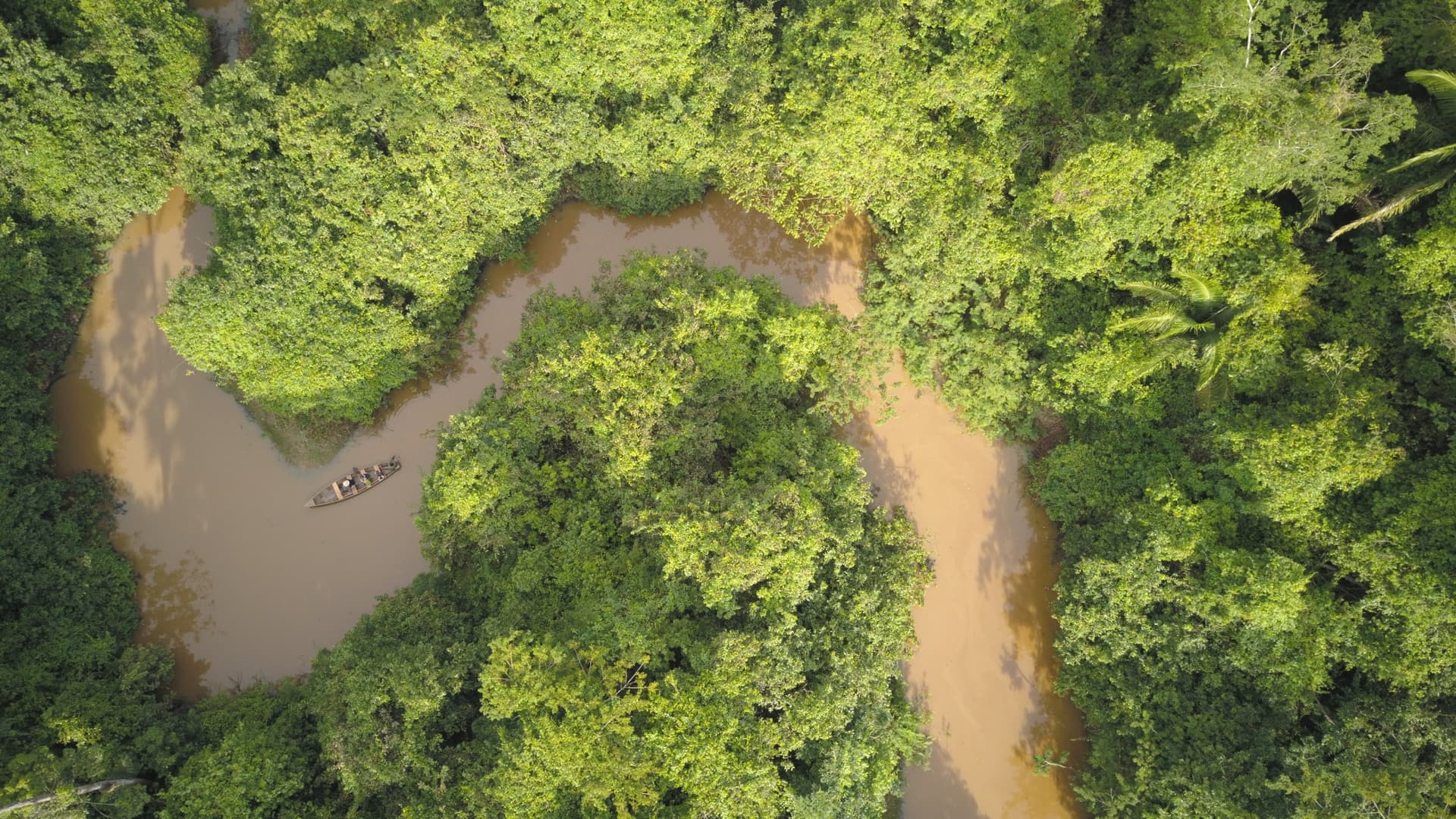
Spanning vast stretches of tropical jungle, Peru's Amazon region is one of the most biodiverse and culturally rich areas of Pérou. Indeed, more than 60% of Peruvian territory is occupied by dense forest, revealing countless landscapes, diverse ecosystems and several indigenous communities.
Spanning vast stretches of tropical jungle, Peru's Amazon region is one of the most biodiverse and culturally rich areas of Pérou. Indeed, more than 60% of Peruvian territory is occupied by dense forest, revealing countless landscapes, diverse ecosystems and several indigenous communities. A journey through Peru's Amazon region is an immersive experience for visitors seeking adventure and discovery.
Climate
Peru's Amazon region extends across several departments, namely San Martin, Madre de Dios, Ucayali, and Loreto. It is distinguished by its tropical climate with high temperatures and elevated humidity throughout the year. There are two main seasons in this part of Pérou:
- The rainy season from November to April
- The dry season from May to October.
Some areas are inaccessible during the rainy season. However, this is also the period when the jungle is most vibrant and lush.
Biodiversity
Peru's Amazon is one of the regions with the greatest variety of fauna and flora in the world. Discoveries include:
- More than 1,400 mammal species
- 1,300 bird species
- 300 reptile species
- 1,800 fish species
- 480 tree species
- 2,500 plant species.
Among the emblematic animals of the region are:
- Toucans
- Sloths
- Monkeys
- Anacondas
- Jaguars
- Caimans
Nature Reserves and National Parks
Peru's Amazon region is protected by numerous nature reserves and several national parks. This helps preserve its unique ecosystems. Here are some of the most well-known parks and reserves:
Tambopata Reserve
Located in the Madre de Dios department, this park attracts visitors for the many mammal and bird species it harbors. On an excursion, you can observe, for example, giant otters, also known as "river wolves." Bird enthusiasts will also be impressed by colorful parrots feeding on clay walls called collpas. Other animals such as caimans, wading birds, kingfishers and various fish species are always impressive.
Pacaya-Samiria National Reserve
Pacaya-Samiria is Pérou's largest reserve, spanning approximately 2,080,000 hectares. It is known for its lagoons and freshwater lakes, lush vegetation and diverse fauna. Nature lovers will be delighted exploring pink river dolphins, tapirs, manatees, and various bird species.
Manú National Park
This is a UNESCO World Heritage site covering vast stretches of savanna, mountain and lowland forests. Manú National Park hosts impressive biodiversity. An excursion offers the chance to spot several species of reptiles, mammals, birds, fish, and various plant varieties.
Culture and Indigenous Communities
Peru's Amazon region is also rich in human culture. More than twenty indigenous communities live here in harmony with nature for centuries. These local populations possess deep knowledge of the jungle and its resources.
Among the most notable ethnic groups are:
- The Yaguas
- The Amahuacas
- The Shipibo-Conibo
- The Yaminahuas
- The Asháninka
- The Boras
These indigenous communities offer a unique perspective on jungle life. They willingly share their traditional medicine, craftsmanship and ancestral traditions with travelers. Visits to these populations allow tourists to understand their way of life and their symbiotic relationship with nature.
Places and Sites to Explore
There are many places and sites worth visiting in Peru's Amazon region. Here are some examples of must-see destinations:
Iquitos
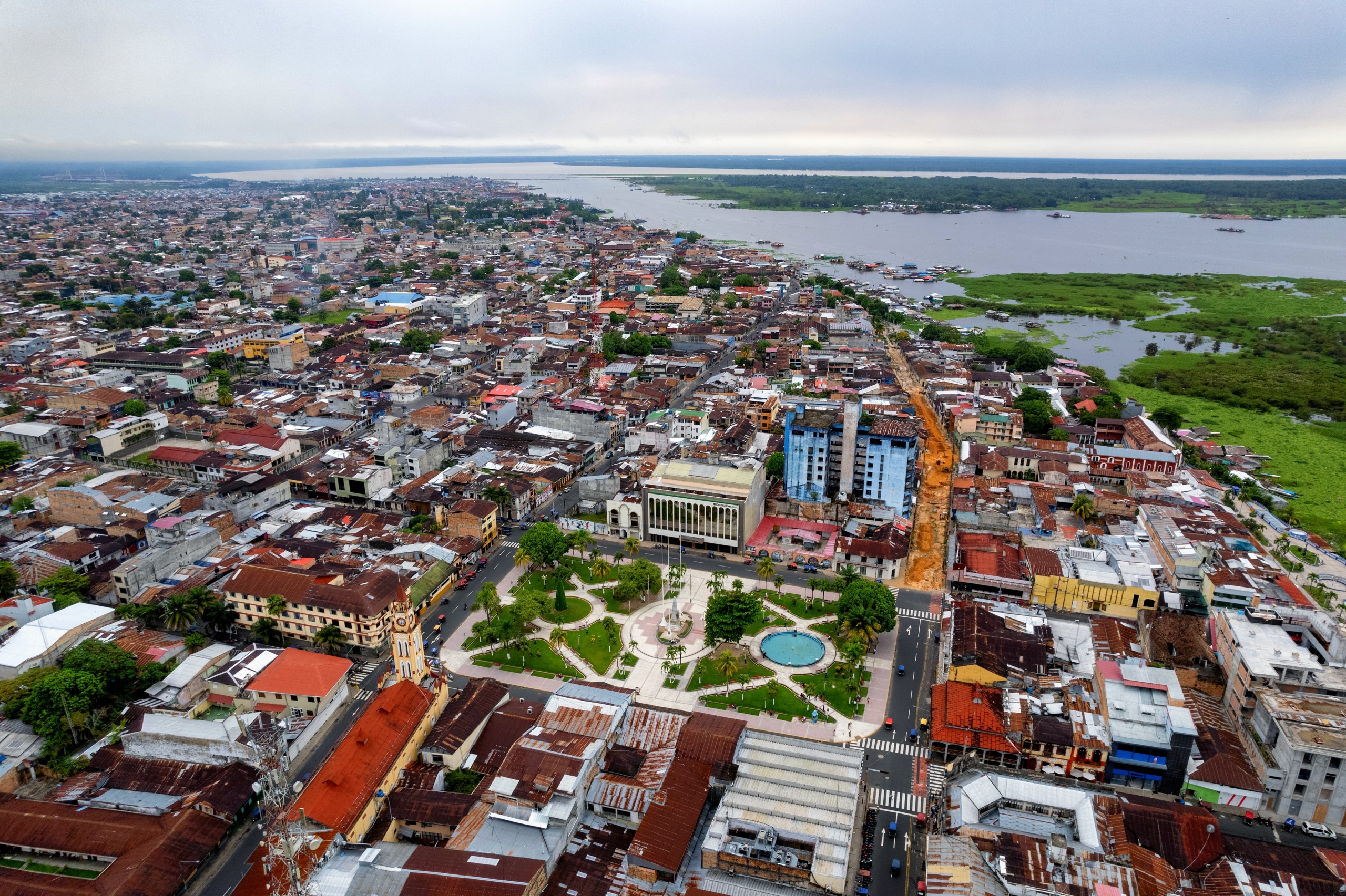
Iquitos is a departure point for excursions into the Amazon forests. It is also the main city in the region. There are many points of interest such as the market in the Belén quarter, the Plaza de Armas with its colonial architecture. A stay in this city is also an opportunity to visit local restaurants to taste traditional dishes such as fried crocodile or turtle eggs.
Tarapoto
The city of Tarapoto is distinguished by the many Taraputo palm trees found there. Several natural sites are worth seeing nearby such as:
- Lakes Lindo and Sauce
- Lagoons Limoncocha and Venecia América
- Waterfalls Huacamaillo, Mamonaquihua and Ahuashiyacu.
Timicuro Island
Also known as Monkey Island, Timicuro is famous for harboring multiple species of endangered monkeys. These include:
- Howler monkeys
- Woolly monkeys
- Tamarins
- Pygmy marmosets
A trip to Timicuro Island is an opportunity to enjoy a beautiful walk between banana trees, palm trees and several exotic fruit trees.
Varied Activities
Visiting Peru's Amazon region is an adventure to experience. There are various activities for visitors who want to discover the jungle and its biodiversity.
Walking across suspended bridges above the Inkaterra canopy is an experience not to be missed. This activity allows you to enjoy breathtaking views of the jungle and admire the surrounding fauna and flora. With approximately 7 suspended bridges about thirty meters above the ground, the network of walkways allows you to traverse 2 observation towers.
Trekking through the jungle with an experienced guide is an opportunity to explore the forest trails. This allows you to see spectacular landscapes and various animals in their natural habitat. Night hikes organized by local agencies reveal another world. Indeed, it should be noted that at night, you can see certain animal species making curious sounds.
Boat trips on the Amazon River are another way to discover the region. With a bit of luck, you can see anacondas and other aquatic animals. It is also possible to practice piranha fishing. Furthermore, water sports enthusiasts can take a kayak or canoe trip on the Madre de Dios River to observe caimans.
Finally, apart from hikes or boat excursions, it is possible to go mountain biking in Puerto Maldonado. There are dirt trails passable in the Amazon jungle, but only during the dry season. Accompanied by a local guide, mountain biking enthusiasts can venture out to see the wonders of surrounding sites.