Manu National Park
Manu National Park
A UNESCO biosphere reserve and jewel of the Peruvian Amazon, Manu National Park is home to jaguars, macaws and indigenous peoples across 19,000 km² of pristine jungle.
Located in the Amazonian region, southeast of Pérou, Manu National Park, or Parque Nacional del Manú, is one of the world's most biodiverse ecosystems. This protected area spans approximately 19,098.06 km². Designated a UNESCO World Heritage Site, it is a sanctuary for countless plant and animal species. It is also a refuge for indigenous communities who have lived in harmony with nature for millennia. For travelers seeking an authentic adventure and complete immersion, Manu National Park is an attraction worth exploring.
History and Creation of the Park
Manu's history encompasses human settlement dating back to ancient times. This began during the Inca Empire era, when emperors Pachacútec and Túpac Yupanqui incorporated this region into their vast territory. Manu's conquest continued with the arrival of the Spanish following the fall of Cusco.
Moreover, Manu National Park was established in 1975 by the Peruvian government with the aim of protecting its rich biodiversity and the indigenous cultures living within it. In 1977, it was designated as a UNESCO Biosphere Reserve, then inscribed on the World Heritage list in 1987. This park encompasses several ecosystems, ranging from Amazon floodplains to the foothills of the Andes, offering an impressive array of natural habitats.
Furthermore, there are remnants of ancient cultures within Manu's biosphere reserve, such as the enigmatic Pusharo petroglyphs. These consist of several engravings whose origins and meanings remain largely unexplained.
Manu National Park is divided into three sectors:
- The core zone
- The reserved zone
- The buffer zone or cultural zone
Climate
Manu National Park features varied climates, including:
- Humid tropical climate on the plains
- Humid subtropical climate in cloud forests
- Temperate to cold climate at higher altitudes
Average temperatures range from 25 to 30°C on the plains to below 10°C in mountain zones. Rainfall is abundant, especially from November to April, with a dry season from May to October. High humidity fosters rich biodiversity. The best time to visit the park is the dry season, as roads and trails are more accessible and there are fewer mosquitoes.
Exceptional Biodiversity
Flora
Manu National Park is a true botanical paradise. It is home to more than 1,300 recorded plant and tree species. Among the most emblematic are:
- Rubber tree
- Cedar
- Walnut
- Kapok tree
- Palm
Vegetation in the park varies considerably depending on altitude. Cloud forests, situated between 1,500 and 3,000 meters above sea level, are rich in:
- Epiphytes
- Mosses
- Ferns
In contrast, lowland tropical forests are teeming with lianas and towering trees that form a dense canopy.
Fauna
The fauna of Manu National Park is equally impressive. With over 1,000 bird species, the most emblematic include:
- Peruvian cock-of-the-rock
- Military macaw
- Quetzal
- Harpy eagle
- Hummingbird
- Oropendolas
- Motmot, a type of owl
- King vulture
The park is also home to at least 200 mammal species, such as:
- Jaguar
- Baird's tapir
- Spectacled bear
- Spider monkey
- Capuchin monkey
- Tapir
- Capybara
- Oncilla
Insects and Reptiles
Insects and reptiles are equally abundant in the park. These include:
- Brightly colored butterflies
- Frogs of all sizes
- Snakes, some of which are venomous
- Caimans
Moreover, the diversity of insects also contributes to plant pollination and the maintenance of the ecosystem.
Indigenous Communities
Manu National Park is home to several indigenous communities, notably:
- The Matsigenka or Machiguenka
- The Yine
- The Kirinieri
- The Machco Piro
- The Yoras
- The Harakmbut
- The Nantis
These ethnic groups have inhabited the region for centuries, using traditional techniques for hunting, fishing and agriculture. They use medicinal plants to treat various ailments. However, it is important to note that throughout the park, signs prohibit visitors from making contact with indigenous communities. In cases where travelers have the opportunity to meet them, photographing them is forbidden, as these individuals might mistake the camera for a weapon.
To reach Manu National Park, travelers can choose from several options. Departing from Cusco, it is possible to take a bus or rent a four-wheel drive vehicle to Paucartambo, then continue to Pilcopata and Atalaya, located near the park. This route crosses the Andes and descends into the tropical forest. Alternatively, a domestic flight from Cusco to Boca Manu saves time. From there, a boat journey along the Madre de Dios or Manu rivers provides access to remote areas of the park. It is advisable to visit the site with an experienced guide or specialized agency to maximize safety and experience.
Activities
Manu National Park offers a range of activities for ecotourists and nature enthusiasts.
Birdwatching
Birdwatching is one of the most popular activities in the park. With unparalleled avian biodiversity, ornithologists can observe rare and endemic species in their natural habitat. Guided tours are often organized by local experts who know the best spots for bird viewing, ensuring an enriching experience.
Hiking and Exploration
Hikes through the jungle allow visitors to discover the richness of the park's flora and fauna. Experienced guides often accompany groups, sharing their knowledge of local ecosystems and ensuring visitor safety. Trails vary in difficulty, offering options for hikers of all levels.
Boat or Canoe Excursions
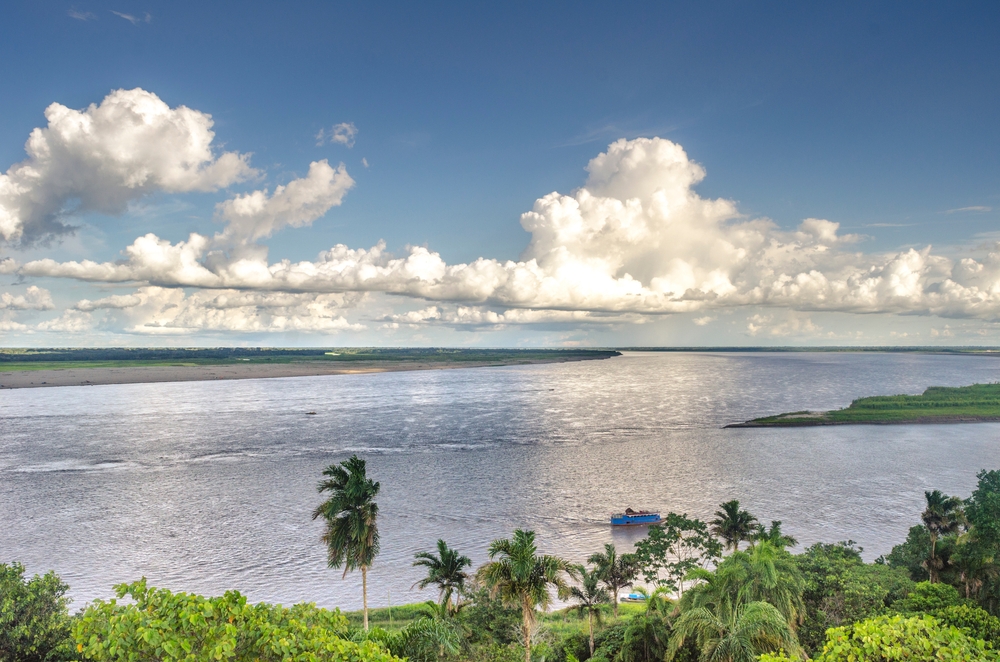
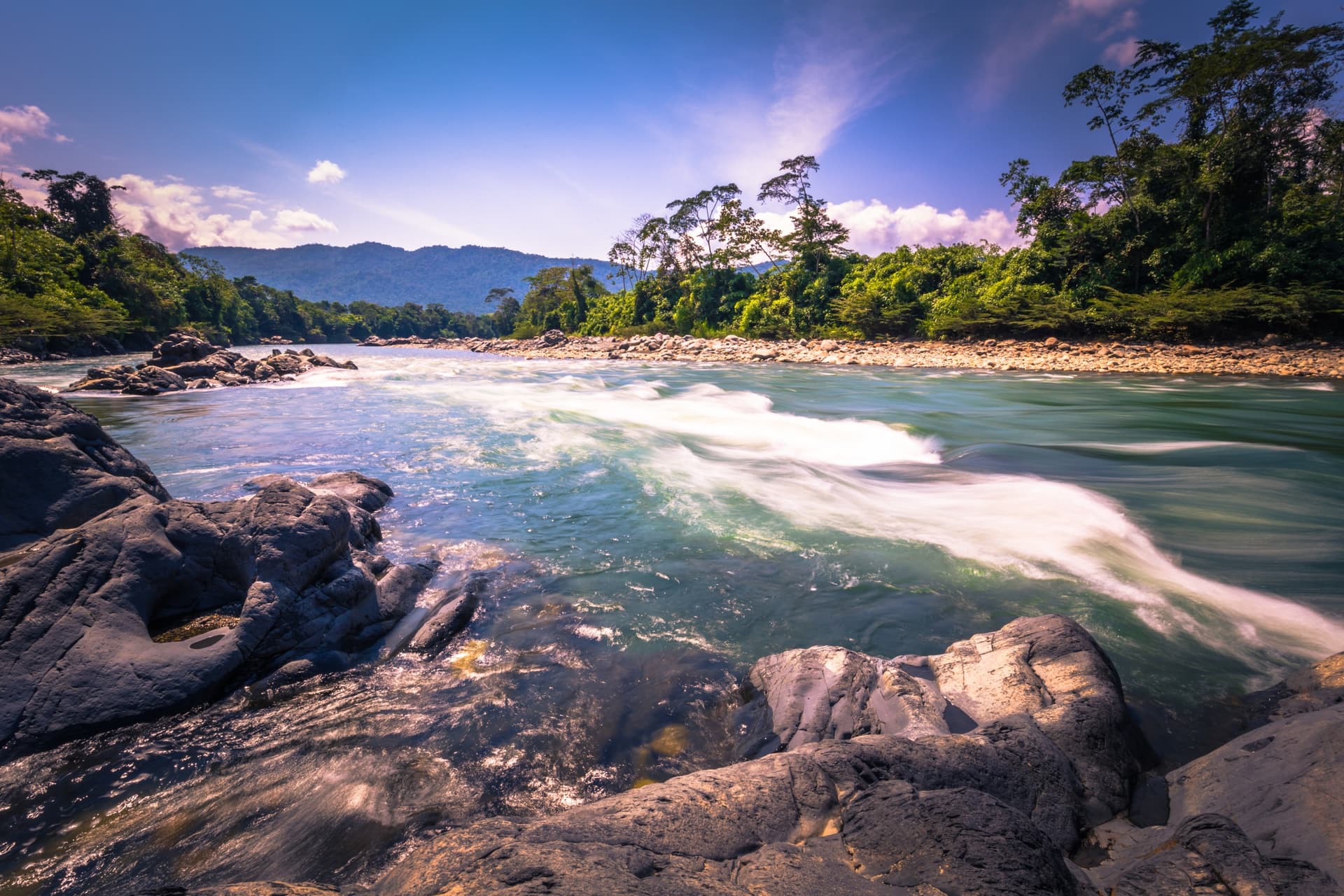
The rivers of Manu National Park, such as the Manu River and the Madre de Dios River, are perfect for boat or canoe excursions. These outings allow visitors to immerse themselves in the natural beauty of the park while observing wildlife from the water. These types of excursions also offer opportunities to observe aquatic animals such as giant otters and reptiles including caimans.
Manu National Park Today
Despite its natural wealth, Manu National Park faces several conservation challenges. Deforestation, illegal mining and climate change threaten this fragile ecosystem. To counter these dangers, various conservation efforts have been implemented. Indeed, park authorities, in collaboration with non-governmental organizations, work tirelessly to protect this unique biodiversity:
- Surveillance programs have been adopted. Tourism in the park is strictly regulated to minimize environmental impact
- Educational initiatives raise awareness among communities and visitors about the importance of conservation
- Scientific research is also essential, providing crucial data for the management and protection of biodiversity
Moreover, indigenous communities play a central role in conservation efforts. Their traditional knowledge of the ecosystem and sustainable practices are integrated into the park's management strategies.
Want to discover this destination?
Our local advisors design your tailor-made trip.