Lake Ipsaycocha
Lake Ipsaycocha
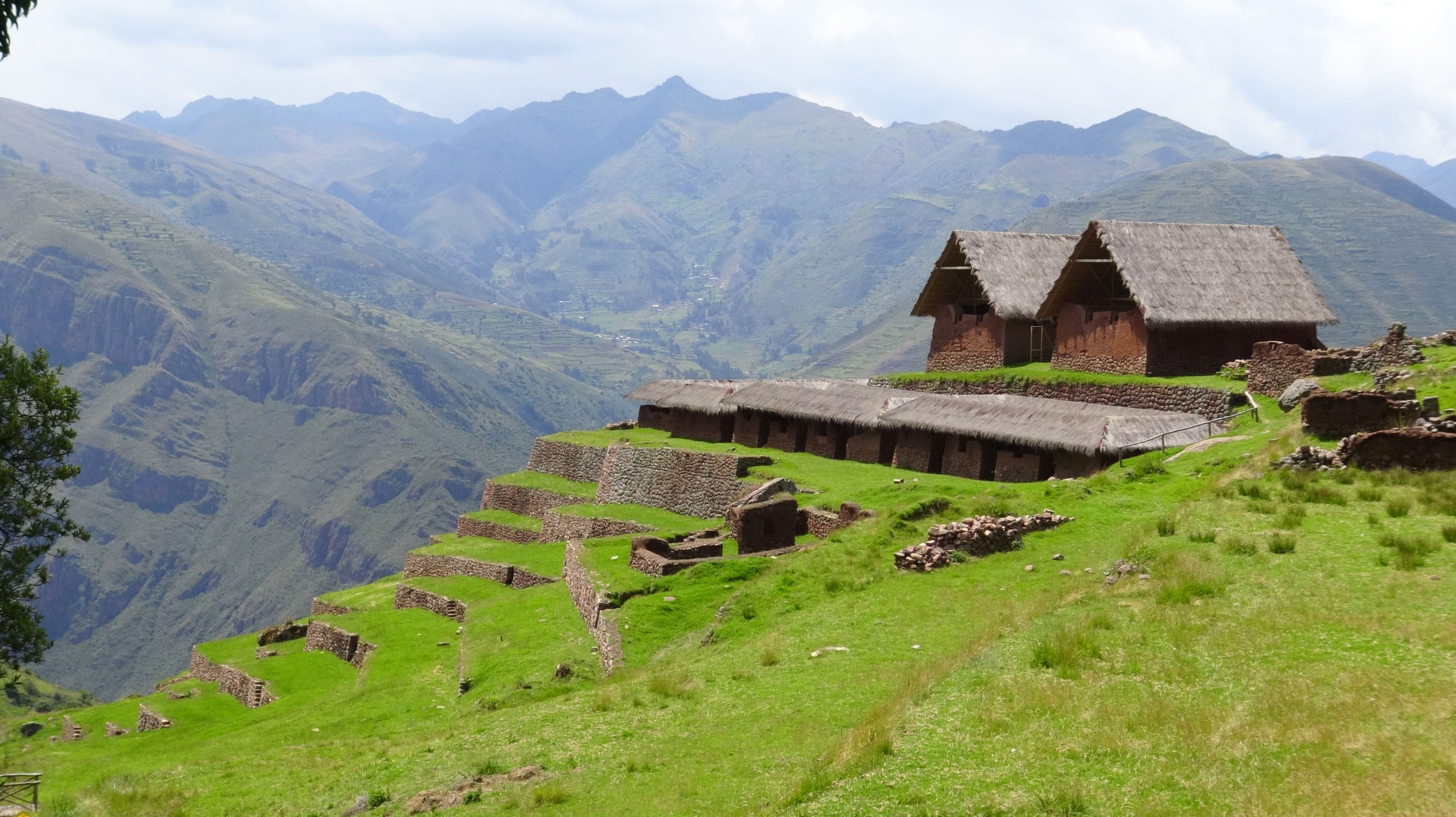
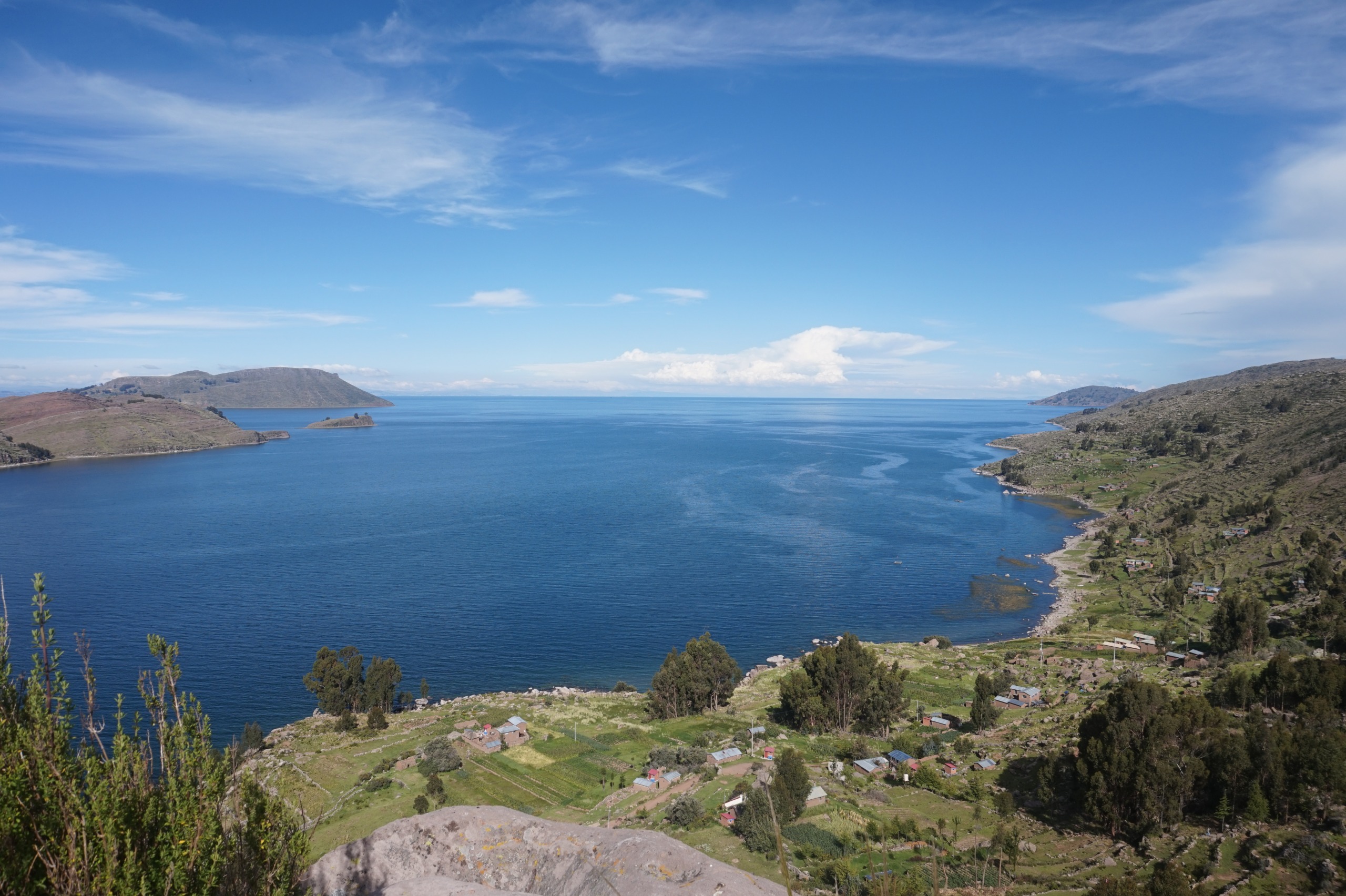
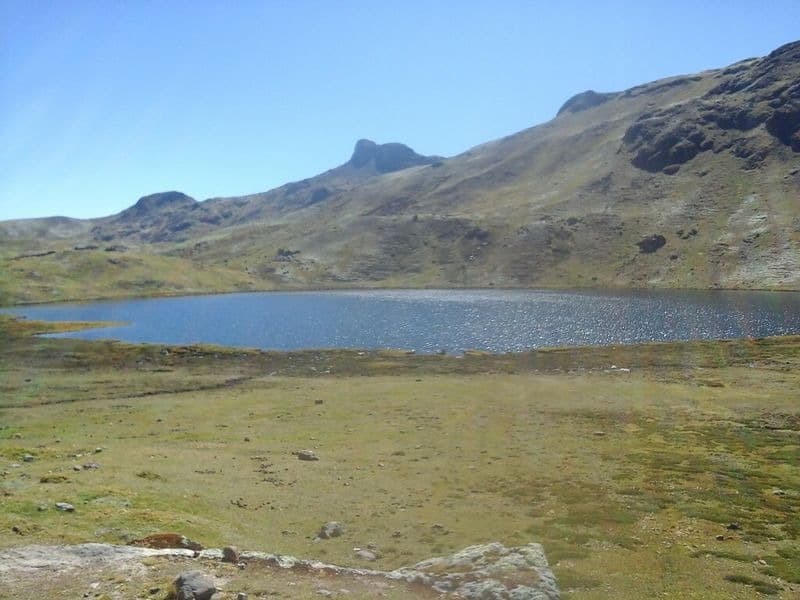
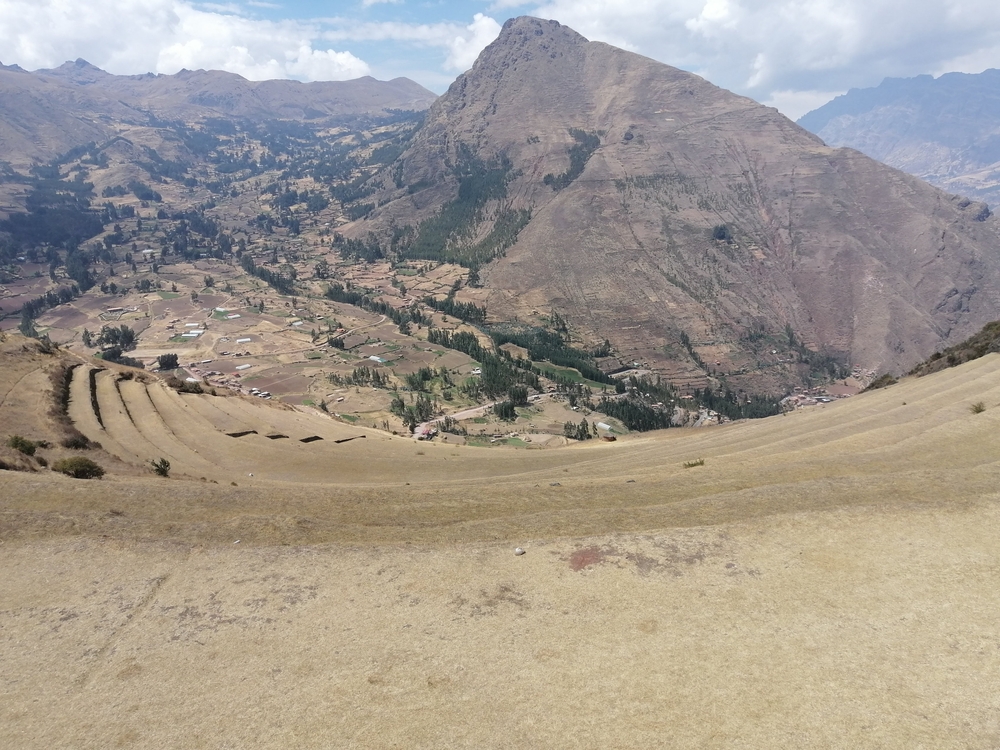
Glacial lake at 4,400 meters altitude in the Lares Valley, major stage of the alternative trek to the Inca Trail, accessible from Cusco.
Lake Ipsaycocha is a glacial lake located at approximately 4,400 meters altitude, in the Lares Valley, a few hours' drive from Cusco. A key stage of the Lares trek—a less-traveled alternative to the Inca Trail toward Machu Picchu—it combines high-altitude Andean landscapes, distinctive wildlife, and passages through Quechua communities renowned for their weaving.
Why visit Lake Ipsaycocha
The lake holds three complementary attractions. First, its setting: a body of water of glacial origin surrounded by high-altitude pastures where alpacas and llamas graze, with the peaks of the Urubamba Cordillera as a backdrop. Next, its accessibility: it is reached as part of the Lares trek, which remains considerably less crowded than standard itineraries departing from Cusco. Finally, its cultural dimension, as the route passes through several Andean villages, including Patacancha, known for its colorful textiles woven using techniques passed down locally.
The atmosphere shifts throughout the day: mornings are often misty, while afternoons tend to be clearer and sunnier. A detail worth factoring into your day-hiking plans.
What to see and do
The lake and its surroundings
The shores offer clear views of the lake and Ipsay Pass, situated above 4,500 meters. Several secondary trails allow you to extend your walk around the water without technical difficulty, though altitude effort remains a factor.
Wildlife observation
The area is rewarding for amateur birdwatchers. You may observe notably the Andean goose and the Puna ibis. Binoculars are useful, as is patience during the earliest hours of the day, which are most favorable for observation. Neighboring pastures also shelter herds of alpacas and llamas belonging to local communities.
Meeting the communities
The trek passes near Patacancha and other hamlets where inhabitants still practice traditional weaving. This is an opportunity to purchase textiles directly and exchange about high-altitude living, provided you respect local customs (ask before photographing, for instance).
How to access Lake Ipsaycocha
The logical starting point is Cusco. From there, you reach the village of Lares by vehicle—allow several hours by road via the Sacred Valley. Lares is known for its natural hot springs, often used as a recovery stop before or after the trek.
From Lares, the trek unfolds over several days with gradual ascent. The final section between the last camp and the lake, via Ipsay Pass, requires approximately two to three hours of climbing. Nearly all trekkers use a trekking agency based in Cusco, which handles guide, porters, tent accommodation, and baggage transport. Independent trekking remains possible but is rarely practiced due to unclear marking and the remoteness of the area.
When to go
The Andean region experiences two distinct seasons. The dry season, May through September, is most favorable for trekking: generally clear skies during the day, passable trails, but cold nights above 4,000 meters (often below 0°C). The wet season, November through March, brings frequent rain, muddy trails, and increased fog risk over passes. April and October form interesting shoulder seasons, with fewer crowds on the itineraries.
Practical preparation
Altitude is the primary concern. Plan for at least two to three days of acclimatization in Cusco (3,400 m) or the Sacred Valley before departure. Hydrate abundantly, avoid alcohol in the first days, and favor light meals. If you experience pronounced signs of acute mountain sickness, do not push the climb.
Recommended equipment:
- High-ankle hiking boots, already broken in
- Layered clothing: technical base layers, fleece, wind and water-resistant jacket
- Sleeping bag suited for sub-zero temperatures
- Enhanced sun protection (sunscreen, sunglasses, hat)—UV is intense at this altitude
- Water bottle or hydration pack and purification tablets
Using a local agency remains the simplest and safest solution. It also manages logistics within the communities you'll traverse.
Conservation
The site remains fragile. The main identified threats are foot-traffic pressure, littering, and disruption to the lacustrine ecosystem. A few common-sense rules: take all trash with you, do not swim in the lake, stay on trails, and limit noise, especially to avoid disturbing birdlife.
Nearby highlights
The Lares trek fits within a very rich cultural and natural setting. Nearby, several sites merit combining with your visit:
- Cusco and its peripheral archaeological sites, including Q'enko, an ancient sanctuary carved into rock
- The Sacred Valley and the ruins of Ollantaytambo, accessible before or after the trek
- The village of Lares for its thermal springs
- The community of Patacancha, a textile hub
Frequently asked questions
The lake sits at approximately 4,400 meters altitude. Ipsay Pass, the trek's highest point, exceeds 4,500 meters.
Technical difficulty is comparable, but the average altitude is higher on Lares. Proper prior acclimatization is essential.
The Lares trek is typically completed in three to four days, often extended by a day to reach Machu Picchu via Ollantaytambo and Aguas Calientes.
Unlike the Inca Trail, the Lares trek does not require a named permit. Access conditions may evolve; check with your agency before departure.
It is technically possible, but not recommended: limited marking, isolation, and altitude. The vast majority of trekkers use an agency based in Cusco.
To integrate Lake Ipsaycocha into a complete itinerary in Pérou, explore our custom Pérou trips.
Interested in this visit?
We can include it in your personalised itinerary.