Juanita Mummy Museum
Juanita Mummy Museum
In Arequipa, the Santuarios Andinos Museum displays the mummy of Juanita, a young Inca girl sacrificed around 1450 and discovered in 1995 on Mount Ampato.
In the heart of Arequipa, just steps from the Plaza de Armas, the Santuarios Andinos Museum houses the mummy of Juanita, a young Inca girl sacrificed around 1450 on Mount Ampato and discovered in 1995. Inaugurated in 1996, the museum presents a coherent collection of artifacts, textiles and ritual objects that illuminate Inca sacrificial practices in high mountain regions.
Why visit the museum
The mummy of Juanita ranks among the most thoroughly documented naturally preserved human remains in the world. Her discovery enabled archaeologists to reconstruct a major Andean ritual, the Capacocha, and to unearth an intact funerary assemblage: figurines in silver and gold, objects made of shell, textiles woven from vicuña and llama wool. For those interested in pre-Columbian history or Andean culture, it is one of the most instructive stops in southern Péru.
The story of Juanita
In September 1995, American archaeologist Johan Reinhard and his Peruvian guide Miguel Zárate reach the summit of Mount Ampato, at 6,288 meters altitude. Recent volcanic activity from nearby Sabancaya had deposited ash on the ice cap, accelerating snowmelt. The mummy, buried approximately 4 meters deep on the ridge, had shifted into a lower crater; the cloth covering her face had blown away during the fall, exposing her features to the elements—hence the visible deterioration seen today on this part of the body alone.
The nickname "Juanita" was given in homage to Johan Reinhard (Juan in Spanish). She is also called the "Lady of Ampato." Analysis determined she was a girl between 12 and 15 years old, sacrificed approximately 500 years ago as part of the Capacocha ritual (qhapaq hucha).
The Capacocha ritual
For the Incas, mountain summits were the residence of tutelary deities. During natural disasters—eruptions, earthquakes, droughts, floods—or to ensure harvests and the stability of the dynasty, children from noble families were chosen for their health and brought to high altitude. A specific diet prepared them for sacrifice approximately one year before the ceremony. In Juanita's case, traces of coca leaves and chicha (fermented maize alcohol) were found in her stomach: these likely served to diminish consciousness before death, which was caused by a violent blow to the head.
Natural preservation, not mummification
Unlike Egyptian practices, the Incas performed no artificial mummification. It was the extreme cold of the summit, combined with burial in permafrost, that preserved the body, hair, nails, skin and colorful garments. Scientific research conducted since 1995 employed tomography, DNA analysis and isotopic studies to reconstruct her diet, state of health and final days.
What to see in the museum
The tour follows a guided route lasting approximately one hour, punctuated by an introductory video about the 1995 expedition. You will observe in succession:
- the textiles, precious metal figurines and shell offerings found around the mummy;
- tools and ritual garments associated with high mountain ceremonies;
- the climate-controlled display case where the mummy rests, at controlled temperature and humidity, allowing you to observe the fetal position, colorful garments and funerary furnishings;
- the forensic facial reconstruction created by Swedish sculptor Oscar Nilsson in collaboration with scientists from the University of Warsaw, unveiled in late October 2023 and on permanent display since then.
When to visit: Juanita or Sarita
To preserve the remains, the museum alternates two mummies on display according to the time of year:
- May to December: the mummy of Juanita is on view.
- January to April: the mummy of Sarita, another young girl sacrificed and also discovered in the mountain range, takes her place.
If seeing Juanita in person is important to you, plan your visit to Arequipa between May and December. For the rest of the year, the educational content of the tour remains the same.
Practical information
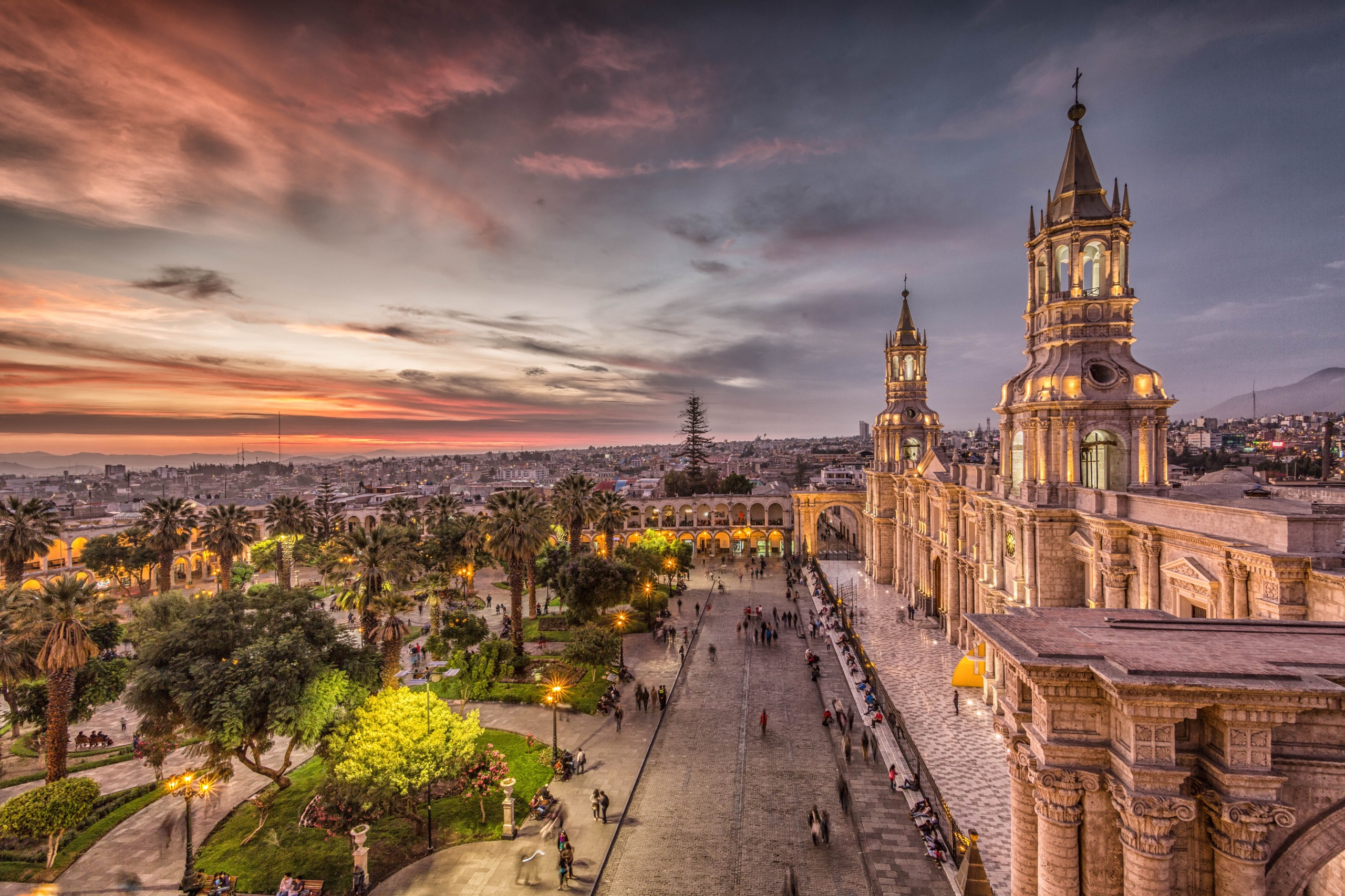
The museum is located in Arequipa's historic center, just steps from the Plaza de Armas, accessible on foot from most central accommodations. Allow approximately one hour for your visit, longer if you take time to read the explanatory panels. Tours are guided and available in Spanish, English and French; it is advisable to book in advance during peak tourist season to guarantee a time slot in your preferred language. Photography is prohibited inside. Wear comfortable clothing: the room where the mummy rests is maintained at low temperature.
To combine in the region
The museum is easily visited as a complement to surrounding natural sites. Within a half day's drive, the Pampa Cañahuas National Reserve allows you to observe vicuñas and altiplano landscapes. The Salinas and Aguada Blanca, on the road to Colca, extend your immersion in the high mountain range where the civilization that originated the Capacocha ritual lived.
Frequently asked questions
Frequently asked questions
Learn more
To integrate a museum visit into a complete Péru itinerary, consult our travels in Péru and combine Arequipa with Colca Canyon, Lake Titicaca or the Sacred Valley of the Incas.
Interested in this visit?
We can include it in your personalised itinerary.