The Andes
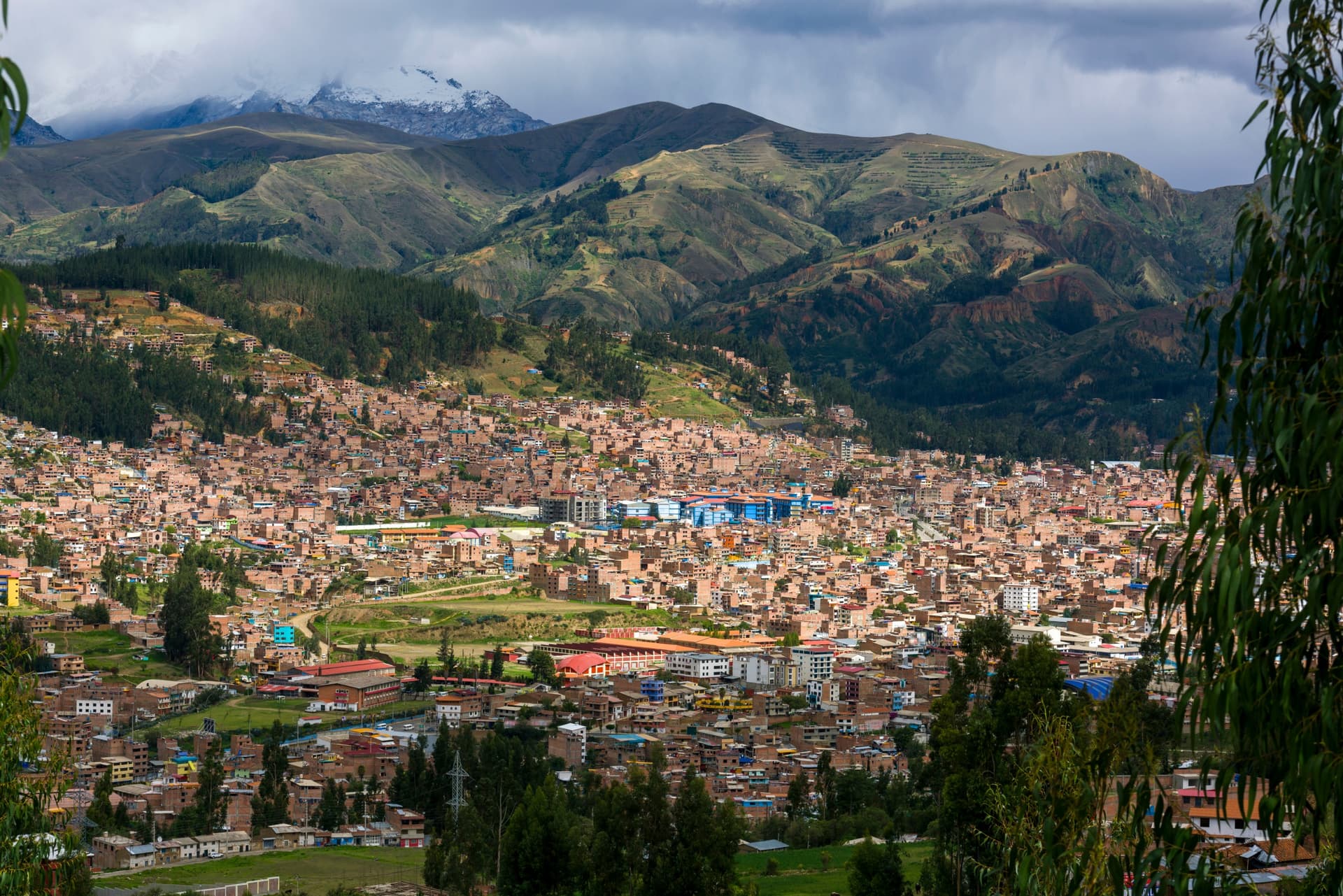
As the world's longest mountain range, the Andes traverse 7 countries across South America. Yet it is in Pérou that they reveal their full splendor and diversity. Stretching over 2,500 km through the country, the Peruvian Andes offer magnificent landscapes.
As the world's longest mountain range, the Andes traverse 7 countries across South America. Yet it is in Pérou that they reveal their full splendor and diversity. Stretching over 2,500 km through the country, the Peruvian Andes offer magnificent landscapes. Visitors can discover snow-capped peaks, verdant valleys, shimmering lakes, and captivating archaeological ruins. This region is one of the most fascinating on the planet and promises thrilling adventures. Whether you are a history enthusiast, nature lover, or adventurer seeking new experiences, the Peruvian Andes promise fascinating discoveries.
Geography and Climate
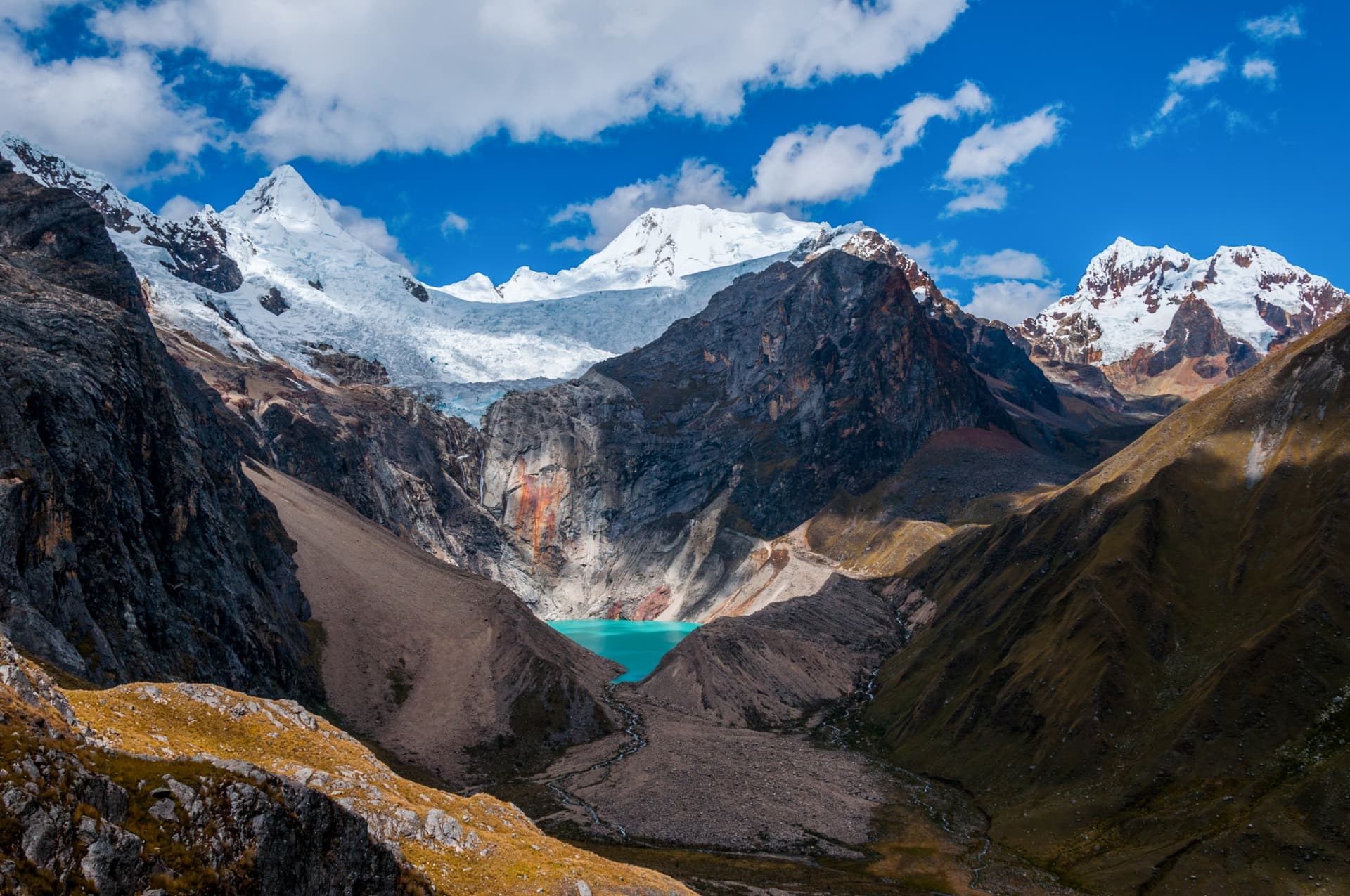
The Peruvian Andes traverse the country from north to south and are divided into three main sections: the Northern, Central, and Southern Andes. Numerous mountain ranges can also be found here, including:
- The Cordillera Blanca
- The Cordillera Negra
- The Cordillera Vilcabamba
- The Cordillera de Huayhuash
- The Cordillera de Vilcanota
The highest peak of these mountains is Huascarán, reaching an altitude of 6,768 meters. This makes it Pérou's highest summit.
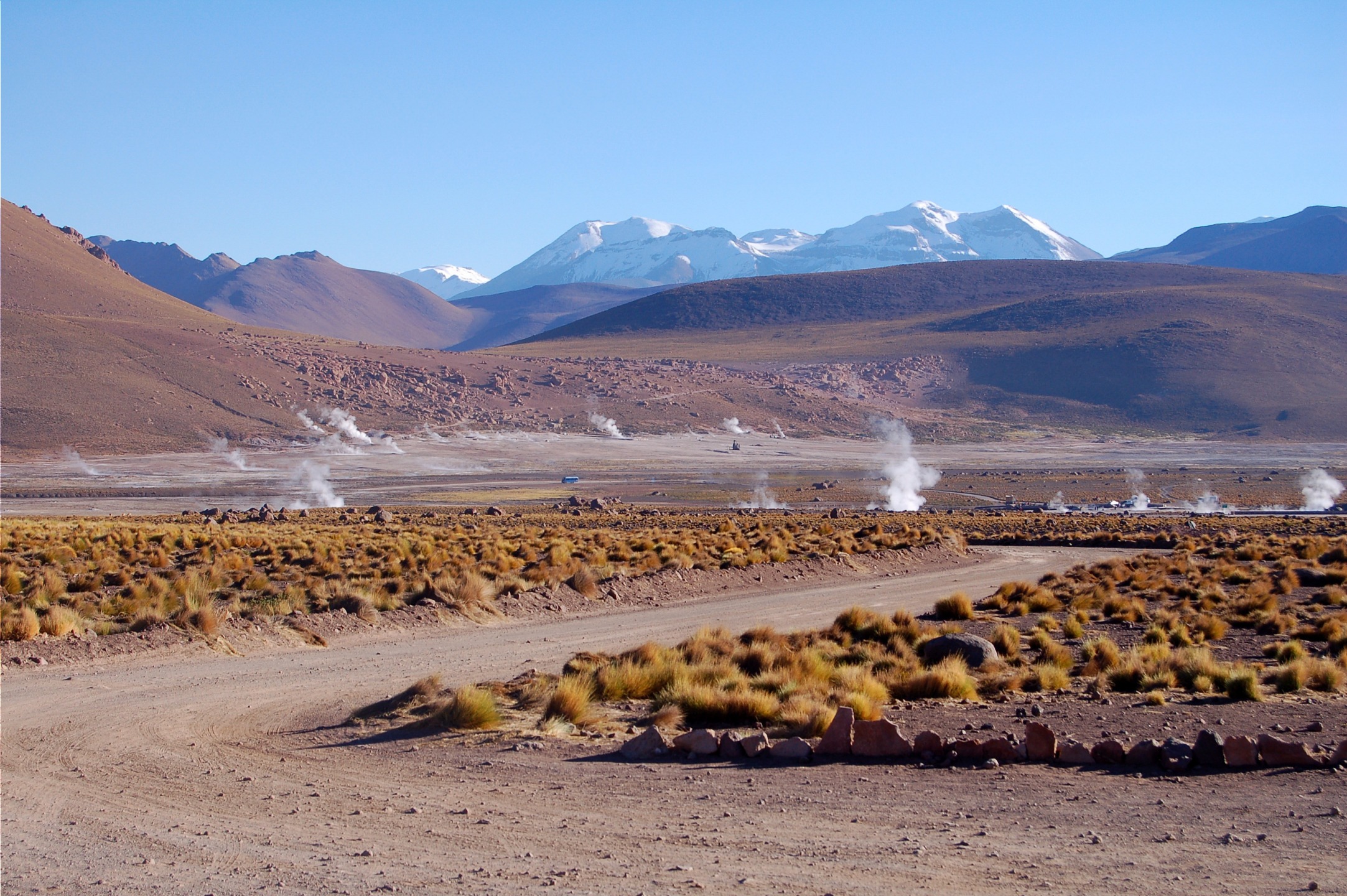
Moreover, the climate of the Peruvian Andes region varies greatly depending on altitude. Areas at high elevations experience a cold, dry climate with low temperatures year-round and occasional snowfall. Conversely, lower valleys enjoy temperate conditions. The rainy season typically extends from November to April, while the dry season runs from May to October.
Ecosystems and Biodiversity
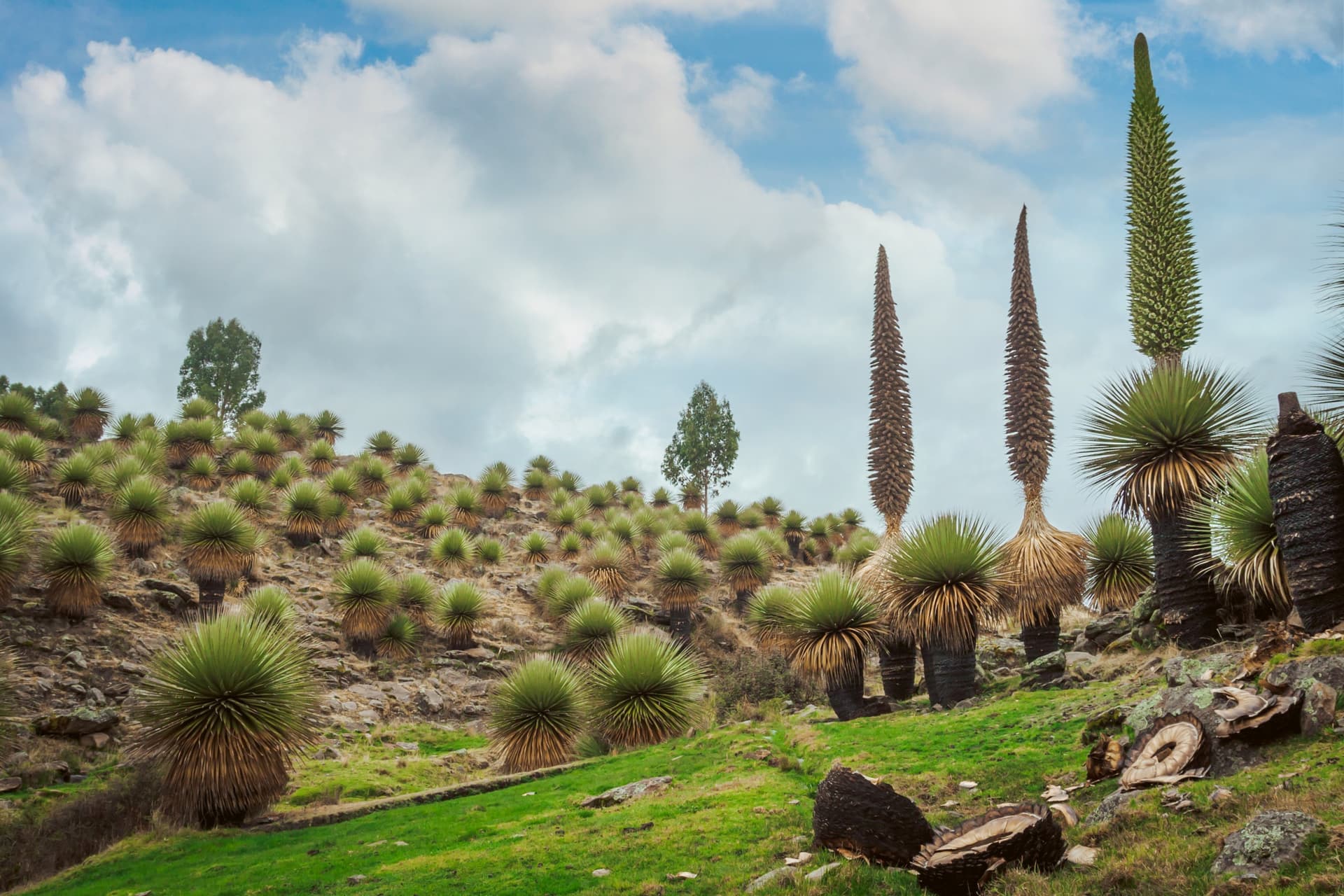
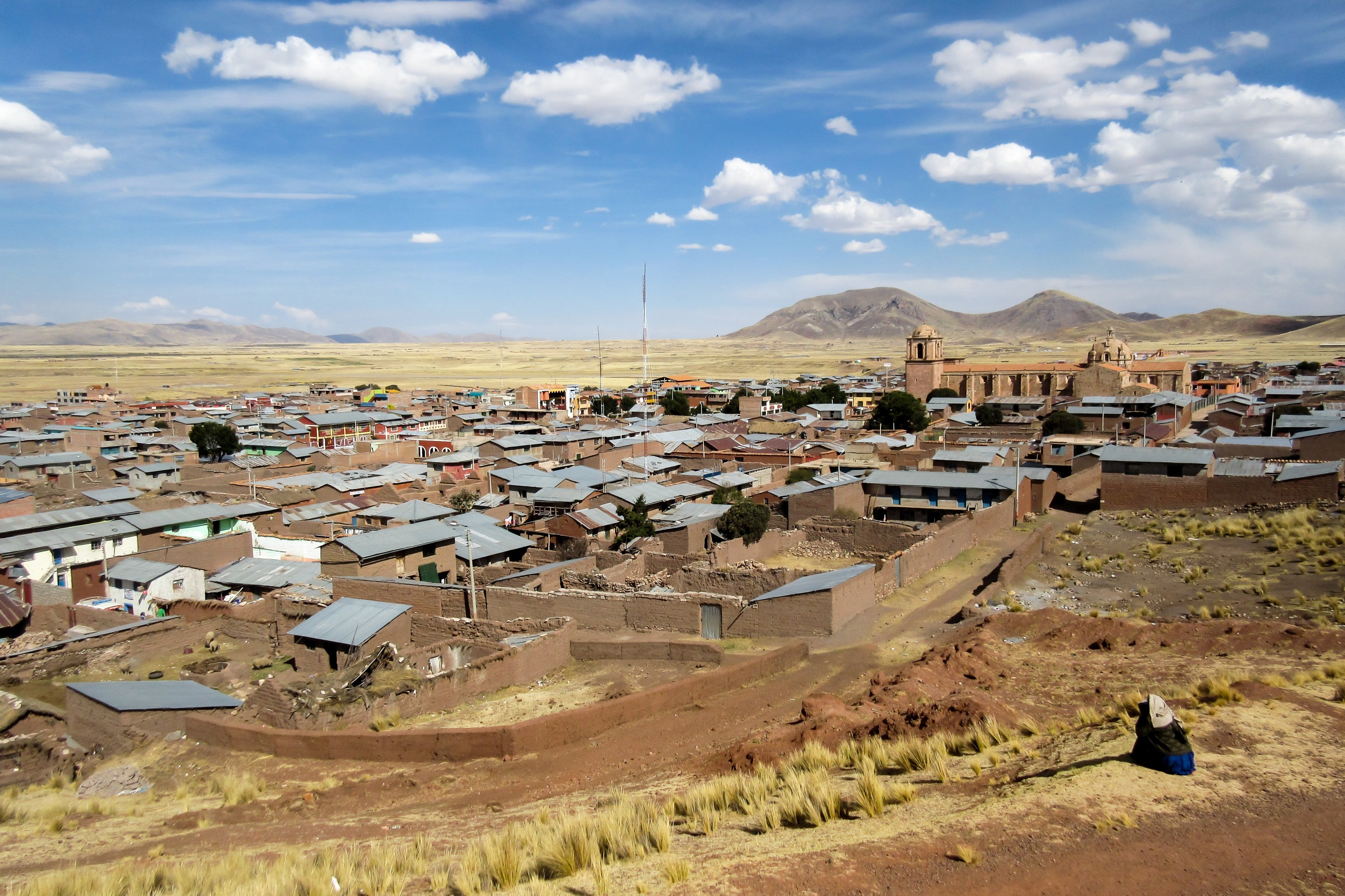
The Peruvian Andes region benefits from impressive biodiversity. At lower altitudes, cloud forests harbor a multitude of plant and bird species such as rare orchids, multicolored butterflies, and exotic birds. As you climb in altitude, vegetation changes, giving way to grasslands called punas.
Andean fauna is absolutely remarkable. Condors, with their impressive wingspan, often soar above the peaks, while spectacled bears, a rare and endangered species, inhabit the cloud forests. Andean foxes, or Magellan foxes, are also among the rare canids found in the Peruvian Andes region. Llamas, vicuñas, and alpacas are equally emblematic animals of the region. They have been domesticated for millennia for their wool and their ability to carry heavy loads.
Historical and Cultural Wealth
The Peruvian Andes region is considered the cradle of one of history's most important and influential civilizations: the Incas. Andean culture is rich in ancestral traditions and customs. Local communities, called the Quechua and Aymara peoples, descendants of the Incas, perpetuate their festivals and religious rituals. For example, traditional ceremonies such as Inti Raymi (Festival of the Sun) and Qoyllur Rit'i (Star Snow) are colorful events that attract visitors from around the world.
Andean craftsmanship is equally fascinating, notably hand-woven textiles, ceramics, and jewelry. Local markets such as those in Pisac and Chinchero are perfect for purchasing authentic souvenirs.
Furthermore, Andean communities have also preserved certain ancestral agricultural practices. Terraced fields, called andenes, are an example of the Incas' ingenious adaptation to a challenging mountainous environment. They enable the cultivation of staple foods such as quinoa, potatoes, corn, and others.
Multiple Activities and Adventures
The Peruvian Andes region offers a wide range of outdoor activities for adventure enthusiasts:
- Hiking and trekking are among the most popular activities, allowing visitors to admire breathtaking panoramic views.
- Mountaineering is also highly prized, with ascents of peaks like Huascarán and Alpamayo.
- For visitors preferring less extreme adventures, paragliding, horseback riding, mountain biking, birdwatching, and camping offer alternative ways to discover the Andean landscape.
- Kayaking and rafting are common water sports on the Andes' turbulent rivers, including the Urubamba and Apurímac.
- For travelers seeking more peaceful experiences, natural hot springs such as those in Aguas Calientes and Lares offer moments of relaxation in spectacular settings.
- Finally, a boat ride on Lake Titicaca is an opportunity to discover the floating islands of the Uros and the islands of Amantani and Taquile. This type of excursion allows visitors to learn more about local traditions and the way of life of the inhabitants.
Various Attractions and Sites to Discover
Beyond its cultural heritage, the Peruvian Andes region is also famous for its numerous attractions, cities, and archaeological sites. Here are some examples of emblematic places to visit:
Cusco
Cusco, the former capital of the Inca Empire, is an unmissable city to visit. It is inscribed on the UNESCO World Heritage List. This city is a harmonious blend of Inca and Spanish colonial architecture. Its cobblestone streets, surrounding Inca ruins, and baroque churches reflect a rich and complex culture.
The Sacred Valley
Located near Cusco, the Sacred Valley of the Incas is a natural wonder to discover. It is traversed by the Urubamba River and surrounded by majestic mountains. Numerous picturesque villages such as Pisac and Chinchero offer an authentic glimpse into Andean life.
Machu Picchu
Machu Picchu, the lost city of the Incas, is one of the most renowned archaeological sites that attracts millions of visitors every year. Located at an altitude of 2,430 meters, it showcases stepped terraces, temples, and perfectly preserved stone structures.
Other Inca Archaeological Sites
Beyond Machu Picchu, other Inca sites are worth exploring in the Peruvian Andes region, such as:
- Choquequirao
- Ollantaytambo
- Sacsayhuamán
These sites offer not only incredible views of the surrounding mountains but also a deep dive into Inca history and culture.
Colca Canyon
Colca Canyon is one of the attractions located in the section of the western cordillera of the Peruvian Andes, approximately 160 km northwest of the city of Arequipa. It is one of the deepest canyons in the world, reaching depths of over 3,270 meters. Many hiking trails can be followed to explore it. Routes can range from a few hours to several days.
The Peruvian Andes Region Today
Currently, the preservation of the region's ecosystems is paramount, given its unique biodiversity and cultural significance. The Peruvian Andes face various challenges, notably climate change, which leads to glacier melting and deforestation, threatening cloud forests.
Conservation initiatives are being led by local and international organizations to protect the fragile ecosystems of the Peruvian Andes region. National parks, such as Huascarán, play an essential role in protecting natural habitats and promoting sustainable tourism.