Leymebamba
Leymebamba
Nestled at 2,200 m in the Amazonas region, Leymebamba is home to 219 Chachapoya mummies discovered in 1997 and an agricultural village that has remained largely untouched by tourism.
Journeys to Perú always promise fascinating discoveries, with the country brimming with immeasurable riches and wonders.
The village of Leymebamba ranks among those destinations that harbour unmissable sites worth exploring.
Allow yourself to be drawn to the celebrated Leymebamba Museum and its 200 mummies, which have indeed built the reputation of this magnificent destination.
This small agricultural village will offer you complete escape during your Peruvian adventure.
History
The people of Leymebamba lived from agriculture until the day labourers discovered a mausoleum that would transform the destiny of the village and its inhabitants.
In 1997, residents found a necropolis in a mountain precipice facing Laguna de los Cóndores.
Tomb looters sought to exploit these remnants of the Chachapoya civilisation, but found only precious metals.
Two archaeologists named Sonia Guillen and Adriana von Hagen quickly arrived to study the site.
The locals helped them remove more than 200 mummies from the necropolis. By participating in the excavations, they learned more about their own Chachapoya cultures and the influence of the Incas.
Following this major discovery, the Leymebamba museum was built urgently to preserve the treasures unearthed during the necropolis excavations. Mallqui Centre undertook construction work with assistance from local communities, numerous countries and powerful international organisations. We need only mention the United States, Finland, Austria, Italy, Discovery Channel, and others.
The Leymebamba museum respected local construction techniques such as the typical round houses of Chachapoya culture. Beyond this beautiful traditional architecture, you will be delighted to see the various orchid species planted in the museum's gardens.
In June 2000, it was inaugurated in the presence of Austria's Minister of Education, Doctor Elisabeth Gehrer.
Today, the Leymebamba museum is the main tourist attraction of this Peruvian destination.
Don't let this captivating history lull you into complacency. There is still so much to discover within the museum—the treasures recovered during the excavations await you.
Your visit to Leymebamba will be truly enriching, as you'll learn more about Chachapoya and Inca cultures.
Leymebamba, Known for Its Renowned Museum
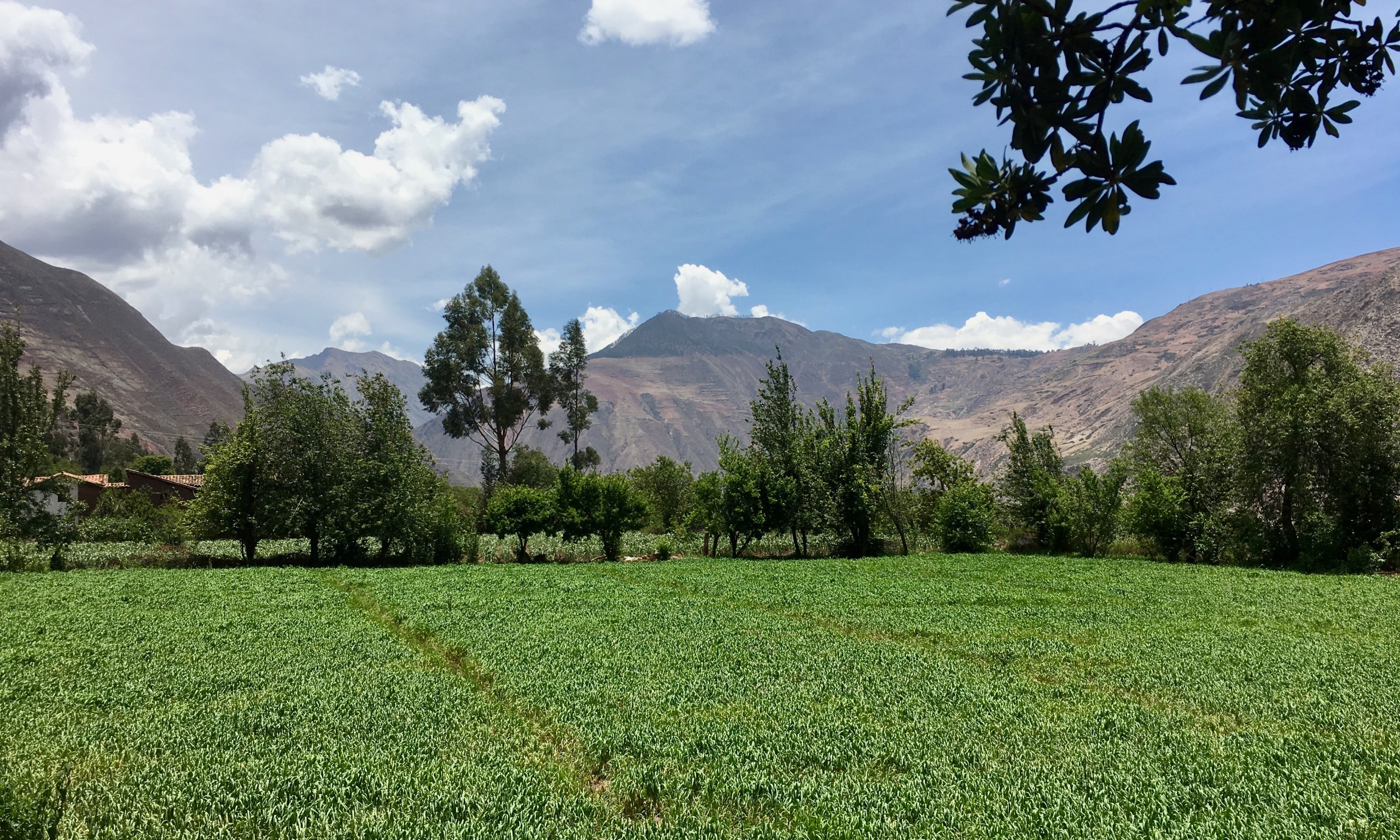
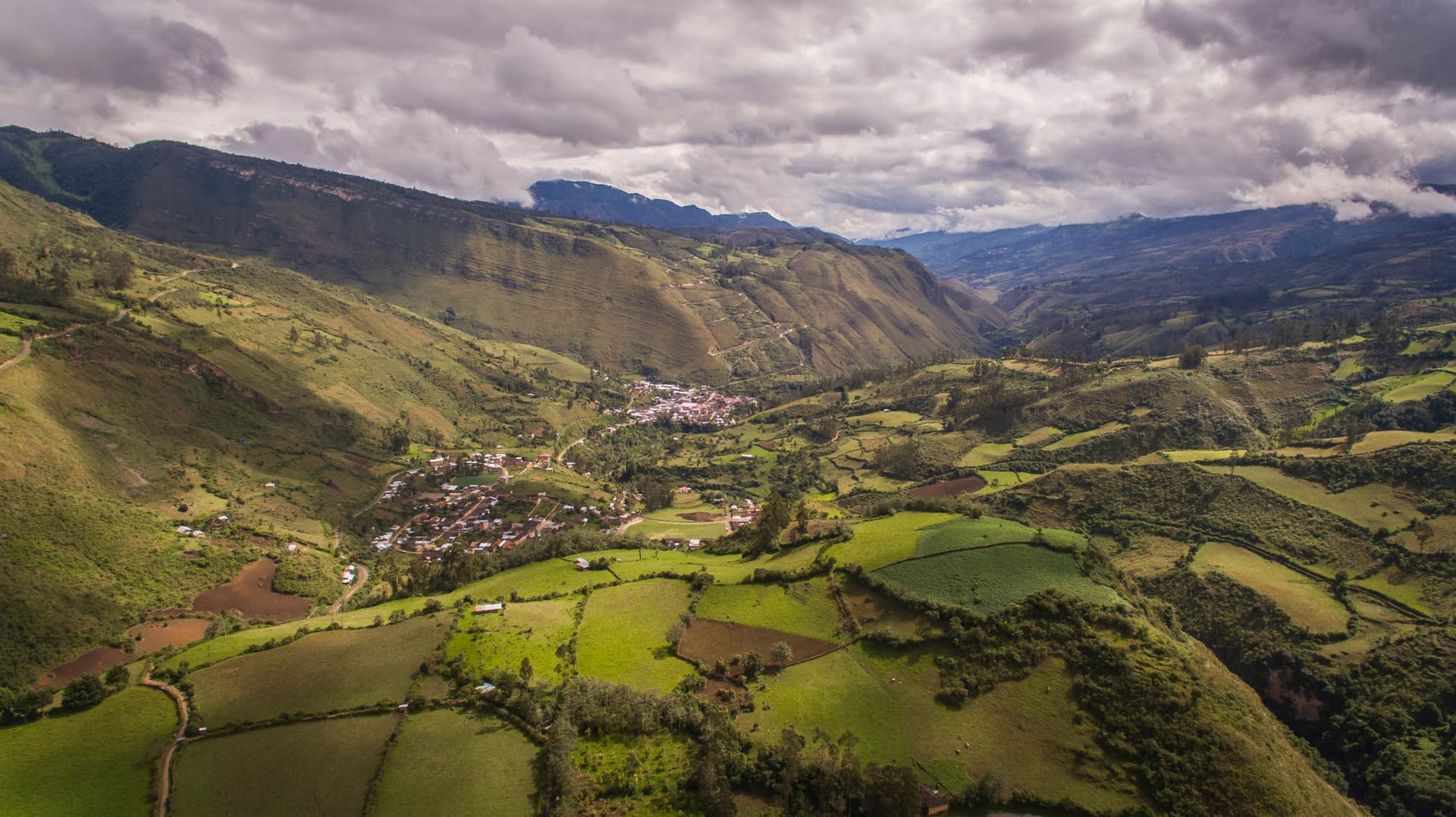
Located in northern Perú, the village of Leymebamba sits pleasantly nestled in the mountains on the banks of the Río Utcubamba at 2,200 metres altitude. It lies at the end of a valley where the environment is very calm, adorned with lush landscapes and surrounded by vertiginous mountains.
You'll find the famous archaeological museum a little south of the village, which captivates many travellers.
It's located 10 minutes' drive from Leymebamba's main square. Beyond its numerous mummies collected and exhumed during the excavations, this site holds an impressive collection of funerary and everyday objects.
What to See in Leymebamba?
Leymebamba Museum
You're surely wondering how this mausoleum managed to preserve 219 mummies in excellent condition.
Your curiosity will be amply rewarded.
Know that these mummies have endured nearly 6 centuries before arriving at the Leymebamba museum.
Indeed, the Chachapoya civilisation possessed very effective mummification techniques to preserve their deceased.
To prevent decomposition, they removed the body's organs. The Chachapoya then sealed the orifices before drying the body. After this drying period, they placed the body in a foetal position. They wrapped the mummies in linen before placing them in a cotton shroud decorated with various motifs.
Thanks to this technique, the mummies have been well preserved and you'll be surprised to see their teeth and hair still intact.
You'll also find funerary objects and ceramics in other museum sections.
During the excavation at the mausoleum of Laguna de los Cóndores, archaeologists recovered wooden objects, textiles, goblets, wall decorations, vases and musical instruments.
Quipus were also discovered—complex knotted systems resembling large necklaces. The Incas apparently used them for counting, as the civilisation had no written language. Within the museum, you'll gain further insights into Chachapoya culture and see exhibitions of the region's natural riches.
The Plaza de Armas
An ideal place to unwind and relax after exploring the village, the Plaza de Armas allows you to admire the church built from large stones. You can sit and enjoy the moment fraternising with locals over a cup of coffee.
Don't miss visiting the artisan shops in the area to purchase souvenirs.
Miguel Huaman Sculptor's Workshop
Miguel Huaman was part of the local teams during the mausoleum excavation. This sculptor studied the designs and produced replicas that sold as souvenirs for tourists.
The museum then asked him to produce more, and he had to hire additional help.
Today, Miguel's workshop receives many orders. He sells Kuélap replicas—the fortress of the Chachapoyas—decorative objects, coat racks, key chains, and more. These items, largely representing Chachapoya culture, make his workshop an essential stop in Leymebamba.
What to Do in Leymebamba?
Livestock Activities and Cheese Production
In Leymebamba, you'll have the opportunity to experience the activities of local farmers by visiting their fields.
The farmers will explain how they manage the cattle and how milking is done.
After a demonstration, you can also try milking a cow yourself—an enriching experience for a countryside holiday. Be sure to enjoy some fresh milk.
At Kisulac Cheese Farm, learn how fresh and aged cheese is made in Frank and Marina's workshop. You'll have the pleasure of tasting it with a small Cafécito.
Learn Traditional Weaving with the Weavers
The women of the Amazonas region are excellent weavers. They clean the wool before spinning, dyeing, and weaving it.
In Leymebamba, you need only visit Isabel's workshop to learn more about the traditional weaving process.
Apparently, one weaver meticulously studied the fabrics found during the excavations. She then optimised the fabric manufacturing process of Chachapoya culture with additional colours (brown, red, black and yellow) and geometric patterns.
Following this, the weavers' association was born, comprising 10 women. They produce belts, handbags, placemats and even bedspreads.
They operate a shop on Plaza de Armas in Leymebamba, though it only opens at 3pm, as the women weave in the morning while managing household tasks.
Climate
Leymebamba enjoys a warm, temperate climate with heavy annual rainfall reaching 800 mm.
The average annual temperature is 16.4°C. Rain is abundant from October through April.
However, between June and September, temperatures may drop slightly, with June being the coldest month of the year.
You can arrive in Lima or Chiclayo and take a bus to Chachapoyas.
From Lima, the journey takes 22 hours, but from Chiclayo, it's 10 hours.
From Chachapoyas' Plaza de Armas, you can take a taxi or colectivo to reach Leymebamba in 2.5 hours.
Using a Turismo Explorer, you can include discovery tours of the Revash mausoleums and Leymebamba museum in your itinerary. This will also facilitate your travel.
Since Leymebamba is a small village, you can get around by bus, on foot, or on horseback.
Want to discover this destination?
Our local advisors design your tailor-made trip.