Chiclayo
Chiclayo
Capital of the Lambayeque region on Pérou's northern coast, Chiclayo is home to the Tomb of the Lord of Sipan, the Tucume pyramids, and some of the country's finest cuisine.
City: Chiclayo
Region: Lambayeque
Area: 3,288 km²
Population: 574,408 inhabitants
The fourth most populated city in Pérou after Lima, Arequipa, and Trujillo, Chiclayo abounds with remarkable tourist attractions. Rich in cultural, historical, and natural heritage, this vibrant city captivates travelers seeking an authentic journey through Pérou. Known for its diverse museums, Chiclayo transports visitors into a world of pre-Columbian wonders.
History
The city's name is believed to derive from the abundance of green fruits called "Chiclayep" or "Chiclayop" that once grew throughout the territory. Some historians suggest that mountain peoples from Cajamarca bestowed upon it the name of a type of squash known as "chiclayo." A third account traces the name to Muchik origins: "Cheqta" meaning "half" and "Yoc" meaning "property of," rendering Chiclayop as "land in the middle of communal property."
Chiclayo was founded by Spanish explorers in 1720, though indigenous peoples had occupied the region long before. Between the 1st and 7th centuries, various Lambayeque ethnic groups ruled the area. In the early 16th century, the Cinto and Collique tribes arrived. Remarkably, despite Spanish presence, indigenous peoples maintained dominance over the territory—a distinction among Peruvian cities. In 1827, President José de La Mar's decree elevated Chiclayo to city status. During the country's war of independence, Chiclayo contributed arms, soldiers, and horses to the national cause. In recognition, Colonel Felipe Santiago Salaverry's government granted it the title of "heroic city" in 1835. Since then, the city has experienced considerable growth. Today, it is affectionately known as "the capital of friendship" owing to the legendary hospitality of its inhabitants.
Fascinating stories await you in Chiclayo, an essential stop on any circuit through Pérou.
Chiclayo and Its Must-See Attractions
Chiclayo, capital of the Lambayeque region, lies on Pérou's northern coast, 509 km south of the Ecuadorian border. To enrich your Peruvian adventure, here are key sites worth exploring.
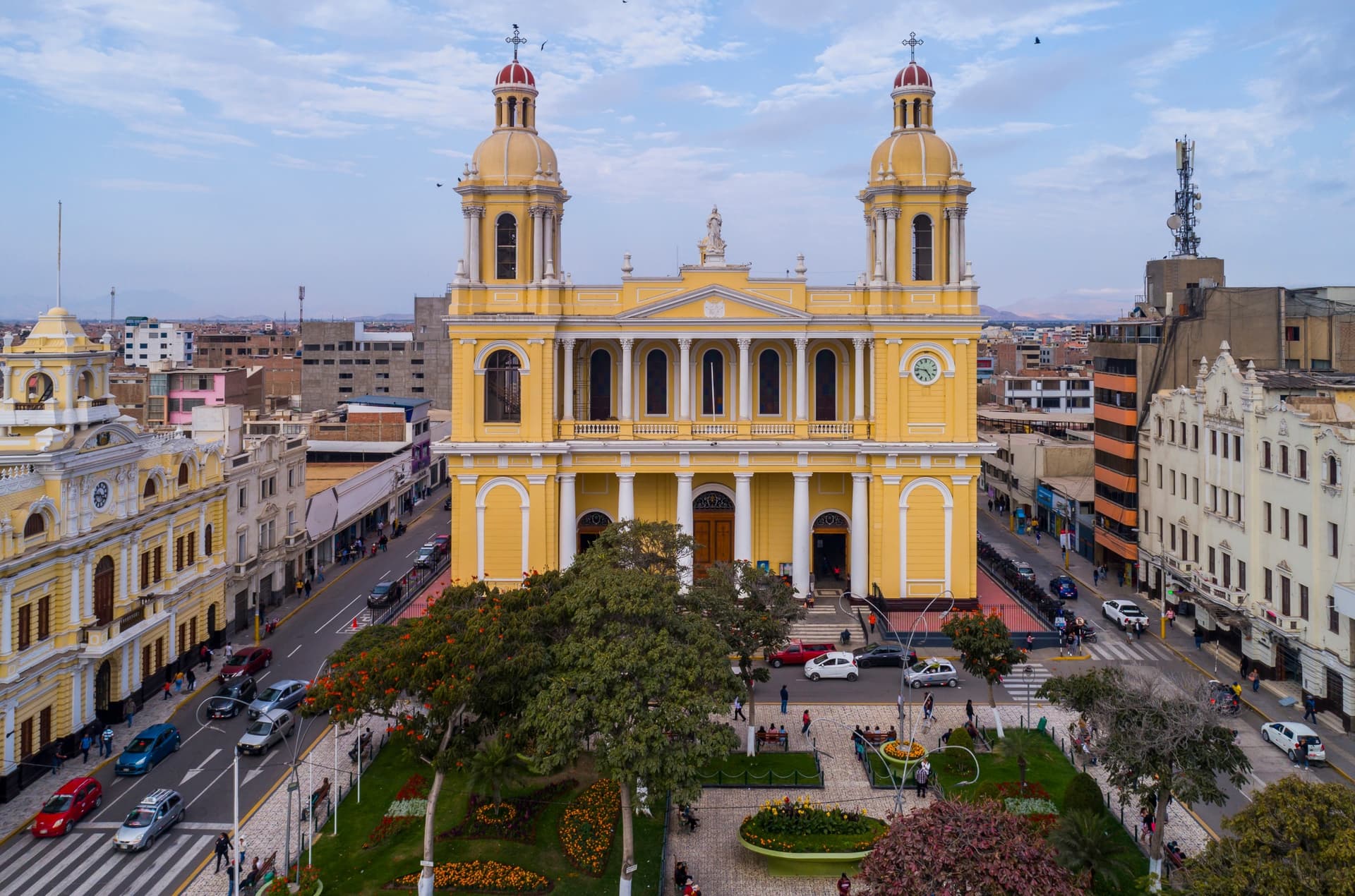
Chiclayo Cathedral: A neo-classical masterpiece, the Iglesia Santa María stands in the heart of Chiclayo on the Plaza de Armas. Built in 1869 according to Gustave Eiffel's designs, it serves as the seat of the Chiclayo Diocese.
Plaza de Armas: In the city center, you'll admire the elegant republican-era buildings surrounding the Plaza de Armas. Beyond the cathedral, the Royal Hotel and the Cine Teatro Tropical y Colonial grace the square. Take time to browse the numerous boutiques that enhance the plaza's appeal.
Mercado Modelo: Immerse yourself in authentic Peruvian culture at Mercado Modelo, where diverse products await. An ideal spot for souvenirs, it houses additional attractions within its bustling halls. Hidden inside is the Mercado de Brujas—the Witches' Market. Here you'll find herbs, spices, bones, shells, and dried plants used in shamanic ceremonies.
Boredom is impossible in Chiclayo, as the city brimming with compelling landmarks. Worth noting are the Plaza Municipal with its republican style, the Basilica San Antonio dating to 1949, and the Capilla La Verónica, constructed in the late 19th century.
What to Do?
Chiclayo's Renowned Museums
Set out to discover the attractions that have established Chiclayo's stellar reputation. Enrich your stay in Chiclayo with museum visits and the Tucume pyramids, alongside natural reserves that draw visitors from around the globe. For a deeper immersion in Peruvian culture, time your visit during Chiclayo's major festivals.
The Royal Tombs Museum ranks among Pérou's finest. Over 2,000 Moche objects crafted from gold, silver, and copper—along with exquisite jewelry and ceramics—await discovery, each piece of immeasurable archaeological value. Many artifacts exhibited here come from the tomb of the Lord of Sipan.
Explore the Tucume Museum and Pyramids, where Chiclayo's rich history and Lambayeque culture unfold. Located 33 km from the city, this site encompasses 26 pyramids spread across more than 200 hectares.
The National Sican Museum houses remarkable funerary objects from Sican culture tombs. The crown of the buried lord is displayed alongside exquisite gold jewelry.
The National Museum of Archaeology and Ethnography Heinrich Brüning features over 1,400 archaeological pieces showcasing the evolution of cultures along Pérou's northern coast.
Nature
Beyond historical monuments, Chiclayo has been blessed by nature. The Chaparri Reserve, one of Pérou's pioneering private conservation areas, delights visitors with its remarkable bird diversity. While there, encounter llamas and spectacled bears.
The Pomac Reserve fascinates visitors with various bird species, including the Tumes swallow and the cortarrama peruana, a type of perching bird.
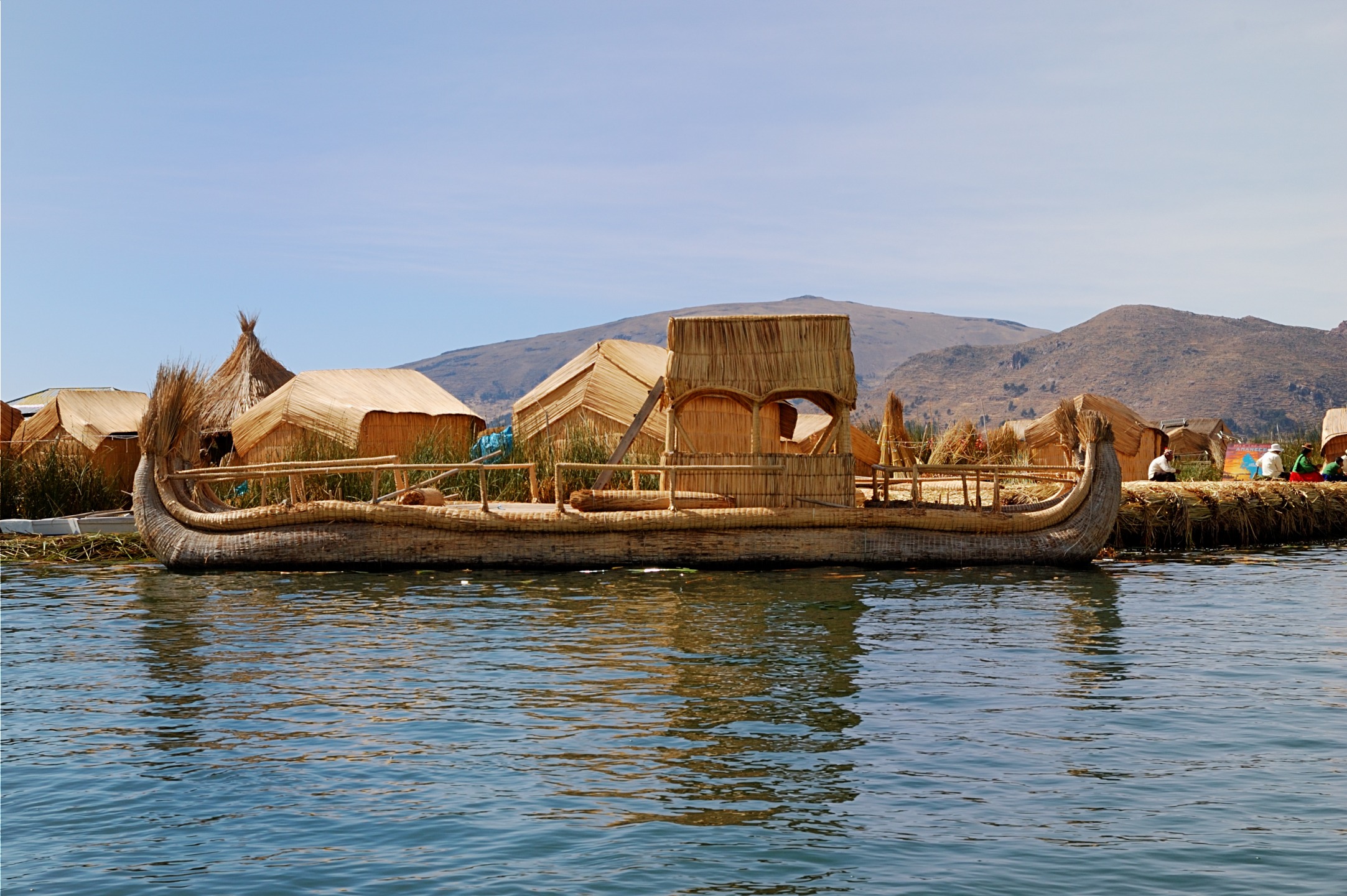
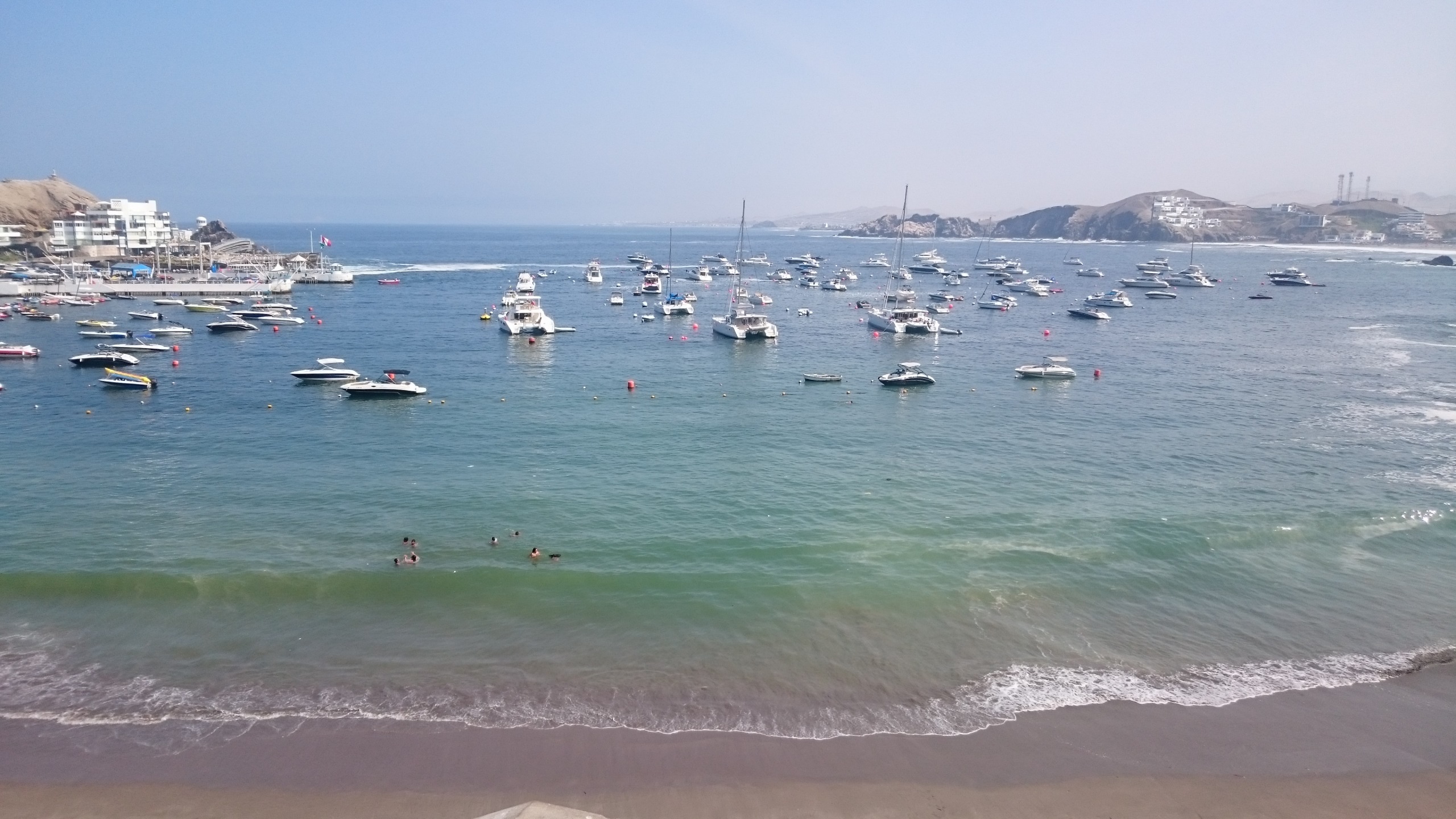
At Pimentel Beach or the Pimentel coastal resort, watch traditional fishermen set out to sea in reed boats. Enjoy the beach and a refreshing swim to recharge.
Festivals in Chiclayo
Festival enthusiast? Plan your Chiclayo visit between April 15–22 during the city's founding anniversary celebration. Expect parades and fireworks on April 18.
Fexticum, the cultural festival of Monfasú, runs July 23–31. Witness folk dances, sample 40 varieties of chicha de jora, and savor Lambayeque specialty banquets.
Climate
Once again, nature has been generous to Chiclayo. The city enjoys a hot, dry desert climate. Year-round sunshine graces your journey through Pérou. Average annual temperatures range from 17° to 26°C, ideal for travel and beach enjoyment.
Traveling from abroad and considering flying directly to Chiclayo to explore Pérou? You can arrive at Capitán FAP José A. Quiñones González International Airport, located just 2 km from the city.
Should you find yourself in neighboring cities like Lima, Trujillo, Piura, Cajamarca, and beyond, road travel is an excellent option to appreciate the landscape's beauty. Since Chiclayo sits on the Pan-American Highway, accessing the city is straightforward.
Taxis are abundant throughout Chiclayo. Car rental offers another practical alternative, providing greater freedom for your explorations. Local buses—combis and caisters—as well as shared minibuses are also available.
For travel beyond Chiclayo, intercity and interprovincial buses provide convenient connections.
If you travel with Amerika Voyages, you'll benefit from a private vehicle with driver for all your transportation needs.
Want to discover this destination?
Our local advisors design your tailor-made trip.