The Chachapoyas Region
The Chachapoyas Region
In the remote reaches of northern Pérou, Chachapoyas preserves the legacy of the Warriors of the Clouds: Kuelap, Gocta, Karajía. A journey off the beaten path.
Name: Chachapoyas
Status: city
Region: Amazonas
Population: 20,279 inhabitants
Area: 12.3 km²
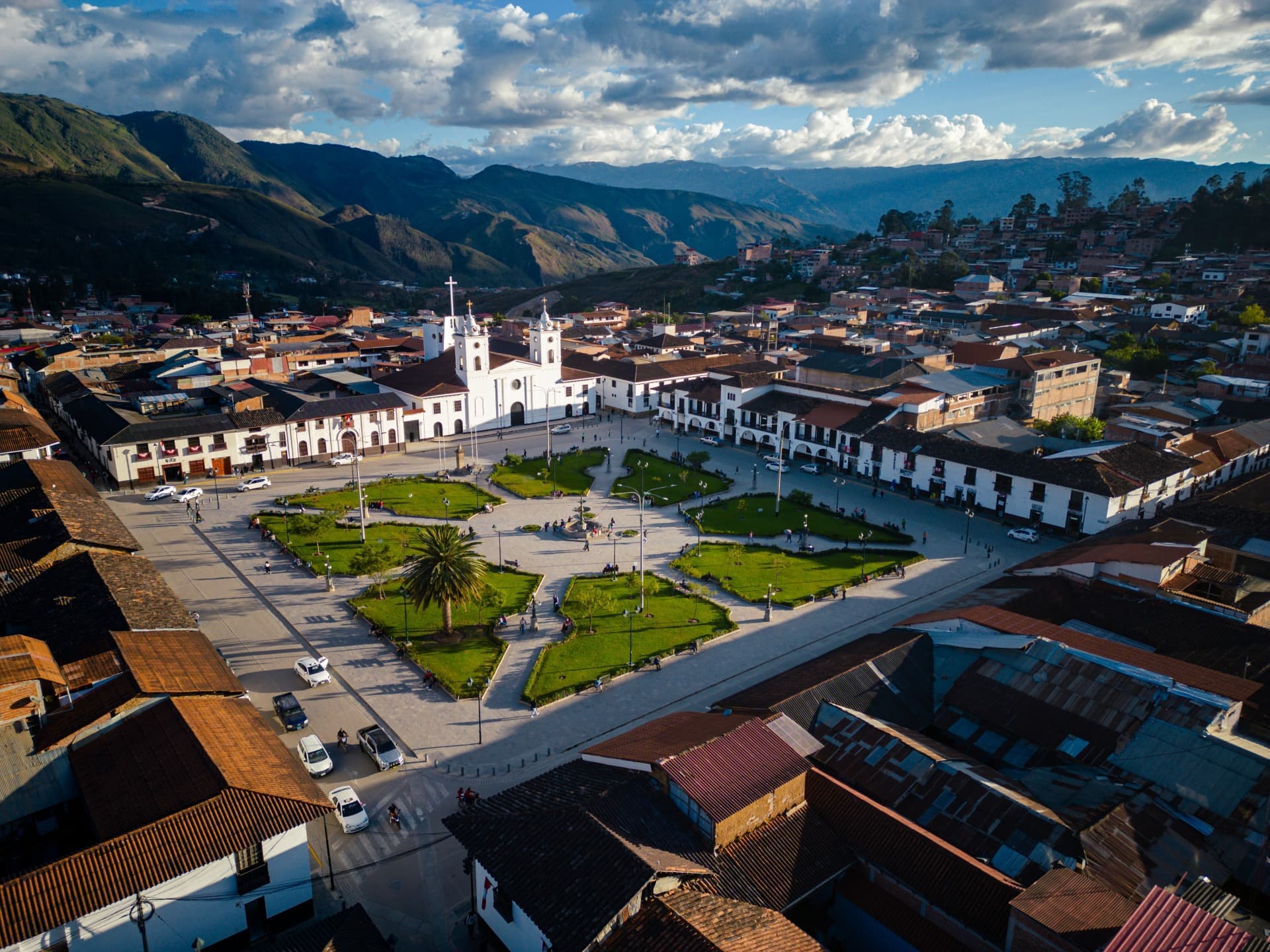
Chachapoyas is located in northern Pérou, near the Río Utcubamba, in the Amazonas region. This city is steeped in history, as evidenced by its colonial-era residences. Moreover, its beautiful plazas and bullfights extend an invitation to discover a world apart.
History of the City
Between 900 and 1400, the Chachapoyas—whose name means "Warriors of the Clouds"—formed an Andean people inhabiting vast territories spanning the regions of San Martín and Amazonas.
During the Inca conquest, Atahualpa sought the aid of conquistador Francisco Pizarro to defeat the Chachapoyas Indians. Ultimately, it was the Chachapoyas who formed an alliance with the Spanish. Later, in 1537, the city of Chachapoyas was refounded by don Alonso de Alvarado and his soldiers.
Today
A City Rich in Wildlife and Flora
Chachapoyas boasts pristine nature comprising magnificent forests, deep canyons, and tumultuous waters. The region is home to the second-highest waterfall in South America. The area benefits from microclimates with significant rainfall, nurturing local flora featuring numerous varieties of orchids and bromeliads. As for wildlife, Andean bears and Andean rock cock are absolute must-sees.
The Beauty of the City
Chachapoyas residents offer you a warm welcome. The atmosphere is pleasant throughout the city center as well as in the charming side streets and beautiful plazas. Stroll and admire colonial-era residences with their delightful balconies.
In the surrounding areas, visit ancient villages, waterfalls, and archaeological sites. Make your way to the Plaza de Armas, a tranquil spot to unwind. On Sundays, witness a parade of firefighters and military personnel for the raising of the Peruvian flag. If you seek more lively atmosphere, head to the city market!
Gastronomy
Take advantage of your stay in Chachapoyas to indulge your culinary cravings with local specialties. Taste cecina, dried red meat, or purtumute, a corn dish served with fish. For drinks, try Guarapo, the region's typical spirit made from sugarcane.
Visiting Chachapoyas
Colonial-period architecture dominates the city of Chachapoyas. Archaeological remains await you as well, with the most striking being the Revash or Usator Mausoleums and the sarcophagi of Karajía, Chipuric, Petuen, and Guan. Do not miss the Kuelap fortress and the Lagoon of the Condors either.
The Lagoon of the Condors
Also known as "Laguna de las Momías," the site once housed over 200 mummified remains in excellent condition. Nearly 3,000 objects belonging to the Incas and Chachapoyas were also discovered here. The rocks visible in this lagoon have been decorated with rock paintings.
Kuelap
Kuelap, the fortress of the Chachapoyas, rises on a mountainside at 3,000 meters altitude. It was constructed between the years 500 and 800 by the Chachapoyas. It is the finest illustration of the culture and political and religious organization of the civilization. The fortress is distinguished by its enclosing wall standing approximately 20 meters high, and its ruins, among other features, include 400 round houses built on two levels.
Gocta Waterfall
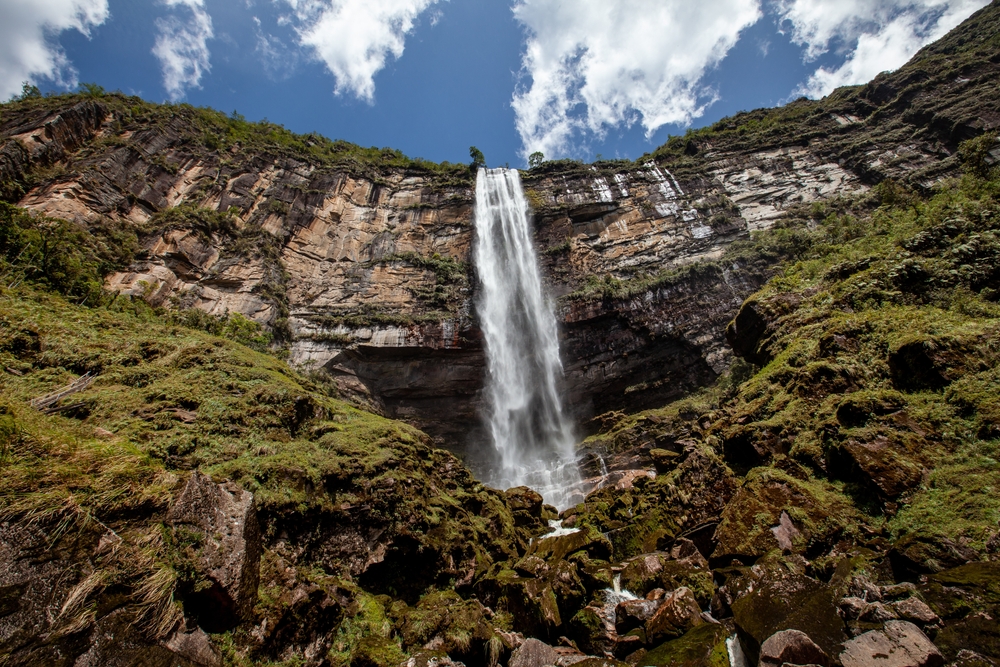
Among the waterfalls and water sources nestled in the region, Gocta particularly deserves a detour. It consists of 2 successive waterfalls measuring 771 meters. It is the third-highest waterfall in the world. Gocta is located one hour's drive from Chachapoyas city. It can be reached via a trek departing from the village of San Pablo de Valera, lasting 2 hours.
Revash Mausoleums
This funerary site revealed several mummies at 2,800 meters altitude. Adorned with numerous frescoes, the Revash mausoleums are described as a two-story estate painted in red. Inside, the mummies were preserved in cotton sacks.
The Sarcophagi of Karajía
These are pre-Inca tombs found on the face of the Karajía cliff. The 6 sarcophagi discovered are made of earth and stone. They are covered with a layer of earth decorated with various motifs and drawings. Built as dwellings inaccessible to tomb raiders, these Chachapoyas sarcophagi bear witness to the deep respect the civilization accorded to the deceased.
Village of Huancas
In this traditional village, the art of pottery has been carefully preserved—a cultural heritage that local potters willingly share with you. Moreover, you can purchase various authentic objects as mementos of your journey to Pérou.
Climate
The city of Chachapoyas possesses a warm oceanic climate with no dry season. The average annual temperature is 15.5°C. Precipitation averages 445.8 mm per year.
Best Times to Visit Chachapoyas?
The recommended months to visit Chachapoyas are June, July, and August. During this period, the weather is pleasant; it rarely rains. Temperatures are quite high, so you won't risk catching a chill.
Bus travel is the best solution to reach Chachapoyas city. Departures are from Lima. The journey takes approximately 22 hours. You can also find buses to Chachapoyas from Chiclayo. In this case, travel time is 10 hours.
Taxis are available for exploring the city center. For other sites outside the city, you can choose between trekking or car rental.
What to Do in Chachapoyas
∙ Plan a trek to Gocta waterfall
∙ Visit the village of Huancas, famous for its pottery
∙ Climb to Kuelap and stay in a villager's home
∙ Discover Karajía, its cave and mausoleum, etc.
Attractions in The Chachapoyas Region
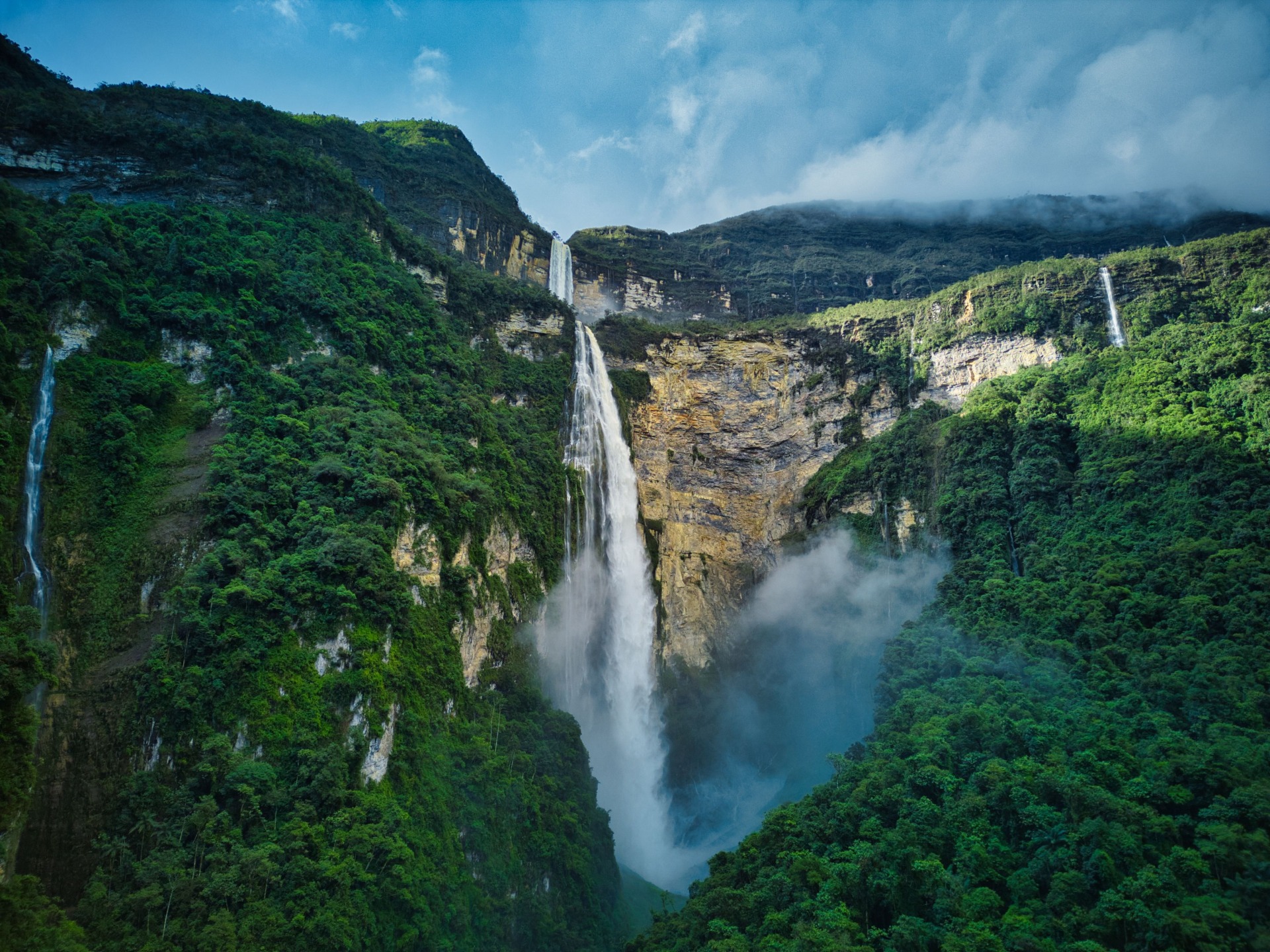
Cascade de Gocta
La cascade de Gocta, localement connue sous le nom de « La Chorrera », est l'une des chutes d'eau les plus impressionnantes du Pérou avec ses 771 mètres de hauteur totale.
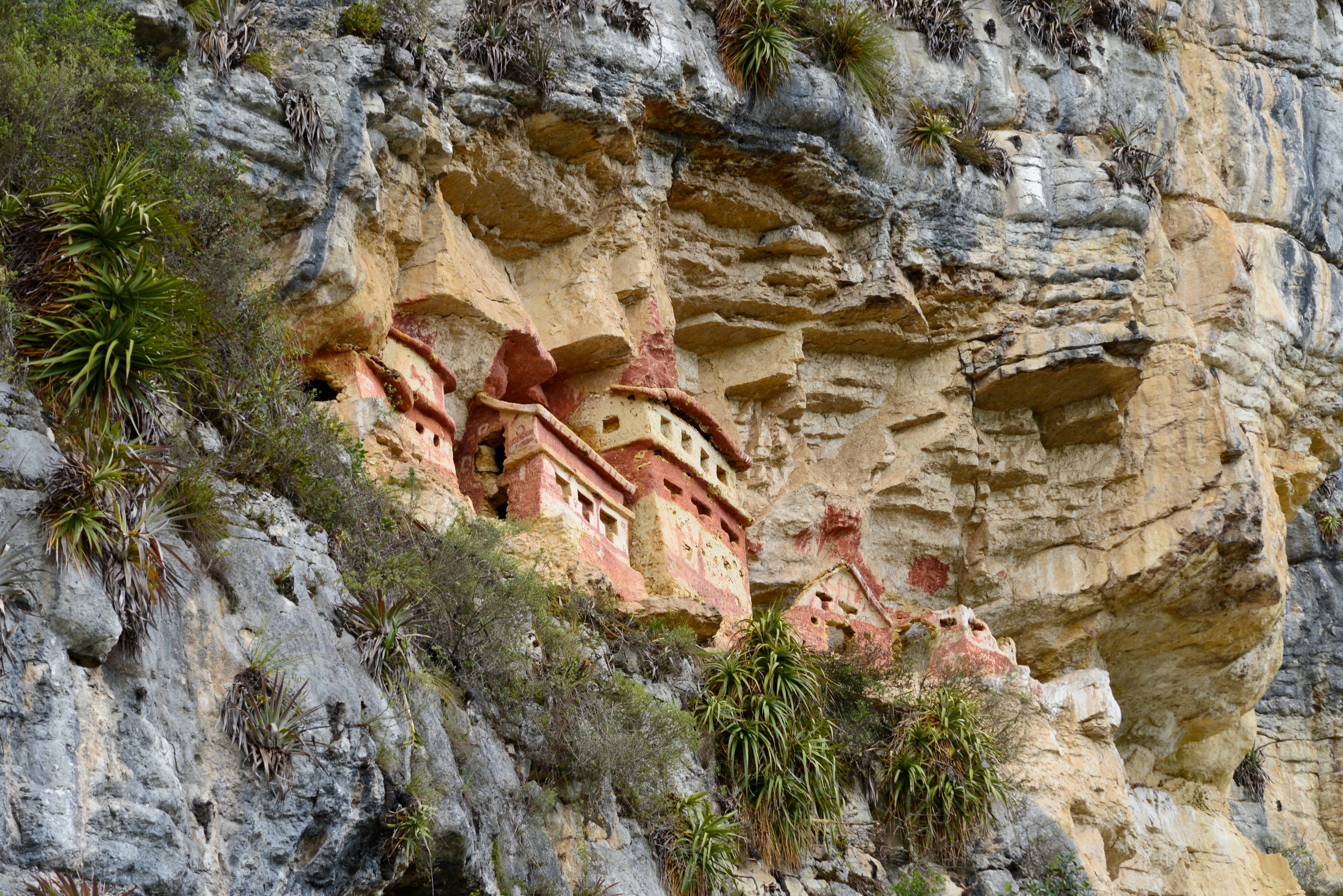
Mausolées de Revash
Les Mausolées de Revash forment un site funéraire de la culture Chachapoyas (900 à 1450 après J.-C.), accroché à une falaise calcaire du Cerro Carbón, dans le nord du Pérou.
Want to discover this destination?
Our local advisors design your tailor-made trip.