Mount Mismi
Mount Mismi
An Andean peak of 5597 m near Arequipa, Mount Mismi is recognized as the remotest source of the Amazon. Complete climbing guide.
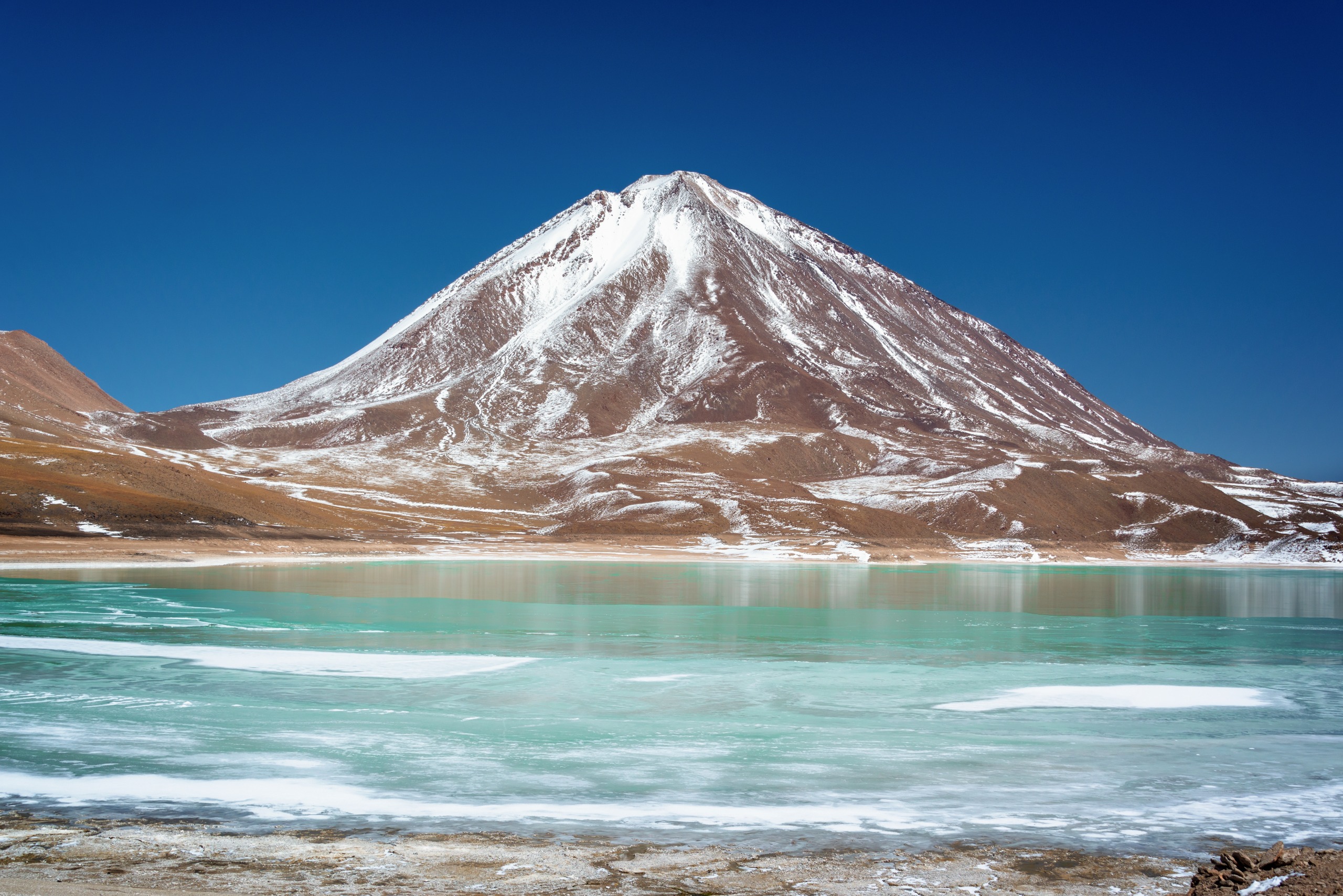
Mount Mismi is a summit in the Andes Cordillera reaching 5597 meters, located in the Arequipa region in southern Peru. Less frequented than its neighbors Misti and Chachani, it owes its renown to a major geographical fact: one of its glacial streams has been identified as the remotest source of the Amazon. Its ascent remains accessible to hikers trained and acclimatized to high altitude.
Why visit Mount Mismi
Mismi attracts a targeted audience: hikers seeking an infrequently visited Andean peak, hydrography enthusiasts, travelers extending their stay in the Colca valley. The main interest of the site lies in its dual dimension:
- A summit over 5500 m that is technically approachable, with no climbing passages
- A singular hydrological status as the starting point of the longest river basin in South America
- Well-represented Andean fauna, with regular sightings of vicuñas, alpacas and condors
The history of the Amazon's source
The identification of Mismi as the remotest source of the Amazon is the result of several scientific expeditions. The expedition led by Jean Michel Cousteau in 1982, followed by that of the National Geographic Society in 2001, confirmed that waters from Mismi do indeed feed the Amazon basin. Complementary surveys in 1996, 1998 and 2007 further supported these findings.
Specifically, two glacial streams descend from the summit: the Apachita and the Carhuasanta (Qarwasanta). Their waters join the Apurímac, which then flows into the Ucayali, then into the Marañón, which forms the Amazon after confluence. It should be noted that more recent studies (2014) have reignited the scientific debate by proposing the Mantaro as the remotest source. The designation of Mismi, however, remains the most widely accepted and the one that serves as reference on the ground.
What to see and do here
The summit and its glaciers
The peak is home to several glaciers, including the Choquecorao and the Quehuisha, still visible despite the retreat observed across all Andean summits. The commemorative plaque installed near the symbolic source is one of the classic stopping points of the ascent.
High-altitude fauna
The area is harsh but is home to adapted wildlife. Vicuñas, protected for their particularly fine wool, are frequently observed in small groups on the plateaus. Domesticated alpacas and condors complete the picture. Vegetation is limited to species tolerant of frost and the aridity of the puna.
Practical advice for the ascent
Mismi is considered a non-technical ascent, but the altitude makes it a serious objective. Prior acclimatization is essential: plan several days in Arequipa (2335 m) then in the Colca valley (3000-3600 m) before ascending.
The classic itinerary begins at Tuti, around 4000 m. The first day leads to the base camp, situated around 5000 m. The summit push is undertaken the next dawn: allow approximately 3 hours for the ascent and 1 hour for the descent back to camp.
Equipment to bring:
- Warm technical clothing, windbreaker and gloves
- High-ankle hiking boots, gaiters, trekking poles
- Tent and sleeping bag rated for sub-zero temperatures
- Water reserves, energy-rich food, first aid kit
- Crampons useful depending on snow conditions, though not systematically required
Using an experienced local guide is highly recommended: mapping is minimal, terrain changes depending on the season, and a guide brings direct knowledge of the environment and the communities you'll cross.
When to go
The dry season, from May to September, is the prime window for ascending. Days are sunny, nights are cold (negative temperatures at base camp) and snowfall is limited. From November through March, the rainy season makes access trails difficult and increases risks at altitude (thunderstorms, fresh snow, reduced visibility). June to August remains the most stable period, offering a balance between conditions and visitor numbers.
How to get there
The logistical starting point is Arequipa. The route first leads to Chivay, the main town in the Colca valley, then climbs through the villages of Canocota and Tuti. Another option is to reach Yanque and then continue in a four-wheel-drive vehicle to the foot of the massif. The trek then begins on foot from Tuti, around 4000 m.
Most travelers combine Mismi with a prior visit to the Pampa Cañahuas National Reserve, crossed along the Arequipa-Chivay route.
What to see nearby
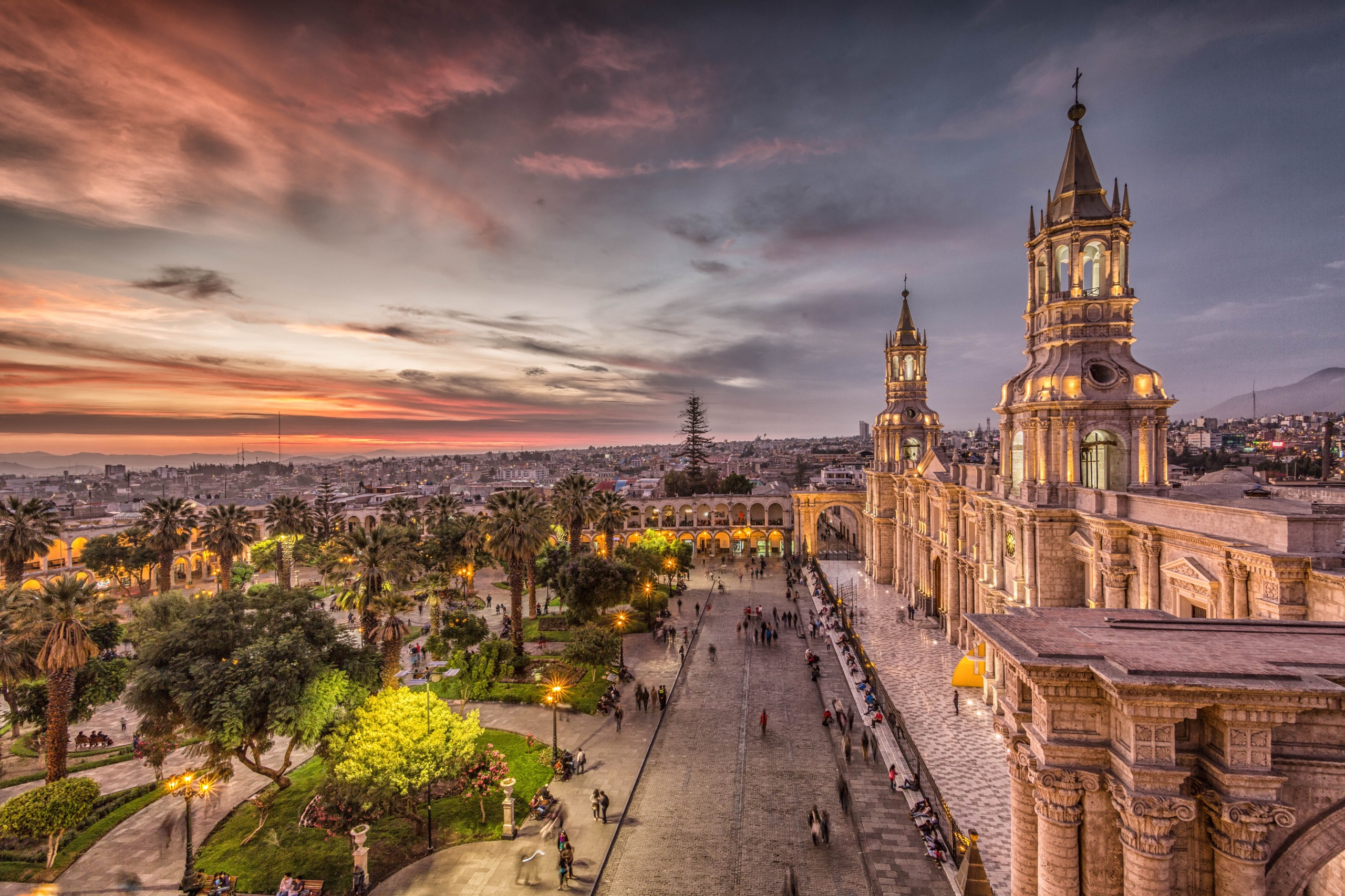
- Arequipa: the white city, the logical departure base for the Colca and Mismi
- Pampa Cañahuas: high-altitude reserve renowned for its vicuñas
- Salinas and Aguada Blanca: protected Andean zone near Arequipa
- The Colca valley and its canyon, accessible from Chivay
Frequently asked questions
Frequently asked questions
To incorporate Mismi into a broader itinerary combining Arequipa, Colca canyon and the high Andean plateaus, consult our suggestions for travel to Peru.
Nearby
Interested in this visit?
We can include it in your personalised itinerary.