Setting a Budget for Your Trip to Peru
Planning a vacation budget is never straightforward, as it depends on information we don't always have at hand, and prices can easily vary from one extreme to another,
Planning a vacation budget is never entirely straightforward, as it depends heavily on information we don't always know beforehand, and prices can easily swing from one extreme to another, whether for hotels or restaurants—both of which can quickly inflate your travel costs or, conversely, deliver pleasant surprises and impressive savings.
How to plan a budget in Peru: hotels and restaurants
As we often say, there's a Peru for everyone! The offerings are quite diverse, both in dining and accommodation. You can find a budget hotel or a luxury property, a high-end restaurant or a charming little eatery. To calculate your budget, we'll focus on these two aspects to guide you through the most common rates when traveling in Peru. This way, you'll be able to make savings or organize your Peru stay according to your means!
Accommodation: finding budget or luxury hotels in Peru
Budget hotels in Peru (hostals)
Peru is a country full of great deals, and hotels are no exception. Accommodation is a major budget item where you can significantly influence your vacation costs, as there are several types of affordable hotels, such as youth hostels, guesthouses, and "hostals" (very budget hotels). Don't hesitate to negotiate prices a bit if you're traveling in a group—you might secure a small discount—and check out two or three places to choose the cheapest or most comfortable option. We recommend these ultra-budget hostals to solo travelers. Amerika Voyages does not have contacts with these hostals and does not book this type of accommodation for its clients.
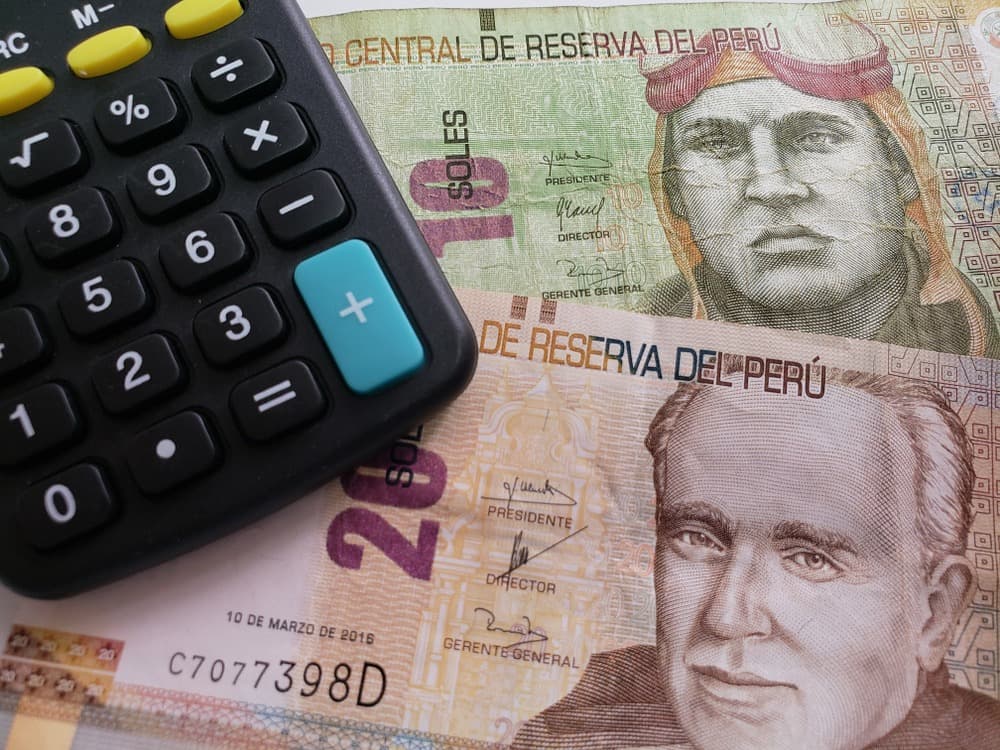
There's a range of prices oscillating between 10 and 60 soles per night in the hostal category, depending on the room, breakfast, whether there's a shower in the room, and whether there's hot water... so as you might guess, the cheaper it is, the less comfort you get. But in some cases, you just need a good bed and nothing more, so 15 soles will suit you perfectly. Don't hesitate to ask to see the room you'll be given and test the water before paying—you'll avoid a nasty surprise. These kinds of hotels tend to disappear in cities and now exist only in the provinces, in small towns.
Mid-range and luxury hotels
Mid-range typically refers to 3-star hotels, meaning establishments where you're certain to have all standard amenities like television, a reception desk, showers, hot water, internet, etc. However, it's worth noting that star ratings aren't yet perfectly standardized—some 3-star hotels barely deserve two stars, while some 2-star properties could easily have three!
As for luxury hotels, Peru increasingly offers an impressive selection of high-end and refined properties, so it would be a shame to remain stuck with the backpacker cliché about Peru, when it's entirely possible to enjoy exceptional comfort.
As an example, prices for a good hotel in Peru can be summarized in these figures:
- Mid-range hotel: 45 to 90 euros
- Luxury hotel: 100 to 160 euros
- Ultra-luxury hotel: over 160 euros
Dining: finding a restaurant in Peru
Peru is increasingly showcasing its extraordinary gastronomy, year after year, and has already held the title of world's best cuisine for two years running! You simply cannot make this trip without visiting restaurants, but rest assured there are both traditional and affordable dining options as well as high-end establishments—and overall, eating in Peru is quite affordable.
Here are approximately the prices you can expect to find in restaurants in Peru's major cities to help you budget for dining:
- Budget restaurant: 15 soles or less (5 to 6 euros or less)
- Standard restaurant: between 25 and 40 soles (less than 10 euros)
- Gastronomic restaurant: between 40 and 60 soles
- High-end restaurant: from 60 soles and up
NOTE: don't forget to tip service staff (servers, housekeeping, etc.), as even though this practice has nearly disappeared in France, it remains standard in Peru and more than half of employees' salaries depend on tips. At restaurants, the custom is to leave approximately 5 to 10% of the bill amount. Be aware, however, that in some restaurants the bill indicates that service is included ("servicio incluido"), but servers may still ask customers directly, especially when paying by card, if they want to "add a tip"—showing them the payment terminal where it's now possible to add a certain amount on top of the bill. Tipping is a voluntary act at the client's discretion and is never obligatory.