Tips to Avoid Altitude Sickness in Perú
Altitude sickness is called soroche in Perú. It is a set of symptoms related to oxygen deprivation at high altitude. Each individual has a very different sensitivity to this type of phenomenon
Managing Soroche in the Mountains
Soroche: What Is It?
Altitude sickness is called soroche in Perú. It is a set of symptoms related to oxygen deprivation at high altitude. Each individual has a very different sensitivity to this type of phenomenon, including headaches, dizziness, nosebleeds, vomiting, loss of appetite, pain behind the head, fatigue, and more. In more severe cases, some people may suffer from pulmonary or cerebral edema.
The cause of soroche is an ascent that occurs too rapidly, followed by an extended stay at that elevation. For example, a person ascending to 4,000 meters by cable car who descends an hour later will not suffer from soroche. However, if you drive for several hours through mountains and pass high mountain passes, or if you fly to a high-altitude destination to spend several days of sightseeing, symptoms will appear.
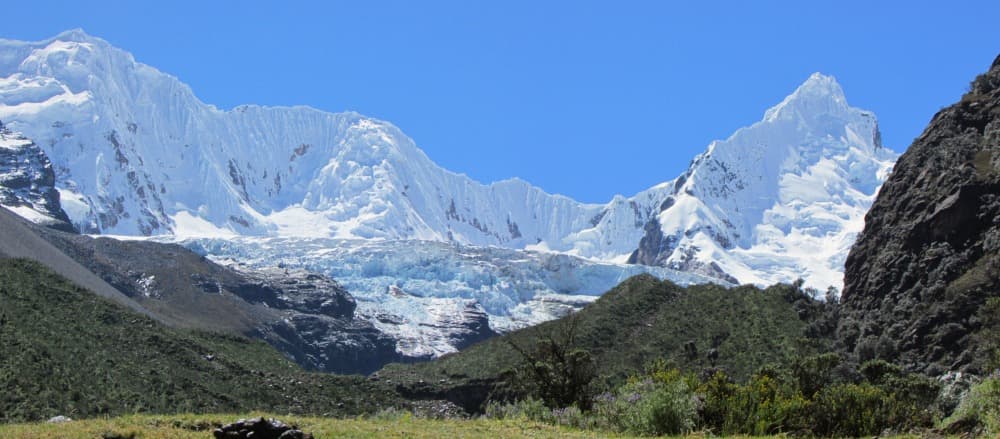
In Perú, you may experience soroche or altitude sickness in many locations in the sierra, particularly when crossing mountain passes (such as the Ticlio Pass), beginning an ascent of peaks, or visiting natural parks at very high altitudes (Huaraz, Huascarán, the Puno region, and so on). Arrival in Cusco very often brings with it the rapid onset of symptoms, just a few hours after landing.
Soroche: Proven Strategies to Combat Altitude Sickness in Perú
Generally, everyone will have warned you at a certain location: "you will experience altitude sickness", but like many travelers, when the moment arrives… "It doesn't affect me", "I feel perfectly fine", "I'm used to it, I'll visit anyway…" and an hour or two later, those same people are found at the back of the bus or in their hotel rooms, clutching their heads, desperately asking someone to bring them something to ease their pain. Believe us, believe the guides, believe the locals… It is far better to lose a few hours for acclimatization than to suffer several days of unpleasant symptoms.
Here Is a List of Proven Tips to Avoid or Reduce the Effects of Altitude Sickness
- Drink coca leaf tea or chew coca leaves about an hour before reaching the highest point or landing the plane.
- Continue to have small glasses of coca leaf tea from time to time on the first day.
- Rest for two or three hours without moving to help your body adjust to the altitude (For example, if you arrive in Cusco, the ideal approach is to drop your luggage at the hotel, take a nap, and then begin sightseeing)
- Stay well hydrated, even if you don't feel particularly thirsty
- Don't eat too much on your first day at altitude
- Carry pain-relief tablets with you in case the headache becomes too intense (analgesic treatment)
- Walk more slowly than usual, especially on your first day at altitude, and breathe calmly
- Avoid strenuous exertion
- Avoid alcohol at the beginning of your high-altitude stay
- While on a bus or in a car, look ahead and remain as calm as possible