Pacific Coast Region
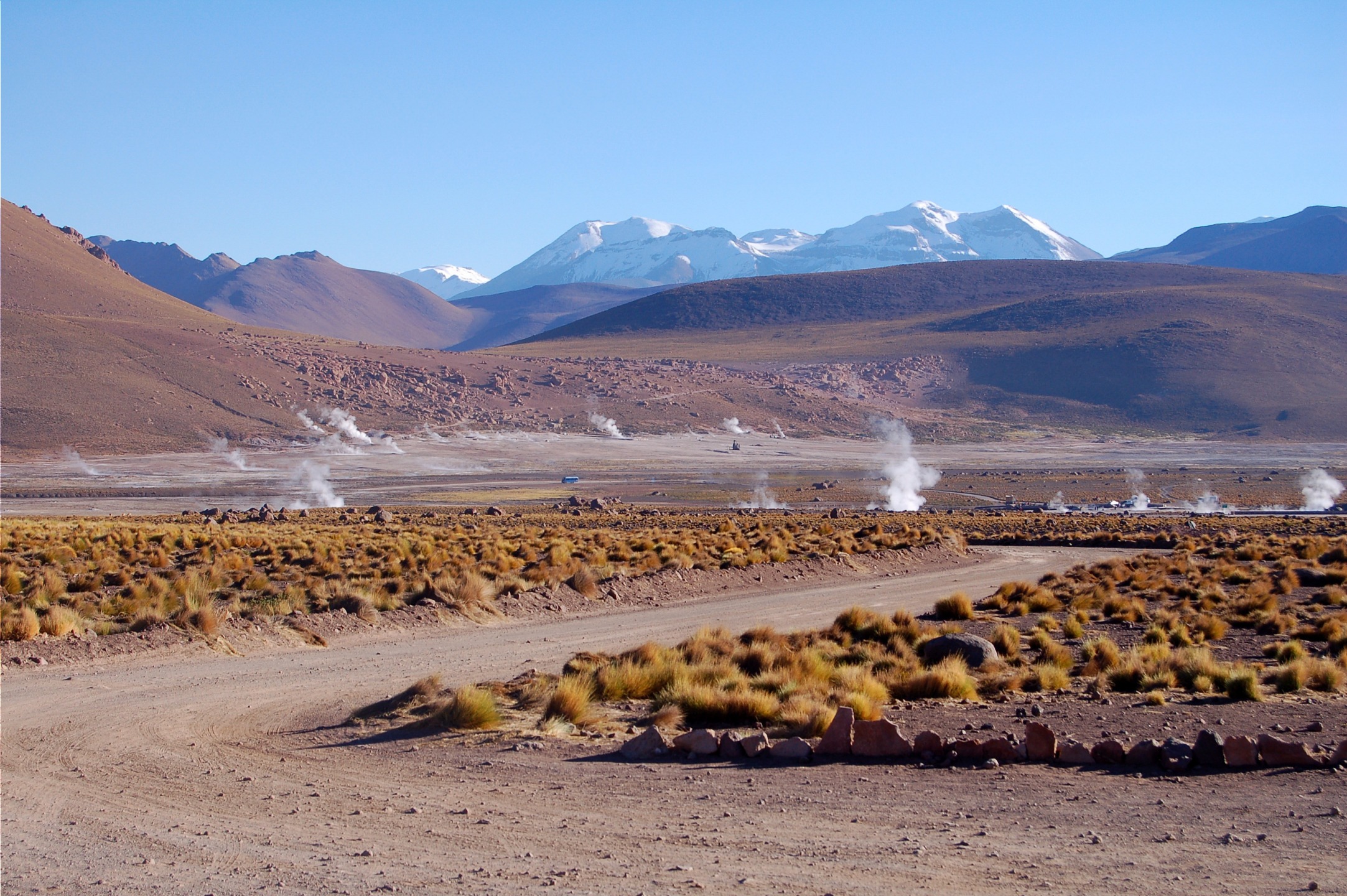
Peru's Pacific coast, or Costa, stretches approximately 2,500-3,000 km from the Ecuadorian border in the north to the Chilean border in the south. It is a long, arid coastal plain bordered by the Pacific Ocean to the west and the Andes Mountains to the east.
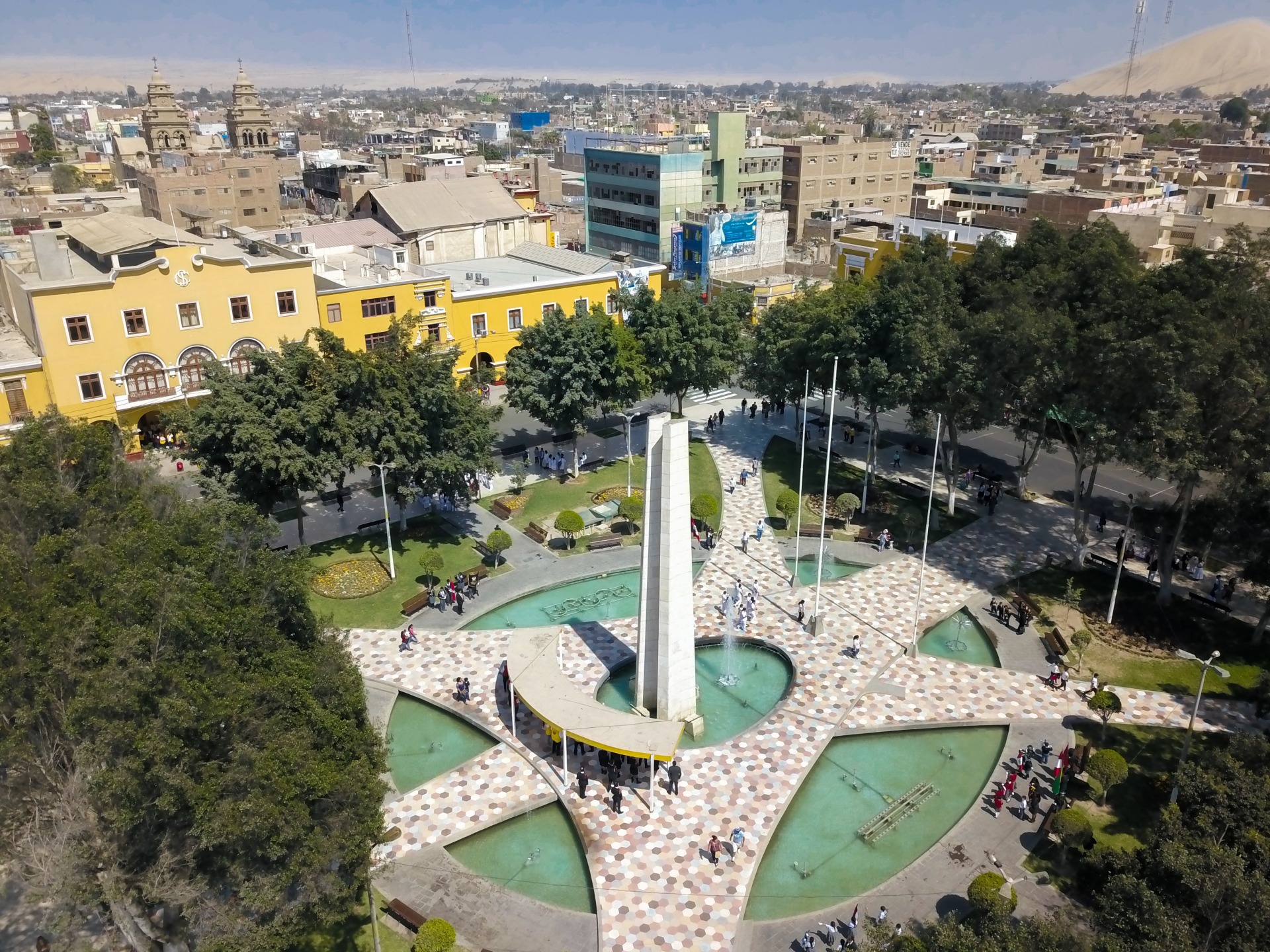
Peru's Pacific coast, or Costa, stretches approximately 2,500–3,000 km from the Ecuadorian border in the north to the Chilean border in the south. It is a long, arid coastal plain bordered by the Pacific Ocean to the west and the Andes Mountains to the east. This zone accounts for just 10% of Peruvian territory, yet it is the most densely populated region, home to over 60% of the population, concentrated near fertile valleys. The Peruvian Pacific coast offers incredible richness in landscapes, cultures, biodiversity, and history. It encompasses arid deserts, fertile valleys, spectacular beaches, charming villages, and vibrant cities. By exploring this region, you'll discover the multifaceted character of a country steeped in heritage and natural beauty.
Climate
The Pacific coast of Pérou features a subtropical desert climate, with high temperatures, particularly in the northern section. The region is dominated by the coastal desert, one of the driest in the world. However, certain areas benefit from high humidity, especially around the country's center and in river valleys. The best time to visit the Peruvian Pacific coast is between December and March, when temperatures are pleasant, ranging from 25°C to 30°C. Conversely, temperatures drop between 15 and 20°C from June to August.
History and Culture
The Peruvian Pacific coast region is rich in history, home to some of the Americas' oldest civilizations. Pre-Columbian cultures left indelible marks in the form of ruins, geoglyphic lines, and artworks.
The Moche (100–800 CE)
This civilization is renowned for its monumental temples and sophisticated ceramics. The archaeological site of Huaca del Sol and Huaca de la Luna, near Trujillo, is an impressive testament to their engineering and artistry.
The Nazca (200 BCE–600 CE)
Famous for the mysterious Nazca Lines—giant geoglyphs etched into the desert, visible only from the sky—they continue to captivate researchers and travelers alike.
The Chimú (900–1470 CE)
Their capital, Chan Chan, near Trujillo, is the largest pre-Columbian adobe city in the Americas and a UNESCO World Heritage site.
Biodiversity and Ecosystems
The Peruvian Pacific coast region is home to diverse ecosystems, ranging from mangroves to deserts. These support rich biodiversity, with many endemic species.
Fauna
The Peruvian Pacific coast is a hotspot for birdwatching and migratory species from around the world. The Pacific Ocean teems with marine life, including dolphins, sea turtles, and whales, particularly visible during migration season.
The Ballestas Islands and the Paracas National Reserve are sanctuaries for animals such as sea lions and Humboldt penguins. A wide variety of seabirds can also be seen, including pelicans, cormorants, and boobies.
Species such as llamas, vicuñas, and Andean foxes can be found in the more arid and mountainous zones adjacent to the coast.
Tumbes Mangroves
Located at the country's far north, the Tumbes mangroves are a unique ecosystem where freshwater rivers meet the ocean's salt water. They are essential for the reproduction of many fish and crustacean species and serve as refuge for a great variety of birds.
Deserts and Dunes
The coastal deserts, such as those of Ica and Nazca, offer spectacular landscapes with their sand dunes and rock formations. These areas are also rich in history, featuring the famous Nazca Lines—immense geoglyphs traced in the desert floor by the Nazca civilization.
Cities and Historical Sites
The Peruvian Pacific coast region offers a wealth of attractions for travelers from all backgrounds. Here are some essential sites and destinations to discover:
Lima
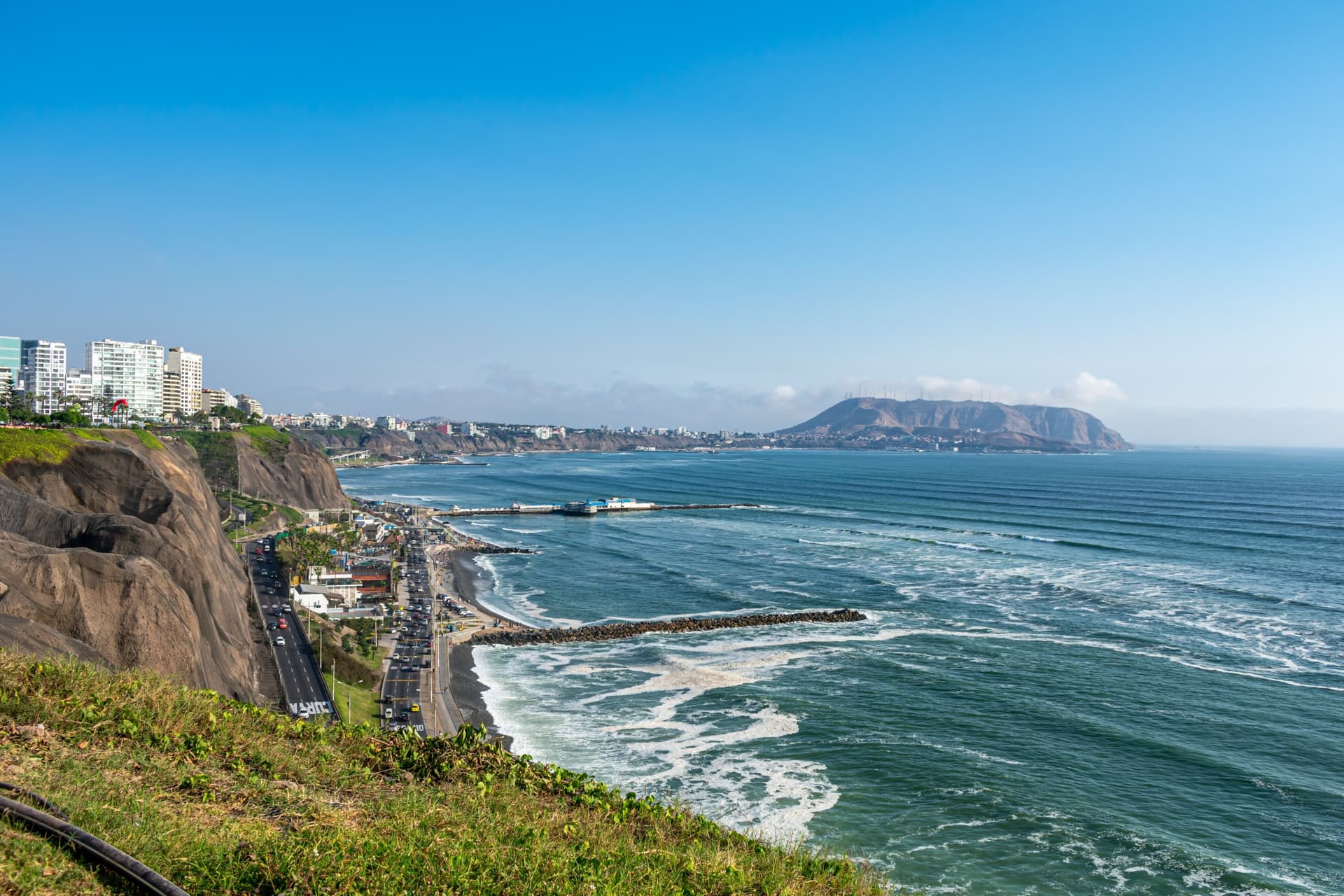
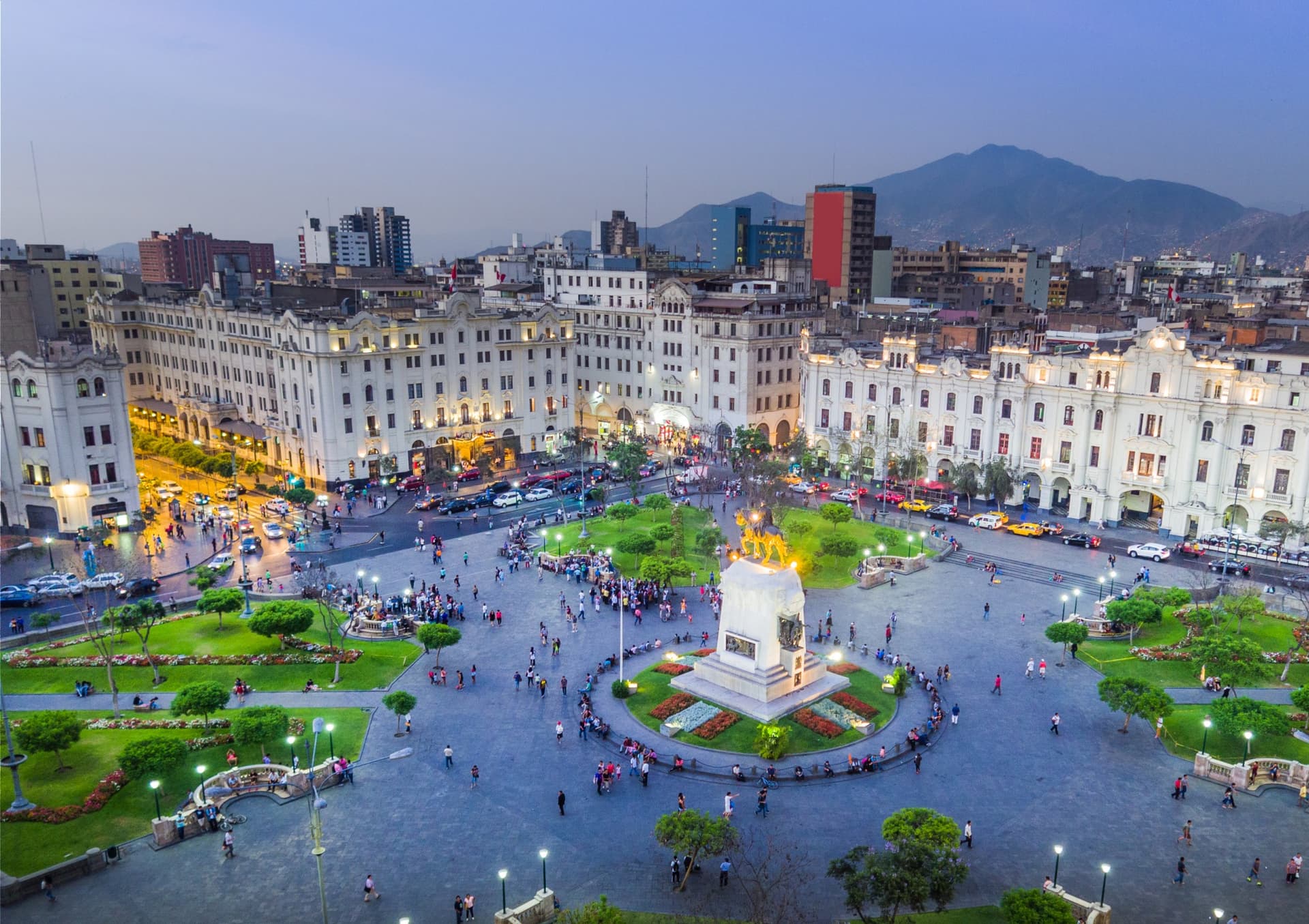
Lima, Pérou's current capital, is the starting point for many Pacific coast explorations. Founded in 1535 by Francisco Pizarro, Lima is a cosmopolitan city where the old and new coexist harmoniously.
The historic center, a UNESCO World Heritage site, is filled with beautifully preserved colonial buildings, including:
- The Convent of San Francisco
- Plaza Mayor
- Parque de la Muralla
- Lima Cathedral
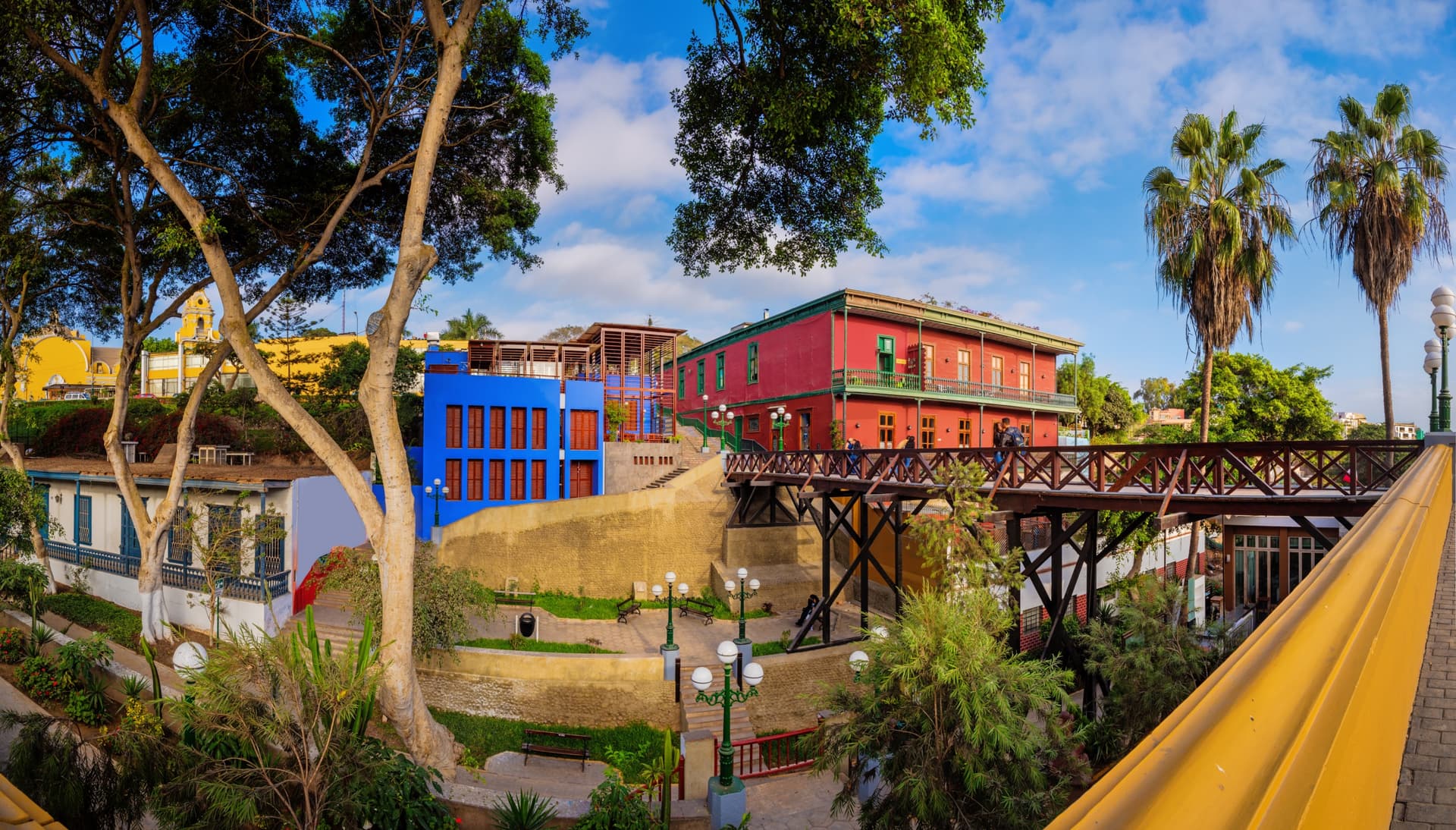
The historic quarter contrasts with modern neighborhoods like Barranco and Miraflores, famous for their vibrant nightlife and world-class restaurants.
Trujillo
Trujillo is another key city on the Pacific coast, located further south and characterized by an even more arid climate. Founded in 1534 by Spanish conquistadors, it was the first locality to gain independence. This city was once considered the country's capital.
Known for its colorful festivities, such as the Marinera Festival, and its major archaeological sites, including the ruins of Chan Chan and the temples of Moche culture.
Ica and Huacachina
Visitors can stop in Ica and explore its archaeological museum, which features exhibits on a mysterious pre-Columbian civilization. Among the most fascinating discoveries are mummies with elongated skull shapes, some bearing trepanation marks. The museum also displays colonial-era artworks.
Meanwhile, the Huacachina oasis lies near Ica. Numerous bars and restaurants are available in this unique location. It is surrounded by sand dunes perfect for sandboarding and buggy rides.
Beaches and Water Activities
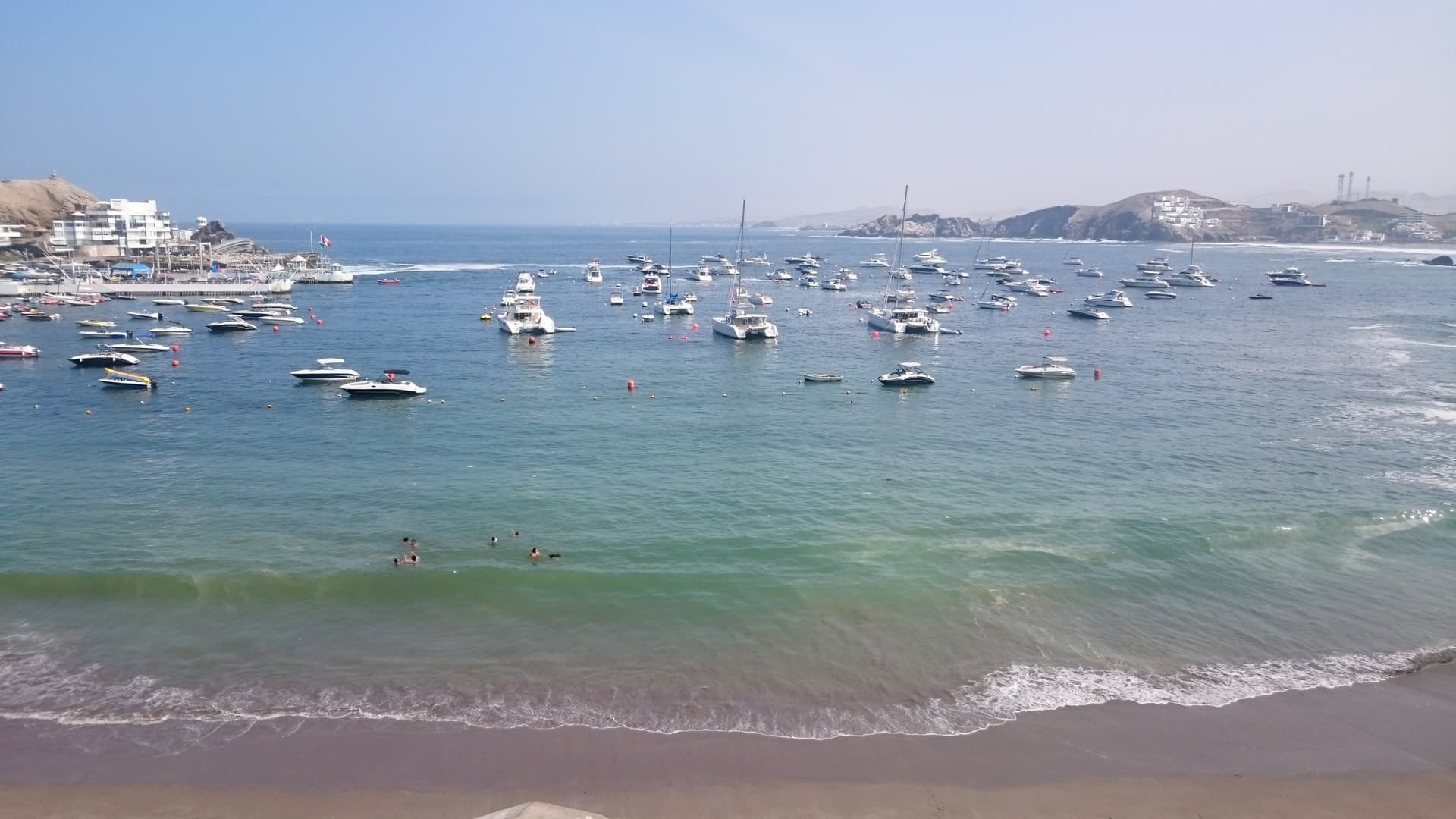
The Peruvian Pacific coast boasts some of South America's most beautiful beaches. Here are some must-visit destinations:
Máncora
Located in the country's north, Máncora is famous for its fine sand beaches and excellent surf conditions. This small fishing village has transformed into a popular tourist destination, attracting backpackers and vacationers seeking relaxation. The nightlife is lively, with numerous beachfront bars and restaurants.
Punta Sal
Also in the north, Punta Sal is known for its calm, warm waters, ideal for swimming and diving. Luxury resorts and beachfront bungalows make this locale perfect for a relaxing getaway.
Gastronomy
Peruvian gastronomy is globally recognized, and the Pacific coast plays a central role in this reputation. Coastal cuisine is rich in seafood and fresh fish.
Ceviche
This is the emblematic dish of the Pacific coast. It is prepared with raw fish marinated in lime juice, mixed with red onions, chili peppers, and cilantro. The dish is typically accompanied by corn and sweet potatoes, offering a perfect combination of flavors and textures.
Other Delights
Beyond ceviche, the Pacific coast offers a variety of delicious dishes, including:
- Jalea, or fried seafood
- Arroz con mariscos, or seafood rice
- Parihuela, or spicy seafood soup
- Tiradito, or raw fish similar to ceviche but without onions
Furthermore, pisco sour is Pérou's national cocktail, made with pisco (a grape brandy), lime juice, simple syrup, egg white, and Angostura bitters.