Northern Chile
Northern Chile is a fascinating region, remarkable for both its geographic diversity and cultural richness. Situated between the Pacific Ocean and the Andes mountain range, it offers spectacular panoramas and unique experiences.
Northern Chile is a fascinating region, remarkable for both its geographic diversity and cultural richness. Situated between the Pacific Ocean and the Andes mountain range, it offers spectacular panoramas and unique experiences. This region is also closely linked to Perú, not only geographically but also historically and culturally. Whether you are passionate about history, nature, or culture, this destination promises unforgettable memories and a deep immersion into Andean spirit.
Climate
Northern Chile is renowned for its desert climate, dominated by the Atacama Desert. Temperatures there are highly variable with:
- Hot days often exceeding 30°C
- Nights that can drop below 0°C.
Precipitation is quite rare, and humidity is generally very low, although coastal mist (called "camanchaca") brings some moisture along the coast. At high altitude in the Andes, the climate becomes colder and more variable, with possibilities of snow.
The best time to visit Northern Chile is between April and November, during the dry season.
Treasures of Northern Chile
The Atacama Desert
The Atacama Desert, often described as the most arid desert in the world, is a must-see in Northern Chile. Temperatures sometimes drop to -10°C during the night and rise to 50°C during the day. With its lunar landscapes, geysers, colored lagoons, and spectacular valleys, this desert attracts thousands of visitors each year.
The charming town of San Pedro is the departure point for exploring the Atacama Desert. You'll find a variety of accommodations, local restaurants, artisanal shops, and more.
The Valley of the Moon, located a few kilometers from San Pedro, is famous for its strange rock formations, salt caverns, and lunar landscapes. It's an ideal place to observe the stars. Moreover, sunset is a magical moment not to be missed, where the desert's colors shift from deep red to violet.
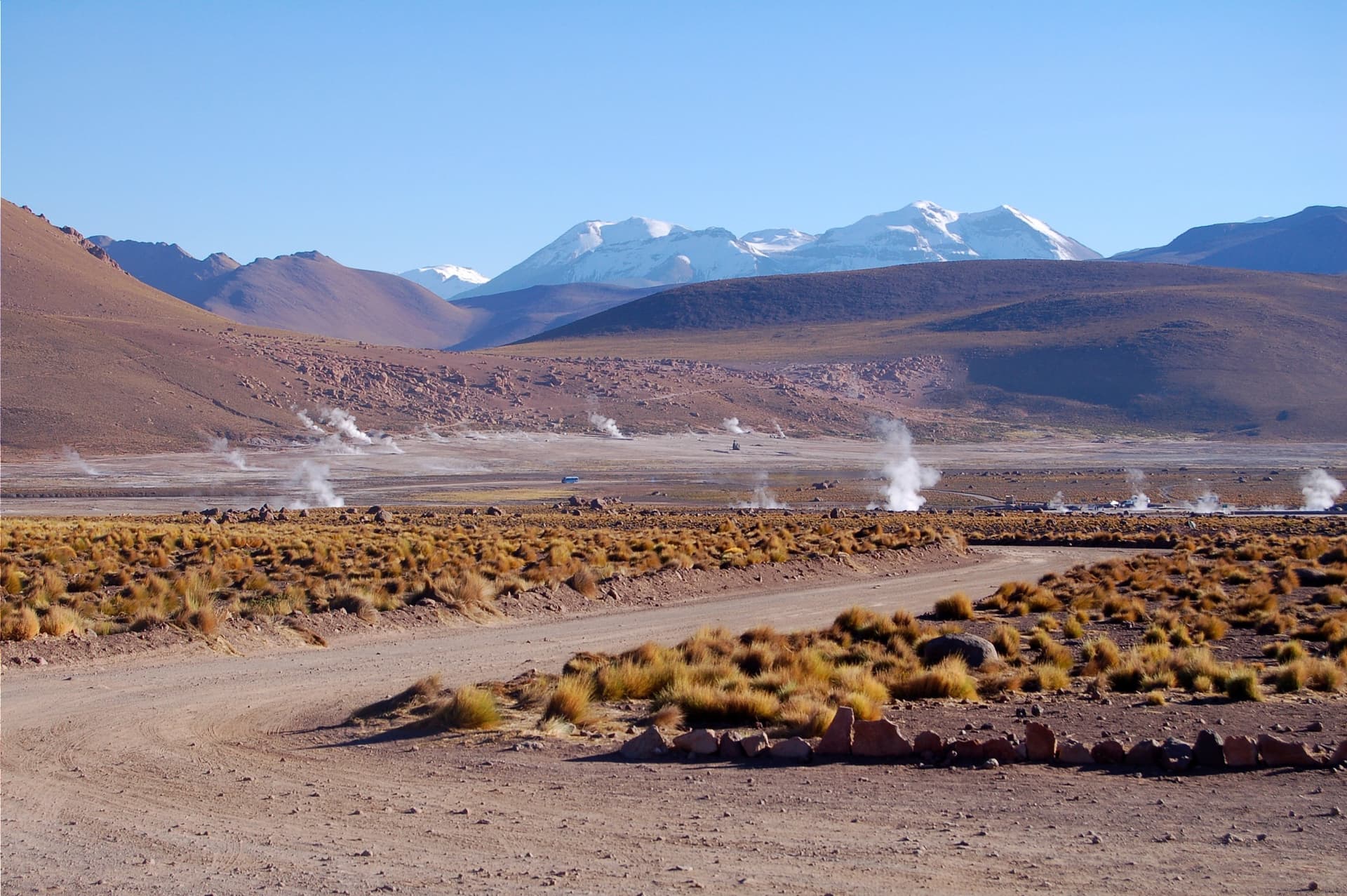
The Tatio Geysers, located at more than 4,000 meters of altitude, offer an impressive spectacle with their columns of steam shooting out of the earth. Excursions begin early in the morning to see them in action at sunrise. Hot springs and natural pools of hot water with temperatures above 35°C, such as those at Jurasi, are available nearby.
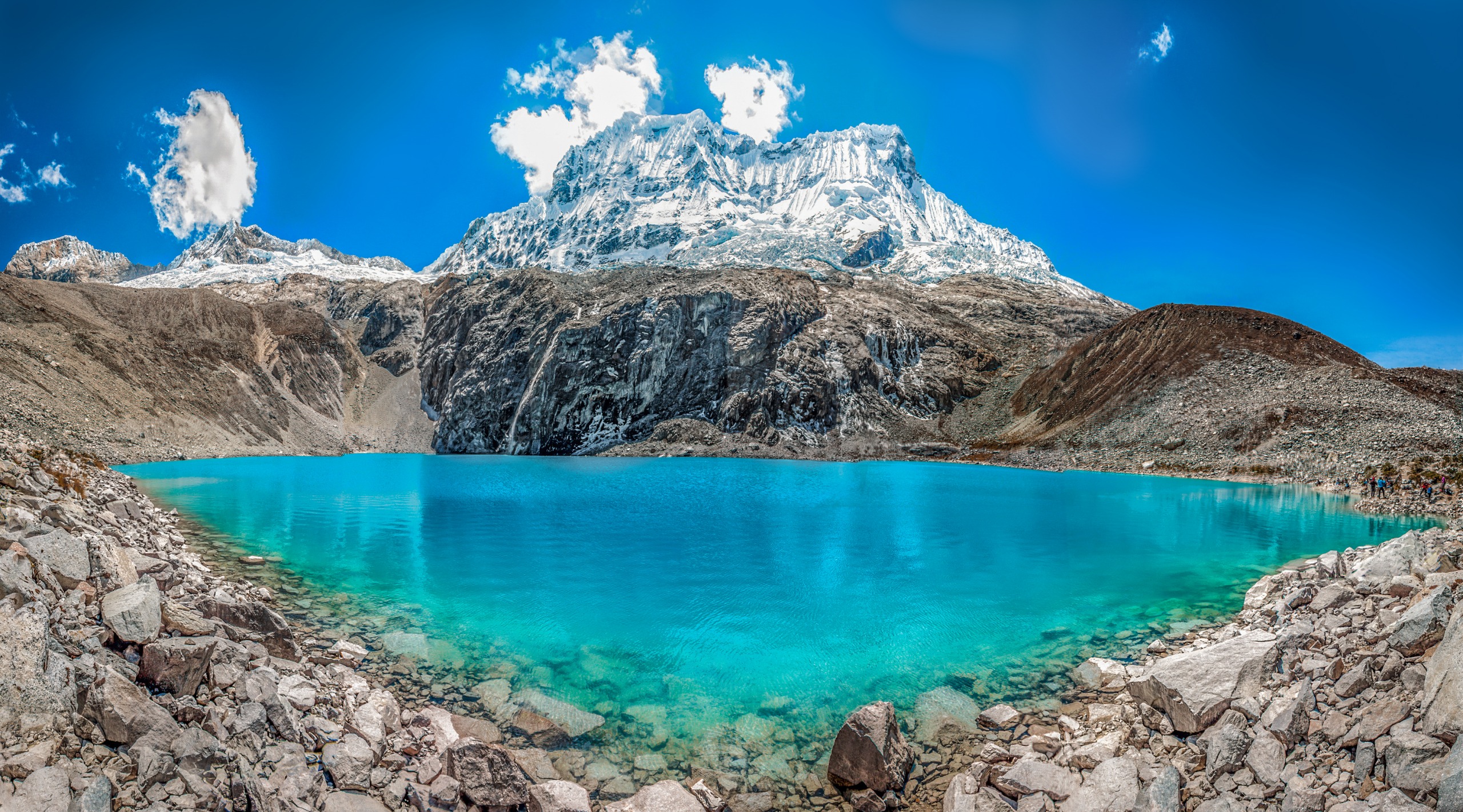
Located at high altitude, the Miscanti and Miñíques lagoons are hidden gems of the Atacama Desert. They are known for their turquoise waters and surroundings populated by pink flamingos, vicuñas, and Andean foxes.
The Arica Region
This region bordering Perú is rich in history and nature. Nicknamed the "City of Eternal Spring," Arica is a lively coastal city with numerous attractions. The climate is pleasant almost year-round, with high summer temperatures and mild winter temperatures. Among Arica's city attractions are its magnificent cathedral and the old customs building. The SAN Miguel de Azapa archaeological museum is worth visiting to discover exhibits on Inca, Chinchorro, and Tiwanaku cultures.
Furthermore, the beaches of Chinchorro, El Laucho, La Lisera, and Corazones are ideal for relaxation and water sports. The El Morro promontory or hill allows you to admire a panoramic view of the city and coast. It is also an important historical site, marked by the Battle of Arica in 1880. There is also a museum there.
Located in the Andes, Lauca National Park is a must-see attraction for nature lovers. One of the highest lakes in the world, Lake Chungará, is found there and is surrounded by twin volcanoes such as Parinacota and Pomerape. Furthermore, the park is home to an impressive diversity of animals such as rheas, guanacos, alpacas, llamas, condors, vicuñas, pink flamingos, and more.
Iquique
Iquique is a dynamic port city with a rich history tied to nitrate exploitation. Today, it is known for its magnificent beaches such as Cavancha and Brava, perfect for relaxation and water sports. Iquique is also renowned for its historic buildings and attractions.
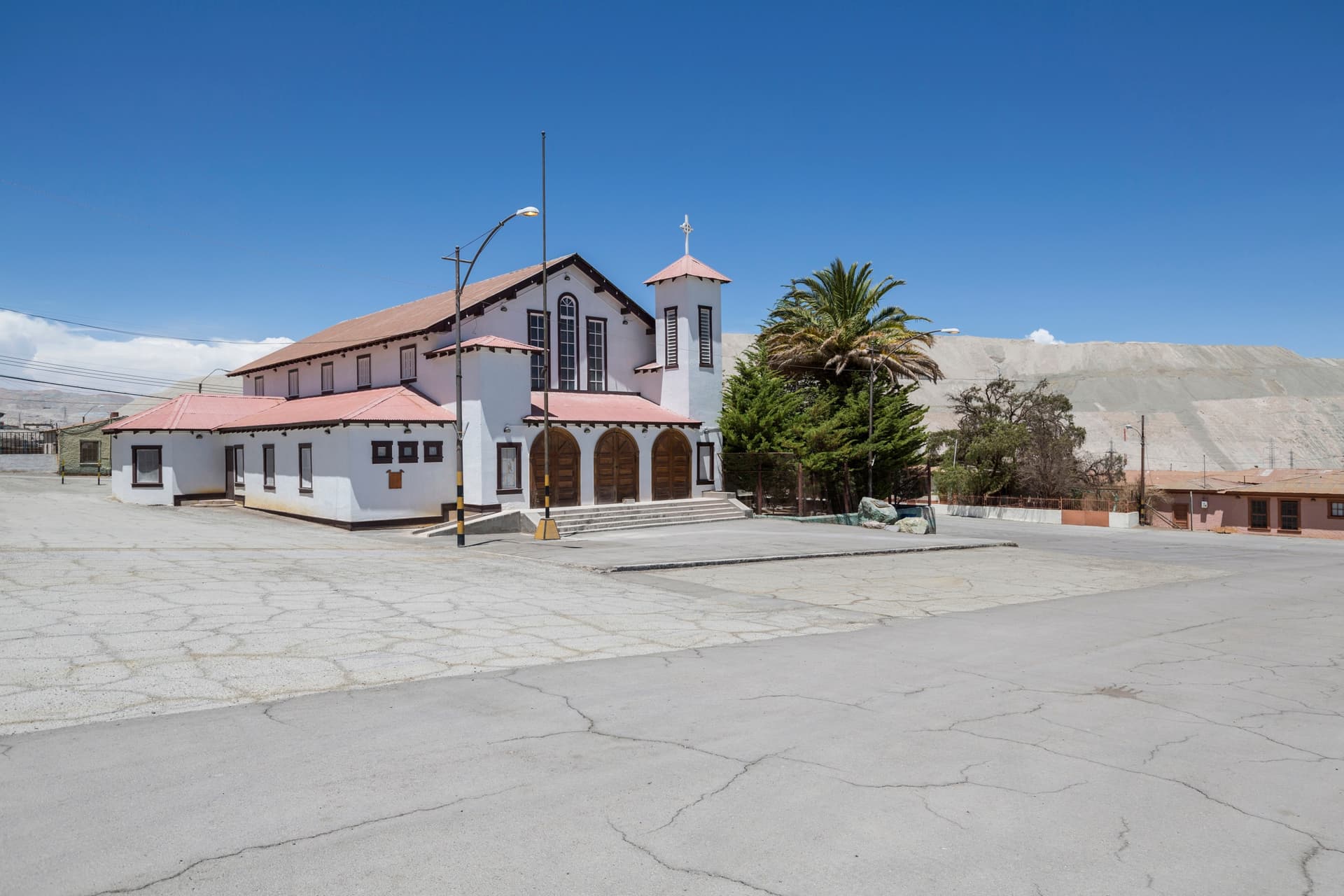
Humberstone and Santa Laura are former nitrate mines, classified as UNESCO World Heritage Sites. Guided tours allow you to discover the ruins of nitrate towns and learn more about the lives of workers between the 19th and 20th centuries. Visitors can also visit museums to see exhibits on the nitrate industry and the history of the nitrate mines.
Iquique's historic center is a charming blend of colonial buildings and structures from the nitrate era. Visitors can stroll down Baquedano street lined with colorful wooden houses and discover the regional museum. The municipal theater is a magnificent neoclassical building dating from 1889.
There are several tourist routes that allow you to discover the wonders of Southern Perú and Northern Chile in a single trip, such as:
- The Pan-American Highway: it runs along the Pacific coast and connects the main cities of Northern Chile and Southern Perú. Travelers can easily travel from Arica to Tacna, a Peruvian city.
- The Andes Circuit: For mountain lovers, hiking and trekking enthusiasts, it is possible to follow circuits that cross the Andes mountain range. These itineraries pass, for example, through sites such as Lauca National Park in Northern Chile and Cotahuasi National Park in Perú.
Furthermore, there are direct flights between the main cities of Perú such as Lima and those in Northern Chile such as Arica and Iquique.
You can also see bus companies offering international services connecting, for example, Lima or Arequipa to Arica. It is important to note that buses pass through the border posts of Santa Rosa (Perú) and Chacalluta (Chile).
Culture and Traditions of Northern Chile
Indigenous Communities
Northern Chile is rich in indigenous culture, and you can see various indigenous communities such as:
- The Mapuche
- The Aymara
- The Quechua or Kichwa
- The Atacameño or Lyckan Antay
- The Kolla
Visitors can participate in traditional festivals such as the Fiesta de la Tirana, celebrated each year in July. A stay in the Northern Chile region is also an opportunity to purchase souvenirs such as colorful textiles, ceramics, and various handmade artisanal products.
Gastronomy
As for Northern Chile's cuisine, it is a unique blend of Andean and coastal flavors. During a visit, it would be interesting to taste typical dishes such as charqui (dried meat) and choclo (corn gratin). Furthermore, a tour of local markets is an opportunity to taste exotic fruits and regional specialties.
Astronomy
Moreover, the Atacama Desert is one of the best places in the world for stargazing, thanks to its clear skies and low light pollution. It is possible to participate in night visits to observatories such as ALMA (Atacama Large Millimeter Array). Guided excursions allow you to see constellations and planets through powerful telescopes. Access is available by reservation on Saturday and Sunday mornings.
Other Attractions and Activities
Northern Chile offers other attractions and activities to visitors:
- Hiking and trekking to volcanoes, hot springs, and traditional Andean villages in Isluga National Park
- Discovering the geoglyphs of Pintados and Chug Chug
- Exploring the villages of Putre and Socoroma
- Sandboarding at Cierra Dragón in Iquique