The Sacred Valley of the Incas
The Sacred Valley of the Incas
Between Cusco and Machu Picchu, the Sacred Valley of the Incas concentrates archaeological sites, Andean villages, and high mountain landscapes. Our guide to visiting.
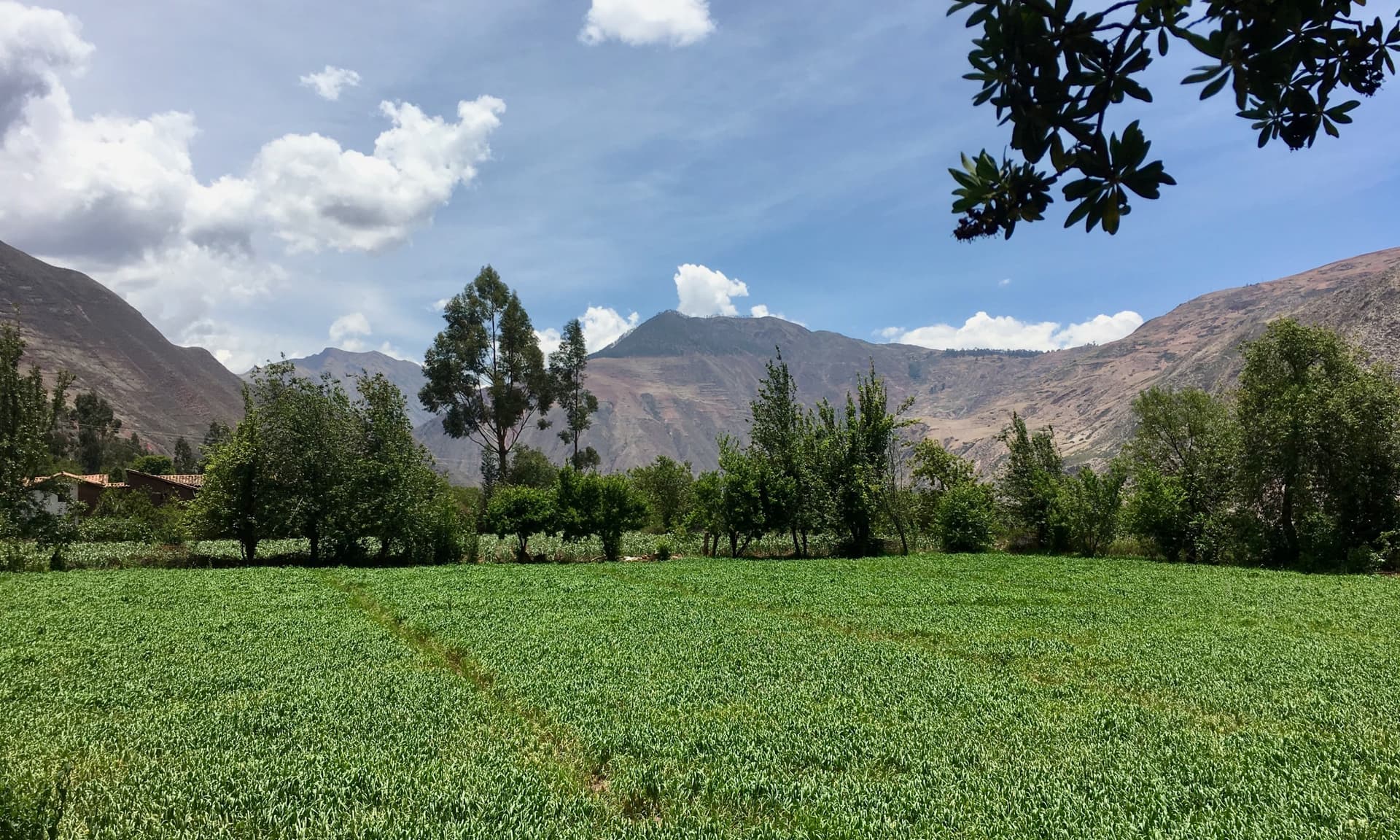
Nestled in the heart of the Peruvian Andes, the Sacred Valley of the Incas is a place of breathtaking beauty and immeasurable historical richness. This fertile valley, watered by the Urubamba river, stretches from Pisac to Ollantaytambo, passing through numerous picturesque villages and fascinating archaeological sites. It forms the cradle of Incan civilization. For those interested in Incan history, Peruvian culture, or simply spectacular landscapes, the Sacred Valley is an unmissable destination.
Climate
The Sacred Valley enjoys a subtropical climate with two main seasons:
- A dry season, from May to October
- A wet season, from November to April.
During the dry season, days are sunny and nights are cool, while in the wet season, rainfall is frequent, making the valley particularly lush.
History
Once home to small Andean communities, the Sacred Valley underwent a radical transformation with the Incan conquest, especially under emperor Pachacutec (1438–1471). This period was marked by the construction of terraces, cities, fortresses, and temples.
The Sacred Valley was one of the vital centers of the Incan Empire, also known as Tahuantinsuyu. The Incas, who reigned from the 15th to the 16th century, chose this valley for its fertility and favorable microclimate for agriculture. Maize, potatoes, quinoa, vegetables, fruits, coca leaves, and other crops vital to the empire's survival were abundantly cultivated here. Thus, the Sacred Valley was considered the granary of the empire, but also a strategic location to monitor the entrance to the Amazon jungle.
During the Incan civil war from 1529 to 1532, the valley's inhabitants remained loyal to Huascar's army. Upon the Spaniards' arrival, Manco Inca, the rebel, escaped through the region, burning the city of Chinchero, and entrenched himself at Ollantaytambo where he fought the invaders vigorously. Before his inevitable defeat, he retreated into the difficult-to-access jungle and settled in Vilcabamba. With the Spanish conquest, the valley's fertile lands were redistributed by the Conquistadors. The main temples had been destroyed and replaced by Christian churches.
Significance
The term "sacred" is not used lightly. The valley was home to numerous sanctuaries, fortresses, palaces, and temples dedicated to Incan deities, particularly the sun god Inti. It is also important to note that the Vilcanota river winds through the region's main cities. Incan astrologers and priests considered this valley as the representation of the Milky Way on Earth, a place where spiritual forces were particularly powerful. Moreover, mountains in this area such as Verónica, Salkantay, and others were considered deities.
Major Archaeological Sites
The Sacred Valley is home to numerous remains telling the story of the Incas. Here are some examples of must-see places when traveling in Perú:
Pisac
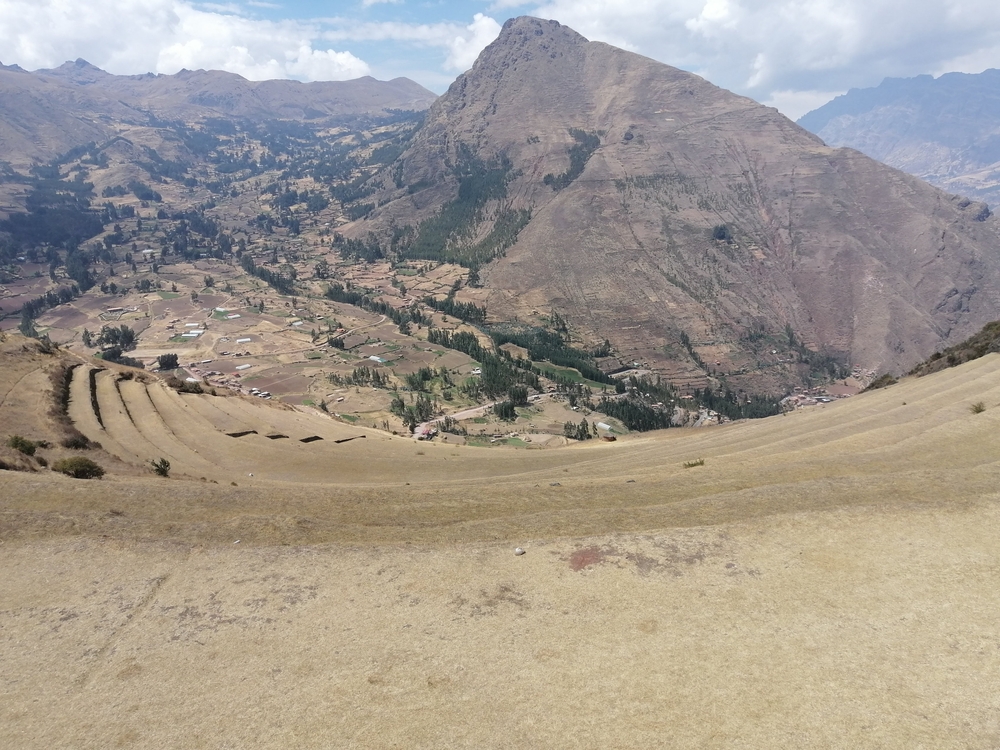
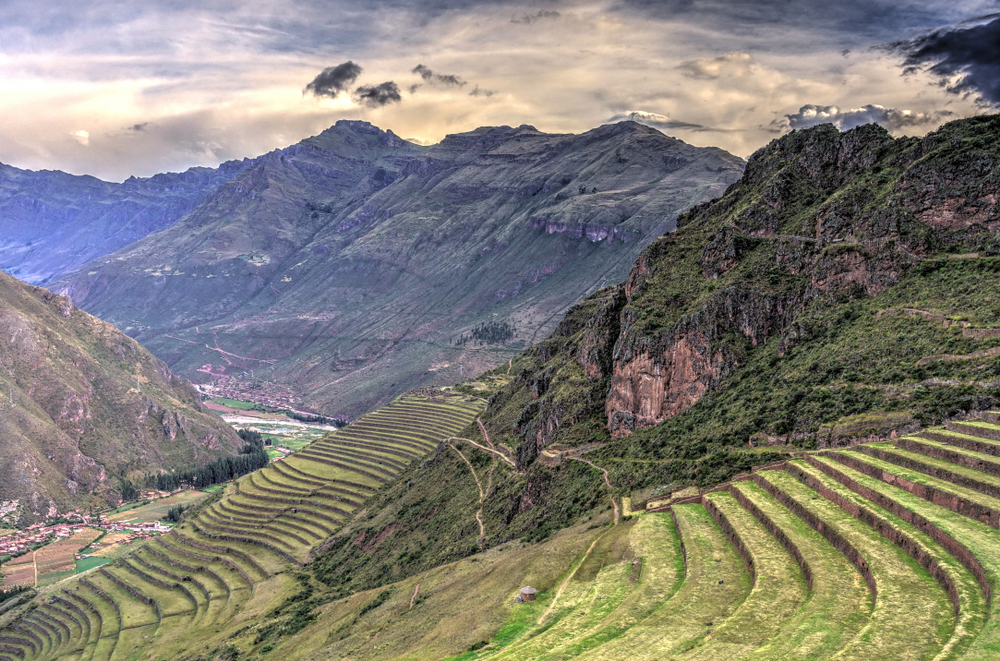
Located at the entrance of the Sacred Valley and 35 km from Cusco, Pisac is famous for its impressive ruins and traditional market. Its agricultural terraces are a testament to Incan ingenuity in agriculture. The archaeological site also includes temples, ritual baths, and residential areas, offering a fascinating glimpse into daily Incan life.
Ollantaytambo
Ollantaytambo is one of the rare sites where the Conquistadors suffered defeat at the hands of the Incas. This fortress-city is remarkable for its massive terraces and elaborate architecture. This colossal structure, dedicated to the Incan warrior Ollantay, brilliantly illustrates military architecture. The Sun Temple, though partially destroyed, remains an imposing structure, illustrating the Incas' mastery of stone construction. The drainage channels and paved streets of Ollantaytambo, still inhabited today, offer a journey through time. Moreover, it is the only village that has preserved its original layout.
Moray
Located 50 km from Cusco, Moray is a unique archaeological site, characterized by its concentric circular terraces or amphitheater-shaped formations. Historians and archaeologists believe this place served as a full-scale agricultural laboratory for the Incas. This location allowed for experimentation with different vegetable crops and various plant species irrigated by a complex irrigation system, at different altitudes. Moray's terraces demonstrate how the Incas used science and engineering to improve their agriculture.
Maras
Found 40 km from Cusco, and near Moray, are the Maras salt ponds, a breathtaking visual spectacle. More than 3,000 to 4,000 salt basins, fed by a natural saline spring, have been exploited since Incan times and produce between 150 to 200 tons of salt annually. With hues ranging from white to brown, the Maras salt ponds offer a unique perspective on the economic and commercial practices of ancient Peruvians.
Towns and Villages
Several towns and villages are also located in the heart of the Sacred Valley. Each has its own history and remnants to discover. Explore some essential locations to visit during a stay in the region:
Cusco
Situated at 3,400 meters altitude, Cusco or Cuzco was the former capital of Incan civilization. UNESCO declared it a World Heritage Site in 1983. With the arrival of the Conquistadors in the 16th century, the city absorbed Spanish influence. Today, you can still see Incan remains blended with Spanish neoclassical and baroque architecture.
Chinchero
Located at 3,772 meters altitude, this village attracts visitors for its colonial-period church adorned with magnificent paintings from the Cusco school. Tourists can also discover archaeological remains such as ruins of Incan elite palaces. Moreover, the village is lively every Sunday with a fair during which merchants and farmers sell various local products. Notably, the barter system is sometimes still used.
Calca
Located about fifty kilometers from Cusco, Calca sits on the slopes of the Sawasiray and Pitusiray mountains. Visitors can discover:
- The thermal and medicinal baths of Minasmoqo (cold carbonated waters) and Machacancha (sulfurous thermal waters)
- The archaeological complex and ruins of Huchu'y Qosqo.
To reach the Sacred Valley, you must first fly to the Alejandro Velasco Astete International Airport in Cusco.
By Car or Taxi
Two routes can be chosen:
- The route from Cusco to Pisac (Route 28G)
- The route from Cusco to Urubamba (Route 28B)
The journey takes approximately 1 hour to 1 hour and 30 minutes depending on the destination.
By Bus or Minibus (Combi)
Buses and minibuses depart regularly from Cusco's bus terminal (Terminal Santiago or other). Depending on a specific destination, the journey takes between 1 hour 30 minutes to 2 hours. It should be noted that buses and minibuses are cheaper than taxis and more economical. Moreover, combis are faster but may be less comfortable than buses.
On Organized Tours
The advantages of organized excursions often include transportation, a guide, and stops at the Sacred Valley's main tourist sites. The duration of trips varies depending on the chosen itinerary. Group outings are practical for those preferring a guided visit.
By Train
Trains from Inca Rail or PeruRail companies can take travelers from Cusco to Ollantaytambo. The journey takes approximately 1 hour 30 minutes to 2 hours. The train is a comfortable and scenic option. Visitors also have the possibility to continue to Machu Picchu.
Activities
Hiking and Trekking
The Sacred Valley is a paradise for hikers. Numerous hiking trails wind through varied landscapes, ranging from verdant hills to steep mountains. The most famous trek is undoubtedly the Inca Trail, which leads to the majestic Machu Picchu. For those seeking a less-traveled alternative, the Lares Trek offers spectacular views and interactions with local communities.
Cultural Visits
The Sacred Valley is dotted with villages where Incan traditions endure. Chinchero, for example, is known for its hand-woven traditional textiles. Visitors can watch weaving demonstrations and purchase souvenirs from artisans. The village of Yucay, with its gardens and royal history, is also a place to discover.
Local Markets
The markets of the Sacred Valley, such as Pisac's, are vibrant places where you can buy local products, artisanal souvenirs, and traditional textiles. They are also ideal places to taste local cuisine and interact with residents.
Cycling or Horseback Excursions
For a more dynamic adventure, many agencies offer cycling or horseback excursions through the valley. This allows you to explore magnificent landscapes and archaeological sites while enjoying physical activity.
Want to discover this destination?
Our local advisors design your tailor-made trip.