Urubamba
Urubamba
At the heart of the Inca Sacred Valley, Urubamba offers an ideal base for exploring Maras, Moray, Ollantaytambo and Machu Picchu. Here is our complete guide.
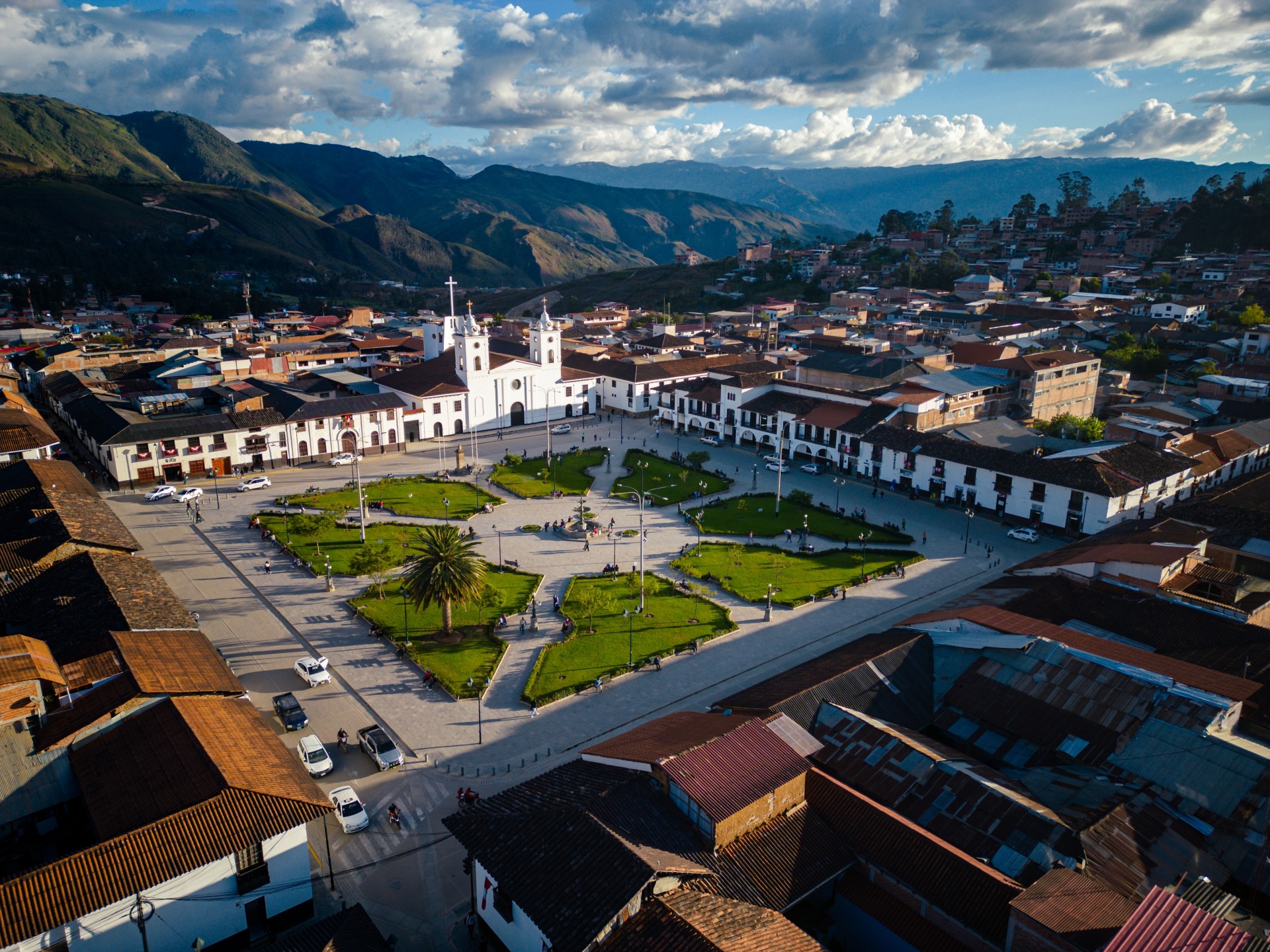
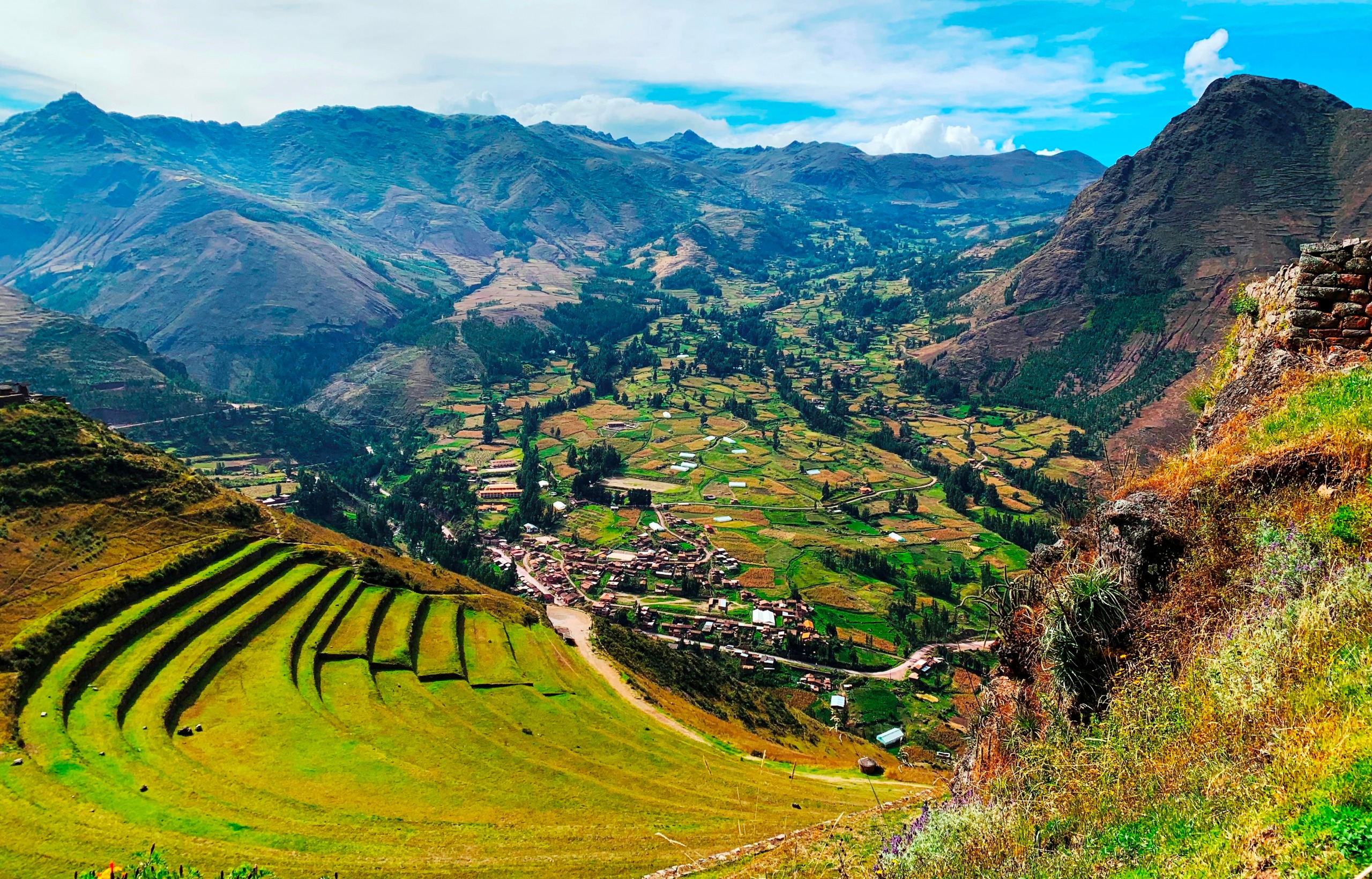
Often called the heart of the Inca Sacred Valley, Urubamba is a small town located in the Cusco region of Pérou. Nestled between the majestic Andes Mountains, it is a historical and cultural crossroads. This destination allows visitors to enjoy privileged access to ancient Inca cities, breathtaking natural landscapes and immersion in Peruvian culture. Whether you are drawn to the mysteries of Inca ruins, the natural beauty of the Andes or the desire to discover daily life in an authentic Peruvian town, Urubamba has something to offer every traveler.
History
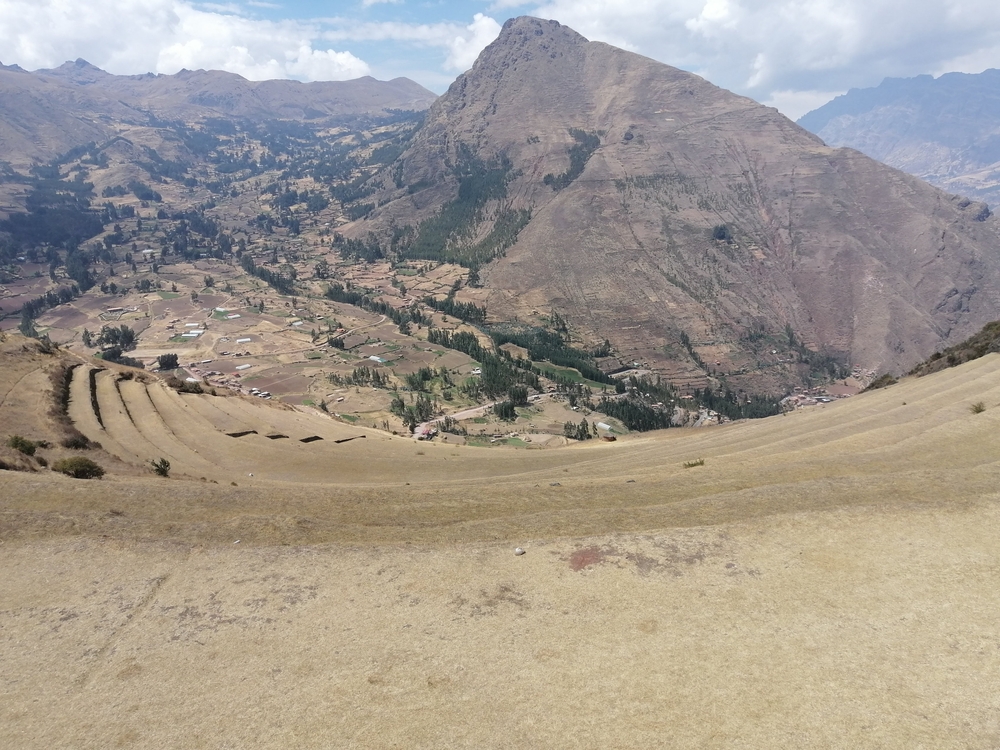
Urubamba takes its name from the river that flows through the town, the Urubamba River, which was sacred to the Incas. The region was inhabited by indigenous communities long before the Inca era. However, it was the Incas who transformed Urubamba and its surrounding valley into a prosperous agricultural zone, using advanced terracing and irrigation techniques.
The town itself was founded by Spanish colonists in the 16th century, following the conquest of the Inca empire. Nevertheless, it has always retained a strong indigenous influence, visible through its traditions, crafts and festivals. Today, Urubamba is a peaceful town, but it plays an important role as a base for exploring the Sacred Valley and its many Inca ruins.
Climate
Located at approximately 2,870 meters altitude, Urubamba enjoys a pleasant climate year-round. The town is surrounded by the imposing Andes Mountains, offering spectacular views and a natural environment rich in biodiversity.
Urubamba's climate is generally temperate, with mild and humid summers (November to March) and dry, sunny winters (May to September). Temperatures range between 5°C at night and 24°C during the day. During the rainy season, some roads and hiking trails are muddy and slippery, but it is also the period when the valley is most lush.
There are several options to choose from to reach Urubamba:
By bus or colectivo from Cusco
You can take a bus or minibus (called a "colectivo") from Cusco, usually from Pavitos Street or Terminal Terrestre. The journey to Urubamba takes 1 hour 30 minutes to 2 hours. The route follows the valley, passing through magnificent landscapes and villages like Chinchero and Maras. Colectivos are faster than buses, but also narrower and less comfortable.
By taxi or private car
It is also possible to rent a taxi or private car for a more comfortable journey. These are options that allow you to make stops along the way to visit tourist sites such as the Maras salt ponds or the Moray site. The journey takes 1 to 1.5 hours.
By private transfer
It should be noted that some hotels in Urubamba offer transfer services from Cusco's Alejandro Velasco Astete airport. By making a reservation in advance, visitors can benefit from a private transfer or shuttle to reach their destination.
By train
There is a tourist train, operated by PeruRail or IncaRail, departing from Cusco (Poroy or San Pedro) towards Machu Picchu, with a stop in Ollantaytambo. From there, it is possible to take a taxi to Urubamba. The train crosses the Sacred Valley with spectacular views of the mountains and the Urubamba River (2 hours).
From Ollantaytambo
If you are already in Ollantaytambo, which is another important town in the Sacred Valley, you can take a taxi or colectivo to Urubamba. The journey is short and takes about twenty or thirty minutes. Transports are also frequent.
Culture and traditions
Urubamba, like the rest of the Sacred Valley, is a place where Inca traditions blend with Spanish colonial influences. The inhabitants, mostly Quechua, are proud of their heritage and keep many ancestral customs alive.
Festivals and celebrations
Many festivals are celebrated in Urubamba. Among them, one can cite, for example, Inti Raymi or the Festival of the Sun, every year in June. Although Cusco is the main venue for this celebration, many towns in the Sacred Valley, including Urubamba, also organize ceremonies in honor of the Inca sun god. The festivities include traditional dances, processions and religious rituals.
Another important religious festival is the Fiesta de la Virgen del Carmen, celebrated in July. It blends Christian and indigenous elements, with masked dances, parades and fireworks.
Crafts and markets
Urubamba is home to several markets where visitors can purchase local artisanal products, such as:
- Alpaca wool textiles
- Silver jewelry
- Ceramics.
Local artisans use traditional techniques passed down from generation to generation. Many of them draw inspiration from Inca patterns and symbols.
Tourist attractions
Urubamba is surrounded by numerous monuments, buildings and historical and natural sites that attract thousands of visitors each year. Here are some of the most notable attractions:
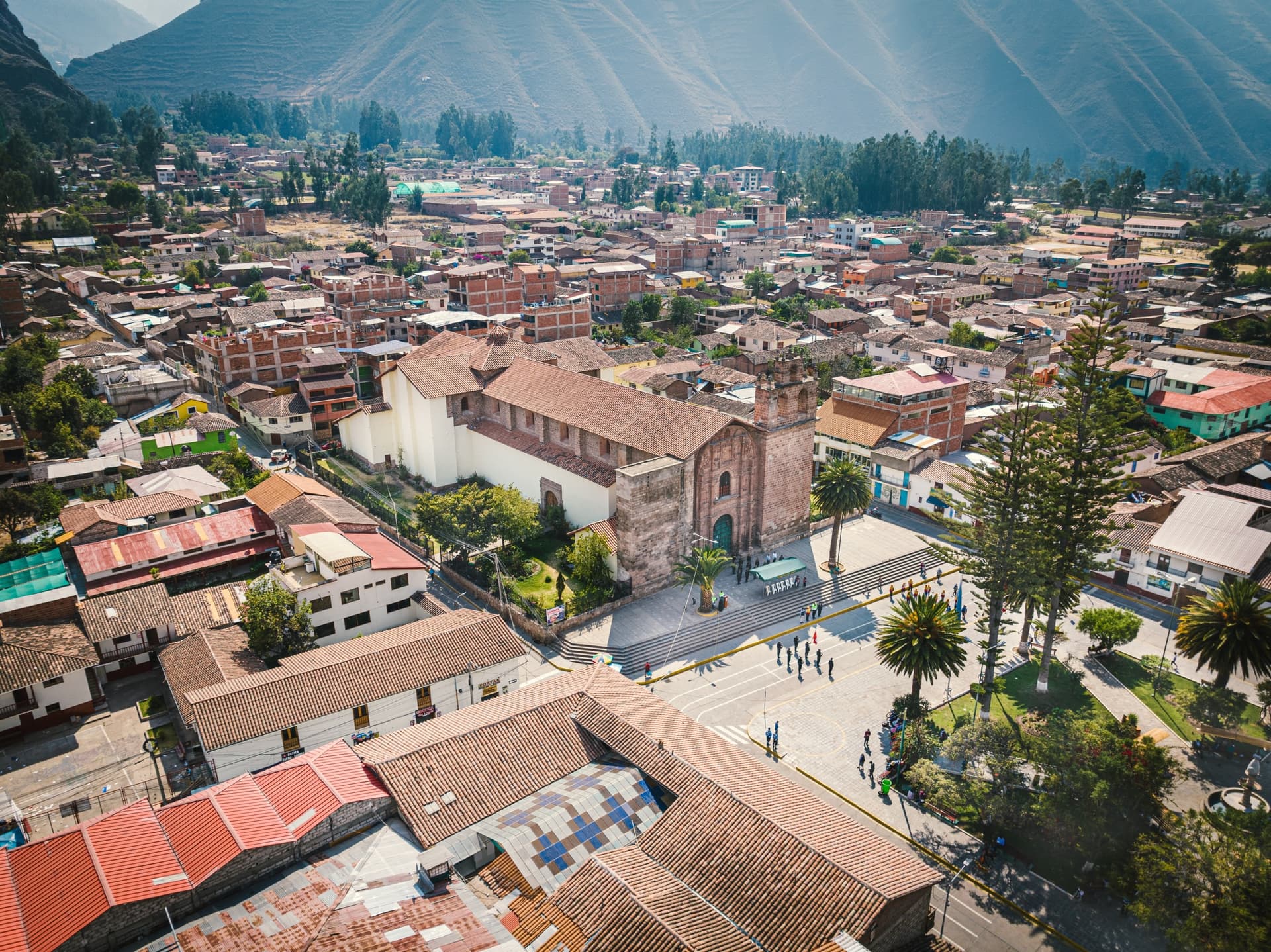
Santiago Apóstol Church
The construction of this church was initiated by local priest Juan Arian de la Lira in 1650, with the collaboration of Bishop Manuel Molinedo. This building was inscribed as a cultural heritage site of the nation as it was the first church designed in the Sacred Valley. Inside, you can see:
- Colonial works of art
- A Gothic-style cross
- An altar adorned with silver plaques and gold leaf.
You can also observe the image of an Inca wearing a mascaypacha (a type of crown) on his head.
Martin Pio Concha House
Martin Pio Concha was the last Spanish governor of Cusco in the 19th century. In the building where he stayed, you can see more than 360 archaeological pieces discovered at Machu Picchu by Hiram Bingham, an American archaeologist. Among the artifact collections, there are metal pieces, lithics, ceramics and bone remains.
Ollantaytambo
Just 20 minutes' drive from Urubamba, Ollantaytambo is another major Inca site. It is known for its impressive ruins including a temple, agricultural terraces and defensive structures. This site is also the starting point for many treks to Machu Picchu. The town itself is a rare example of an Inca city still inhabited, with paved streets and an urban layout unchanged since Inca times.
Maras Salt Ponds
Located about 30 minutes' drive from Urubamba, the Maras salt ponds are a series of salt terraces used since Inca times to extract salt. Shining in the sun, they offer a unique visual spectacle and are still exploited today by local residents. Visitors can observe the salt extraction process and even buy salt directly from the producers.
Moray
Moray is another fascinating site located near Urubamba. It is a set of circular terraces which, according to archaeologists, were used by the Incas as an agricultural laboratory. Each level of these terraces represents a variation in microclimate, allowing for the experimentation of growing different plants under specific conditions.
The Urubamba River
Approximately 724 kilometers long, the Urubamba River, which winds through the valley, offers opportunities for outdoor activities. Sometimes called Wilcamayu (sacred river), it originates at the Vilcanota knot at 4,314 meters altitude. Its tumultuous waters are surrounded by spectacular mountain landscapes. They attract thrill-seekers as well as those seeking to relax while enjoying the natural beauty of the region.
Activities and adventures
Urubamba offers a multitude of activities for adventure and nature enthusiasts.
Hiking and trekking
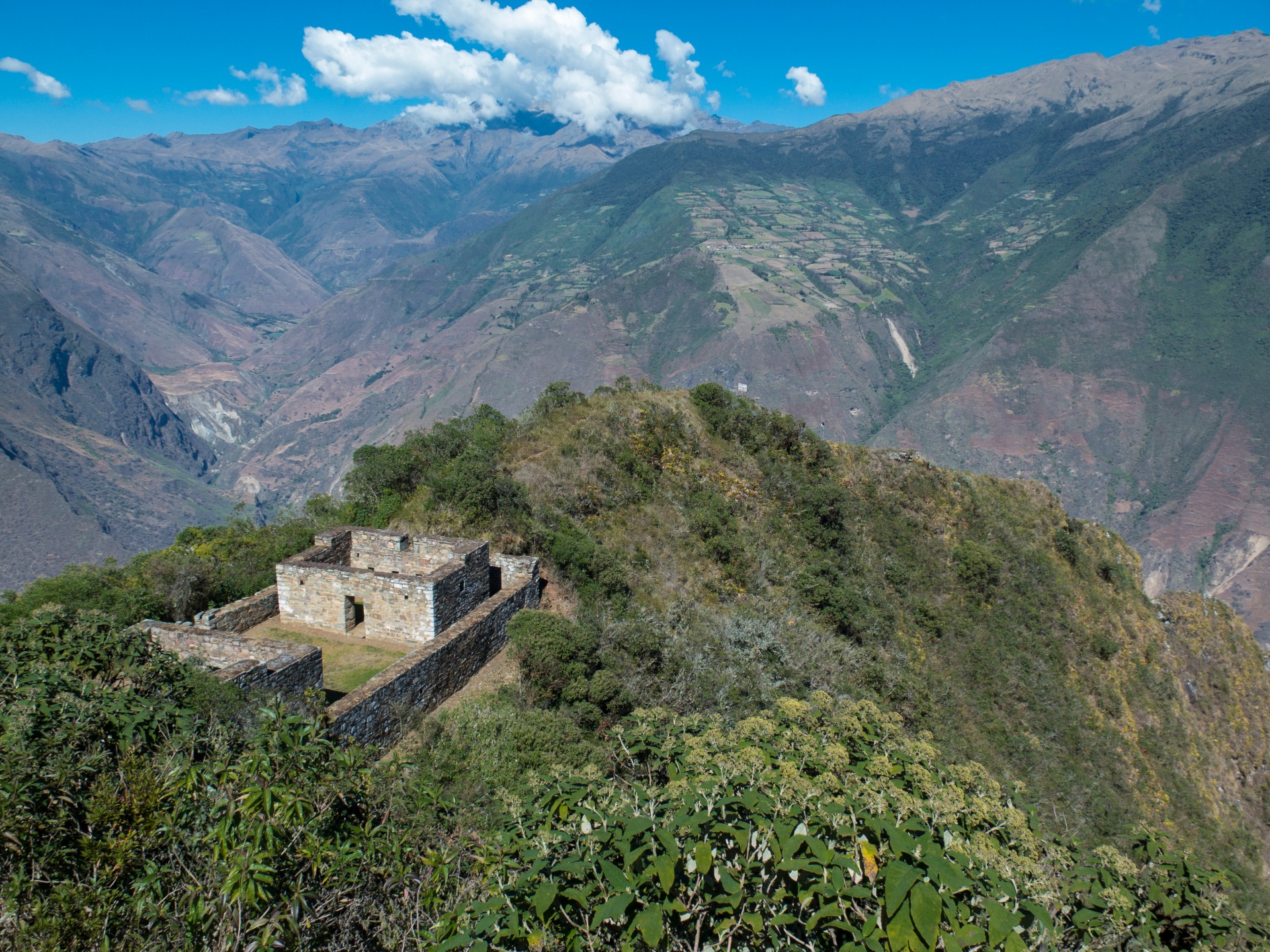
The mountains surrounding Urubamba are perfect for hiking, with trails that traverse varied landscapes, ranging from lush forests to arid plateaus. The most famous trek is undoubtedly the Inca Trail. However, there are also many other lesser-known but equally impressive hikes.
Rafting
There are local agencies that offer excursions and rafting activities on the Urubamba River. The months of December to March are the ideal period to practice this activity and choose difficulty levels depending on the visitors' skill level (I, II, III or IV).
Mountain biking and horseback riding
Mountain biking and horseback riding are other popular activities, with trails that descend from the Andes peaks to the valley. These are excellent options for exploring the region while enjoying views of the surrounding mountains and valleys.
Accommodation in Urubamba
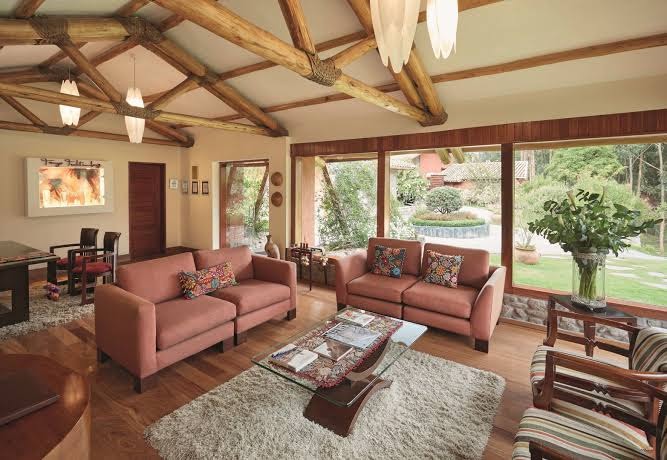
Hôtel Rio Sagrado
Établissement 5 étoiles du groupe Belmond, en bord d'Urubamba dans la Vallée Sacrée : 23 unités, spa Mayu Willka et accès direct aux sites incas.
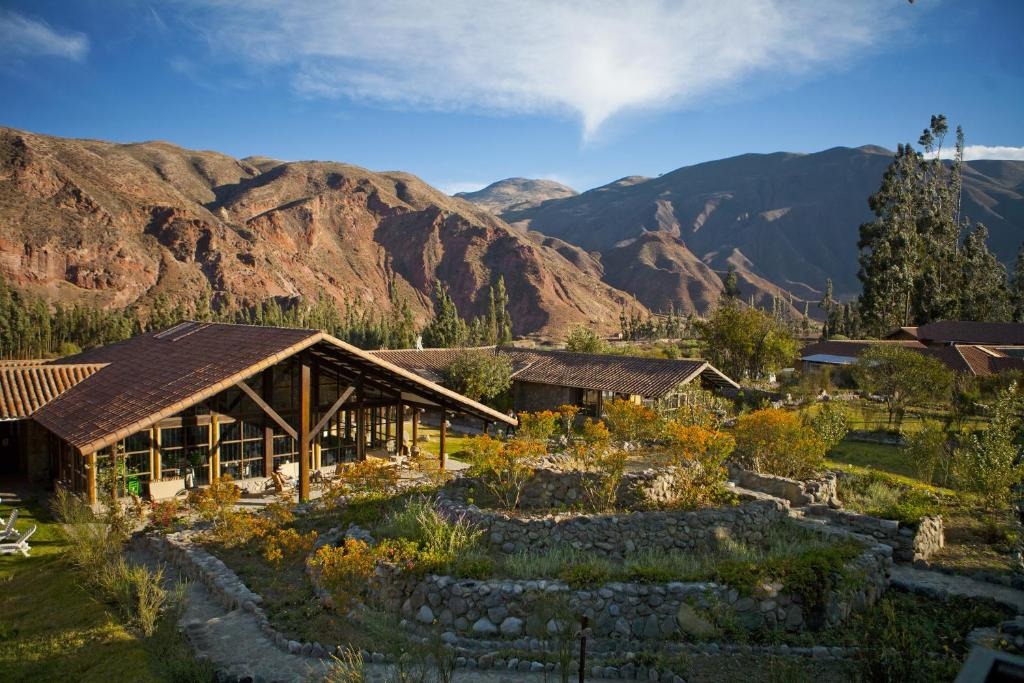
Tierra Viva Vallée Sacrée
Hôtel de la chaîne Tierra Viva à Urubamba, base confortable et bien située pour explorer la Vallée Sacrée des Incas et Machu Picchu.
Want to discover this destination?
Our local advisors design your tailor-made trip.