Puno
Puno
At 3,800m on the shores of Lake Titicaca, Puno blends floating islands, Quechua communities and Andean celebrations. Our practical guide to visiting it well.
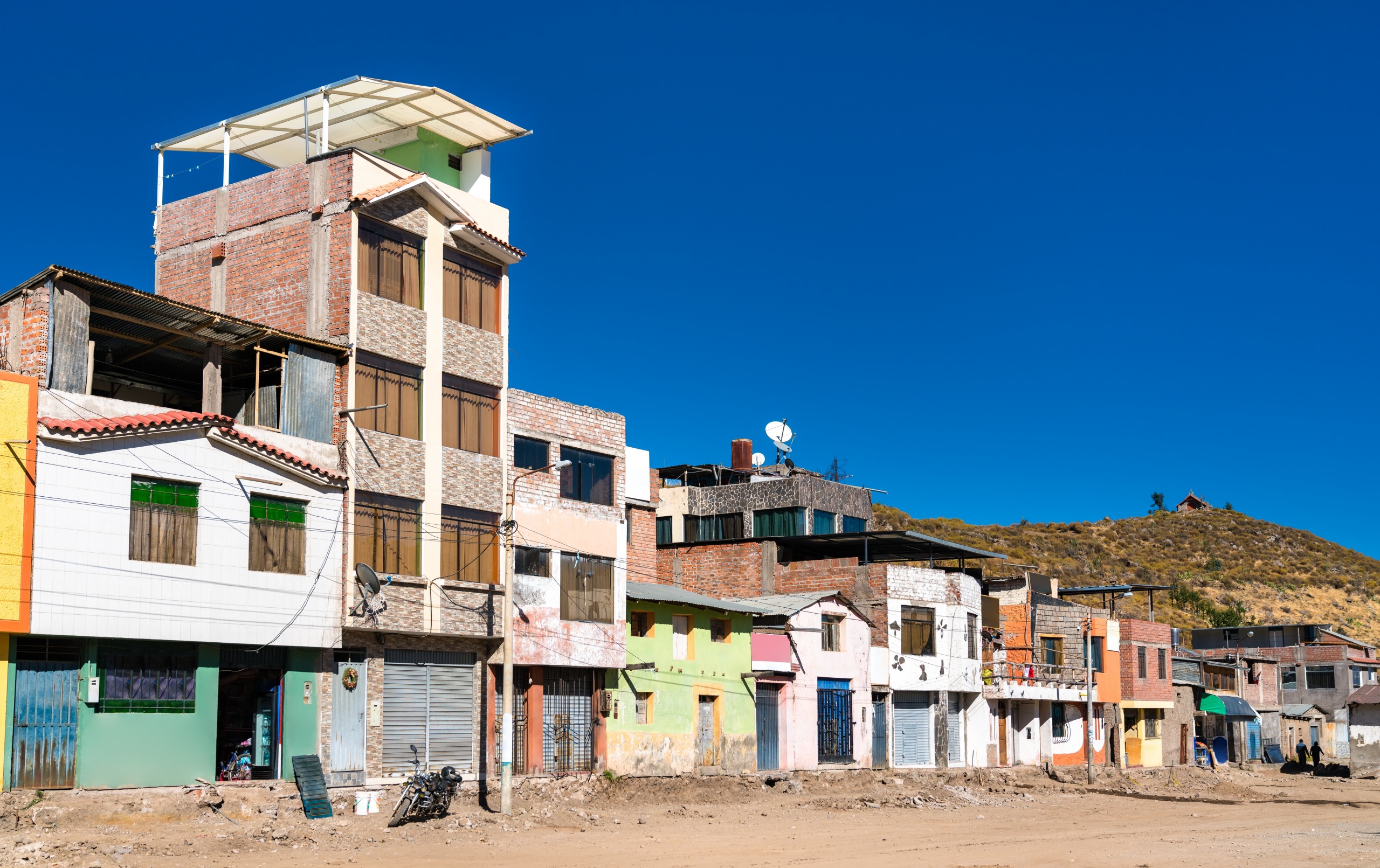
Puno is a city located in southeastern Pérou, on the banks of Lake Titicaca. It is renowned for its rich culture, history and proximity to the islands of Lake Titicaca. The city offers a variety of attractions for tourists, including museums, historic churches and local markets.
History of Puno
Puno is steeped in history and culture. Situated in the Andean altiplano region, it has been inhabited for over 3,000 years. Ancient peoples left their mark on the region through temples, palaces and tombs.
During the colonial period, the city was founded by the Spanish in 1668 and named San Carlos de Puno. It was an important trade hub for exporting wool, silver and other regional products. The city also witnessed several significant battles during Pérou's war of independence in the 1820s.
Over the centuries, Puno has continued to grow and develop. Today, it is a cosmopolitan city offering a variety of attractions for tourists and visitors. It is also regarded as the "folklore capital of Pérou" due to its cultural wealth and unique musical heritage.
In essence, Puno's history is a fascinating blend of pre-Columbian cultures, Spanish traditions and modernity. The city has endured through the centuries, preserving its unique Andean culture while evolving into a popular tourist destination for travelers exploring southern Pérou.
Visiting Puno
Puno's historic center is a popular starting point for exploring the city. The Plaza de Armas, also known as Plaza Mayor, is the heart of the city's social and cultural life. It is surrounded by historic buildings, such as Puno Cathedral, considered one of the city's most beautiful churches. Visitors can also explore the Carlos Dreyer Museum, which houses a collection of pre-Columbian artifacts.
The Central Market of Puno is another must-visit, offering an ideal opportunity to discover local culture and purchase souvenirs. The market is divided into sections, each specializing in a particular type of product—textiles, crafts, local fruits and vegetables, and food items.
Virtually everything you need is located on Jirón Lima between Plaza Mayor and Parque Pino, a pedestrian street that concentrates all services, banks, local tourism agencies, restaurants and craft shops.
The Candlemas Festival
The Feast of the Virgin of Candlemas is an annual celebration held in Puno in February. It is one of the country's most important festivals and attracts thousands of visitors each year. The festival is considered the most authentic expression of local culture, as it blends elements of Catholicism with indigenous customs and traditions.
The festival begins with a solemn procession through the city streets, where costumed dancers and musicians parade in honor of the Virgin of Candlemas. The dancers wear colorful costumes and masks, each representing an important figure from altiplano culture. The most famous dance is the "diablada," a dance that tells the story of a battle between angels and demons.
In essence, the Feast of the Virgin of Candlemas is an important celebration of Andean culture and Catholicism. It is an opportunity for Puno's residents to share their culture with the world while celebrating their history and identity. For travelers exploring Pérou, the Feast of the Virgin of Candlemas is a must-see event offering a unique and unforgettable experience.
Archaeological Sites around Puno
For a more cultural experience, visitors can head to the community of Chucuito, located just a few kilometers from Puno. Chucuito is known for its Fertility Temple, also called the Temple of Phalluses, an important symbol of Andean culture. Visitors can also explore the archaeological remains of Sillustani, located approximately 30 kilometers from Puno, overlooking the magnificent Lake Umayo and its islands. The ruins consist of pre-Columbian tombs shaped like towers, built by the region's ancient inhabitants.
Lake Titicaca
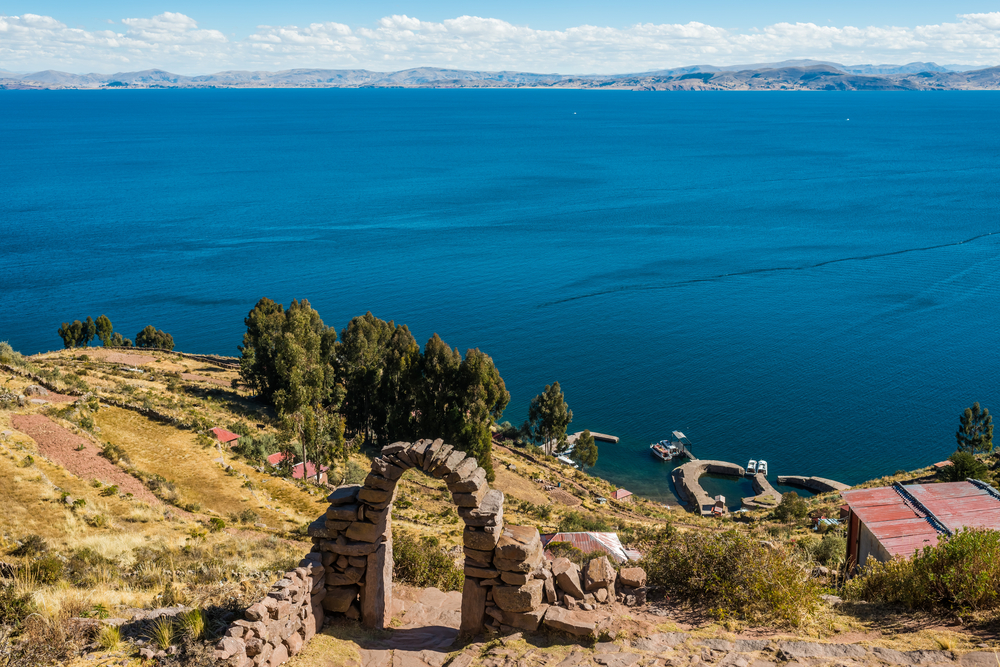
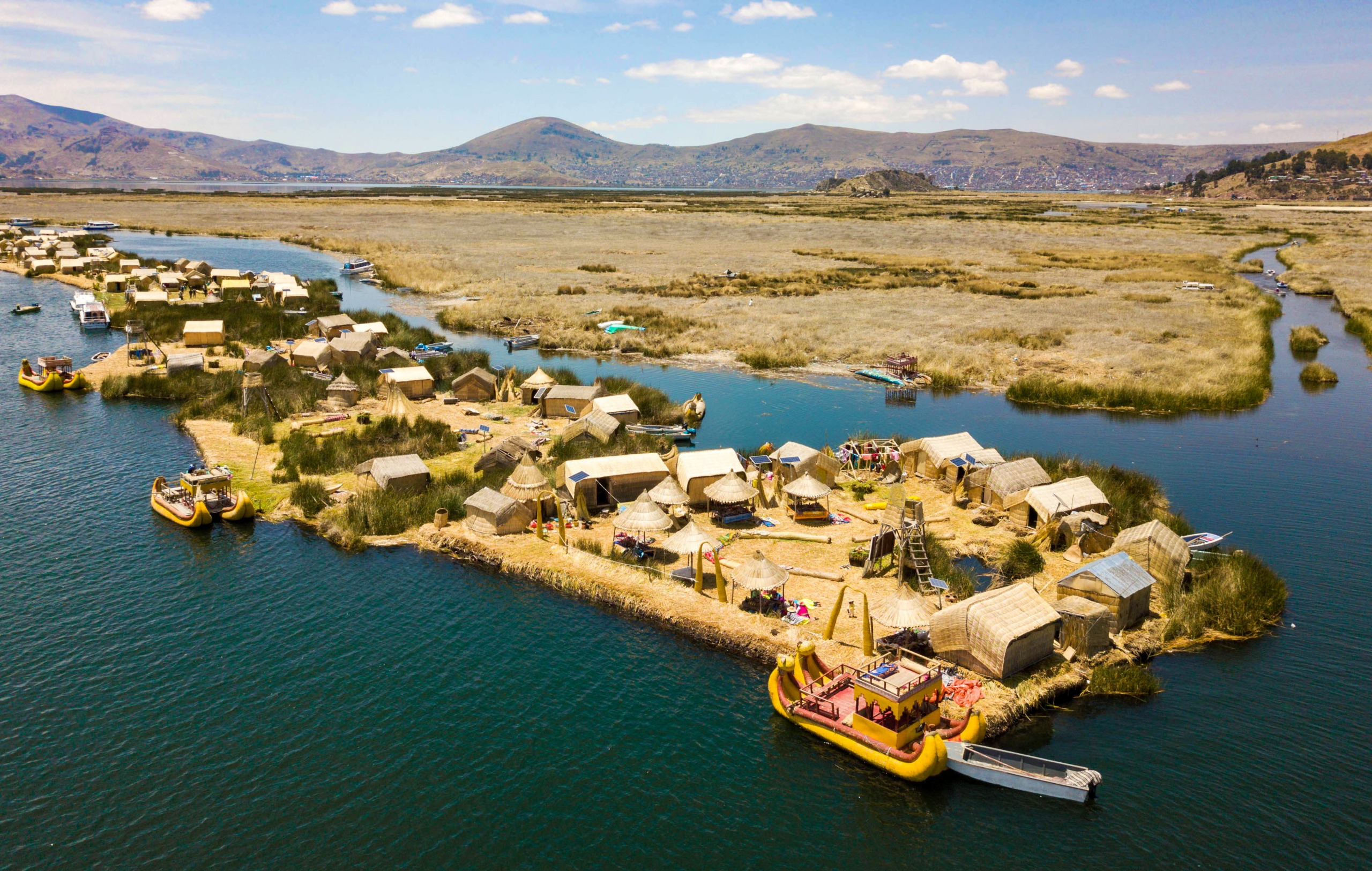
Finally, Puno is an ideal base for exploring the islands of Lake Titicaca. Visitors can take a boat to the Uros Islands, which consist of reed platforms anchored to the lake bottom. They can explore the islands, meet local inhabitants and learn about their unique way of life. The Quechua-speaking islands of Amantaní and Taquile, as well as Tikonata, are also popular for their natural beauty and legendary hospitality, as are the communities of Llachón, Paramís and Santa María on the Capachica peninsula.
Further north, the Ccotos peninsula offers excellent hiking possibilities through the countryside and along ridges, with a magical viewpoint from Cerro Centinela, while the Escallani peninsula allows visitors to walk along ancient Inca trails or climb Cerro Wiracocha, from where views of Lake Titicaca extend on clear days all the way to Illimani, the emblematic peak that dominates Bolivia's capital city of La Paz. It is also possible to visit the Aymara community of Luquina Chico on the Chucuito peninsula. In all these communities, it is possible to stay with local families.
It is also from Puno that you depart for Isla Suasi Lodge. Located on a private island near the northern coast at the foot of the Apolobamba Cordillera, its owners have reached an agreement with the local community, which benefits from the lodge's tourist activity. Closer to the city, Titilaka Lodge welcomes visitors in a dreamlike setting, while Amantica, the lodge of the stars on Amantani Island offers a more intimate experience.
From the cities of Lima, Arequipa and Cusco, or La Paz in Bolivia, you can reach Puno by bus with very comfortable bus companies such as Cruz del Sur, which we recommend. Juliaca airport, located 50 km away, welcomes flights from Lima, Arequipa and Cusco.
In conclusion, Puno and its surroundings offer a variety of attractions for travelers, ranging from historical and cultural sites to local markets and the islands of Lake Titicaca. Visitors can explore the city at their own pace and discover the region's unique Andean culture. With its spectacular views of Lake Titicaca and cultural richness, Puno is an unmissable destination for travelers exploring southern Pérou.
Attractions in Puno
Titinos
Les Titinos forment un petit ensemble d'îles flottantes artificielles sur le lac Titicaca, à proximité de Puno.
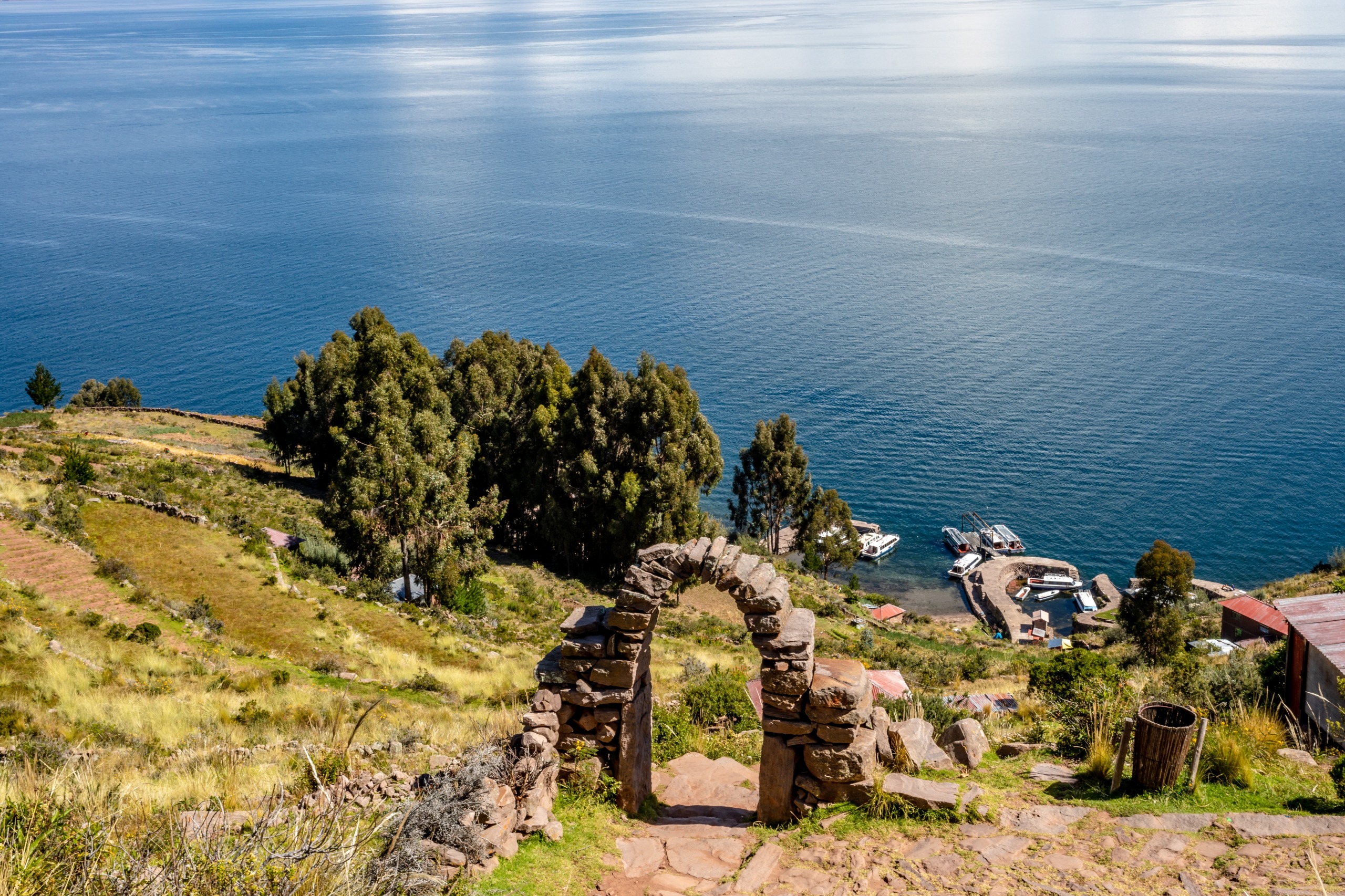
Amantani
L'île d'Amantani occupe une place singulière sur le lac Titicaca, à environ 40 km de Puno.
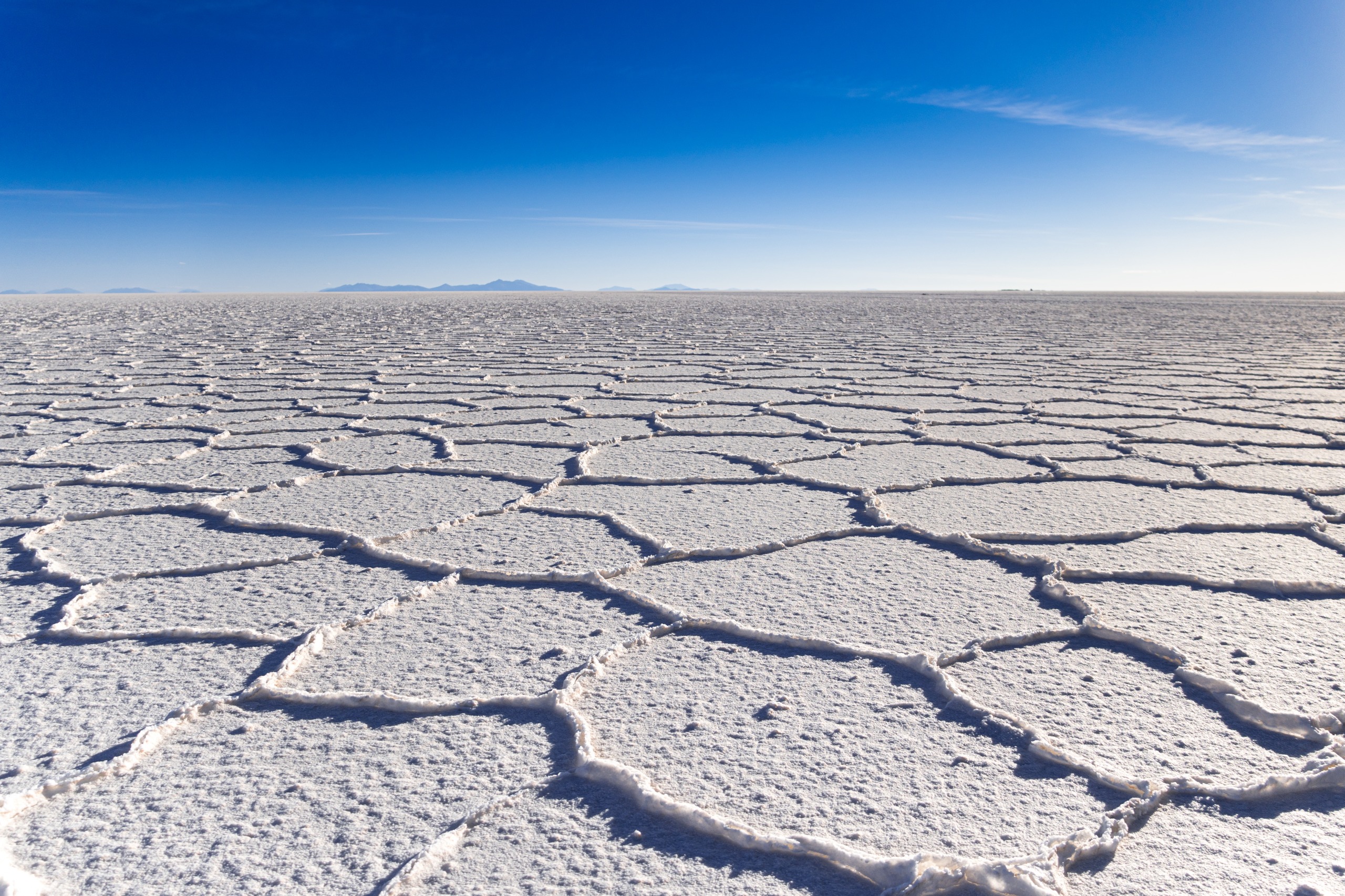
Salar de Uyuni
Le Salar de Uyuni est le plus vaste désert de sel au monde. Bien qu'il se situe en Bolivie, dans le département de Potosí, il constitue une extension naturelle pour les voyageurs partis dans le sud
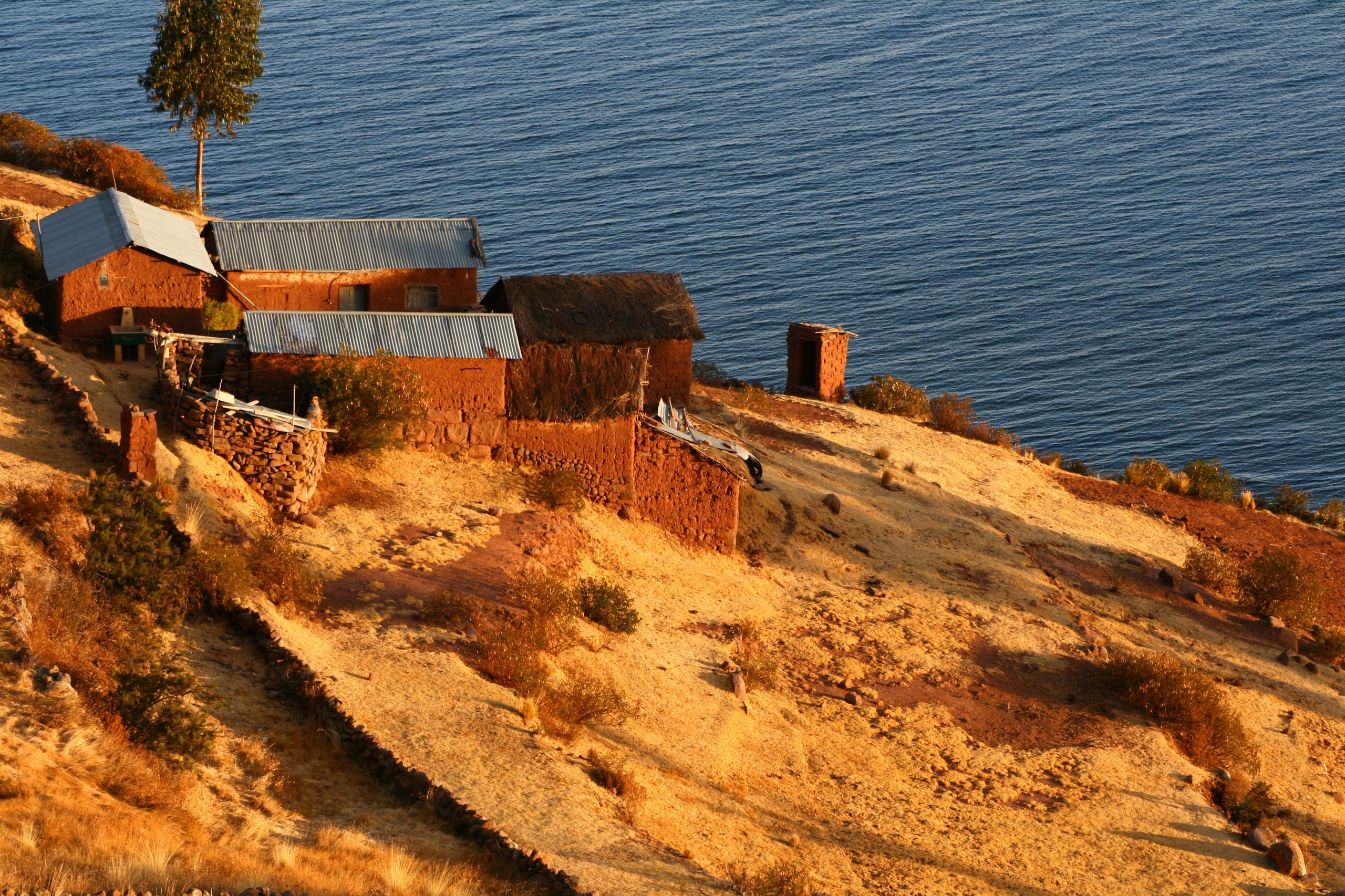
Ccotos
Ccotos est l'une des 16 communautés de la péninsule de Capachica, sur la rive nord du lac Titicaca, à environ 70 km au nord-ouest de Puno.
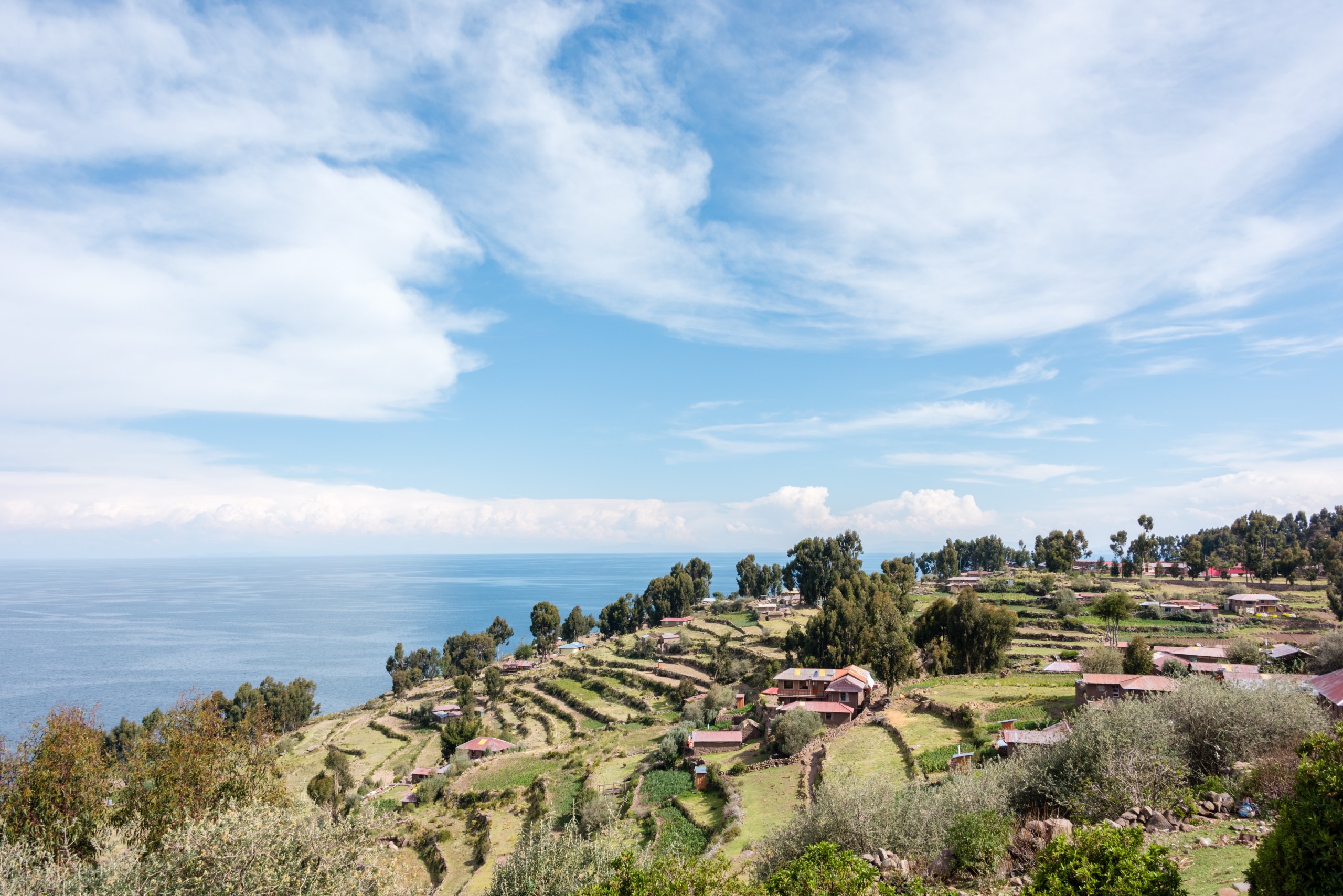
Taquile
Taquile, ou Intika en quechua, est une île péruvienne du lac Titicaca d'environ 5,72 km², dont le village principal se situe à près de 3 950 m d'altitude.
Accommodation in Puno
See all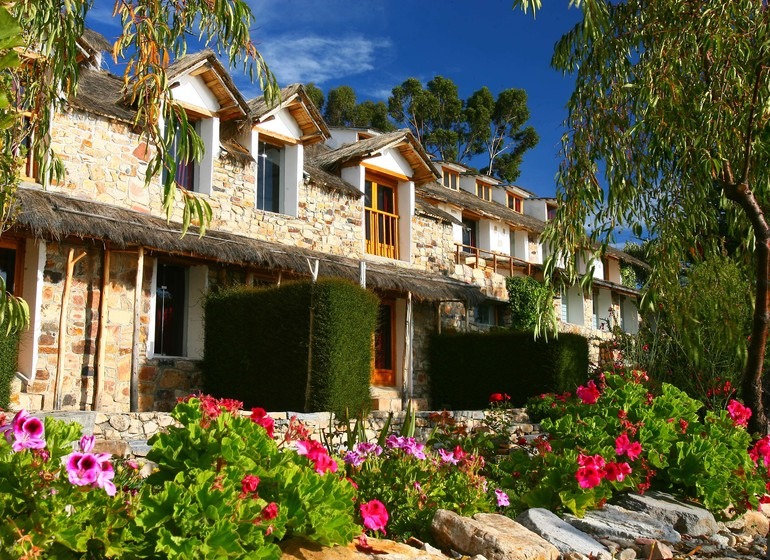
Le Lodge de l'île Suasi
Sur une île privée du lac Titicaca, à 4h de bateau de Puno, un lodge écoresponsable en adobe et eucalyptus, tourné vers la faune andine et le calme.
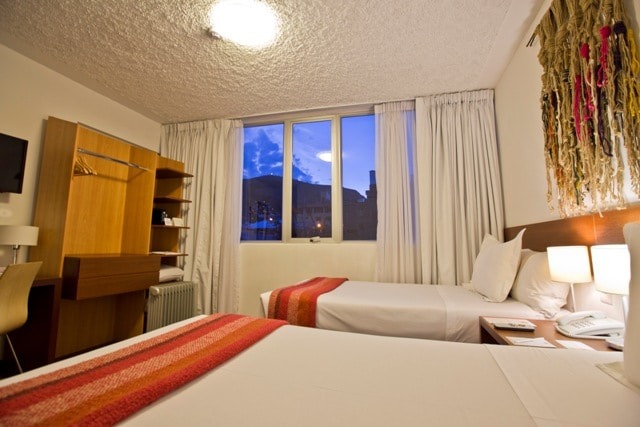
Tierra Viva Puno
Hôtel 3 étoiles de centre-ville à Puno, rue Grau, à deux pas de la Plaza de Armas et à 5 minutes du port du lac Titicaca. 30 chambres, fenêtres insonorisées.
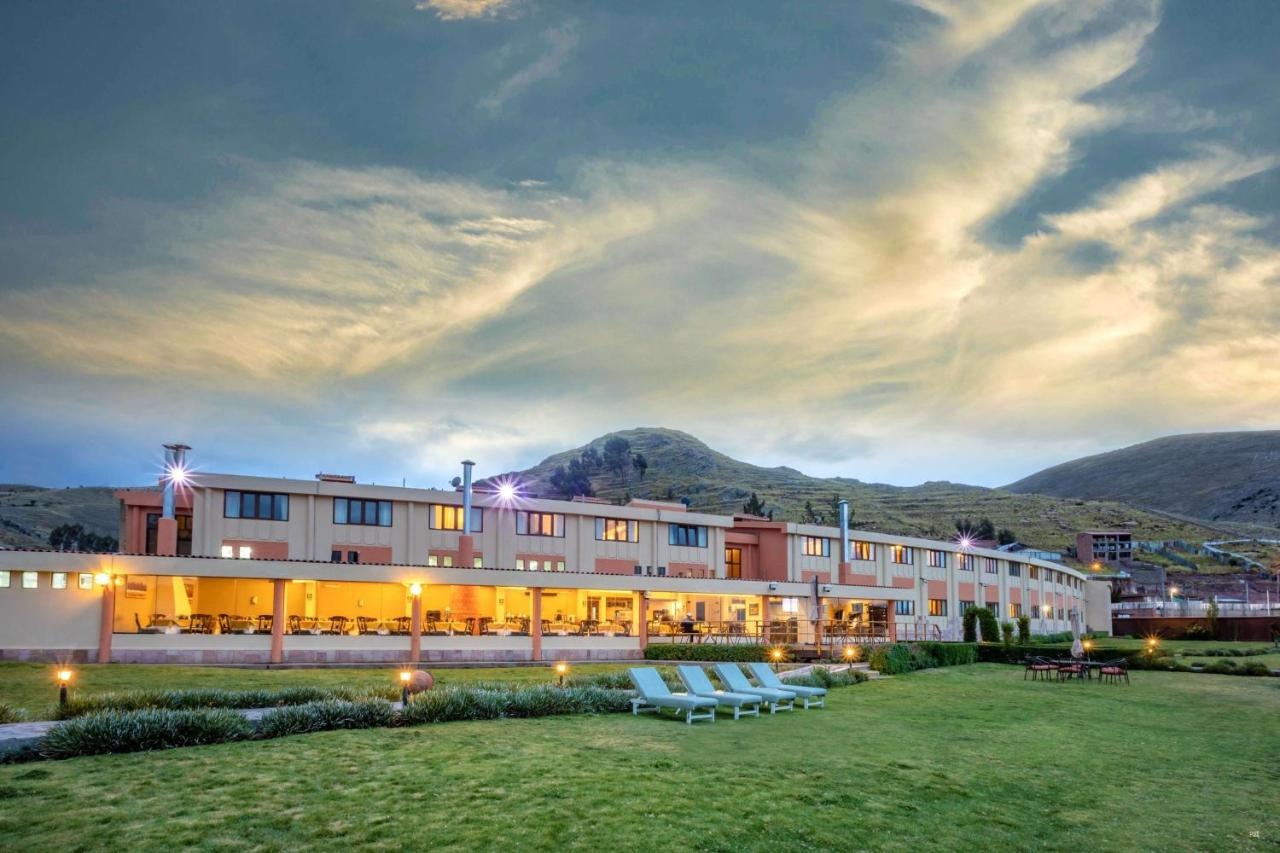
Hôtel Sonesta Posadas Del Inca Puno
Hôtel 4 étoiles directement sur les rives du lac Titicaca à Puno, avec jetée privée, baies vitrées vue lac et accès aux îles des Uros, Taquile et Amantani.
Want to discover this destination?
Our local advisors design your tailor-made trip.