Machu Picchu Pueblo
Machu Picchu Pueblo
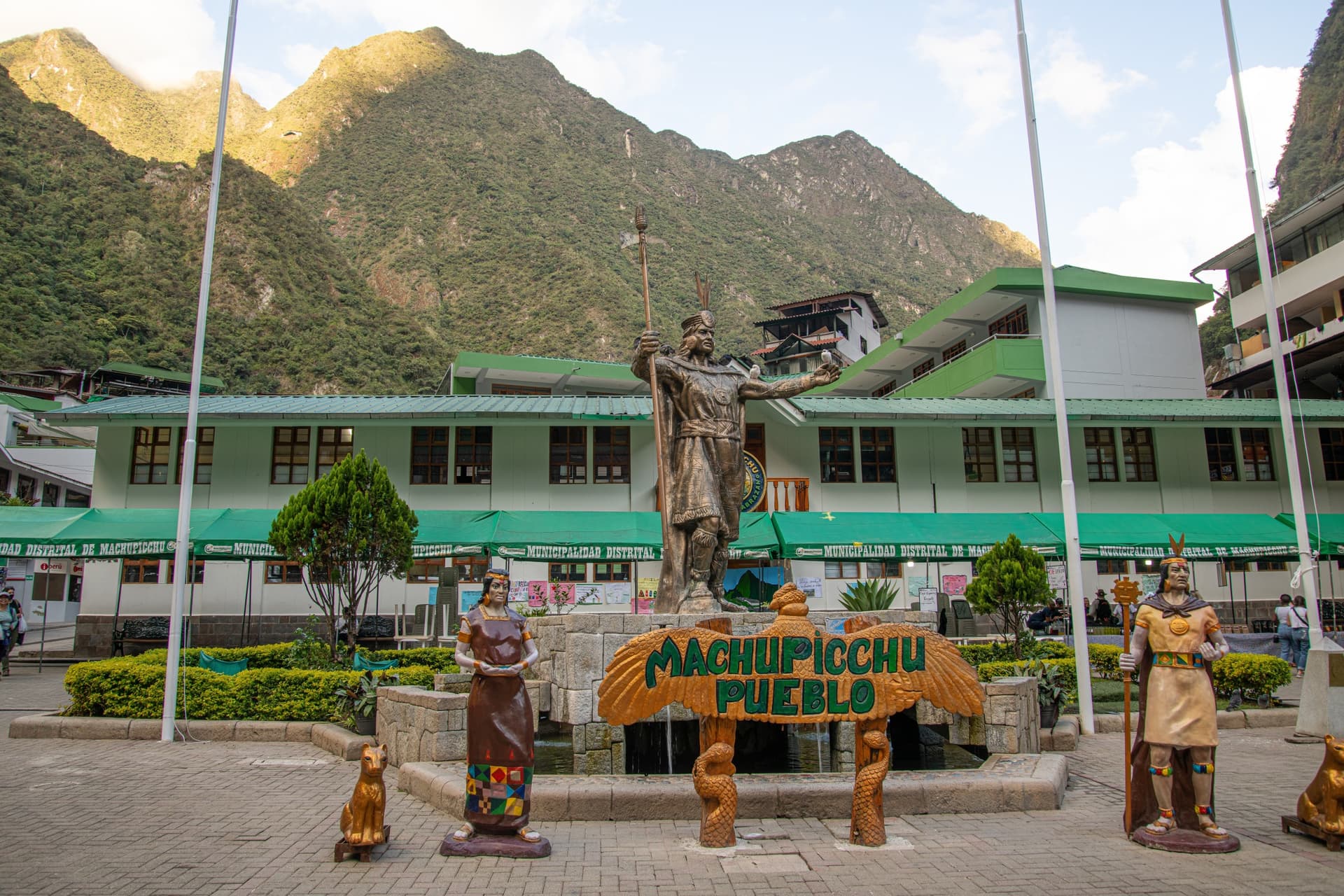
At 2,040 meters elevation, Machu Picchu Pueblo is the essential stopover village before ascending the legendary Inca citadel. Hot springs, waterfalls, train access.
Renowned for its natural hot springs, Machu Picchu Pueblo is the must-visit Peruvian destination for discovering the famous Machu Picchu. This charming village boasts a strategic location at the foot of Machu Picchu mountain itself. With just 4,525 residents recorded in 2017, it offers all the attractions needed to seduce travelers from around the globe.
The Famous Hot Springs of Machu Picchu Pueblo
Machu Picchu Pueblo was formerly known as "Aguas Calientes," which literally means "hot waters" in Spanish. The thermal springs are located 800 meters from the village's main plaza, along the banks of the Vilcanota River.
A must-experience during your stays in Machu Picchu Pueblo, this natural complex produces hot water distributed across five pools. The water emerges from a spring deep within the region's volcanic mountains—a volcano dormant since pre-Incan times. Water temperatures range between 38 and 46°C (100 to 115°F). Don't be surprised or hesitant at the yellowish hue of these sulfurous waters; it's the sulfur content that creates this distinctive color. Consider the therapeutic properties this water offers and take the opportunity to relax and rejuvenate.
The Benefits of These Thermal Waters
Harness the relaxing properties of these waters to unwind, far from daily stress. This will only enhance your journey through Perú. Moreover, your metabolism will function better thanks to these natural warm baths. Indeed, they promote toxin release and increase oxygenation. The chemical composition and water temperature provide remarkable therapeutic properties for health. Frequently used in spa therapies and medical treatments, thermal springs cure ailments such as arthritis, rheumatism, and skin conditions. They also help prevent high blood pressure.
The Machu Picchu Pueblo thermal springs complex is open 7 days a week. The thermal pools and other facilities are well-maintained: lobbies, restrooms, and cafeteria.
What to See and Do from Machu Picchu Pueblo
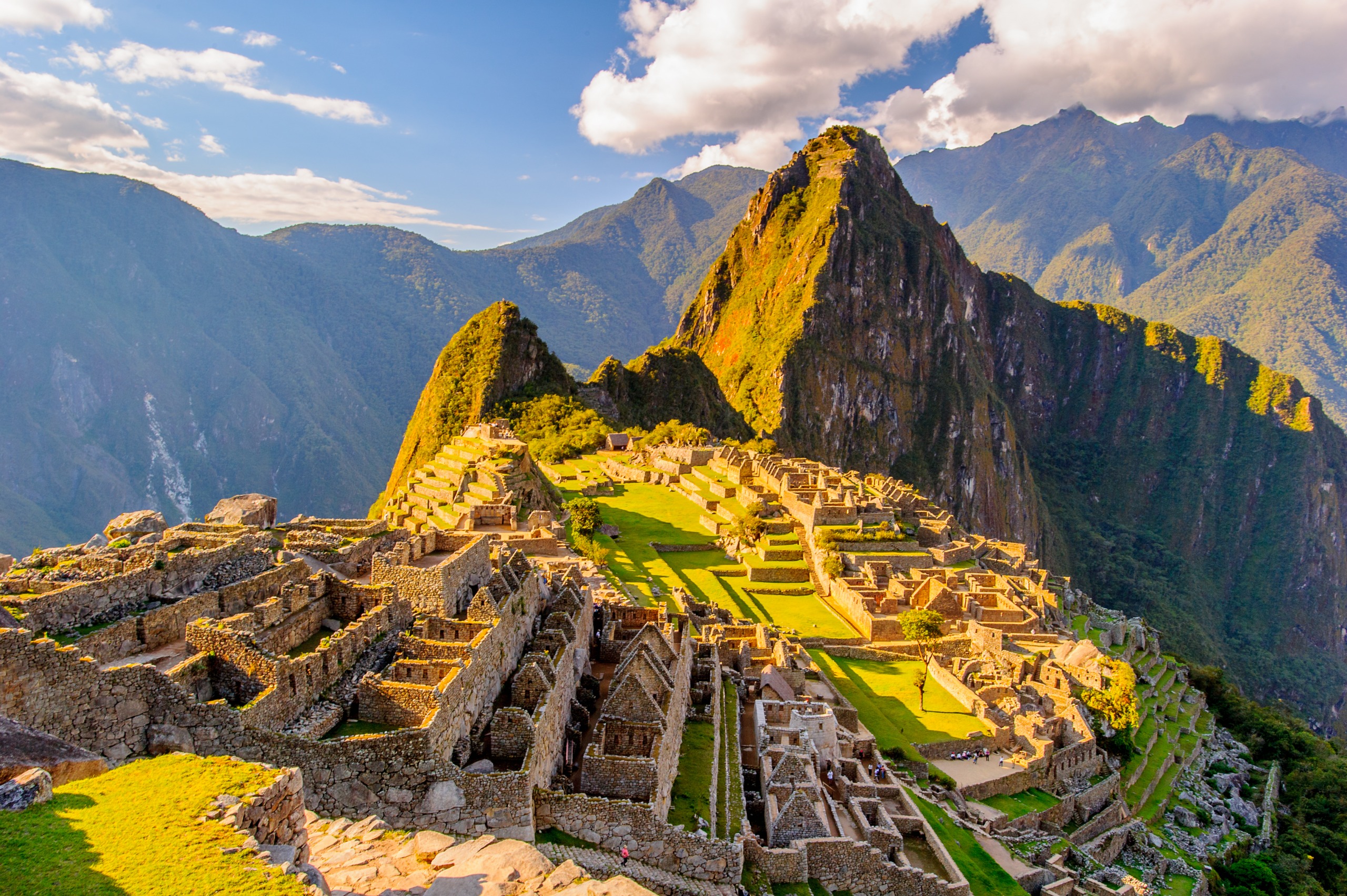
Machu Picchu, the Enigmatic Inca Citadel
Built in the 15th century during the height of Inca civilization, this citadel stands as the premier tourist attraction in Perú and the world's most iconic Inca symbol. It welcomes nearly 800,000 visitors annually. A journey through the country is incomplete without discovering the historical and cultural treasures of this magnificent fortress. Machu Picchu Pueblo is the closest town to this Inca citadel, positioning it as one of the primary departure points for exploration. You've made an excellent choice in selecting Machu Picchu Pueblo as your base.
Revealed to the world in 1911, Machu Picchu enjoys a privileged location on the upper slope of the Amazon River basin. Thanks to its forested and mountainous terrain, you can discover remarkably diverse wildlife and flora. Its terraces and stone walls enhance the citadel's allure and reflect the imprint of Inca history. These exceptional attributes earned Machu Picchu its rightful place in the UNESCO World Heritage List since 1983.
Huayna Picchu, in Machu Picchu's Shadow
Meaning "young mountain" in Quechua, Huayna Picchu is the peak rising behind the Machu Picchu fortress. For adventure seekers and hiking enthusiasts, Huayna Picchu presents an exciting challenge. At the summit, you'll be generously rewarded with a spectacular panorama—breathtaking views of the citadel and surrounding landscape. The ascent and descent take approximately 1.5 to 2 hours.
Mandor Gardens
An ideal spot for nature walks and exploration, this magnificent green oasis is believed to be where Hiram Bingham's expeditions began. Hidden deep within the cloud forest leading to Santa Teresa, it's accessible via a roughly 50-minute trek. Nature will astonish you with the abundance of wildlife and pristine flora in this natural reserve. Observe hummingbirds and the celebrated Andean Cock-of-the-rock, or Tunqui—Perú's national bird. Best viewing occurs during the dry season, between April and October. Orchid varieties thrive abundantly here. Clearly, Mandor Gardens deserve a visit during your Machu Picchu Pueblo stay, though they remain relatively undiscovered.
Waterfall Swimming
Just 40 minutes from the train station lie the Allcamayo Falls. The journey to this paradisiacal spot rewards you with an immersive nature trek through dense vegetation adorned with orchids, colorful butterflies, and native bird songs. The trail leads to three natural waterfalls, with Allcamayo being the highest and most impressive. It's the perfect moment to reconnect with nature's positive energies and revitalize yourself after your Peruvian adventure.
The surroundings of Machu Picchu Pueblo harbor numerous additional tourist sites. Notable is the Manuel Chavez Ballon Museum, regrettably lesser-known, which houses 250 ceramic objects, skeletal remains, and various artifacts excavated from Machu Picchu. The Machu Picchu Museum also features bronze and copper tools. This underscores that Machu Picchu Pueblo is far more than a modest village—it's an unmissable tourist destination in Perú.
Climate
With a warm temperate climate despite its altitude, Machu Picchu Pueblo experiences significant rainfall periods—approximately 1,324 mm of annual precipitation. The wettest months occur between January and April, and again from November to December. Average annual temperature stands at 17.9°C (64°F). The ideal time to visit Machu Picchu Pueblo is therefore between April and November.
Your best option is to land at the Alejandro Velasco Astete International Airport in Cusco, Perú's second-largest. From there, two main routes lead to Machu Picchu Pueblo:
- By train: Head to Poroy or Wanchaq station to board with Perurail. The journey takes approximately 3 hours.
- On foot: The Inca Trail over 4 days is undoubtedly the most rewarding option for those with time and moderate fitness. It's also possible in 2 days starting from the hydroelectric dam upstream of the village.
- By car: You can reach Machu Picchu Pueblo via the Malagá Pass, descending into La Convención province. At Santa María, a fork leads toward Santa Teresa village and then to "Hidroeléctrica"—where the railway from Cusco terminates before reaching Machu Picchu Pueblo. From there, two options remain: continue to Machu Picchu Pueblo by train or on foot via a path sometimes separated from and sometimes adjacent to the rail line. The trail passes through Mandor, offering an opportunity to visit the waterfall. No road directly reaches Machu Picchu Pueblo.
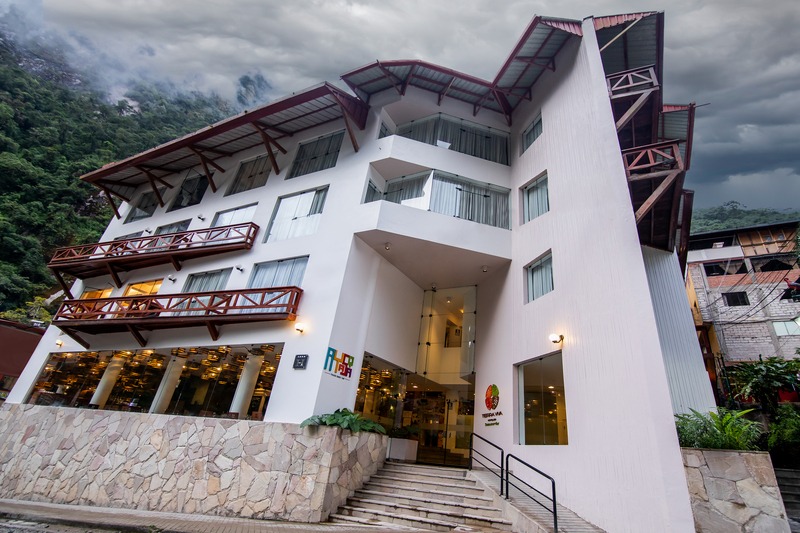
Accommodation in Machu Picchu Pueblo
Want to discover this destination?
Our local advisors design your tailor-made trip.