Chinchero
Chinchero
At 3,760 m altitude on the route to the Sacred Valley, Chinchero blends Inca ruins, a colonial church and living textile traditions. Complete guide.
Village: Chinchero
District: Chinchero
Province: Urubamba
Region: Cusco
Country: Pérou
Population: 3,000 inhabitants
Altitude: 3,760 m
A peaceful Inca village perched along the route to Machu Picchu, Chinchero captivates with traditional whitewashed houses contrasted against red-stone alleyways. It ranks among the most beautiful sites in the Sacred Valley, its timeless charm transporting visitors back through centuries. For those seeking deeper understanding of Peruvian cultures, this village is an ideal destination.
History
The village's name, Chinchero, originally referenced the "chinchilla."
Local tradition has given Chinchero the nickname "Land of the Rainbow" (Kuichi). Indeed, rainbows appear with remarkable frequency during the rainy seasons. The Incas regarded this phenomenon as divine. To this day, villagers revere and venerate it.
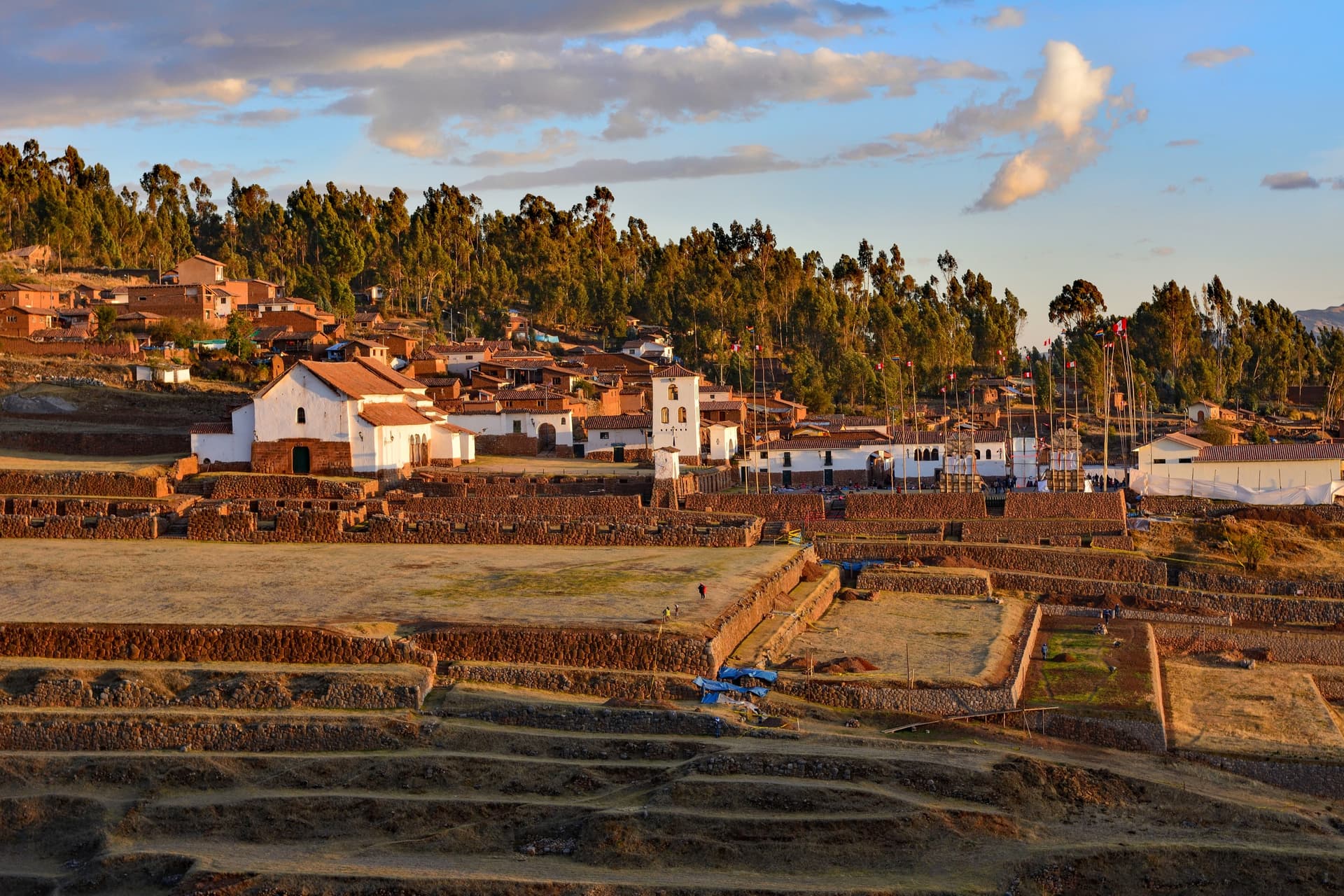
Inca ruler Tupaq Yupanki built his palace here. After 1532, Viceroy Toledo ordered construction of a colonial temple, now a cherished historical landmark. You'll discover the various remnants of Chinchero's past, marks left by the village's rich history: El Pumaqaqa, Chinkana, Teteqaqa.
Chinchero
Situated 28 km northwest of Cusco, Chinchero is a settlement nestled on the high Andean plateaus at 3,760 m above sea level. Considered one of the region's most significant Inca centers, this small Peruvian village brims with remarkable tourist attractions. Its cultural and traditional wealth defines its unique character.
A traditional village of a thousand colours
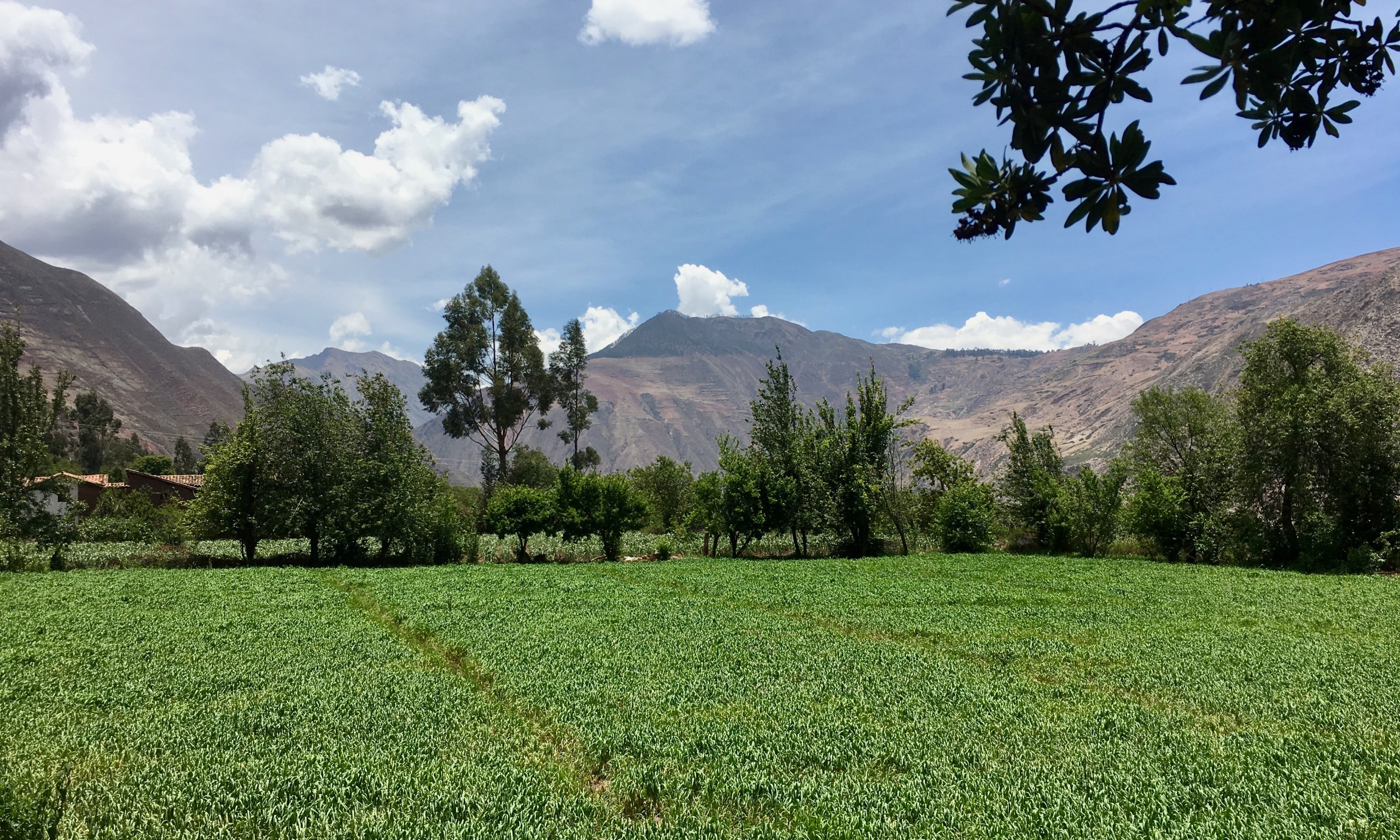
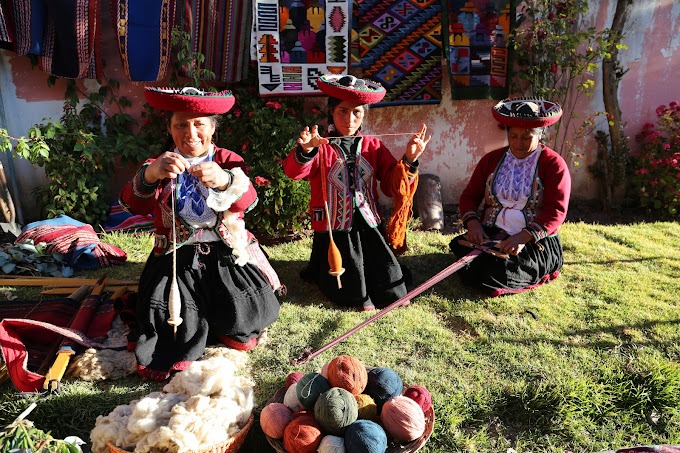
With houses constructed from adobe (a mixture of mud and straw), the village enchants through harmonious colour schemes that constitute its essential charm. Dazzling white dwelling walls blend beautifully with the aged red stones of the alleyways, complemented by the verdant backdrop of towering mountains. Moreover, villagers wear traditional clothing in varied hues, further enhancing the village's beauty and splendour. This destination is genuinely one of Pérou's must-sees.
Inca Terraces: Chinchero's Historical Heritage
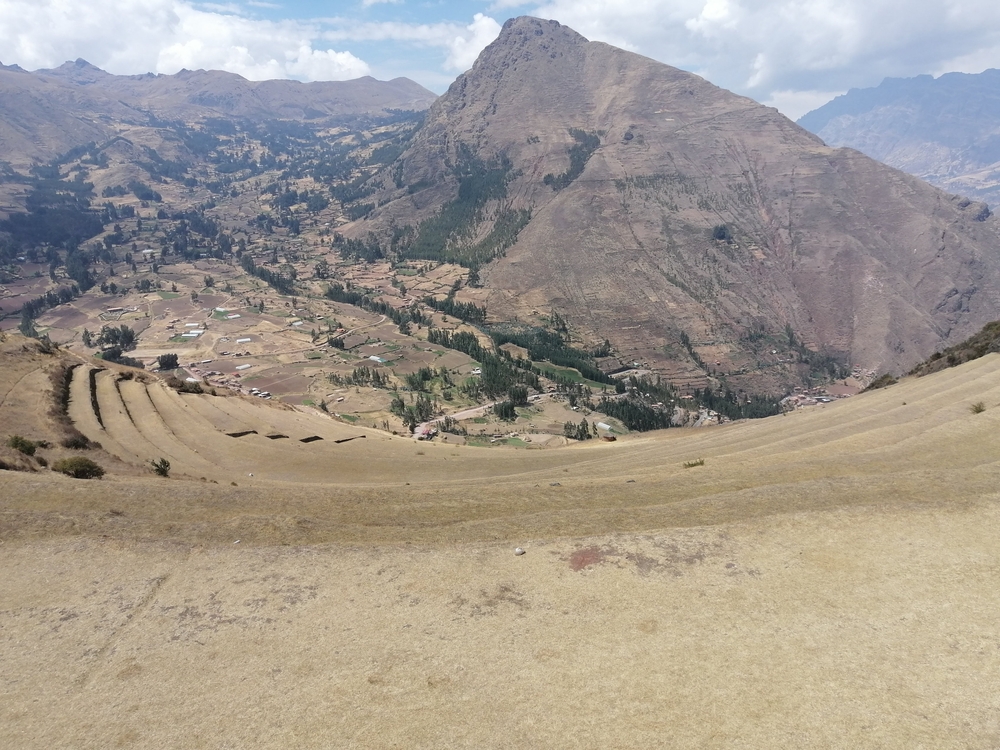
These agricultural terraces continue to serve the current inhabitants. Like the massive stone blocks above them, they are believed to have been constructed under orders from Inca Tupac Yupanqui in antiquity. Viewed from a distance, these terraces offer a spectacular panorama through their verdancy (depending on season) that harmonizes with the stone embankments. The massive blocks towering above them enhance this breathtaking landscape. These ruins also constitute significant regional tourist wealth.
Corpus Christi Festival
Don't miss Corpus Christi celebrations in Chinchero during June (60 days after Easter Sunday). While celebrated worldwide, this festival reaches its zenith in Cusco, and Chinchero's villagers fully embrace it. You'll appreciate the magnificent fusion of Andean and Catholic traditions: cultures and religion converge. It's a unique opportunity to immerse yourself deeper in Pérou's traditional culture. During this vibrant ceremony, villagers prepare 12 dishes typical of Corpus Christi. It's the perfect moment for travellers to embark on a most passionate gastronomic journey. Savour cuy and chiriuchu eaten by hand, as tradition demands. During the festival, you'll also find chicha, the region's typical beer. Keep your camera ready to capture these unforgettable moments of discovery.
The Communities
Chinchero's inhabitants historically lived off agriculture. As the village sits at high altitude, they could only cultivate potatoes, quinoa, and locally resilient tubers like lisas and maswa. Land reform (1968–1975) redistributed lands from large estates among the population and the village's 13 "communities." Communal labour practices dated back to the Inca empire era. Today's inhabitants perpetuate certain collectivist traditions: "Minka," a form of mutual aid among families; "Ayni" and "Barter," a commercial exchange of regional products for those from the valley.
What to See?
The Colonial Church
Founded atop the ruins of an Inca palace in the 17th century, it was constructed by Spanish conquistadors seeking to erase Inca traces from the territory. Displaying baroque and colonial style, Chinchero's Christian church stands among the region's most beautiful. Don't judge by its exterior—inside, magnificently painted walls showcase detailed bas-reliefs in brilliant colours, adorned with exquisite canvases. Its splendid ceiling will leave you speechless. The interior decoration astounds, particularly the altar: pure Spanish baroque. This Peruvian gem hidden in Cusco's depths is absolutely worth seeing.
Textile Manufacturing Workshops
While men dedicate themselves to agriculture, women practice textile arts. They learn weaving from age 6. They typically weave llama wool, animals raised abundantly in the region. They employ various materials for fabric dyeing: leaves, cochineal insects.
The Artisans' Market
You'll find these women's textile works on the main plaza during the artisanal fair every Sunday. The overall display creates a beautiful spectacle through the vibrant variety of fabrics presented. This experience is truly worth having. Even visiting on days other than Sunday, you'll encounter some traditional textile vendors in the market. Others sell foodstuffs for villagers, particularly vegetables.
Lake Piuri. Should you wish to venture from the market, Lake Piuri offers an ideal place to recharge. A 30-minute walk from Chinchero, this lake formerly served as Cusco's water reservoir.
Climate
Chinchero experiences a warm oceanic climate with dry winters. The average annual temperature is 12.3°C with annual rainfall averaging 670.4 mm yearly. The ideal time to visit Chinchero is June or September. These periods offer optimal temperatures between 10 and 12°C and light rainfall of 16 to 18 mm. Note that Corpus Christi celebrations fall perfectly in June. Still, pack blankets and sweaters, as mornings and evenings turn cold.
Once you've arrived at Cusco's Alejandro Velasco Astete International Airport, you can take the colectivo bus to Chinchero. The journey takes only 45 minutes. A taxi is also an option to shorten the trip to 30 minutes. Other travellers may share the ride with you, so remain open to extras that might spice up your Pérou stay.
Chinchero is a small village, easily explored on foot.
Accommodation in Chinchero
Want to discover this destination?
Our local advisors design your tailor-made trip.