Sacsayhuamán
Sacsayhuamán
UNESCO-listed Inca complex overlooking Cusco at 3,700 m altitude, Sacsayhuamán reveals cyclopean walls, ritual towers and sophisticated hydraulic engineering.
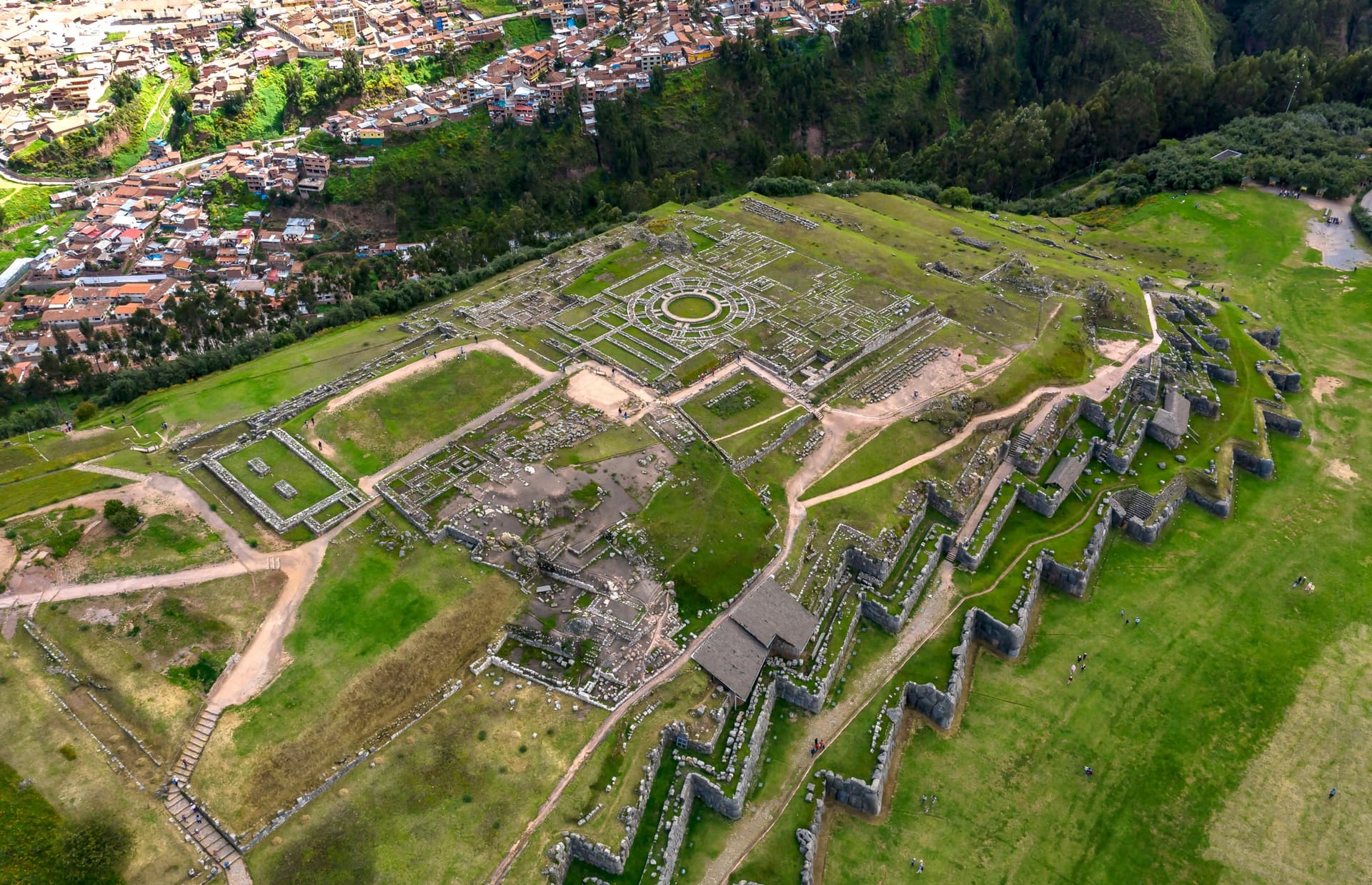
Sacsayhuamán is an Inca archaeological complex located 2 km northwest of Cusco, perched at 3,700 meters above sea level. Spanning an archaeological park of approximately 3,093 hectares, the site stands out for its zigzag cyclopean walls, towers and hydraulic systems, testifying to Inca engineering mastery. Inscribed on the UNESCO World Heritage list since 1983, it ranks among the defining stages of a Cusco visit.
Why visit Sacsayhuamán
The site offers direct access to large-scale Inca monolithic architecture in a less-crowded setting than Machu Picchu yet equally compelling for understanding this civilization's technical prowess. Limestone blocks weigh between 100 and 350 tonnes, with some reaching 9 meters in height, interlocking without visible mortar. Viewed from above, the complex forms a silhouette evoking a puma's head—a sacred animal for the Incas—with Cusco's body completing the animal according to traditional urban interpretation.
The site's commanding position above Cusco provides clear insight into the colonial and Inca urban fabric of the old city, and integrates well into a half-day circuit combining walking and observation.
History
Dating varies by source: some place construction's beginning around 1350, while others link it to the reign of Pachacutec (circa 1438–1471) with completion spanning the 15th and 16th centuries. Chronicles mention between 50 and 90 years of construction and a workforce estimated at 4,000 to 20,000 people, including porters, sculptors, engineers and architects. The Incas mobilized these workers through the mitmaq system, which involved relocating populations from conquered communities.
The name Sacsayhuamán means "satisfied falcon" or "place where the falcon is sated" in Quechua. The complex fulfilled religious, military and political functions. Some archaeologists today nuance its description as a "fortress," viewing it also as a grand ceremonial space.
The most famous episode in its recent history was the siege led by Manco Inca against the Spanish in 1536. Juan Pizarro, brother of Francisco, seized the site by exploiting an incomplete rampart. After the conquest, Spanish colonists dismantled much of the construction to build Cusco, leaving only blocks too massive to move. Today, only about 20% of the original structures remain visible.
What to see on the site
The zigzag walls
Three parallel ramparts stretch in a sawtooth pattern for 600 to 800 meters. This geometry served both a defensive imperative—the attacker always exposed a flank—and an intentional architectural choice. The limestone blocks, shaped to fit their neighbors, are by some accounts reinforced with bronze ties at specific points, a detail still debated by archaeologists.
The trapezoidal gates
Three main gates, carved in stone with the characteristic trapezoidal profile of Inca architecture, provided access to different sectors of the complex and served as control points.
The three towers
Only the bases remain, but their functions are documented:
- Muyucmarca: a circular tower dedicated to periods of meditation and fasting by the Inca and his court.
- Paucamarca: associated with the cult of the Sun. Local legend speaks of underground tunnels connecting it to Cusco's Temple of the Sun.
- Sallaqmarca (sometimes Suyaqmarka or Sullamarca): a garrison and storage depot for weapons, provisions and textiles.
Hydraulics and terraces
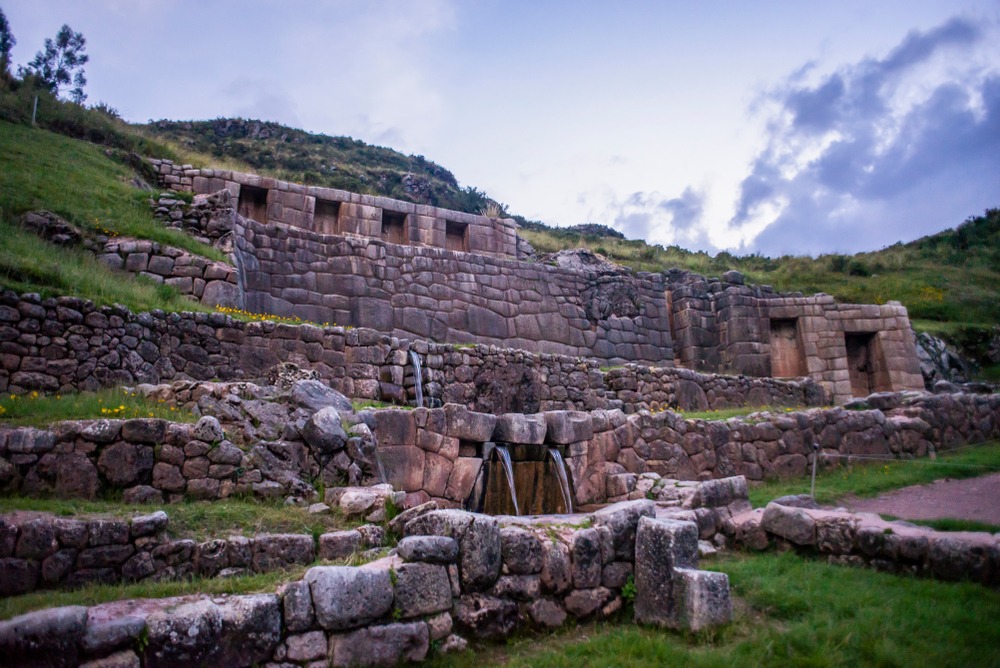
Drainage channels, aqueducts and a circular cistern attest to Inca mastery of water management. Enclosures approximately 360 meters long, several open plazas and terraces complete the ensemble.
The chincanas
Two underground tunnels, called chincanas, run through the site. Local lore recounts that visitors have become lost in them without ever emerging. Oral tradition claims they connect Sacsayhuamán to Qoricancha, even to Machu Picchu, though no archaeological confirmation exists to date.
Practical information
Access to the site is via the Cusco Boleto Turístico, a combined ticket that includes several archaeological sites and regional museums. It can be purchased at the entrance or at offices in central Cusco. The site is open daily during daylight hours; it's best to verify current opening times with your accommodation before heading up.
Plan 1.5 to 3 hours for a thorough visit. Bring closed-toe shoes, water, sun protection and a windbreaker: at 3,700 m, temperatures and sunlight vary rapidly. If arriving from lower elevations, allow yourself at least one day to acclimatize in Cusco before the ascent.
When to visit
The dry season, from May to September, offers the best visiting conditions: clear skies, passable trails, bright light on the walls. The rainy season (December to March) remains possible but the ground becomes slippery.
The year's highlight is the Inti Raymi, the Sun Festival, celebrated each June 24 at the southern winter solstice. The ceremony, a tribute to the sun god Inti, features a grand historical reenactment and traditional dances on the site's esplanade. Attendance peaks then and Cusco accommodations book several months in advance.
How to get there from Cusco
- On foot: from Plaza de Armas, allow approximately 30 to 45 minutes via cobbled lanes and staircases. The climb is strenuous due to altitude.
- By taxi: 10 to 15 minutes from the center, a practical option to spare your legs before the visit.
- By tour bus: several circuits combine Sacsayhuamán with other nearby sites (Qenqo, Puca Pucara, Tambomachay).
- By bicycle: 20 to 30 minutes from the center, with rental shops available in Cusco.
What to combine in the region
Sacsayhuamán fits naturally into broader exploration of the Sacred Valley and Cusco's highlands. To extend your visit, several sites lend themselves to themed days:
- Pisac and its array of Inca agricultural terraces, accessible in the Sacred Valley.
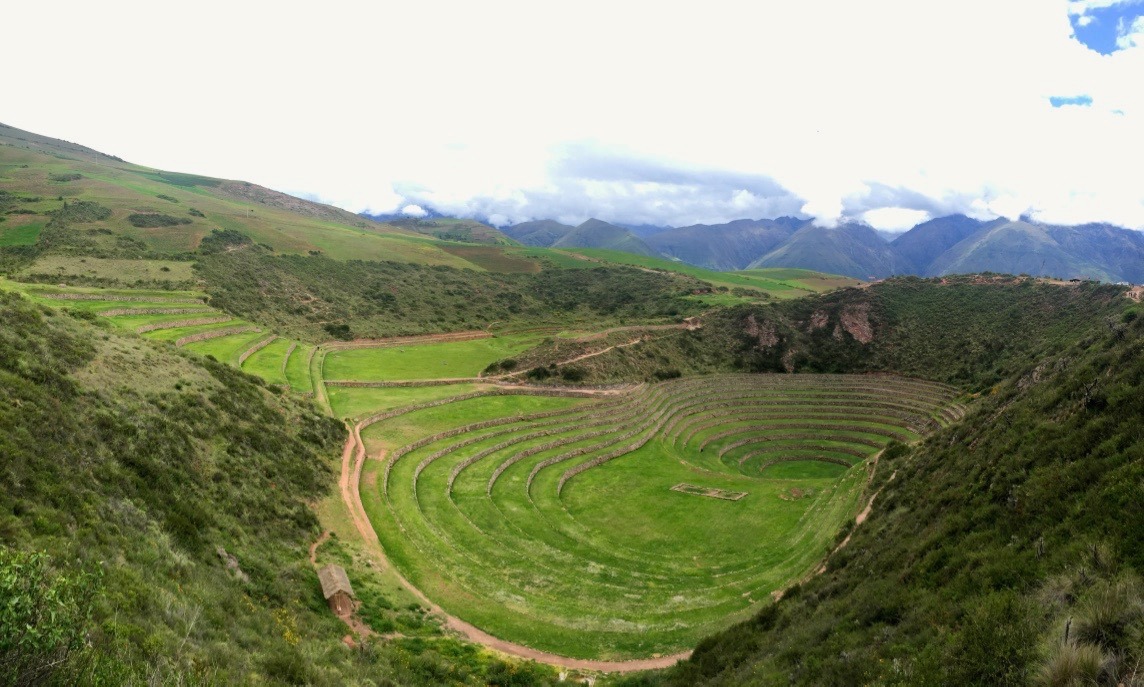
- Moray, with its concentric agricultural circles, to understand Inca agronomy.
- Huchuy Qosqo, a less-crowded site reachable by hiking from Cusco.
- Cusco Planetarium, to place Inca astronomy in a complementary perspective.
Frequently asked questions
Frequently asked questions
Planning your next steps
Sacsayhuamán often marks one of the first archaeological stages in a Peruvian itinerary, right after acclimatizing to Cusco. To link this visit with the Sacred Valley, Machu Picchu or the coast, consult our comprehensive guide on travel to Pérou.
Nearby
Interested in this visit?
We can include it in your personalised itinerary.