Pisac
Pisac
Located 33 km from Cusco, Pisac combines a vast Inca archaeological complex perched on the mountainside with a colonial village renowned for its artisanal market.
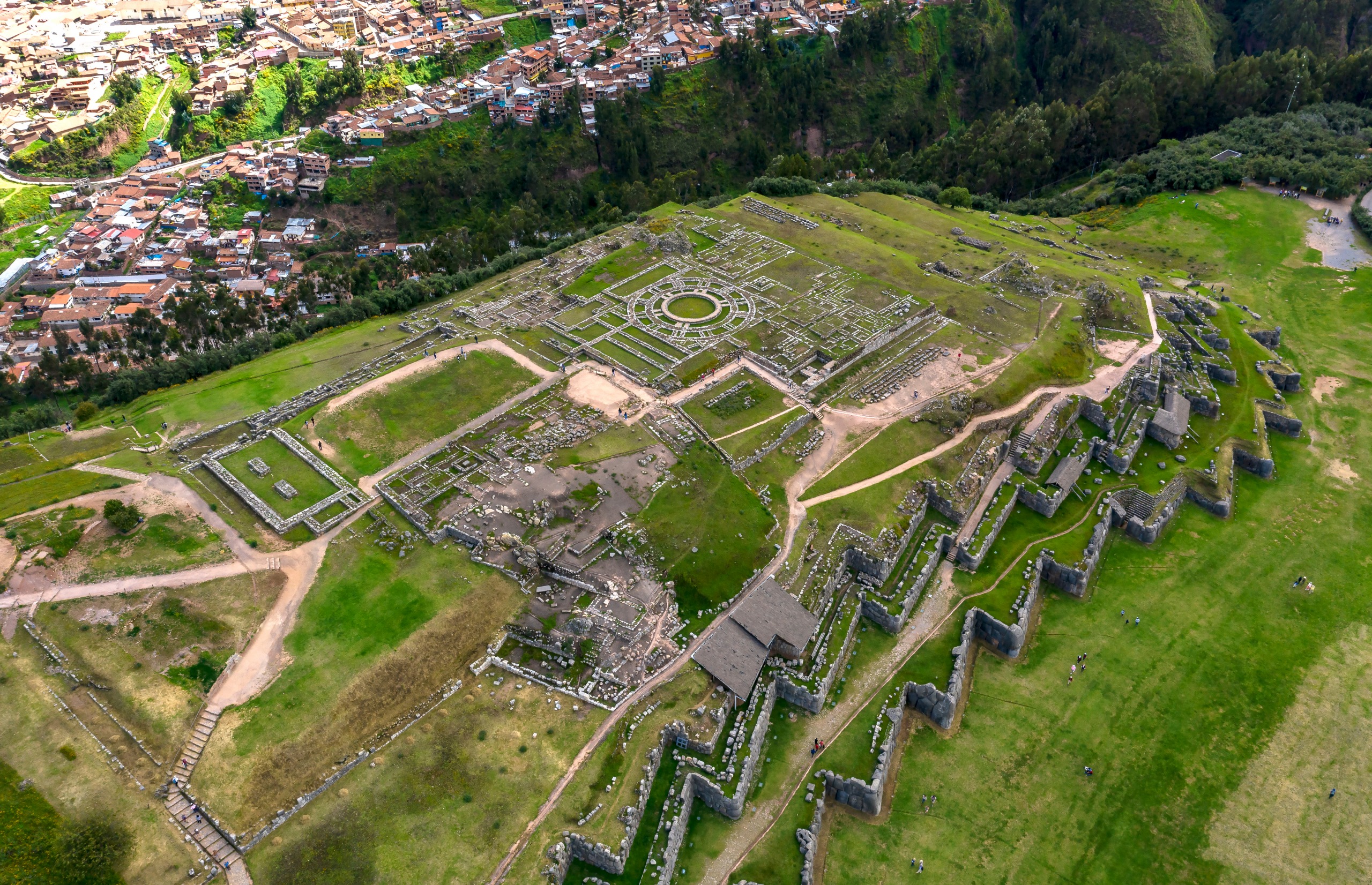
About thirty kilometers northeast of Cusco, Pisac marks the eastern gateway to the Inca Sacred Valley. The site brings together an Inca archaeological complex set at 3,300 meters altitude and a colonial village rebuilt at the foot of the mountain, known for its artisanal market. The name is believed to derive from the Quechua "Pisaqaq" or "Pisak'a", which designates the partridge: the layout of the site is said to echo the silhouette of this bird.
Why visit Pisac
Pisac concentrates, on a single mountainside, most of the elements that define Inca urbanism: tiered agricultural terraces, temples carved into granite, residential quarters and a necropolis. Unlike Machu Picchu, the site remains accessible by public transport from Cusco in less than an hour, making it a logical first stop to understand Inca architecture before exploring further up the Sacred Valley.
The village below also hosts one of the region's most well-stocked artisanal markets, particularly active on Tuesdays, Thursdays and Sundays.
History
Pisac was founded in the 15th century, around the late 1470s, by the Incas under the reign of Pachacutec. The conquest of the Sacred Valley had been begun by his predecessor Viracocha. According to oral tradition, Pachacutec is said to have ordered the construction of the site after defeating a local tribe, adding a citadel, a palace and a ceremonial complex on the heights. The presence of watchtowers also indicates a military function, with the complex guarding access to the valley from Antisuyu, the Amazonian region.
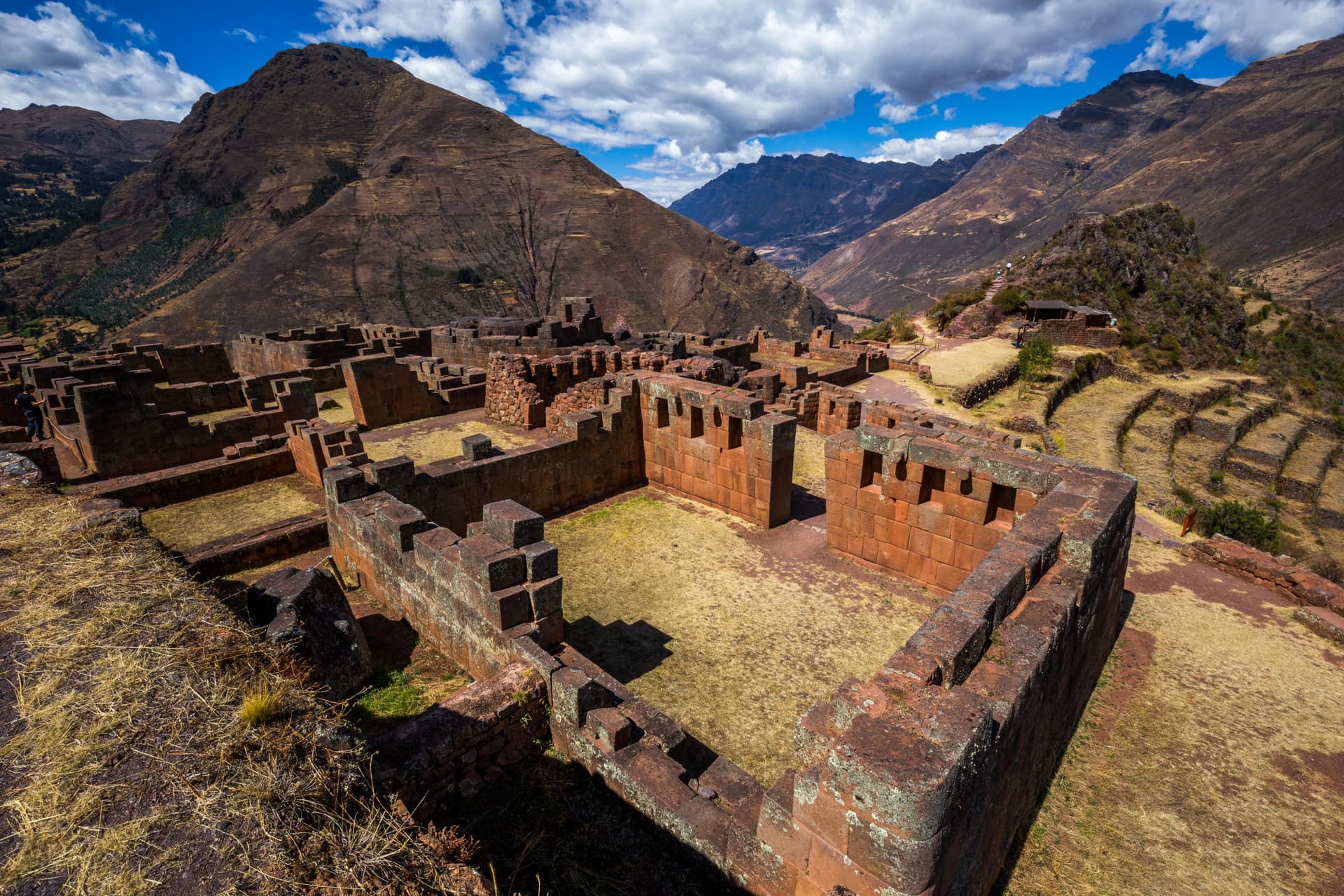
The builders' expertise is evident throughout the complex. Stone structures, built without mortar, are fitted with remarkable precision: slanted walls and polygonal stones allow the buildings to withstand earthquakes. The terraces, irrigated by canals, served both to cultivate maize and potatoes and to limit slope erosion.
Around the 1530s, Pisac was conquered by the Spanish under Francisco Pizarro. Inhabitants abandoned the heights, monuments were damaged and the Inca cemetery was looted. During reforms initiated around 1570 by viceroy Francisco Álvarez de Toledo, the present-day village was rebuilt at the base, beneath the Inca complex ruins. Archaeological rediscoveries in the 19th and 20th centuries confirmed its importance, and the site is today designated as national heritage.
What to see at the site and village
The archaeological complex
- Intihuatana (Temple of the Sun): the most elaborate ceremonial sector, featuring a solar altar carved from rock and ritual baths.
- Agricultural terraces of Qantus Raqay and Acchapata: spectacular succession of curved andenes across the mountainside.
- Residential quarter of P'isaqa: stone houses arranged in a semicircle, likely reserved for the elite.
- Necropolis of Tankanamarca: hundreds of funerary niches carved into the cliff face, one of the largest known Inca cemeteries.
- Watchtowers (pucaras): surveillance posts on the ridges.
Allow 3 to 4 hours to explore the entire site on foot. The site is visited with the Cusco Tourist Ticket.
The village and its market
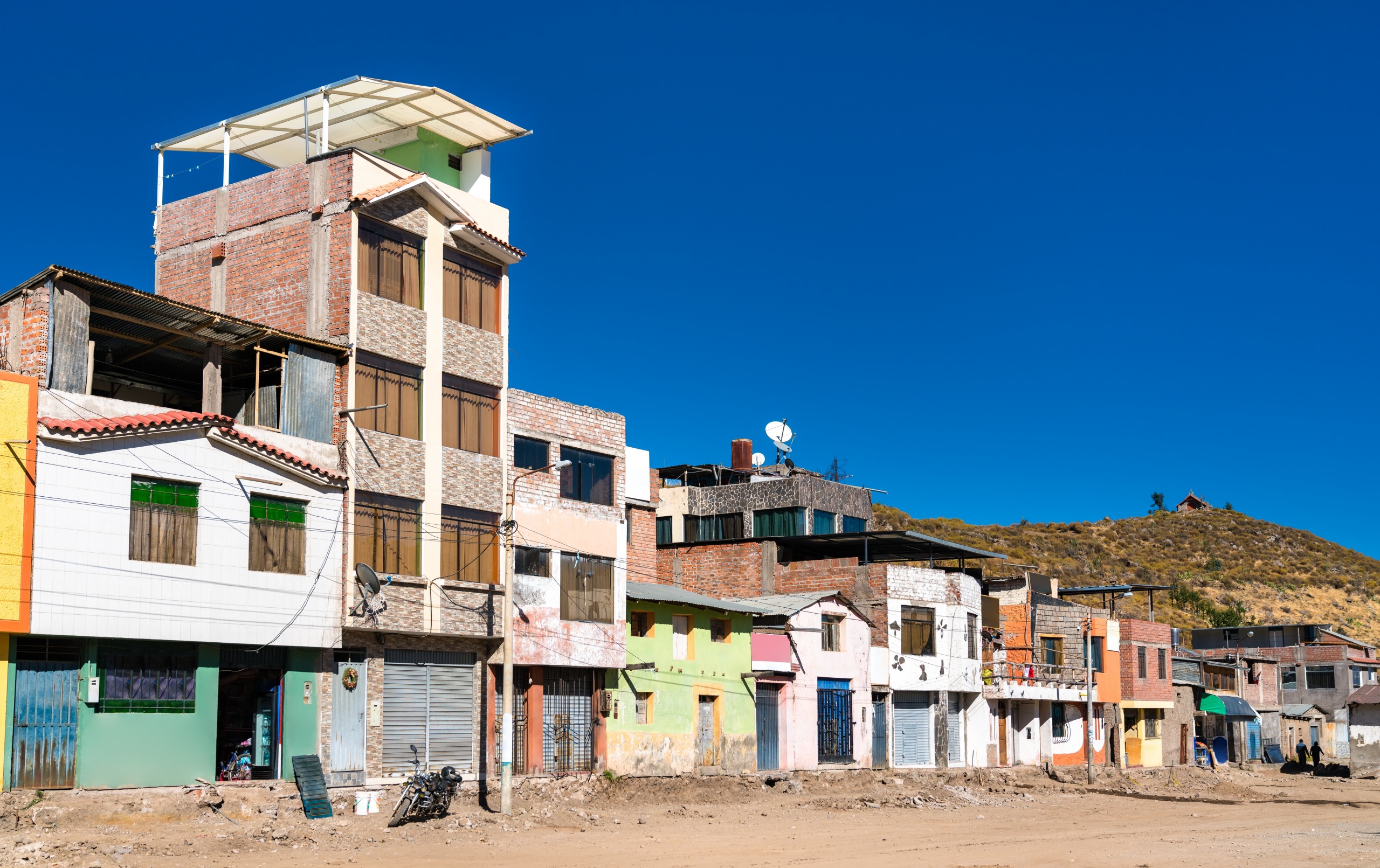
Pisac's market generally takes place on Tuesdays, Thursdays and Sundays, offering hand-woven textiles, ceramics, silver jewelry, musical instruments and fresh produce from neighboring valleys. On non-market days, several stalls and workshops remain open around the main square. The village also houses a small botanical garden dedicated to Andean plants and several weaving workshops where visitors can observe traditional handwork.
Practical information
- Altitude: 2,970 m at the village, 3,300 m at the archaeological site. Prior acclimatization in Cusco is recommended.
- Site access: included in the Cusco Tourist Ticket (regional combined ticket).
- Duration of visit: plan for at least half a day, a full day to combine the site and market.
- Local specialties: pachamanca (food cooked under hot stones), lomo saltado, roasted guinea pig, river trout, dishes featuring maize and potatoes.
- Festivities: Inti Raymi (festival of the sun) in June features ceremonies throughout the Cusco region. Pisac also hosts several patron saint festivals throughout the year.
Note: some agencies offer so-called ayahuasca ceremonies at Pisac. This is a recent tourist offering with no connection to a traditional local ritual; utmost caution should be exercised regarding supervision and safety.
When to visit
The dry season, from April to October, offers the best visiting conditions, with sunny days and temperatures between 15°C and 20°C. Nights remain cool, sometimes near freezing in June and July. The rainy season, from November to March, can make certain trails slippery but landscapes are greener and crowds thinner. Market days (Tuesday, Thursday, Sunday) are the most lively but also the most crowded.
How to get there
From Cusco: most public buses depart from Calle Puputi. The journey takes 45 minutes to 1 hour, with regular departures throughout the day. Colectivos (shared vans) cover the same route slightly faster, for a few soles extra.
From Ollantaytambo or Urubamba: colectivos connect directly to Pisac in 1 to 1.5 hours, allowing you to visit multiple Sacred Valley sites without returning to Cusco.
Private taxi or organized tour: numerous Cusco agencies offer full-day excursions including Pisac, Ollantaytambo and an additional site (Moray, Chinchero or Maras). Private taxi rates are negotiable.
On site, the village can be explored on foot. To reach the archaeological complex directly without taking the mountain trail (approximately 1.5 hours), taxis and moto-taxis provide connections for a few soles.
Nearby attractions
Pisac fits naturally into a Sacred Valley circuit. Combine with:
- Moray, with its unique circular terraces of Inca architecture.
- the Inkariy Museum, which traces the great pre-Hispanic civilizations of Peru.
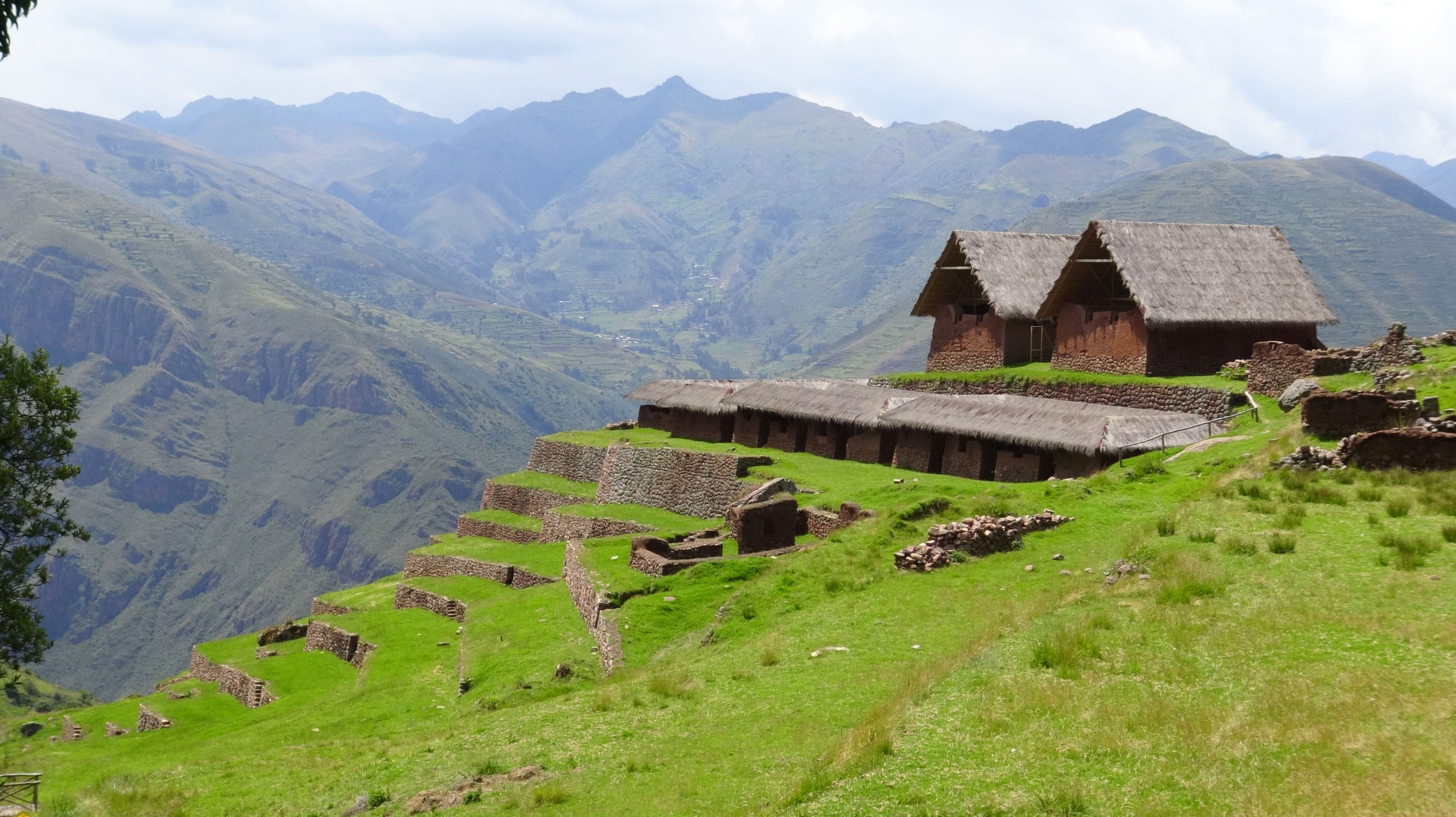
- Huchuy Qosqo, a less-visited Inca site accessible by hiking from the valley.
- Cusco Planetarium, to understand Inca astronomy before visiting the temples.
Frequently asked questions
Frequently asked questions
Half a day is sufficient to explore the archaeological site. To combine the ruins, market and colonial village departing from Cusco, plan for a full day.
The main market takes place on Tuesdays, Thursdays and Sundays. Sunday is the liveliest, with a traditional ceremony on the central square in the morning. On other days, several shops and workshops remain open around the square.
The complex sprawls across a steep slope and requires several hours of hiking with elevation gain. Visitors wishing to avoid the climb can take a taxi to the upper entrance of the site then descend gradually through the different sectors.
Access is included in the Cusco Tourist Ticket, which also covers several other sites in the Sacred Valley and the city. No individual tickets are sold at the entrance.
The village sits at approximately 2,970 m, slightly lower than Cusco (3,400 m). Many travelers spend one or two nights here before heading to higher-altitude sites.
Plan your trip
Pisac fits naturally into an itinerary combining Cusco, the Sacred Valley and Machu Picchu. To build a tailor-made circuit integrating this site and other Andean stages, consult our Peru trips.
Nearby
Interested in this visit?
We can include it in your personalised itinerary.