Museum of History and Anthropology
Museum of History and Anthropology
In Lima, Peru's oldest state museum brings together 100,000 artifacts spanning pre-Incan civilizations, the Incan Empire, and the colonial period.
Located in the Palacio de la Magdalena in Lima, the National Museum of Archaeology, Anthropology and History of Peru houses nearly 100,000 objects that trace the country's past, from the earliest Andean civilizations to the republican period. It is Peru's oldest state museum, founded in 1822.
Why visit this museum in Lima
The building is recognizable by its reddish-brown facade topped with the inscription Museo Nacional de Arqueología Antropología e Historia del Perú. Inside, the collection spans Peru's entire history: pre-Incan civilizations, the Incan Empire, the Spanish viceroyalty, and the republican period.
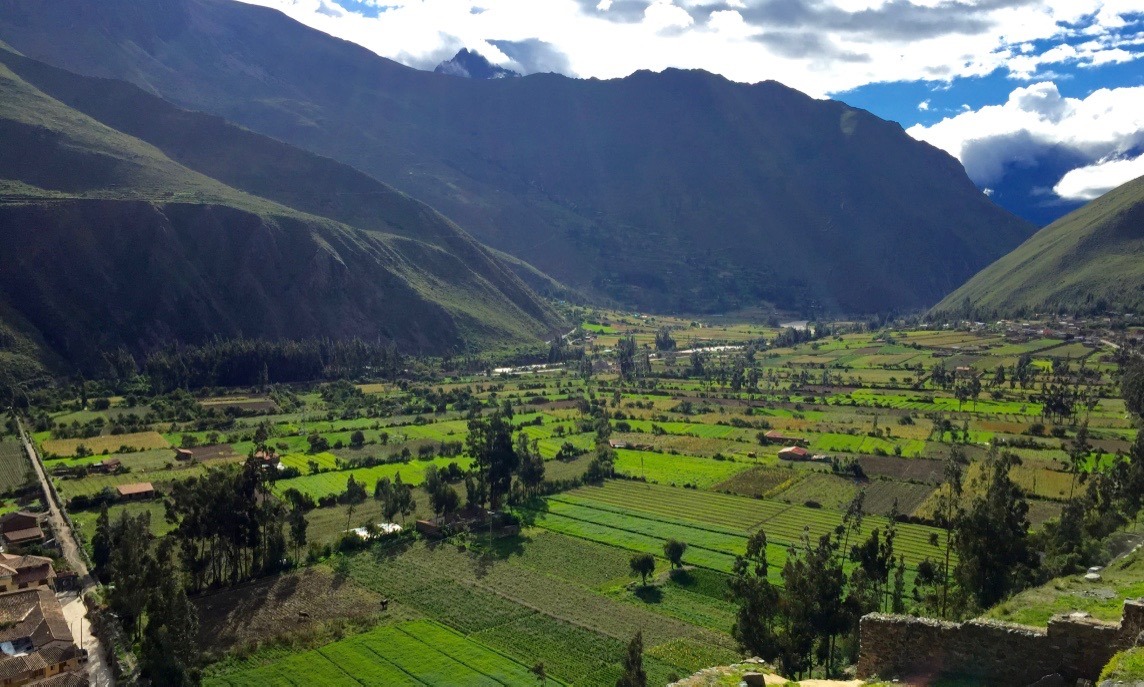
The permanent collection comprises approximately 100,000 objects, including nearly 2,000 traditional musical instruments and human remains dating back more than 10,000 years. Several major pieces of Andean archaeology are displayed here, making it a valuable stopping point before exploring sites throughout the country such as the ruins of Ollantaytambo or the Sacred Valley.
Museum history
The museum owes its founding to Argentine General Don José de San Martín, who sponsored its inauguration in 1822, one year after the creation of Peru's National Library. The stated objective at the time was to support the cultural identity of the young republic.
From 1822 to 1872, the National Museum of Peru—its original name—shared its premises with the National Library, the Ministry of Foreign Affairs, and the inquisition chapel. The collection was subsequently transferred to Lima's Palace of Exposition. It then brought together endemic plants, rare minerals, and pre-Columbian objects collected throughout the country.
The War of the Pacific brutally interrupted this initial phase. In 1880, Chilean forces plundered the collections during the occupation of Lima. Only the Raimondi Stele was preserved, and the institution closed that same year. It reopened in 1905 under the name National Museum of History with approximately 2,000 pieces.
In 1924, on the occasion of the centennial of independence, a Museum of Peruvian Archaeology was created under the direction of archaeologist Julio C. Tello. He obtained the transfer of archaeological pieces from the National Museum of History and purchased the collection of the private Victor Larco museum. The National Museum of History underwent several name changes: Bolivarian Museum (1924), Museum of Independence (1932), Museum of the Republic (1935), and again National Museum of History (1963). The two institutions, long housed in distinct wings of the Palacio de Magdalena, merged in 1992 to form the current museum.
What to see in the collections
The exhibition is organized by theme and in chronological order across 30 rooms. The physical anthropology section presents skulls, bones, and mummies spanning the paleo-Indian period through the Incan era. The other rooms address pottery, stone tools, textiles, everyday objects, precious metals, and tribal heritage. Two spaces are dedicated to the colonial and republican periods.
Among the most renowned pieces:
- The Raimondi Stele: monolith from Chavín culture depicting an anthropomorphic figure holding a staff.
- The Tello Obelisk: finely carved monolith measuring 2.52 m × 0.32 m, also from the Chavín tradition.
- The Crossed Hands of Kotosh: clay reliefs found at the Kotosh site in the Huánuco region.
- Canvases from the Cuzco school, recognizable by their motifs enhanced with gold leaf.
- A small-scale reproduction of Machu Picchu, useful for orienting yourself to the site before a trek into the highlands.
The museum also maintains a documentary collection (field notebooks, letters, photographs) and organizes workshops for young visitors.
Practical information
The museum is open throughout the week during daytime hours. Exact hours vary and it is advisable to check on-site or with your tour operator before your visit. Admission remains modest, with a reasonable surcharge for guided tours in Spanish, English, or Italian. Allow approximately two hours to comfortably explore all the rooms.
When to visit
Lima enjoys a unique coastal climate, with a relatively cool dry season from May to October and a more humid season from November to April. To combine a museum visit with other outdoor discoveries in the capital, the May to October period offers more stable conditions. The museum can be visited without weather constraints year-round.
How to get there
The museum is located in the Palacio de la Magdalena, on Bolívar Square, in the Pueblo Libre district, less than 9 km from Lima's historic center. The easiest way is by taxi or ride-share from Miraflores, San Isidro, or the center. Combis (shared minibuses) also serve Pueblo Libre, but require some familiarity with local navigation.
What to see nearby
Pueblo Libre concentrates several complementary sites, easy to visit in half a day:
- The Larco Museum, housed in a former hacienda, renowned for its pre-Columbian ceramic collection.
- Casa Bolívar (Casa Quinta de Los Libertadores), a 19th-century residence that hosted Don José de San Martín and later Simón Bolívar.
- El Carmen Park, pleasant for a break after your visit.
- Santa María Magdalena Church, in baroque style, with altars adorned in gold leaf.
To extend your exploration of Andean heritage beyond Lima, several sites are worth visiting, such as Q'enko near Cuzco or the Pampa Cañahuas National Reserve in the Arequipa region.
Frequently asked questions
Frequently asked questions
Allow approximately two hours to explore the 30 rooms at a comfortable pace. Those passionate about Andean archaeology can easily spend a half-day here.
Yes, guided tours are offered in Spanish, English, and Italian for an additional fee. It is best to book in advance for languages other than Spanish.
The Raimondi Stele and the Tello Obelisk, both from Chavín culture, as well as the Crossed Hands of Kotosh are among the most striking pieces. The small-scale reproduction of Machu Picchu is also highly visited.
Yes, Pueblo Libre is located less than 9 km from the historic center. A taxi or ride-share takes 20 to 40 minutes depending on traffic.
Yes. The Larco Museum is located in the same district, and the two collections complement each other well: the national museum for a comprehensive historical overview, the Larco for pre-Columbian ceramics.
Plan your trip
The museum is an excellent introduction to Andean history before exploring Cuzco, the Sacred Valley, or the northern coast. To build a custom itinerary incorporating Lima and its surroundings, explore our Peru travel ideas.
Interested in this visit?
We can include it in your personalised itinerary.