Hydroelectric Power Plant of Machu Picchu
Hydroelectric Power Plant of Machu Picchu
At the foot of the Incan citadel, Hidroeléctrica combines an industrial facility harnessing the Vilcanota River with a gateway to Aguas Calientes and Machu Picchu.
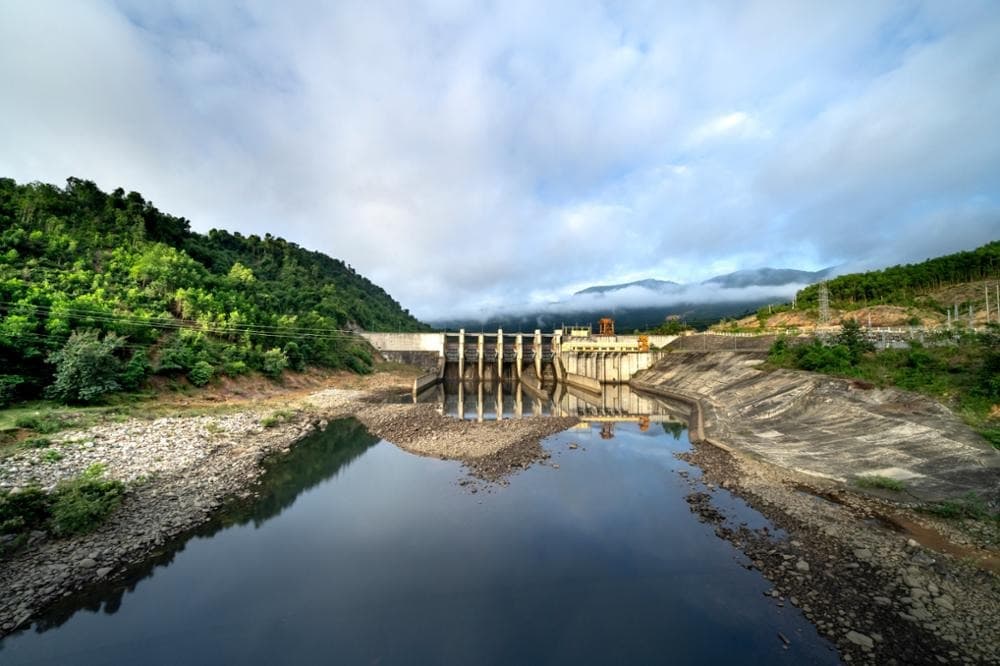
The hydroelectric power plant at Machu Picchu, known locally as Hidroeléctrica, taps the waters of the Vilcanota River at the foot of the Andes. Beyond its role in energy production, the site serves as a departure point for reaching the village of Aguas Calientes and the Incan citadel of Machu Picchu, on foot or by train, along a railway line that cuts through tropical forest.
Why stop at Hidroeléctrica
The location's appeal lies in its dual identity. First, it is a notable engineering feat: Perú's third-largest hydroelectric power plant and the largest in the southern part of the country by production capacity, supplying electricity to the regions of Cusco, Puno, and Apurímac. Second, it serves as an access point to Machu Picchu for travelers seeking a more budget-friendly alternative to the direct train from Ollantaytambo. The Hidroeléctrica station marks the beginning of a two- to three-hour walk along the rails to Aguas Calientes, through Andean jungle scenery and narrow gorges.
History of the power plant
The project was conceived in the mid-1950s as part of southern Perú's energy planning. Several milestones mark its development:
- 1950s-1960s: planning and initial construction. The plant begins operations with an initial capacity of 20 megawatts.
- 1965: a group of Francis turbines is added, doubling production.
- 1980: major expansion with the integration of three Pelton turbines.
- 1985: full operational capacity achieved, capacity increased to 107 megawatts.
- 1998: an exceptional flood strikes the Cusco region and stops production. Reconstruction takes more than three years.
- July 2001: operations resume after complete restoration.
- 2015: renovation and increase in installed capacity, around 190 megawatts according to operator sources.
The facility indirectly bears the name of the Incan king Pachacutec, builder of the neighboring citadel of Machu Picchu: the power plant thus fits into a long history of water management of the Vilcanota by Andean societies.
What you see on site
A visit, when open to organized groups, provides concrete insight into how a major mountain hydroelectric facility operates:
- the dam and reservoir, accessible from the surface;
- explanations of the energy challenges facing southern Perú, the plant's role for regional mining industries, and its environmental commitments;
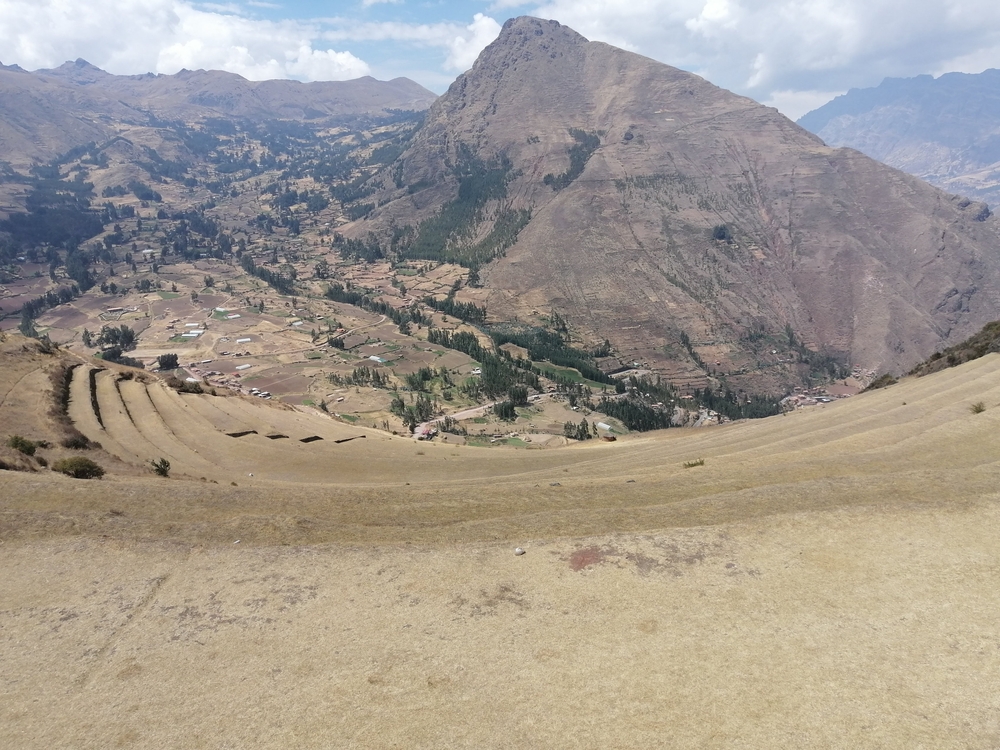
- panoramic views of the Vilcanota valley and the humid tropical vegetation marking the transition between the Andes and the Amazon.
The channeling structures are not visible: they are underground, carved into the mountain. The station and the start of trails to Aguas Calientes remain accessible to all travelers.
Practical information
Hidroeléctrica is not a tourist attraction in the traditional sense: it is an active industrial site and a logistical hub. Allow about two hours on site if you take time to observe the dam before continuing to Aguas Calientes. Bring water, a windbreaker, and sturdy hiking shoes for the walk along the railway. No significant food services are available at the station itself.
When to visit
The dry season, from May to October, offers the best conditions: clear skies, passable trails, and low risk of landslides. It is also high tourism season for the entire Machu Picchu circuit. For a balance between decent weather and more moderate crowds, aim for the shoulder seasons: April-May or September-October. The rainy season (December to March) is best avoided for road-based approaches, which are particularly vulnerable to mudslides.
How to get there
Three main options from Cusco:
- Train: the combined rail journey from Cusco or Ollantaytambo takes several hours depending on the option chosen. This is the most comfortable option.
- Road + hiking: a minibus transfer to Hidroeléctrica via Santa Teresa (approximately six to seven hours of mountain driving), then two to three hours of hiking along the rails to Aguas Calientes. A popular solution for its cost-to-scenery ratio, though best avoided during the rainy season.
- Combined train + hiking: disembark at Hidroeléctrica station and finish on foot to Aguas Calientes.
In the surrounding area
The power plant fits into a dense circuit of attractions in southern Perú that you can visit during the same trip:
- The ruins of Ollantaytambo, the last inhabited Incan city and the railway departure point to Aguas Calientes.
- Q'enko (Qenqo), a ceremonial site carved into rock on the outskirts of Cusco.
- Salinas and Aguada Blanca, a high-altitude reserve in the south of the country.
- Pampa Cañahuas National Reserve, for observing vicuñas and altiplano landscapes.
Planning your trip
The Hidroeléctrica power plant makes sense only within a broader itinerary: the Sacred Valley, Cusco, Machu Picchu, and the altiplano. To build a coherent circuit tailored to your pace, consult our trips to Perú and connect with one of our English-speaking local specialists.
Nearby
Interested in this visit?
We can include it in your personalised itinerary.