Cusco Planetarium
Cusco Planetarium
Reading the southern sky through Inca astronomy: projection dome, interpretation halls and telescope observation, 15 minutes from Cusco's center.
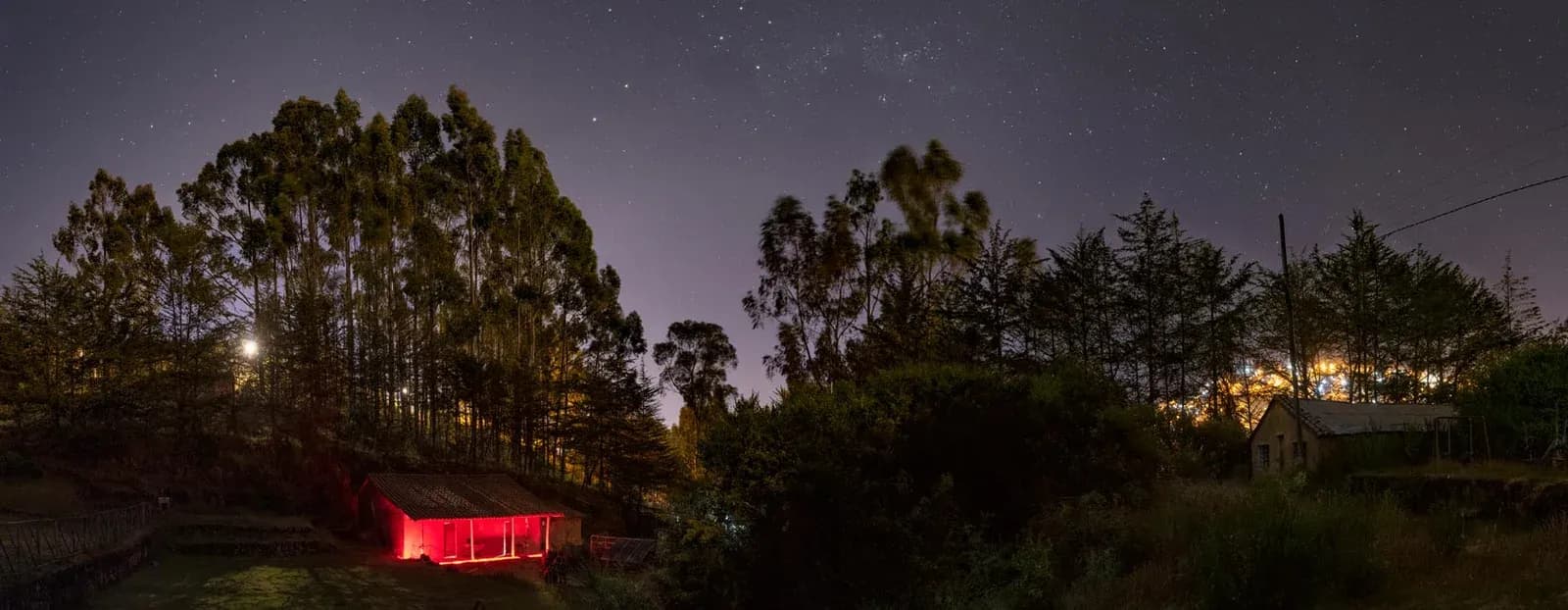
The Cusco Planetarium offers a reading of the southern sky through the dual lens of contemporary astronomers and Inca observers. Located about 15 minutes from the city center, between the Saqsayhuaman archaeological park and the Llaullipata ecological reserve, it combines a projection dome, two interpretation halls, and a telescope observation session. The limited capacity of 22 people per session promotes an intimate, educational format.
Why visit the Cusco Planetarium
The site meaningfully complements a cultural visit to Cusco by shedding light on an often-overlooked facet of Inca civilization: its knowledge of the heavens. Several elements justify the detour:
- A rare thematic approach: few institutions in Peru dedicate a complete pathway to Andean astronomy and its cosmovision.
- Small group format: the 22-person capacity allows direct exchange with the guide and genuine telescope time.
- A clear setting: the relative distance from the city center and Cusco's altitude provide exploitable skies during the dry season.
- A combination of indoor and outdoor: the session alternates between dome projection and naked-eye or telescope observation, depending on weather conditions.
Inca astronomy in brief
For the Incas, the sky was not an abstract map but a direct extension of the landscape and agricultural calendar. The Milky Way, called Mayu (the "celestial river"), structured observation: its axis oriented rituals and connected the upper world to the network of irrigation channels on the ground.
A distinctive feature of this astronomy lies in the dark constellations: the Incas read not only the stars but also the dark zones of the Milky Way, where they identified animals such as the llama (Yacana), the fox, and the serpent. The Sun (Inti), the Moon (Mama Killa), and the Pleiades (Qollqa) served to mark planting times and religious festivals, including the Inti Raymi at the June solstice. This framework, transmitted through oral tradition, is today reconstructed from colonial chronicles and contemporary ethnographic observations.
What to see on-site
- The projection dome: 5.5 meters in diameter, capacity of 22 people. It reproduces the southern sky and allows overlaying Western and Inca constellations.
- The interpretation center: two halls dedicated to Inca astronomy, with panels and presentations on the link between constellations, religious rituals, and Andean cosmovision.
- Telescope observation: outdoor session, weather permitting, guided by an interpreter. Moon, visible planets, and star clusters depending on the season.
- Gift shop: books and objects related to Andean astronomy.
How a session unfolds
The program follows three successive stages:
- Introductory presentation on Inca astronomy in one of the interpretation halls.
- Projection under the dome, with comparative reading of the southern sky.
- Telescope observation session, contingent on cloud cover.
Plan for approximately 2 hours on-site, transfers not included.
When to go
The dry season, May to October, offers the best conditions: clear nights, low humidity, stable visibility. The rainy season, November to April, reduces chances for telescope observation, though dome projection remains accessible. Nights near the new moon are most favorable for spotting faint objects.
Bring warm clothing: Cusco sits at 3,400 meters altitude and temperatures drop quickly after sunset, even in the dry season.
How to get there
Access is only available as part of a guided visit. The meeting point is set for late afternoon at Regocijo Square, a few minutes' walk from Plaza de Armas. A vehicle takes the group to the Planetarium, about 10 to 15 minutes through the northern outskirts of the city. Return transport is provided at the end of the session to the city center.
Advance booking is recommended, given the limited capacity. Rates vary depending on the format (shared or private session); it's best to verify conditions at the time of booking.
What to combine nearby
The site lends itself well to a thematic day exploring the heights of Cusco:
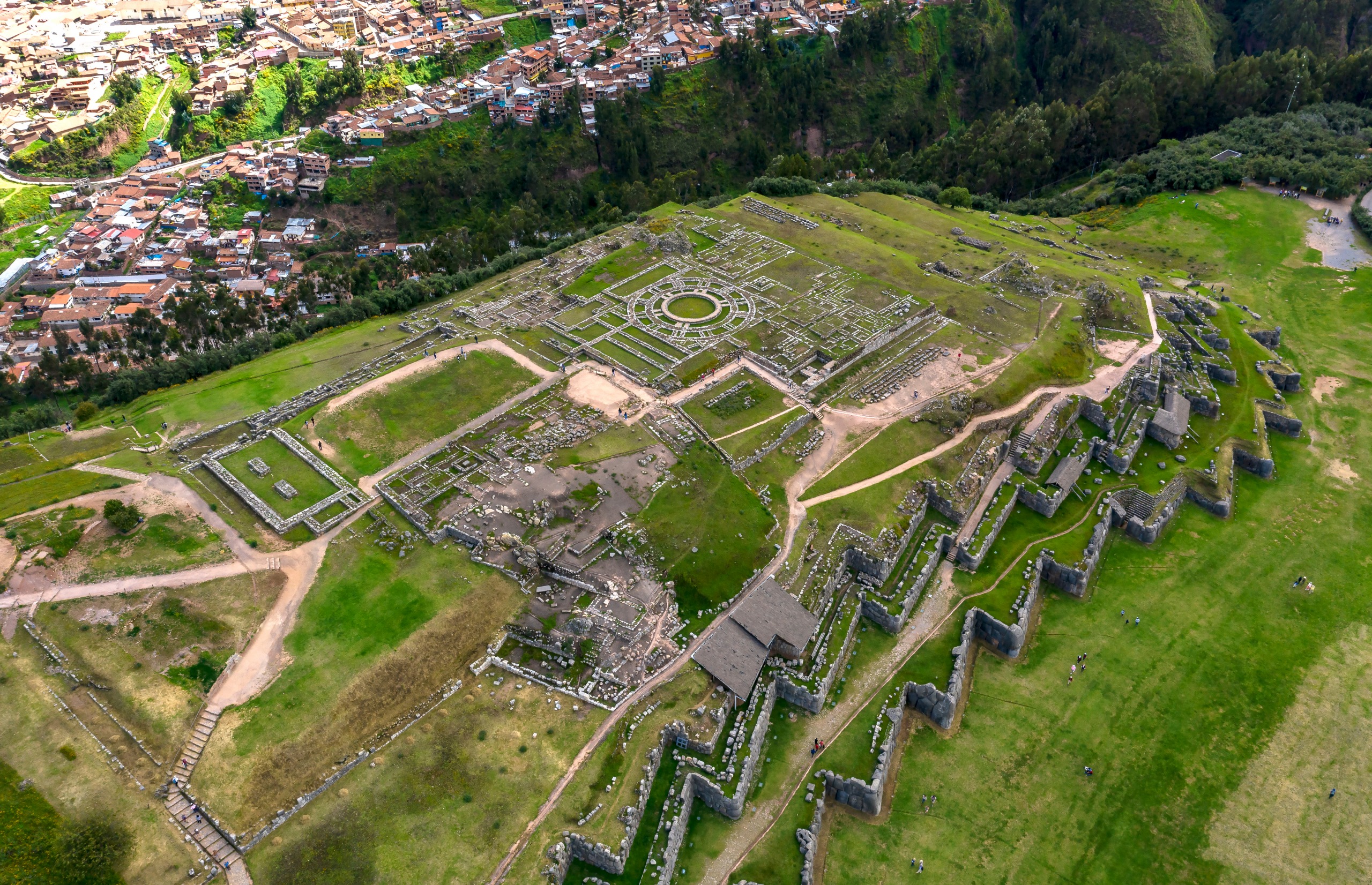
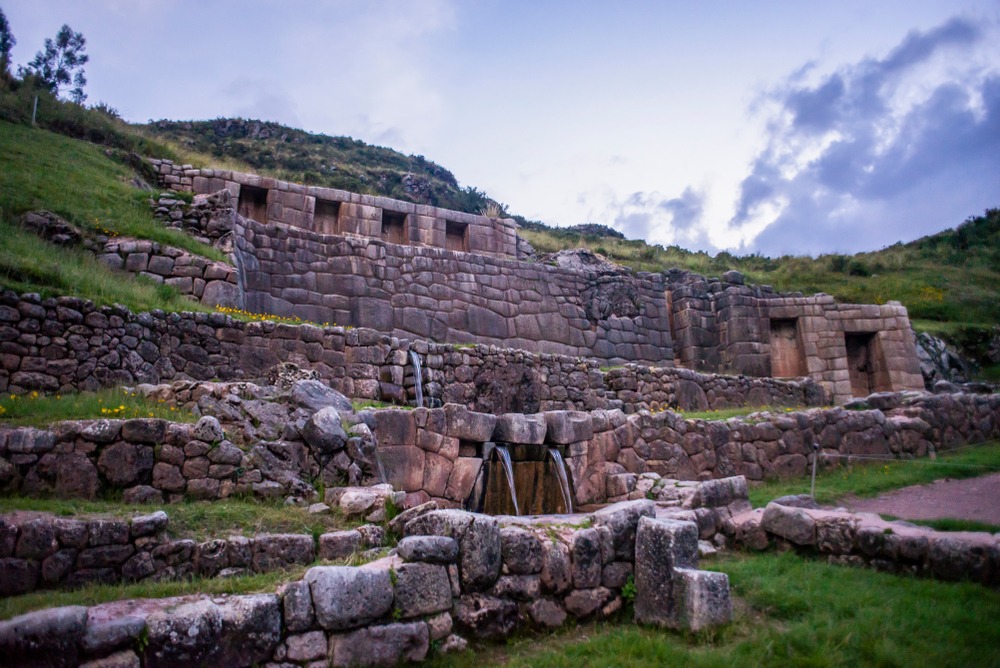
- The Saqsayhuaman archaeological park, adjacent, best visited late afternoon before the session.
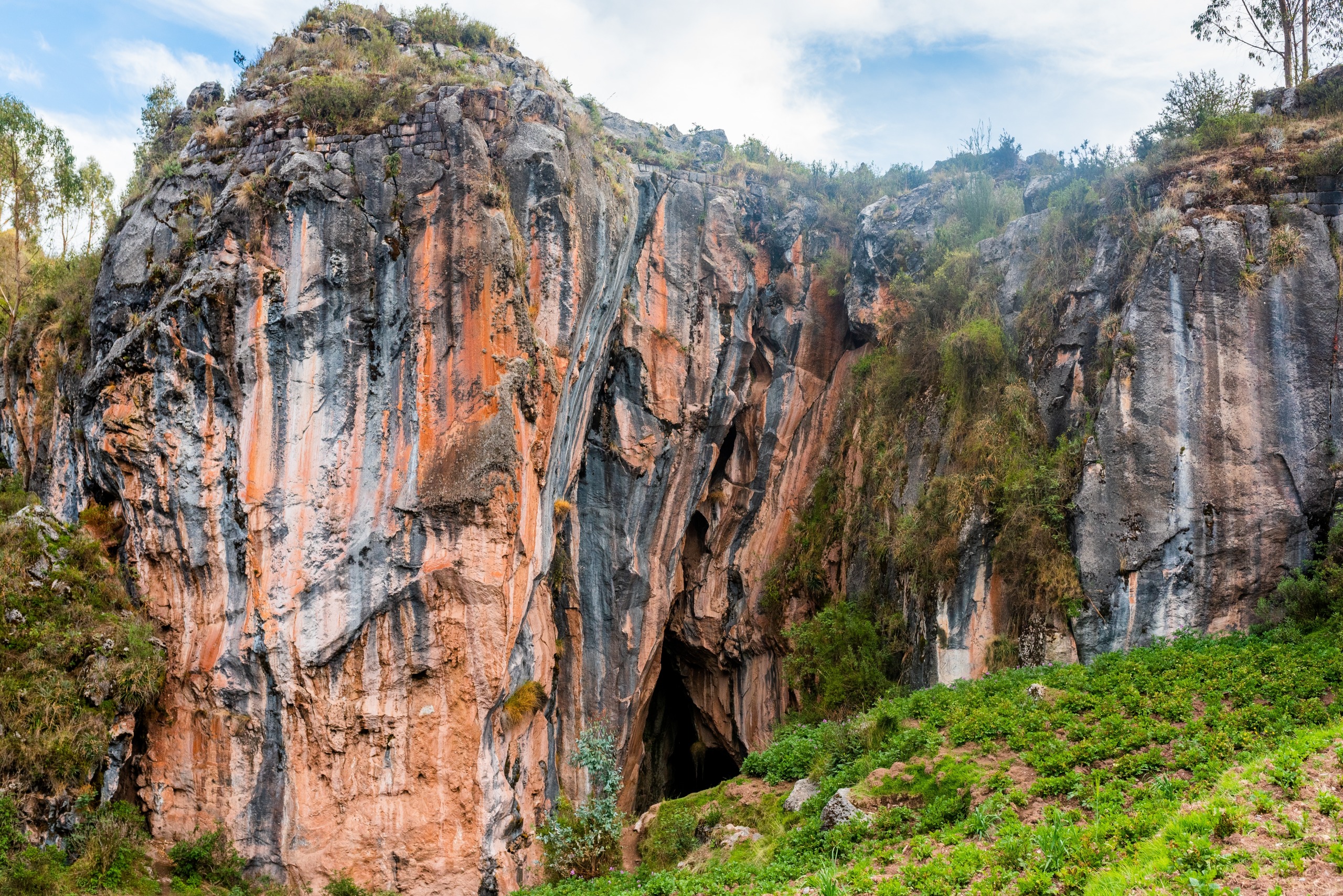
- The Balcón del Diablo, another point of interest on the hills above Cusco.
- The church of Andahuaylillas, to the south, to extend cultural exploration of the region.
- The thermal springs of Cocalmayo, as a stop on the way to the Sacred Valley.
Frequently asked questions
Frequently asked questions
Integrating the visit into a Peru trip
The Planetarium fits naturally into a cultural stay centered on Cusco and the Sacred Valley, before or after the trek to Machu Picchu. To plan a complete itinerary including this stop, see our suggestions for travel to Peru.
Nearby
Interested in this visit?
We can include it in your personalised itinerary.