Amantani Island
Amantani Island
40 km from Puno on Lake Titicaca, Amantani is explored on foot, with no hotels: homestay night, sacred peaks and Quechua weaving communities.
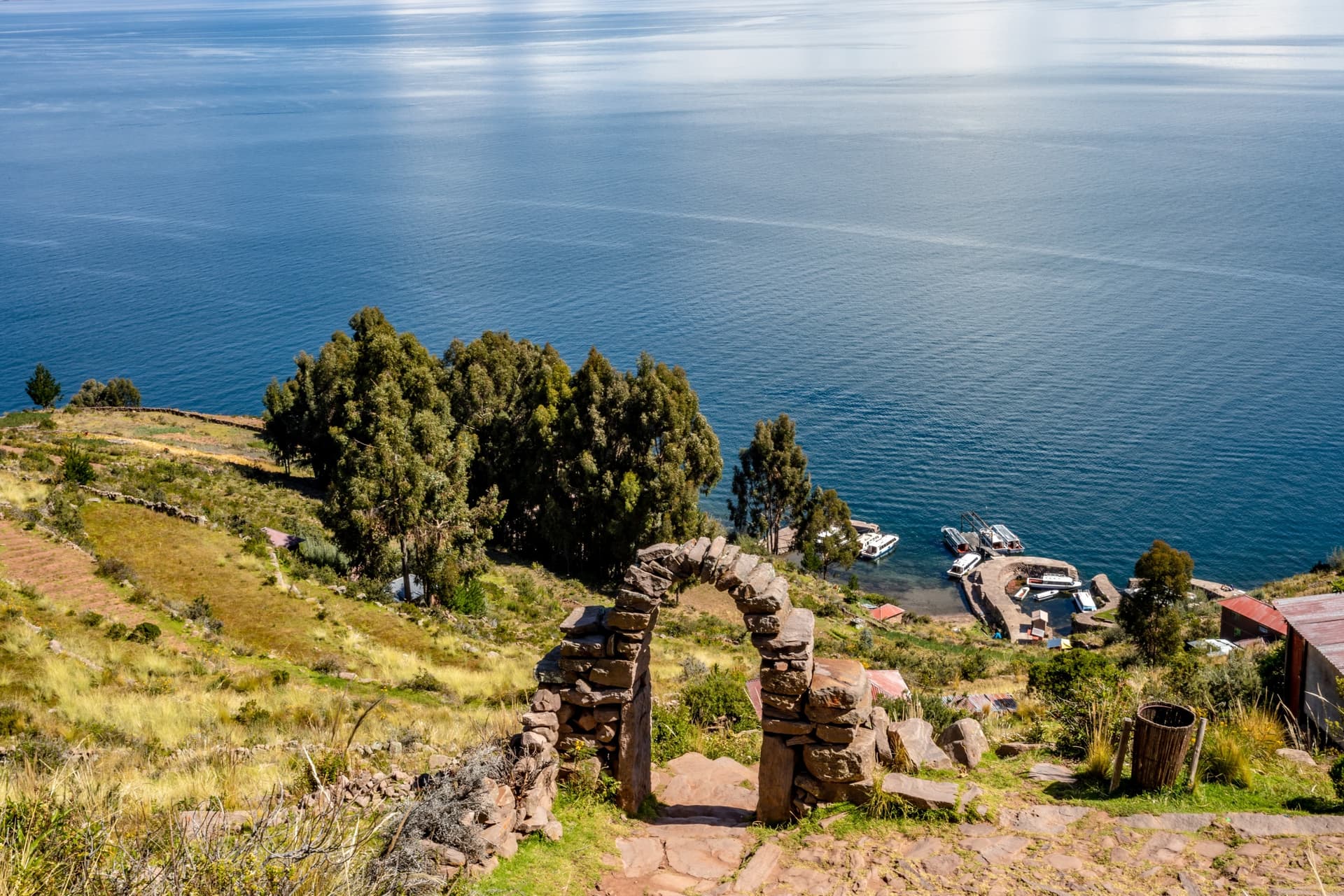
Amantani Island holds a singular place on Lake Titicaca, approximately 40 km from Puno. A Quechua community of around 4,000 inhabitants spread across a dozen villages, it stands out for its homestay accommodations, alpaca weavers, and two sacred peaks crowned with pre-Incan ruins. No vehicles circulate here: exploration is entirely on foot, at the pace of the altiplano.
Why visit Amantani
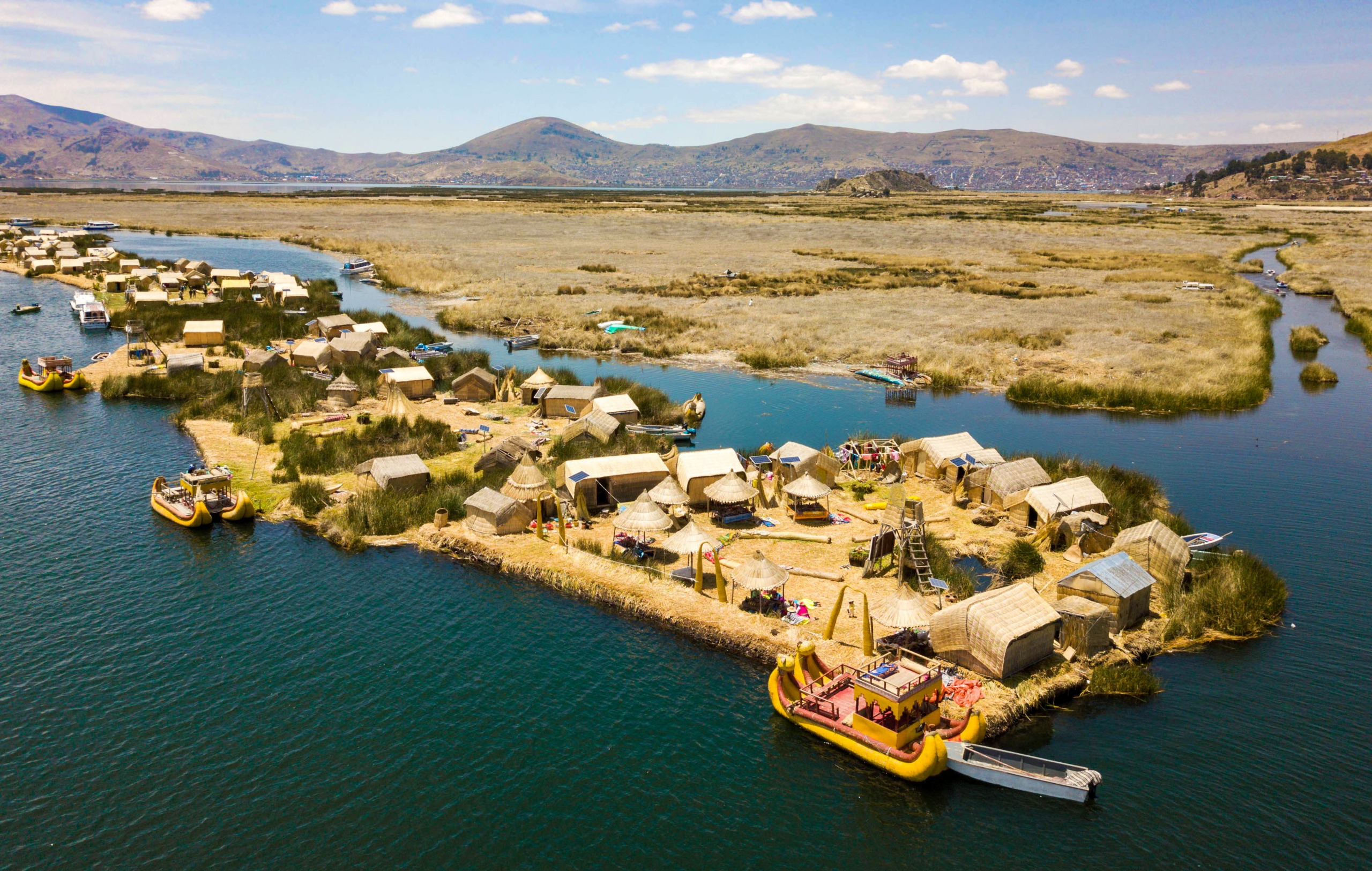
Unlike the floating islands of the Uros or Taquile, which are more touristy, Amantani maintains a community-based way of life barely altered by tourism. The island has no hotels or hostels: a rotation system allows each family to receive visitors approximately once a month, ensuring equitable income distribution and an experience genuinely rooted in local daily life.
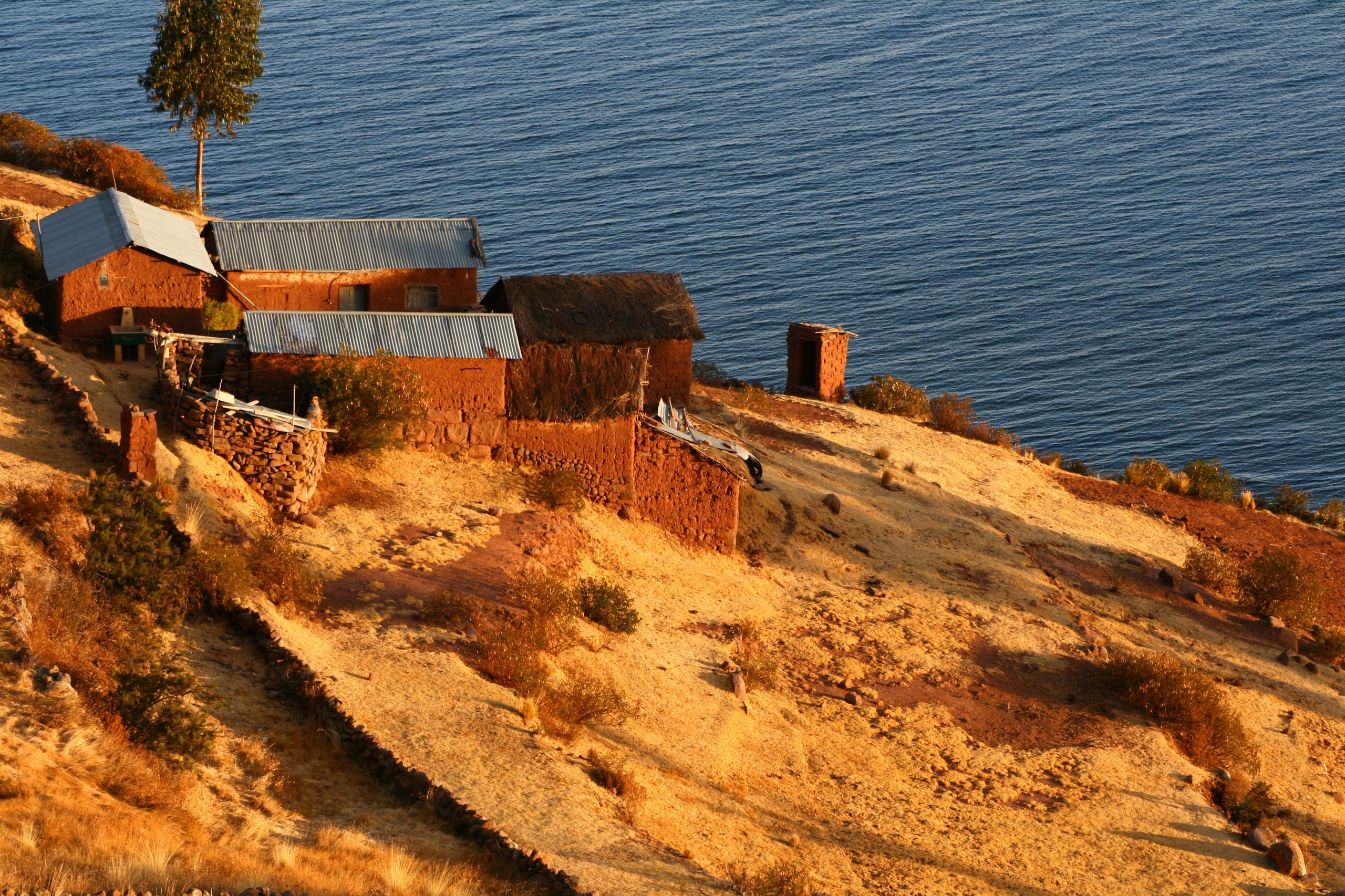
- A night with a local family in a traditional stone and adobe house.
- Two sacred peaks, Pachatata and Pachamama, at nearly 4,000 m altitude.
- Recognized textile craftsmanship based on alpaca wool.
- A car-free island, traversed entirely on foot.
Historical context
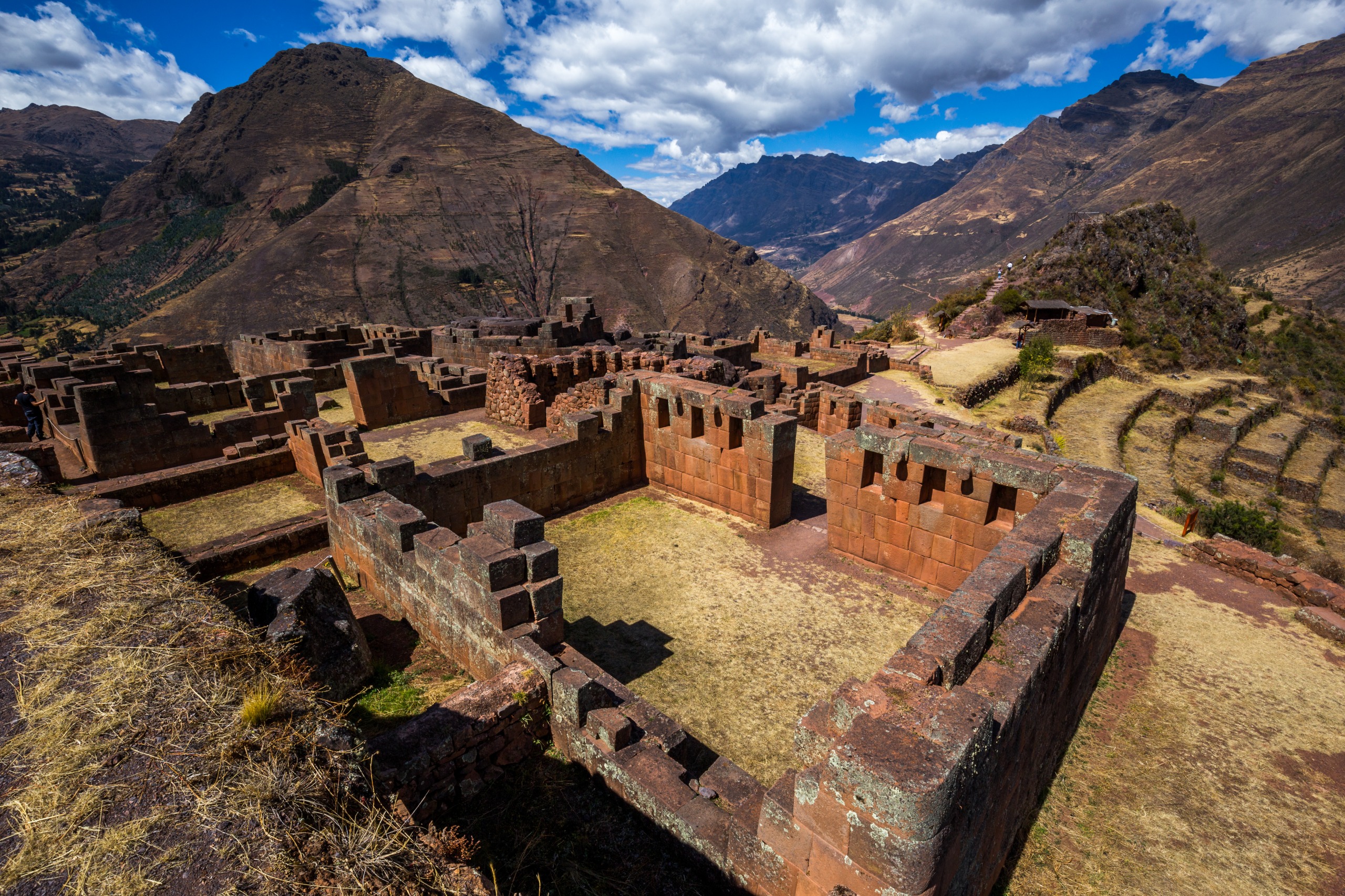
Amantani bears traces of two civilizations predating the Incas, notably the Tiwanaku culture, whose ruins remain at the summit of its two peaks. According to local oral tradition, the island once served as a refuge for populations seeking to escape Incan expansion. Later incorporated into the empire and then Spanish viceroyalty, it has preserved its spoken language, Quechua, and a largely communal social structure.
The two temples dominating the island—Pachatata, "father-earth," and Pachamama, "mother-earth"—remain active places of worship, closed to visitors and reserved for ceremonies by inhabitants, particularly during the January 20th festival dedicated to earth's fertility.
What to see and do on the island
The two sacred peaks
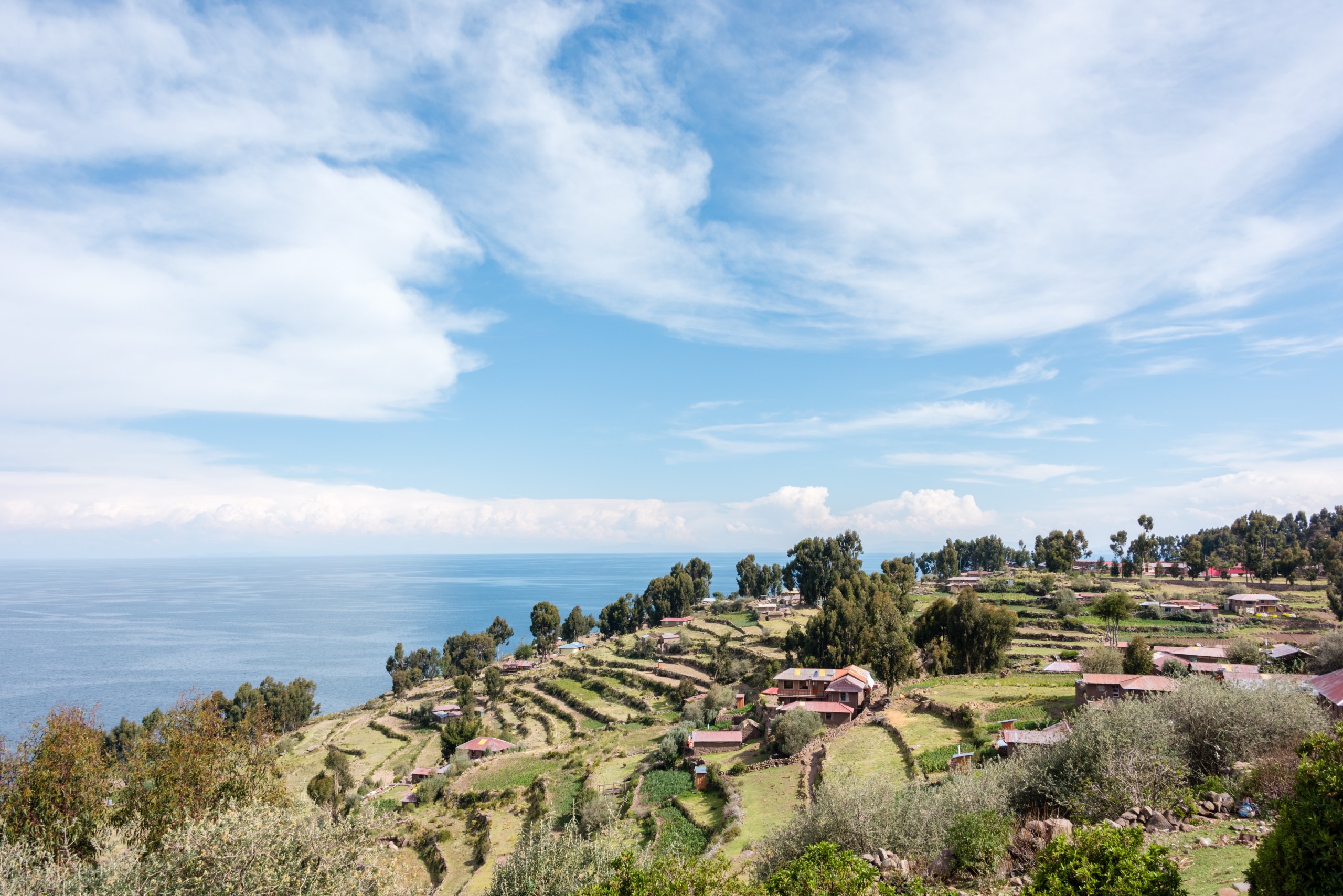
Pachatata and Pachamama rise above the island at approximately 4,000 m altitude. The ascent takes one to two hours from the port, following terraced paths. The temple grounds are not open to visitors, but their surroundings offer sweeping views over Lake Titicaca and, on clear days, toward the Bolivian Royal Cordillera.
The communities and their dress codes
The island hosts around a dozen communities and approximately 800 families. Clothing reflects precise community belonging:
- Women wear layered skirts and embroidered headdresses whose patterns vary by community of origin.
- Men wear a knit cap (chullo) whose pattern and color indicate status: single or married.
- All use a small woven bag, the chuspa, intended for coca leaves, exchanged during encounters as a mark of respect.
Textile craftsmanship
Amantani women are recognized for their weaving using alpaca wool, worked on a traditional backstrap loom. Pottery is also practiced. Pieces sold locally—hats, belts, bags—come directly from family workshops.
Terraced agriculture
The island's slopes are organized into terraces bordered by dry-stone walls. The primary crops are potatoes, oca, beans, quinoa, and wheat. Livestock is limited by lack of pasture: a few sheep for wool, poultry, and pigs.
Practical information
- Area: approximately 9 km².
- Population: approximately 4,000 inhabitants.
- Altitude: approximately 3,800 m at lake level, up to 4,150 m at the peaks.
- Languages: Quechua in daily use, Spanish as a second language.
- Accommodation: homestays only, arranged through Puno agencies that coordinate the family rotation.
- Entry fee: modest community contribution paid upon arrival, in soles.
- Transport: entirely on foot, no motorized vehicles on the island.
- To bring: warm clothing (nights are freezing), headlamp (electricity is limited), small useful gifts for your host family (fruit, rice, sugar purchased at Puno market).
When to visit
The island experiences two distinct seasons typical of the Andean altiplano:
- Dry season (May to October): clear skies, sunny days, cold to freezing nights. Most favorable period for visits and hiking.
- Rainy season (November to March): frequent afternoon showers, rougher lake conditions, occasionally muddy trails. Temperatures remain cool.
The transition months (April, October) offer a good balance between moderate crowds and stable weather.
How to get there
Departure is from Puno's port. The crossing takes 3 to 4 hours by shared boat. Most excursions are organized over two days, with a stop at the Uros floating islands on the way out, a homestay night on Amantani, then a Taquile visit on return. Tickets are purchased directly at the port or through Puno agencies.
Nearby
- Puno—mandatory departure point and Peru's folkloric capital.
- Pampa Cañahuas National Reserve—on the route between Arequipa and Puno, herds of wild vicuñas.
- Salinas and Aguada Blanca—high-altitude reserve between Arequipa and Lake Titicaca.
- Ollantaytambo Ruins—Sacred Valley stop, complementary on the Cusco side.
Frequently asked questions
Frequently asked questions
Plan your trip
Amantani fits naturally into a Lake Titicaca circuit, complementing visits to Cusco and the Sacred Valley. To build a tailor-made itinerary including this homestay night, explore our Peru travel ideas.
Interested in this visit?
We can include it in your personalised itinerary.