Sandboarding
Sandboarding
Thrill-seekers will find plenty to love during a stay in Perú. Known for its emblematic archaeological sites and varied landscapes, this country offers truly exhilarating activities. Among these unique experiences, sandboarding—or sand surfing—is an activity prized for its accessibility and excitement.
Thrill-seekers will find plenty to love during a stay in Perú. Known for its emblematic archaeological sites and varied landscapes, this country offers truly exhilarating activities. Among these unique experiences, sandboarding—or sand surfing—is an activity prized for its accessibility and excitement. This is a sport practiced primarily in vast deserts, attracting an ever-growing number of travelers seeking an adrenaline rush. It's an excellent alternative for those who crave the thrill of gliding but cannot handle the cold of snow-capped mountains. With its expansive desert stretches and majestic dunes, Perú is one of the ideal destinations to experience this activity.
Sandboarding: What Is It?
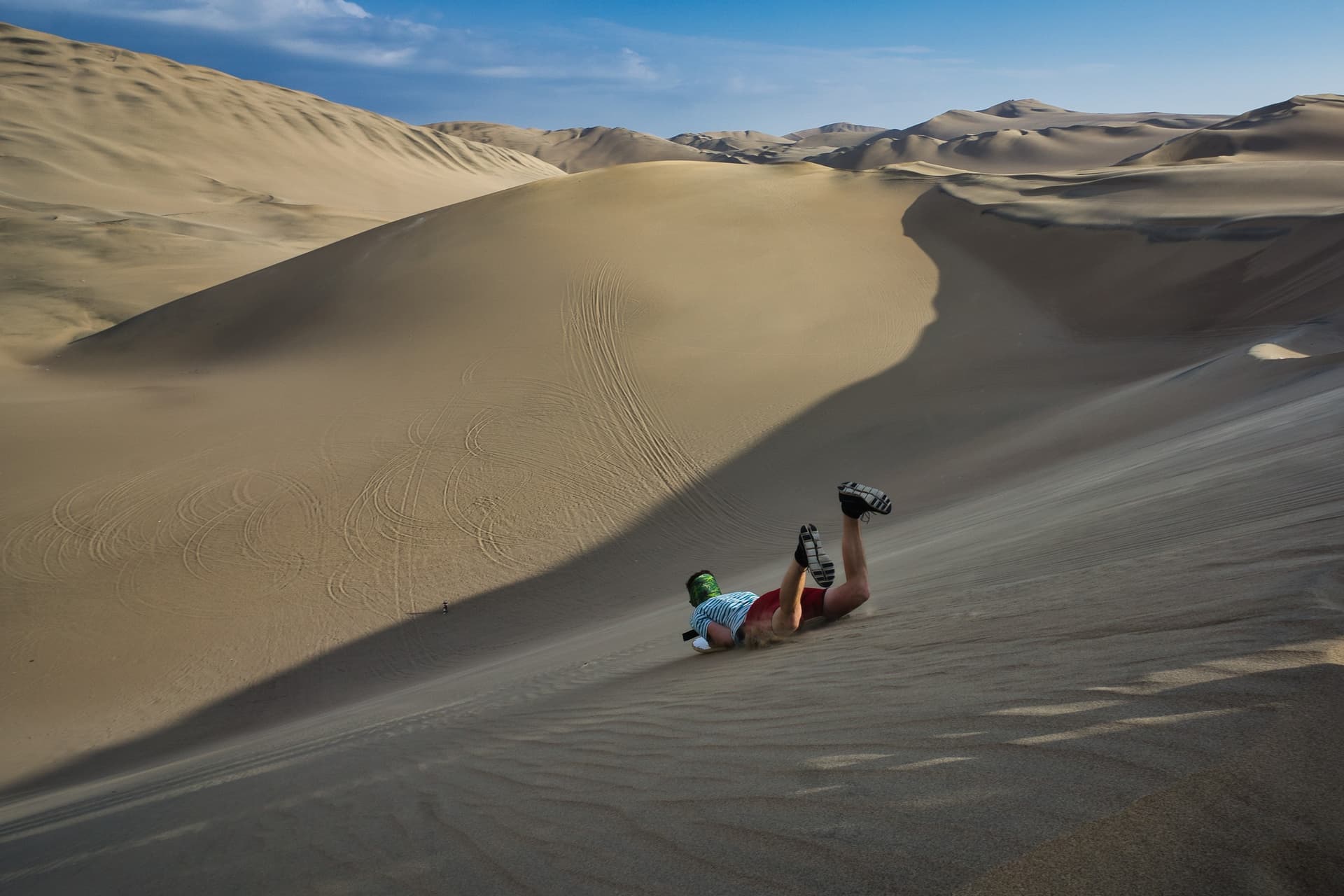
Also called sand surfing, sandboarding is an extreme sport that involves descending or sliding down sand dunes on a board. It follows similar principles to snowboarding on snow.
Dunes offer varied slopes that allow both beginners and experts to have fun and face challenges. Sandboarding can be both a recreational and competitive activity. Indeed, some participants love performing tricks and acrobatics, while others prefer racing for speed.
Moreover, one of the key differences between sandboarding and snowboarding is that it's impossible to install ski lifts on sand dunes. Wind continuously changes the shape and size of these hills. To reach the summit of a dune, you must walk or use a quad or another four-wheel vehicle adapted to desert sand.
Where Can You Go Sandboarding in Perú?
There are several regions where you can practice sandboarding in Perú. Here are some villages where this activity is possible.
Cerro Blanco
Located near the city of Nazca, the Cerro Blanco dune is one of the highest in the world. Indeed, it reaches approximately 2,078 meters above sea level. Descending this sand dune is a unique experience. As you slide down, you can admire panoramic views.
Huacachina
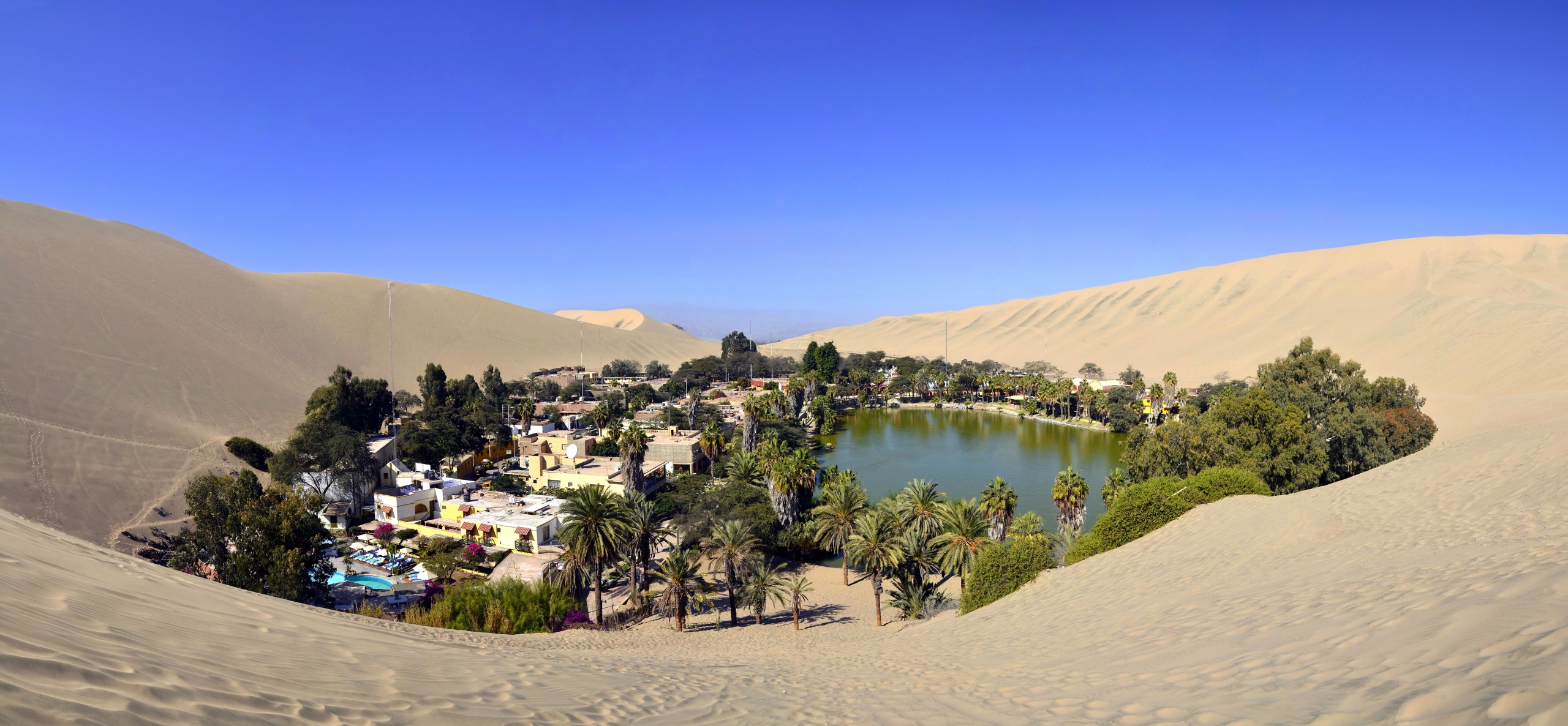
Located near the city of Ica, Huacachina is one of Perú's most popular sandboarding destinations. Surrounded by imposing dunes, this village offers perfect slopes for enthusiasts of this sport. The sand hills, sometimes reaching 200 meters in height, are an exceptional playground.
Acari
Less known but equally spectacular, the town of Acari is located in southern Perú, in the Arequipa region. It also boasts magnificent sand dunes. It offers a more isolated and peaceful sandboarding experience, ideal for those who wish to avoid crowds.
Paracas
Located near the Pacific coast, the Paracas desert features impressive dunes for sandboarding. The proximity to the national reserve allows visitors to combine this activity with discovering local wildlife and marine landscapes.
What Equipment Do You Need for Sandboarding?
To practice sandboarding, it's essential to have certain equipment. First and foremost, a sandboard is indispensable. This board resembles a snowboard. However, it is more robust and designed with specific materials such as ABS plastic, Formica, or stainless steel.
There are brands specializing in sandboard manufacturing. Nevertheless, for those unable to purchase one, bodyboards, old snowboards, or even a skateboard without wheels can also be used.
Sandboard materials are resistant to sand abrasion. Additionally, special wax is applied to make the board slippery so it glides smoothly on sand. Furthermore, sandboarding experts choose materials better suited to their intended effects. More specifically, speed enthusiasts opt for more slippery sandboards, while trick lovers prefer lighter boards.
Bindings are necessary to keep the rider's feet in place on the board. There are also bindings specially adapted for practicing sandboarding barefoot.
You should also wear sturdy, appropriate sport shoes. Sunglasses protect your eyes from sand and sun. A helmet may be essential for sandboarding beginners or experts planning to descend very high dunes.
For the basic stance, simply stand on the board using the bindings. Your feet should be slightly apart and knees slightly bent. Make sure to center your weight.
To slow down or stop during a descent, press your heel or toe into the sand, depending on your desired direction.
To steer the board or turn, simply use your body weight. To turn left, lean on your right foot and vice versa. Perform smooth movements to avoid losing balance and falling.
If you fall, to get up, position yourself on your knees, then your feet, while keeping the board stable.
What Precautions Should You Take for a Successful Experience?
If you're new to sandboarding, it's best to start with dunes of moderate size. Larger dunes like those at Huacachina are better suited for those with some experience.
Moreover, it's well known that deserts can be extremely sunny, and sand reflection amplifies UV exposure. Thus, people with sensitive skin are recommended to apply sunscreen and wear a hat. For extra protection, some beginners also wear elbow and knee pads.
It's also essential to bring plenty of water. Indeed, physical activities in the desert often lead to rapid dehydration.
Finally, it's important to leave no trash behind and respect local guidelines. This helps preserve these magnificent natural landscapes.
Give it a go!
Our local experts arrange this activity for you.