Altiplano Region
Also known as Meseta del Collao, the Altiplano is one of Perú's most breathtaking and unique regions. This vast plateau sits at an average elevation of 3,800 meters above sea level, stretching across southern Perú and into neighboring Bolivia.
Also known as Meseta del Collao, the Altiplano is one of Perú's most breathtaking and unique regions. This vast plateau sits at an average elevation of 3,800 meters above sea level, stretching across southern Perú and into neighboring Bolivia. Many visitors are drawn here for its captivating landscapes, the richness of Andean culture, and the abundance of historical sites waiting to be explored. Adventure seekers, history enthusiasts, and culture lovers will find plenty to discover during a stay in the Peruvian Altiplano.
Geography
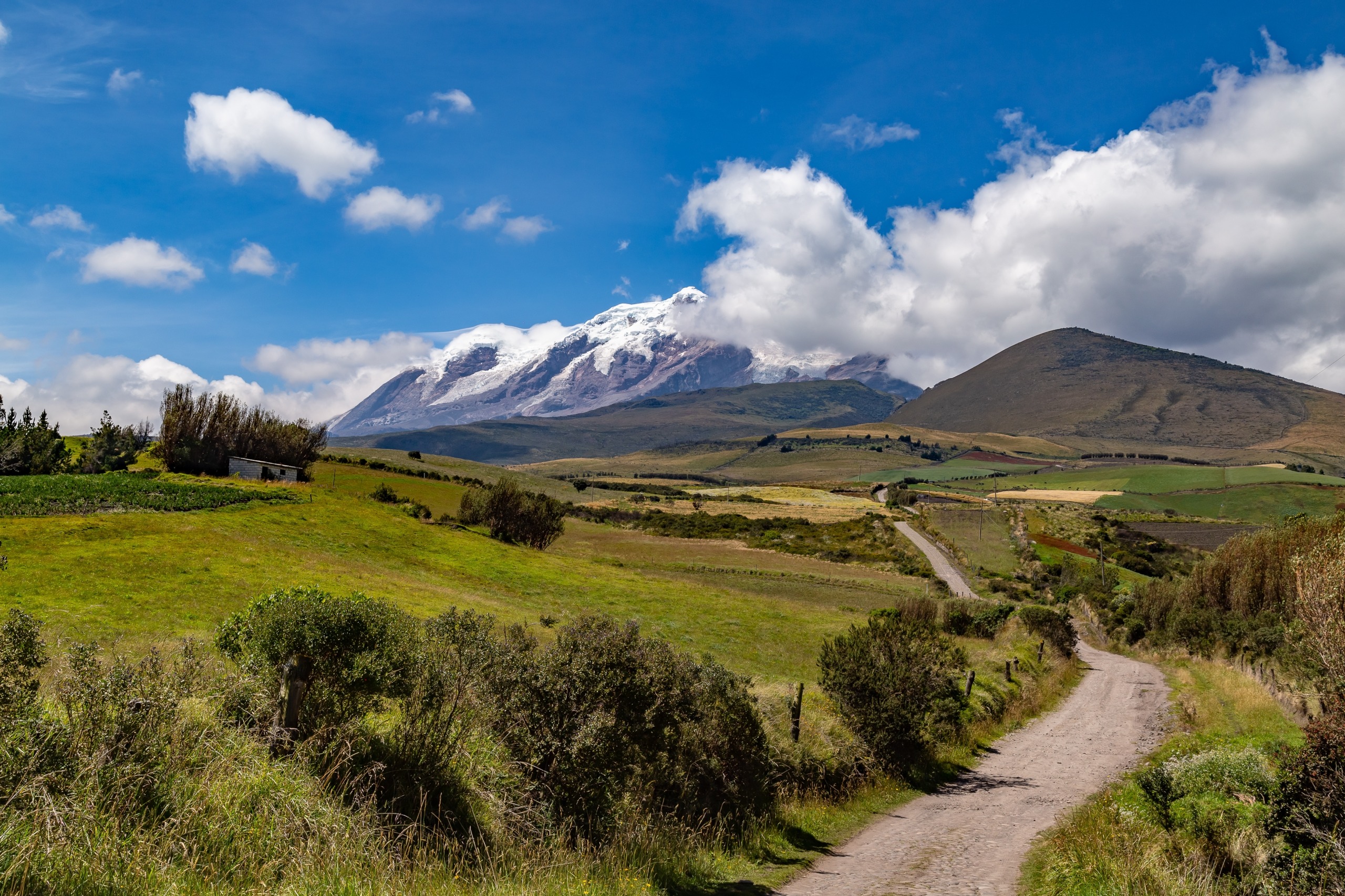
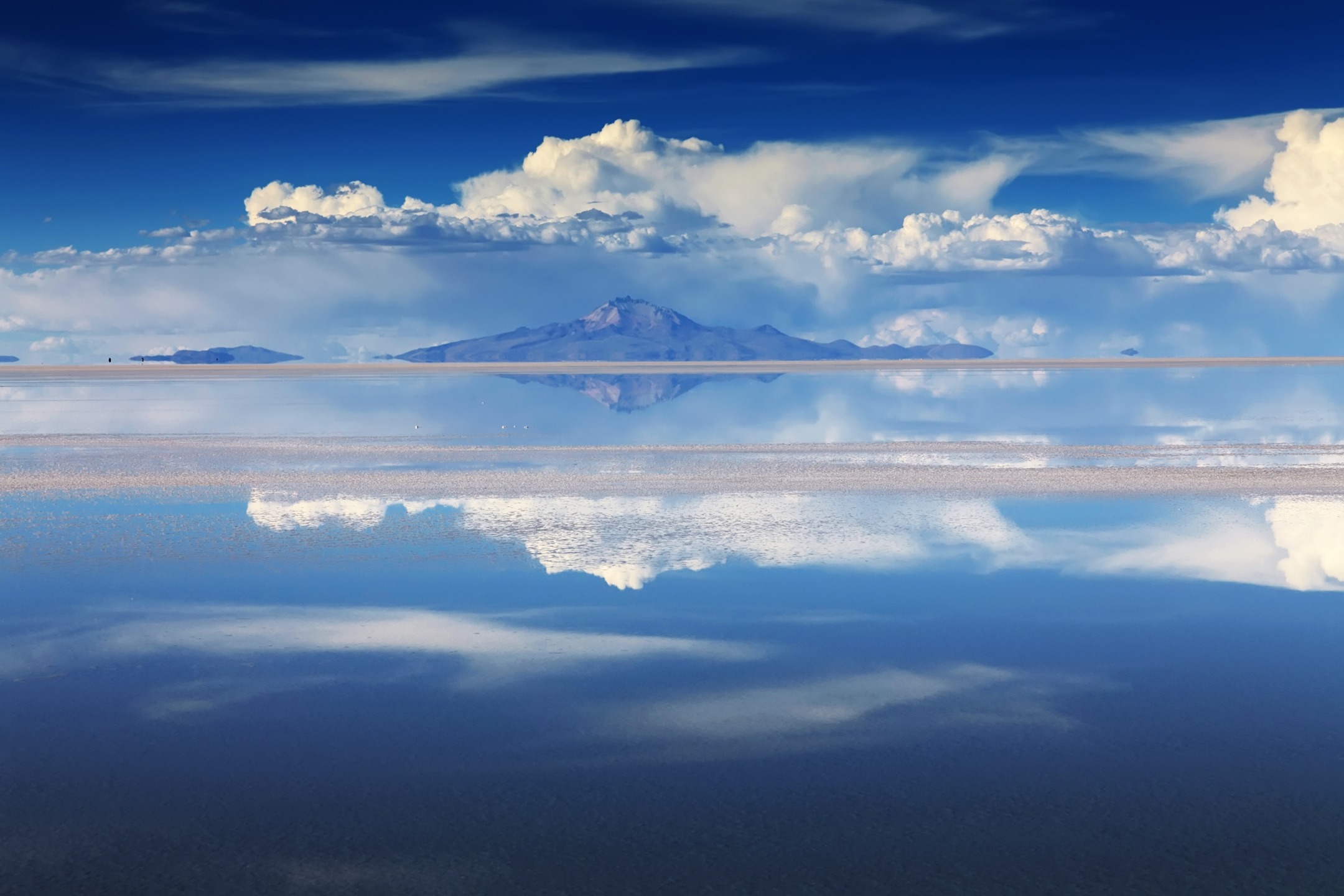
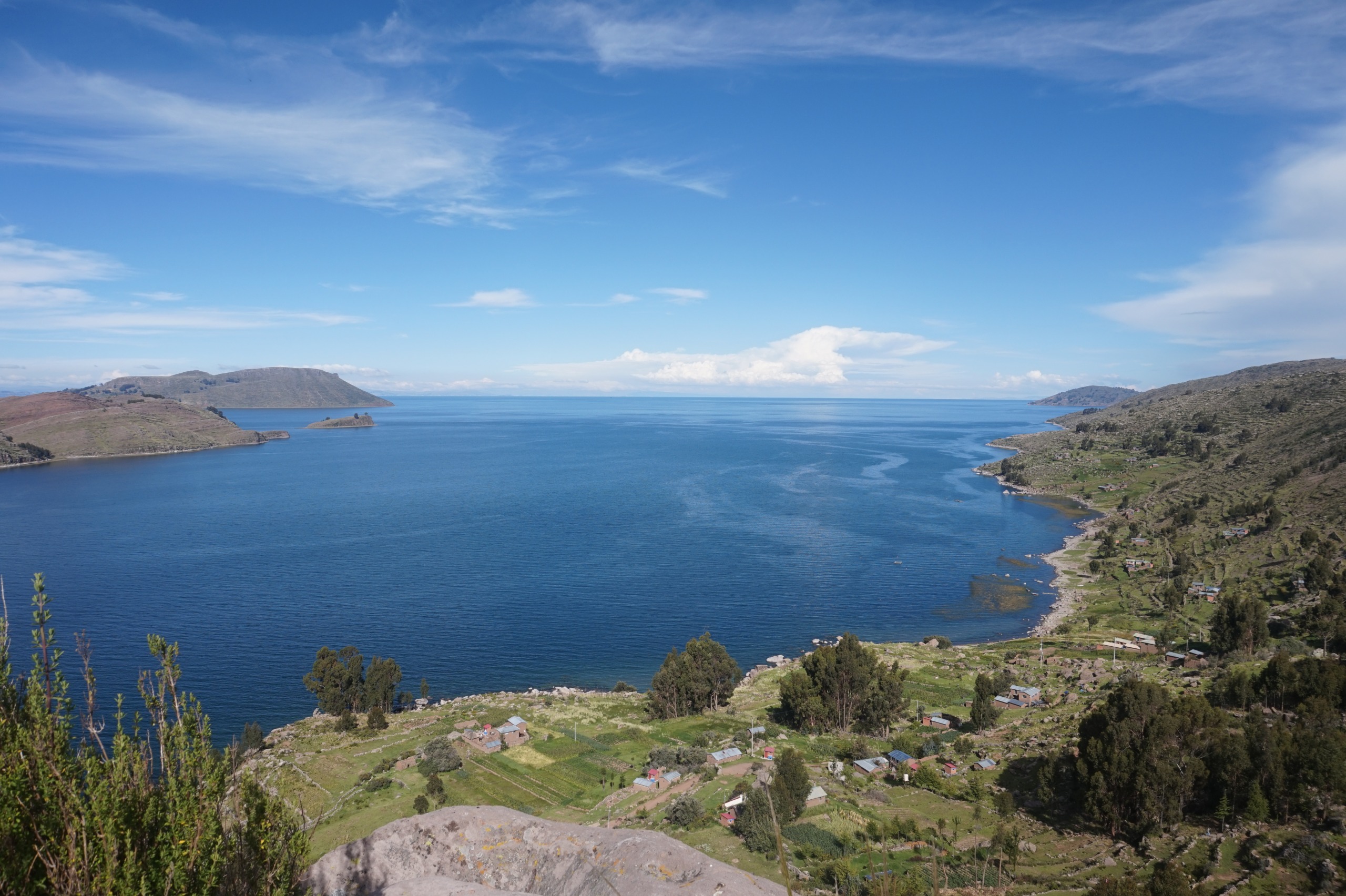
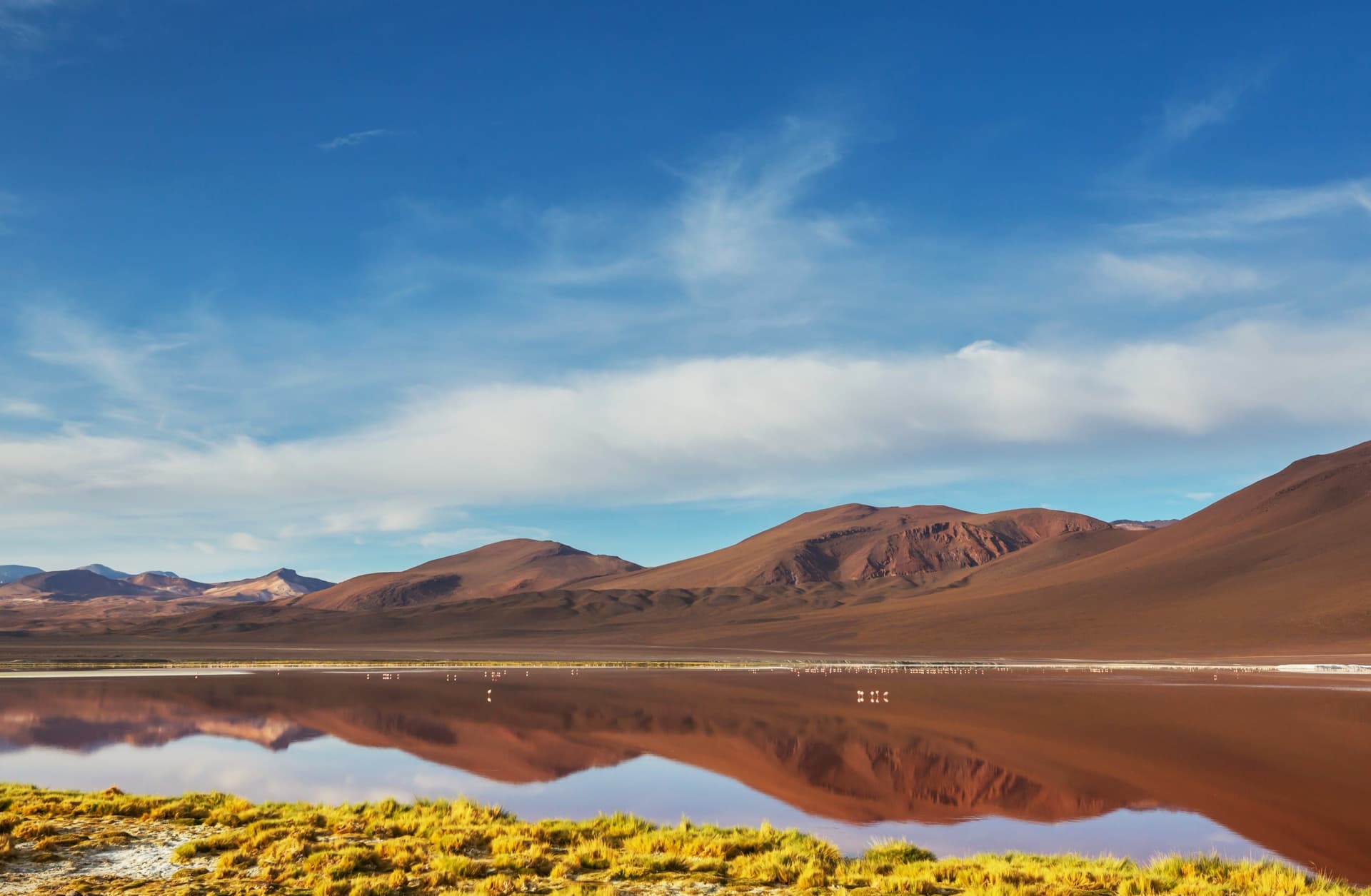
The Peruvian Altiplano region is distinguished by its expansive intermountain plains, surrounded by the towering peaks of the Andes. The region is home to majestic volcanoes such as Pichu Pichu, Chachani, and Misti. Lake Titicaca, renowned as the world's highest navigable lake, stands as one of the Altiplano's most emblematic geographical features. This sacred lake is shared between Perú and Bolivia, playing a vital role in the lives of the region's inhabitants.
Climate
The Altiplano region experiences a cold and dry climate, with significant temperature variations between day and night. Days are generally sunny, while nights can be bitterly cold, particularly during winter. The rainy season extends from November through March. The ideal time for tourism is May through September, during the dry season.
Biodiversity of the Peruvian Altiplano Region
The Altiplano region presents a challenging environment for flora and fauna. Large trees are rarely seen here. Shrubs and grasses are abundant, as they can survive the harsh climatic conditions. Notable examples include:
- Festuca dolichophylla
- Azorella compacta
- Jarava ichu
It's worth noting that these plant species grow primarily in patches, meaning they are not evenly distributed across the plateau.
Among the animal species you may encounter in the region are:
- Alpaca
- Vicuña
- Guanaco
- Llama
- Chinchilla
Bird species are equally numerous, including:
- Darwin's rhea
- Northern pintail
- Giant coot
- Yellow finches
- Andean condor
History and Culture
The history of the Peruvian Altiplano region is deeply marked by pre-Columbian civilizations. Indeed, the Inca and Tiahuanaco cultures left an indelible imprint on this land. According to Inca legends, Lake Titicaca is considered the cradle of Inca civilization. According to the myths, the gods Viracocha and Inti created the first human couple, Manco Capac and Mama Ocllo, from the lake's sacred waters.
Furthermore, Andean culture remains vibrant throughout the Peruvian Altiplano region. The inhabitants, primarily Aymara and Quechua peoples, continue to preserve their ancestral traditions through their clothing, celebrations, and dances. In local markets, you'll find artisanal products such as colorful textiles and handmade jewelry. Most local communities speak Quechua or Aymara. Many residents still practice religious rituals that blend indigenous traditions with Catholic beliefs. To sustain themselves, they engage in raising sheep, alpacas, and llamas, as well as cultivating beans, quinoa (Andean rice), potatoes, and other tubers.
Sites to Discover
The Peruvian Altiplano region boasts numerous historical and archaeological sites. Here are some must-see examples during a visit to this region:
Sillutani Ruins
Located 34 kilometers from Puno, these funerary towers offer fascinating insights into ancient burial practices and incredible views over Lake Umayo. Known as chullpas, they were built by pre-Inca civilizations. Visitors can see petroglyphs carved into the rock, remnants of ancient villages, and smaller tombs.
Puno
Situated on the shores of Lake Titicaca, this city is the cultural heart of the Peruvian Altiplano region. It was founded in 1668. In 1985, Puno earned the title of Folklore Capital of Perú, thanks to its 240 documented traditional dances. Every February, the city hosts the renowned Virgen de la Candelaria festival, a vibrant celebration of music, dance, and traditional costumes.
Lake Titicaca
This is one of Perú's unmissable destinations. The Uros floating islands, made of totora reeds, are a must-see attraction. Located just 20 minutes by boat from Puno, these islands offer visitors a glimpse into the traditional way of life of the local inhabitants.
Taquile Island lies 3 hours by boat from the city of Puno. It's also renowned for its textile traditions, which were inscribed on the UNESCO Representative List of the Intangible Heritage of Humanity in 2005.
Activities and Entertainment
Visitors have no shortage of activities and entertainment options.
Hiking and Trekking
The plains and mountains of the Peruvian Altiplano are perfect for hiking. Guided treks also provide opportunities to explore wild landscapes and visit isolated archaeological sites.
Kayaking and Canoeing on Lake Titicaca
For water sports enthusiasts, the lake offers excellent opportunities for kayaking and canoeing to admire serene landscapes and discover local communities from the water.
Cuisine and Gastronomy
The cuisine of the Peruvian Altiplano region reflects the inhabitants' unique environment and cultural heritage. Dishes are prepared with local ingredients such as corn, potatoes, quinoa, and various varieties of Andean tubers.
Typical meals include:
- Chuño, a dehydrated potato used in many dishes
- Pachamanca, a traditional dish cooked in an earthen oven with vegetables and meats
Fish from Lake Titicaca, such as trout and silversides (pejerrey), are also local delicacies. The markets of Puno and restaurants in nearby villages are the best places to sample the diverse culinary specialties of the Peruvian Altiplano region.