Uyuni
Uyuni
Gateway to the world's largest salt desert, Uyuni reveals the salt flat, colorful lagoons and high-altitude geysers in the heart of Bolivia.
Uyuni is located in the far southwestern corner of the country and is the capital of Antonio Quijarro province in Potosí Department. Its name is synonymous with breathtaking landscapes, vast white expanses stretching as far as the eye can see, and unforgettable adventures deep in Bolivia. This small town is the gateway to the Salar de Uyuni, the world's largest salt desert. Yet Uyuni and its surroundings have far more to offer than this iconic desert. Whether you're an adventurer seeking challenges or a traveler eager to witness one of the planet's most astonishing natural wonders, Uyuni is a destination that will not disappoint.
History
Founded in 1890 as a transport hub for railways linking Bolivia to Chilean ports, Uyuni was once a quiet town. That year, the first railway from Chile arrived at this small municipality's station. Today, it is primarily known as a departure point for excursions to the salt flat.
Just 3 km from the town lies the train cemetery, where over 100 abandoned railway cars rest, left behind due to technical issues and tensions with indigenous communities. These industrial relics create a striking contrast with the surrounding desert landscape. Visitors can photograph them and even climb atop the locomotives or venture inside.
Climate
Uyuni sits at approximately 3,700 meters elevation and features an arid climate. The best time to visit the region is during the dry season from April to November. However, these months are also the coldest. Average temperatures range from around −13°C to 18°C. Nights can be bitterly cold, with temperatures sometimes dropping to −20°C. The rainy season runs from December through early March, though precipitation remains minimal.
The Salar de Uyuni
The Salar de Uyuni is undoubtedly the region's most celebrated attraction. Spanning approximately 10,582 km², this expanse of immaculate white salt is simply spectacular. The Salar de Uyuni resulted from the evaporation, 40,000 years ago, of a prehistoric lake called Lake Minchin. It left behind a salt crust that in some places reaches up to 10 meters thick. The salt-covered terrain, being remarkably flat, serves as a road for traversing the Bolivian Altiplano.
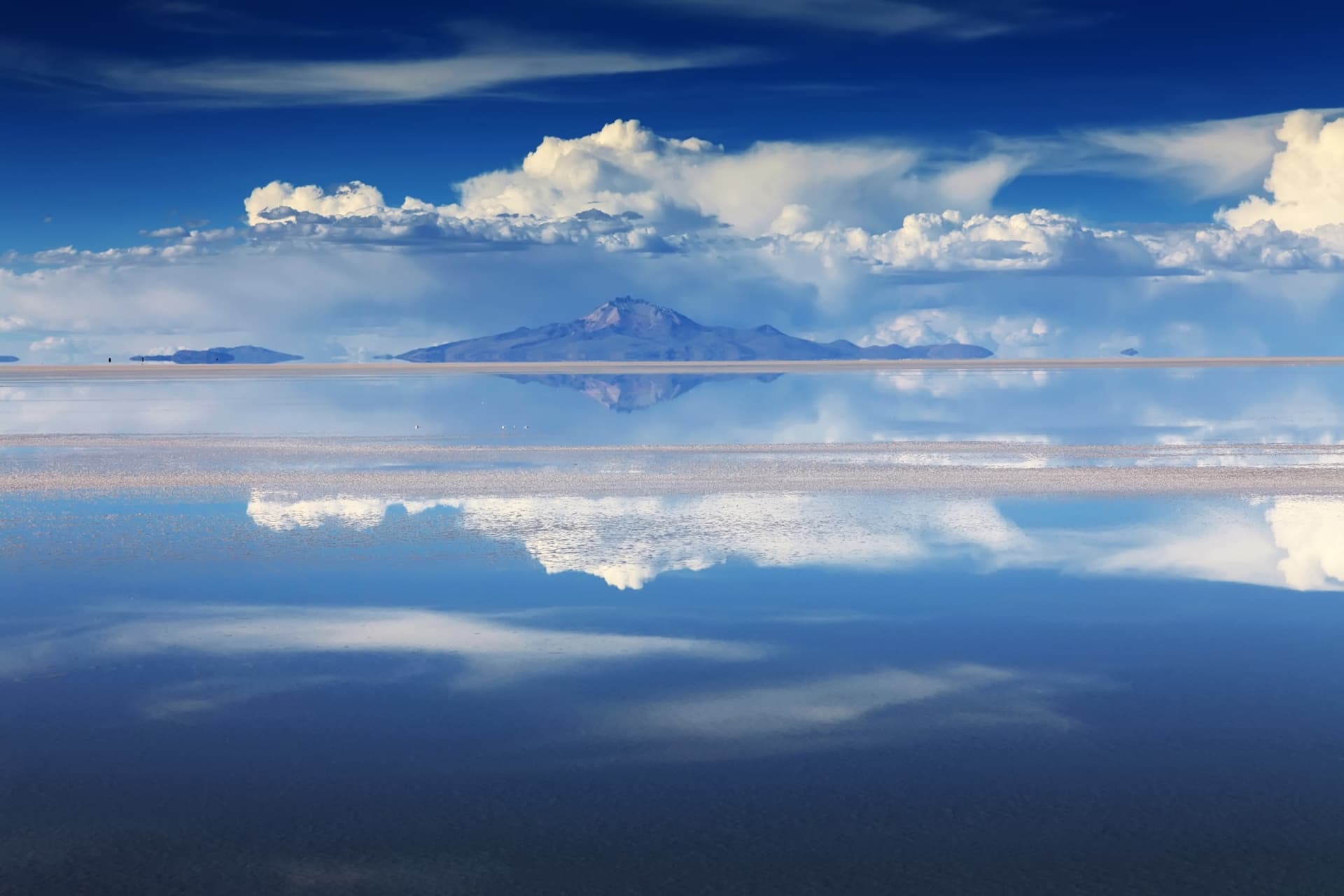
During the dry season, the Salar de Uyuni is parched, forming a vast white desert with a surface fractured into hexagonal patterns. Clear skies offer perfect conditions for photography. During the rainy season, the salt flat is blanketed by a thin layer of water passable by vehicle, transforming it into a giant mirror reflecting the sky. This phenomenon, often described as "walking on clouds," is one of the most sought-after experiences by visitors.
By air
It is possible to fly to Uyuni's Joya Andina airport from the city of La Paz. The journey takes approximately 1 to 2 hours. Several daily flights to Uyuni are offered by airlines including Amaszonas and BoA.
By train
Trains connect Uyuni to Oruro to the north and to the Argentine border at Villazon/La Quiaca. The journey from Oruro lasts about 7 hours. Visitors can choose the train class that suits them. Two train lines service the route between Oruro and Uyuni: Wara Wara del Sur and Expreso del Sur.
By bus
Numerous buses connect Uyuni daily to other cities including Santa Cruz, Potosí, Sucre, and La Paz. However, the road is very dusty and bumpy. The journey is lengthy, lasting between 8 to 10 hours or more from La Paz or Sucre. It is also important to note that during the rainy season, transit is often difficult. Additionally, buses travel at night to allow visitors to participate in salt flat excursions in the morning.
Uyuni today
Uyuni lies approximately 241 km from Potosí. It serves as the departure point for excursions to the Salar de Uyuni. Despite its isolation and modest setting, it is worth spending 1 or 2 hours exploring the town.
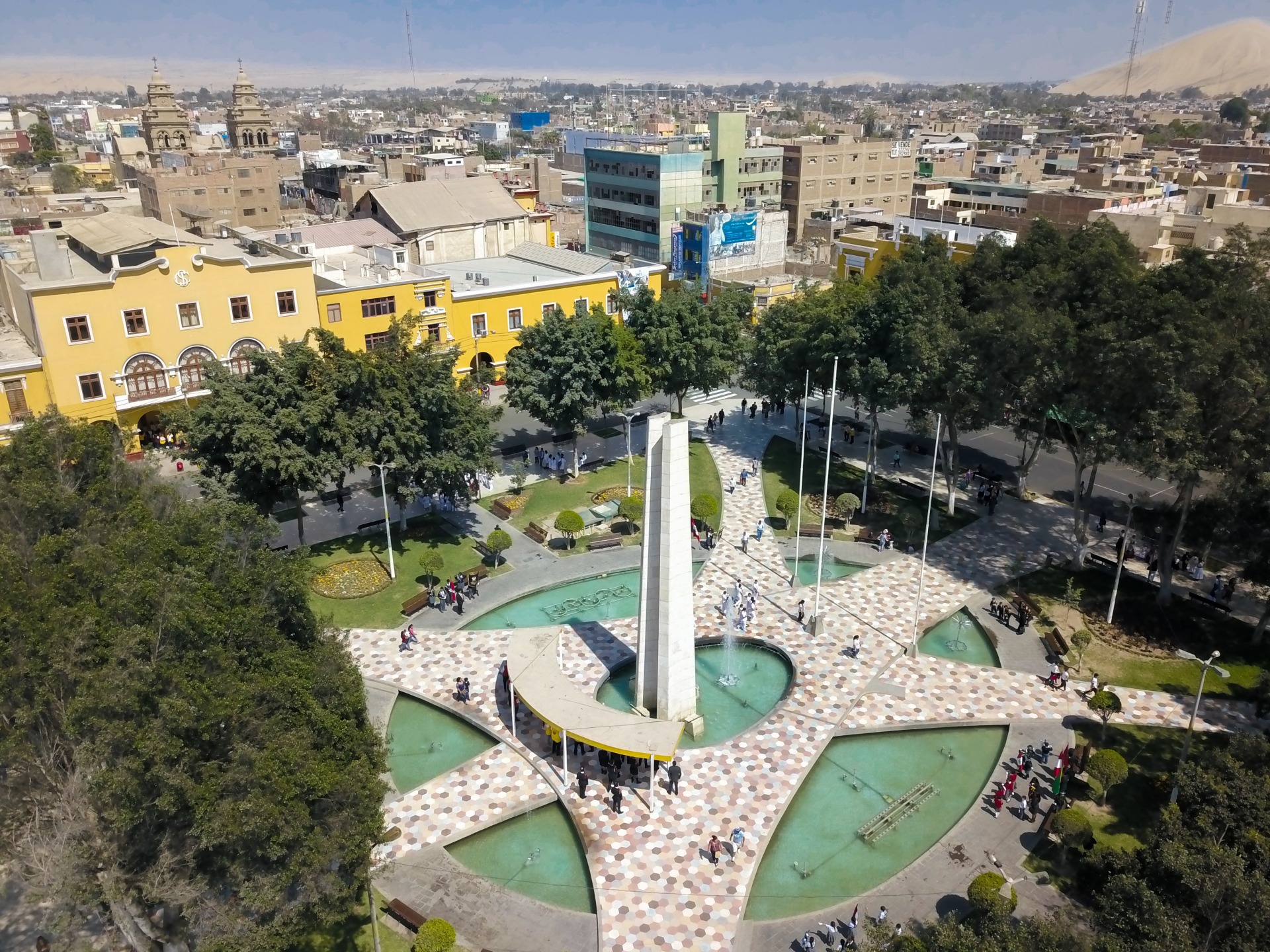
Plaza Arce, in Uyuni's city center, is a gathering place for locals, featuring a few monuments and a charming church. Many restaurants and shops are located here as well. For accommodation, visitors can choose between well-equipped, picturesque hotels and small inns. Uyuni's market is the perfect place to discover local crafts, taste Bolivian cuisine, and connect with residents. Along Avenida Ferroviaria, several buildings related mainly to the railway can also be explored.
Attractions
Among the must-see attractions within the Salar de Uyuni are:
- Isla Incahuasi: A rocky hill covered with giant cacti, offering an excellent 360-degree vantage point to admire the landscape.
- The Eyes of the Salt Flat: Small holes in the salt crust where boiling salt water emerges, testifying to underlying geothermal activity.
- Salt hotels: For a unique experience, certain hotels constructed entirely from salt blocks offer accommodation in the heart of the desert.
Located near Uyuni, the Eduardo Avaroa Andean Fauna Nature Reserve is home to some of the region's most incredible natural wonders, including:
- Laguna Colorada: A vivid red lagoon, colored by algae and minerals, where various species of pink flamingos (Andean flamingo, James's flamingo, etc.) come to feed and breed.
- Laguna Verde: This green lagoon, located at the foot of Licancabur volcano, owes its color to a high concentration of copper.
- Sol de Mañana: This geothermal field is characterized by geysers and bubbling mud pools, where fumaroles can be observed at dawn.
The Árbol de Piedra is a tree-shaped rock formation sculpted by wind, standing alone in the Siloli Desert.
Moreover, it is recommended to engage experienced agencies for excursions. The roads can be challenging and weather conditions unpredictable.
Want to discover this destination?
Our local advisors design your tailor-made trip.