Tarapoto
Tarapoto
Tarapoto, crossroads city in the San Martín region, opens the doors to Peru's selva alta. Waterfalls, crater lake, bustling markets and Amazonian cuisine make it an ideal base for exploring northeastern Peru.
Tarapoto is the main city in Peru's San Martín region, at the heart of the selva alta. Perched at roughly 350 metres above sea level, it bridges the Andes and the Amazon. A dynamic commercial crossroads, it serves as a base for exploring waterfalls, lakes and dense tropical forest. Its warm, humid climate, distinctive regional cuisine and proximity to remarkable natural sites make it an essential stop on any northern Peru itinerary.
Practical information at a glance
- Air access: Cadete FAP Guillermo del Castillo Paredes airport serves Tarapoto from Lima and other Peruvian cities.
- Ground access: Buses from Chiclayo, Trujillo or Yurimaguas via the Fernando Belaúnde Terry highway.
- Recommended duration: 3 to 5 days to combine city exploration with natural excursions.
- What to pack: Light clothing, mosquito repellent essential, lightweight raincoat for showers.
- Currency: Peruvian sol (PEN); ATMs available in the city centre.
What to see
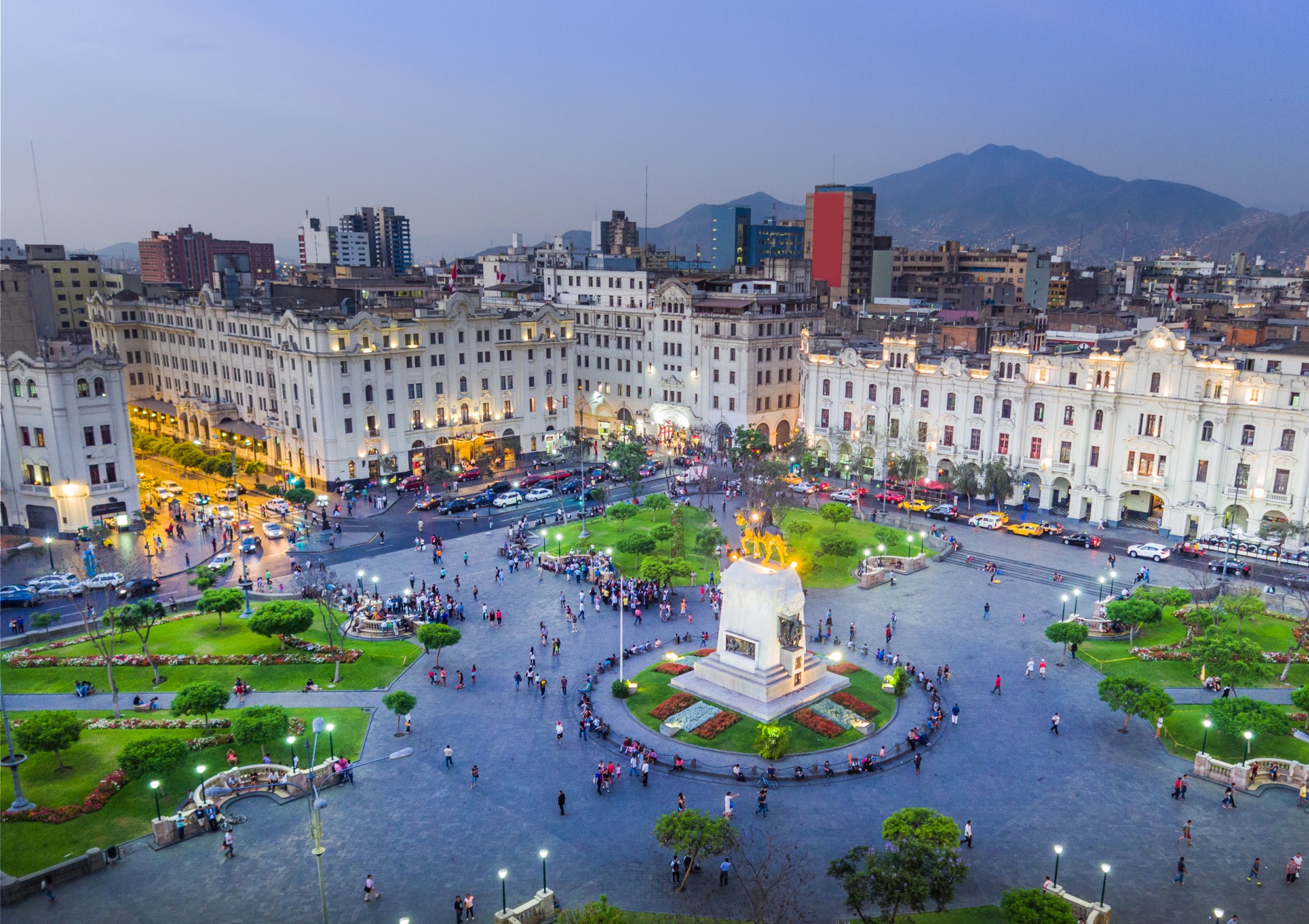
Central Tarapoto revolves around Plaza Mayor, which comes alive in the evenings with locals. Local markets—particularly the central market—showcase exotic fruits, Amazonian fish and medicinal herbs. The city is also renowned for its river ceviche restaurants and dishes featuring cecina (dried meat) and tacacho (mashed plantain).
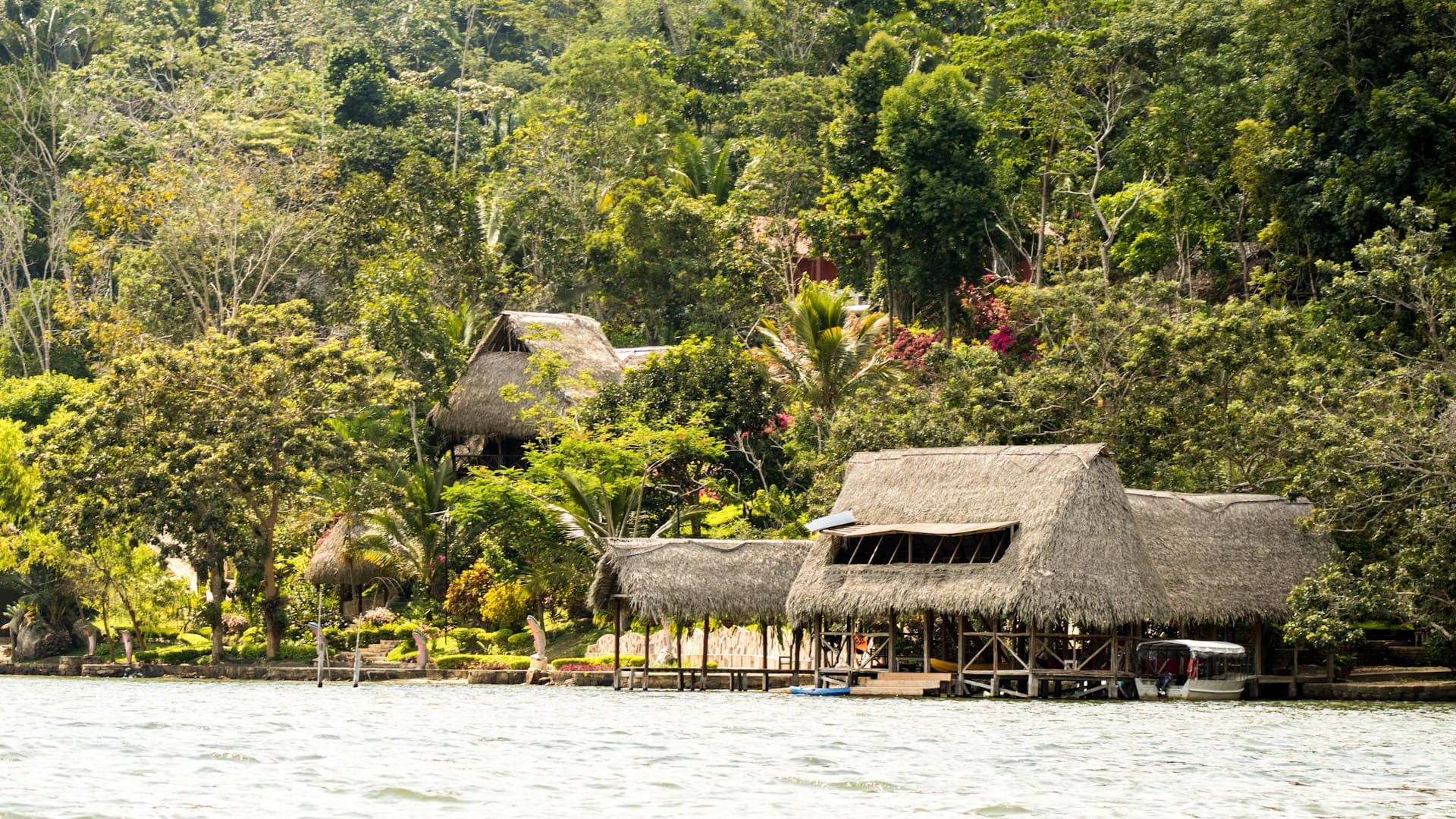
Around the city, nature takes over: waterfalls, Sauce Lake and primary forest are all within an hour's reach.
History and context
Founded in 1782 by Franciscan missionary Narciso Girbal y Barceló, Tarapoto developed as a trading post between Amazonian communities and Andean cities. Its name is believed to come from a Quechua word for a local palm variety. The San Martín region long suffered from drug trafficking in the 1980s and 1990s; since then it has undergone notable agricultural conversion, particularly around cacao and coffee.
Highlights of your visit
Ahuashiyacu Waterfalls
About fifteen kilometres from the city centre, these waterfalls cascade into a natural pool surrounded by dense vegetation. A marked trail leads to them on foot from the park entrance. Swimming is possible and popular.
Sauce Lake (Laguna Azul)
Located roughly 45 kilometres from Tarapoto, this crater lake offers calm waters ideal for rowing and swimming. The village of Sauce on its shores provides simple accommodation and fresh fish restaurants.
Huacamaillo Waterfall
Less crowded than Ahuashiyacu, this waterfall requires a forest hiking trail to reach it. It attracts nature lovers keen to venture beyond standard tourist circuits.
Central market and local gastronomy
Tarapoto's market is a must-visit to understand selva alta cuisine. Juanes (rice and chicken wrapped in bijao leaves), inchicapi (peanut soup) and chicha de maíz morado sit alongside rare fruits such as camu-camu and aguaje.
Photography tips
Morning light (before 9 a.m.) works best at the waterfalls, before visitor crowds arrive. At the central market, ask vendors for permission before photographing. For Sauce Lake, sunset offers golden reflections on the water. In the forest, a bright lens compensates for the dense understory.
Location and access
Tarapoto is in the San Martín region, northeastern Peru. The airport is a few kilometres from the city centre, reachable by mototaxi or taxi. The city is a regional hub: buses connect to Yurimaguas (the embarkation point for river Amazon travel) and Moyobamba. Mototaxis dominate urban transport. Accessibility for people with reduced mobility remains limited outside the city centre.
In the surrounding area
- Moyobamba — San Martín's regional capital, known for its orchids and San Mateo hot springs.
- Yurimaguas — river port on the Huallaga, departure point for slow boats to Iquitos.
- Lamas — a hilltop village about thirty kilometres away, home to a Quechua-Lamista community with an ethnographic museum.
- Chazuta — a town on the Huallaga renowned for artisanal ceramics and indigenous communities.
Frequently asked questions
The dry season, May to September, offers more passable roads and accessible waterfalls with no risk of flooding. The rainy season (November to March) makes certain trails slippery but vegetation is more lush.
Yellow fever vaccination is recommended for the entire Peruvian Amazon region. Consult a travel medicine specialist before departure.
Yes. The route to Chachapoyas from Tarapoto is long (several hours by bus) but passable. This northern Amazonian circuit is popular with travellers wanting to combine tropical forest and archaeological sites.
The main trail is marked and well-used; it is accessible without a guide. For more remote waterfalls like Huacamaillo, a local guide is advisable to avoid getting lost in the forest.
Tarapoto remains an affordable destination. Accommodation, restaurants and local mototaxi transport are notably cheaper than Lima or Cusco. Organised excursions vary by operator; compare several local agencies.
Juane (rice, chicken and spices wrapped in bijao leaf), tacacho con cecina and río ceviche (freshwater fish) are the region's signature dishes. Chapo, a drink made from aguaje, is also worth trying.
Want to discover this destination?
Our local advisors design your tailor-made trip.