Santa Teresa
Santa Teresa
At the gates of Machu Picchu, Santa Teresa brings together thermal baths, South America's longest zipline, and high-altitude coffee farms.
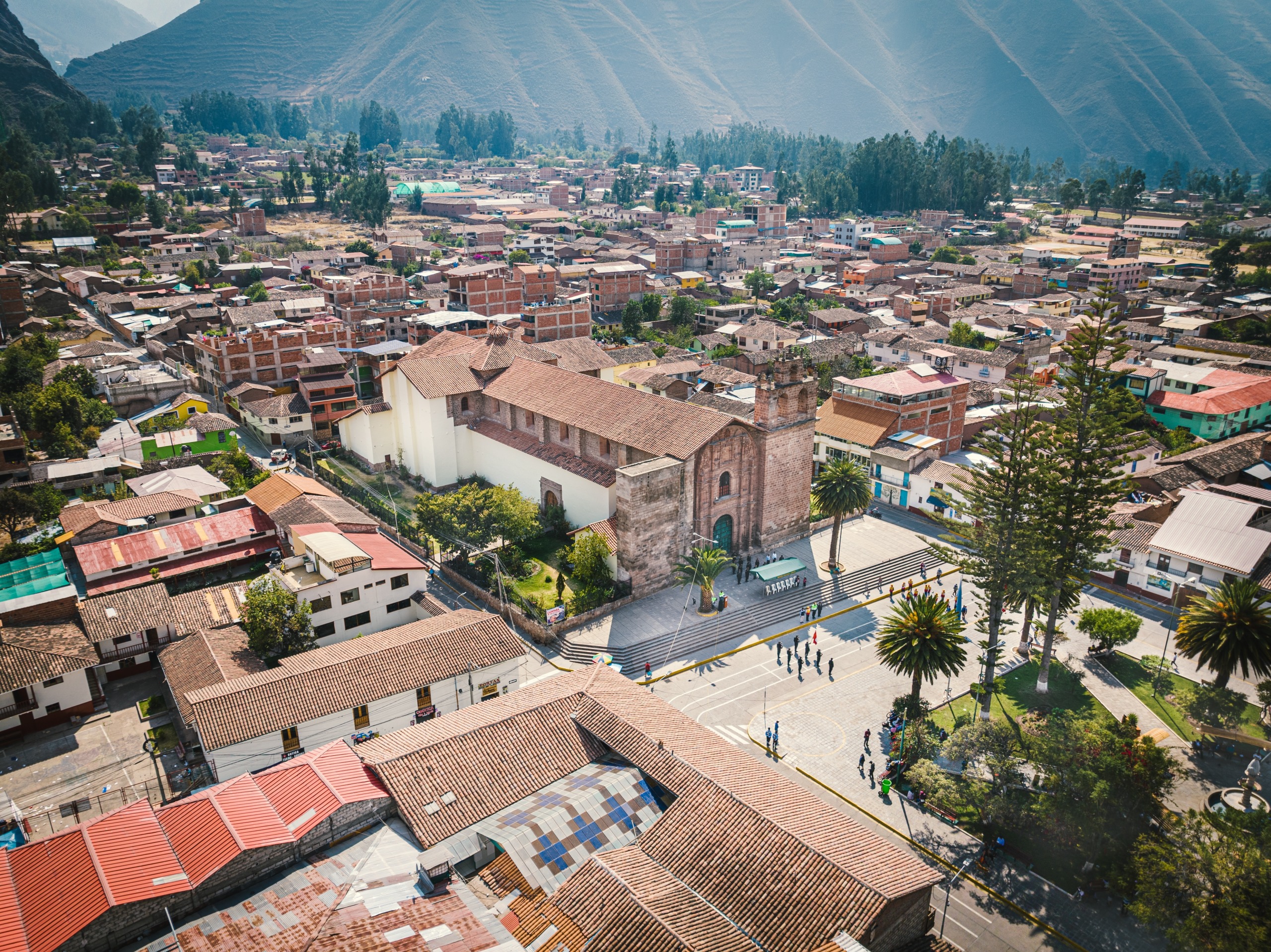
Santa Teresa is a charming small town nestled in Convención province, in the Cusco region. It remains a little-known destination that offers a unique alternative to Pérou's traditional tourist routes. Whether you're an adventure seeker chasing thrills or a traveler craving relaxation and natural beauty, Santa Teresa delivers an authentic and unforgettable experience.
History
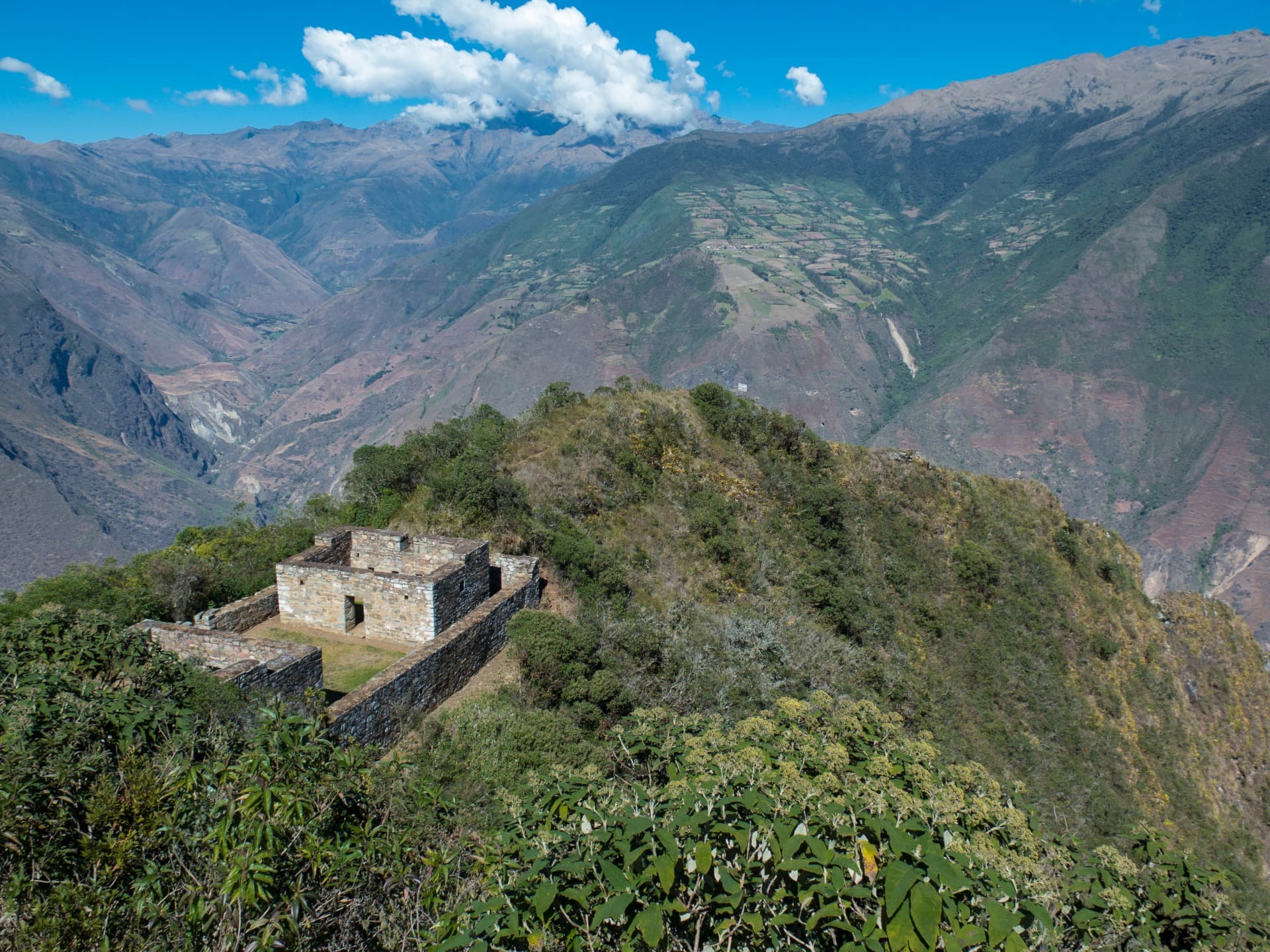
Once home to many dispersed communities, the Santa Teresa region was later conquered by the Inca empire in the 15th century. These lands served as vital sources of agricultural products for the Incas, particularly coca leaves.
In 1533, following the Spanish arrival in Cusco, Santa Teresa became one of the routes taken by Inca rebels led by Manco Inca to escape the Conquistadors. They eventually settled in Vilcabamba, deep in the jungle. The Spanish exploited Santa Teresa's mountains for their mineral wealth, including the abandoned Victoria mines near Totora and Yanama.
With Pérou's independence proclaimed on July 28, 1821, most Santa Teresa residents turned to agriculture. During the agrarian reform, the town fought to expel large landowners.
Climate
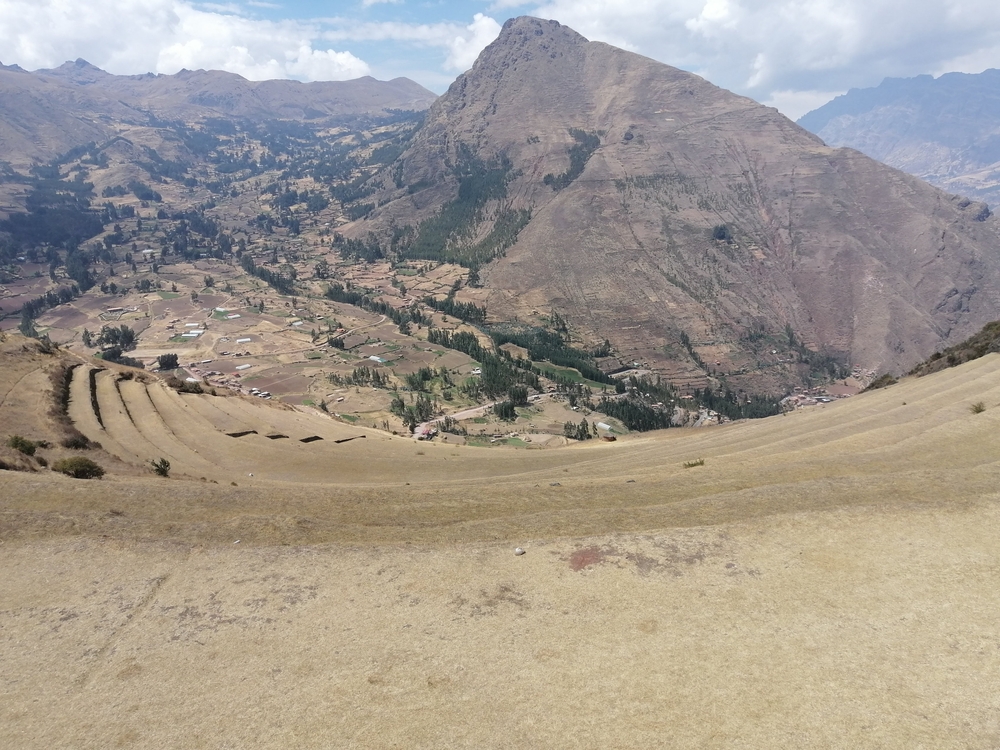
Santa Teresa enjoys a subtropical climate thanks to its geographical position between the Andes and the Amazon. Average temperatures range between 18°C and 25°C year-round. The best time to visit Santa Teresa is during the dry season, May through October, when conditions are ideal for hiking and outdoor activities. However, even during the rainy season (November to April), the region remains accessible and equally beautiful, with lush landscapes and vigorous waterfalls.
Santa Teresa Today
Santa Teresa offers a range of accommodations from budget hostels to more comfortable lodges and camping sites. Many of these establishments are located near the Cocalmayo hot springs or along the Urubamba river.
Gastronomically, local restaurants serve traditional Peruvian cuisine with a strong emphasis on regional products like corn, potatoes, and coffee. Be sure to try pollo a la brasa, a roasted chicken dish with potatoes—a true delight.
Getting to Santa Teresa is an adventure in itself. Located roughly 6 hours from Cusco, this town is often visited by travelers after their Machu Picchu experience. The winding, sometimes narrow road offers breathtaking views of the Andes and Urubamba river.
Alternatively, if you're traveling from Ollantaytambo, you'll pass through the Abra Málaga private reserve, skirt Nevado Urubamba, and continue through Ipal—a journey of approximately 5 hours.
You can also reach Santa Teresa by train from Ollantaytambo to Hidroeléctrica station, followed by a short walk or taxi ride. This journey through the Peruvian jungle adds an exotic touch to your experience.
Attractions & Activities
Cocalmayo Hot Springs
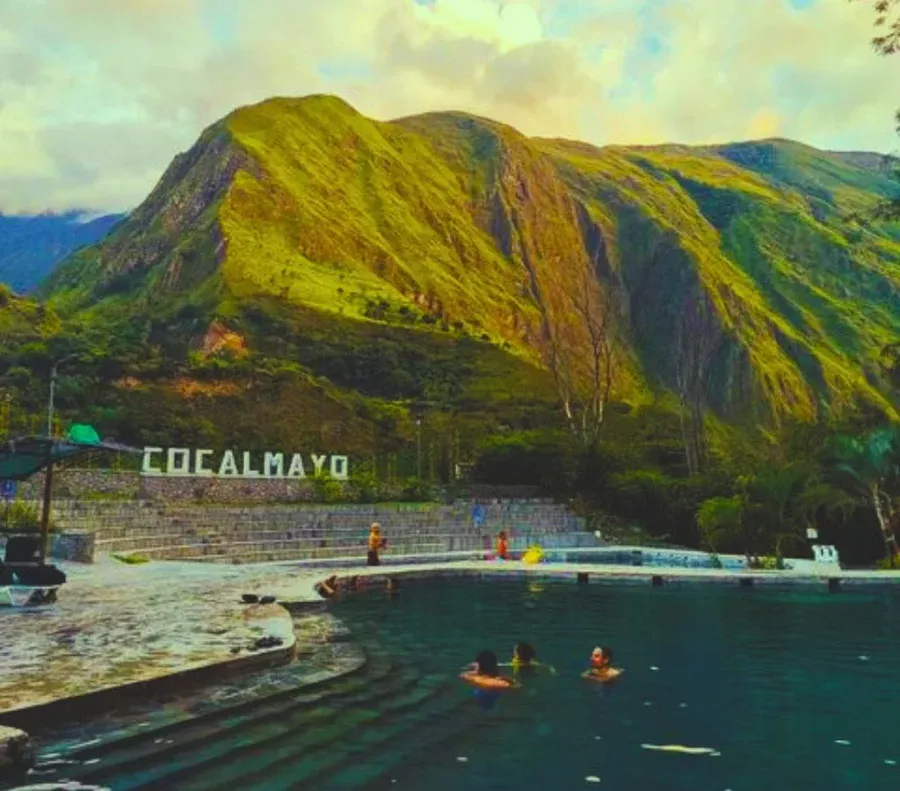
Cocalmayo's thermal baths are undoubtedly Santa Teresa's flagship attraction. These natural hot springs sit at 1,600 meters elevation, just fifteen minutes from town. They offer an idyllic setting to unwind after a long hike. The 3 pools, surrounded by lush mountains, are filled with crystal-clear water ranging from 38°C to 44°C in temperature, with varying sizes and depths. It's the perfect place to relax while taking in stunning views of the surrounding landscape.
Near these thermal sources, you'll find cold showers and small shops selling snacks and refreshments.
The Route to Machu Picchu
Santa Teresa often serves as a base for reaching the famous Machu Picchu site. Many travelers choose the alternative "Inca Trail" that passes through this town, offering a less touristy and more immersive experience compared to the traditional Inca trail. This route includes a zipline crossing before continuing to Hidroeléctrica and hiking to Aguas Calientes, the town at Machu Picchu's base.
Cola de Mono Zipline
For thrill-seekers, the Cola de Mono zipline is a must-do. Located near Santa Teresa, this activity features a series of cables suspended over the rainforest, offering stunning views of the valley below. It's South America's longest zipline, making it a truly unique and unforgettable experience.
Santa Teresa Coffee
Santa Teresa lies at the heart of a coffee-producing region. Visitors can discover the coffee production process, from bean harvesting to roasting. Several local farms offer guided tours, allowing travelers to taste some of Pérou's finest coffee while supporting the local economy.
Adventure Sports
For adventure enthusiasts, Santa Teresa offers various options including:
- Hiking and trekking
- Canoeing and kayaking
- Rock climbing
A recreational center in Santa Teresa features different types of ziplines for visitors, located 150 meters above ground. Descent distances can reach approximately 3.5 km, offering views of the surrounding landscape. You can also cross a suspension bridge spanning several meters in height. Visitors attempting these activities are of course equipped with safety gear.
Want to discover this destination?
Our local advisors design your tailor-made trip.