Paramis
Paramis
Seven kilometers from Capachica, Paramis is a Quechua village on the shores of Lake Titicaca. No hotels, no restaurants—just immersion in local life and mountain trails.
Located 7 km from Capachica, Paramis is a destination that embodies the very essence of Andean culture and the wild beauty of the majestic Lake Titicaca. Far from the beaten tourist trail, this village offers a unique experience where the tranquility of the landscape intertwines with the richness of local traditions. Whether you're a nature lover, a culture enthusiast, or simply seeking peace and serenity, Paramis is a community absolutely worth discovering.
History and culture
Paramis is a village deeply rooted in Andean culture, with a history stretching back several centuries. Its inhabitants are primarily members of the Quechua community, direct descendants of the Incas.
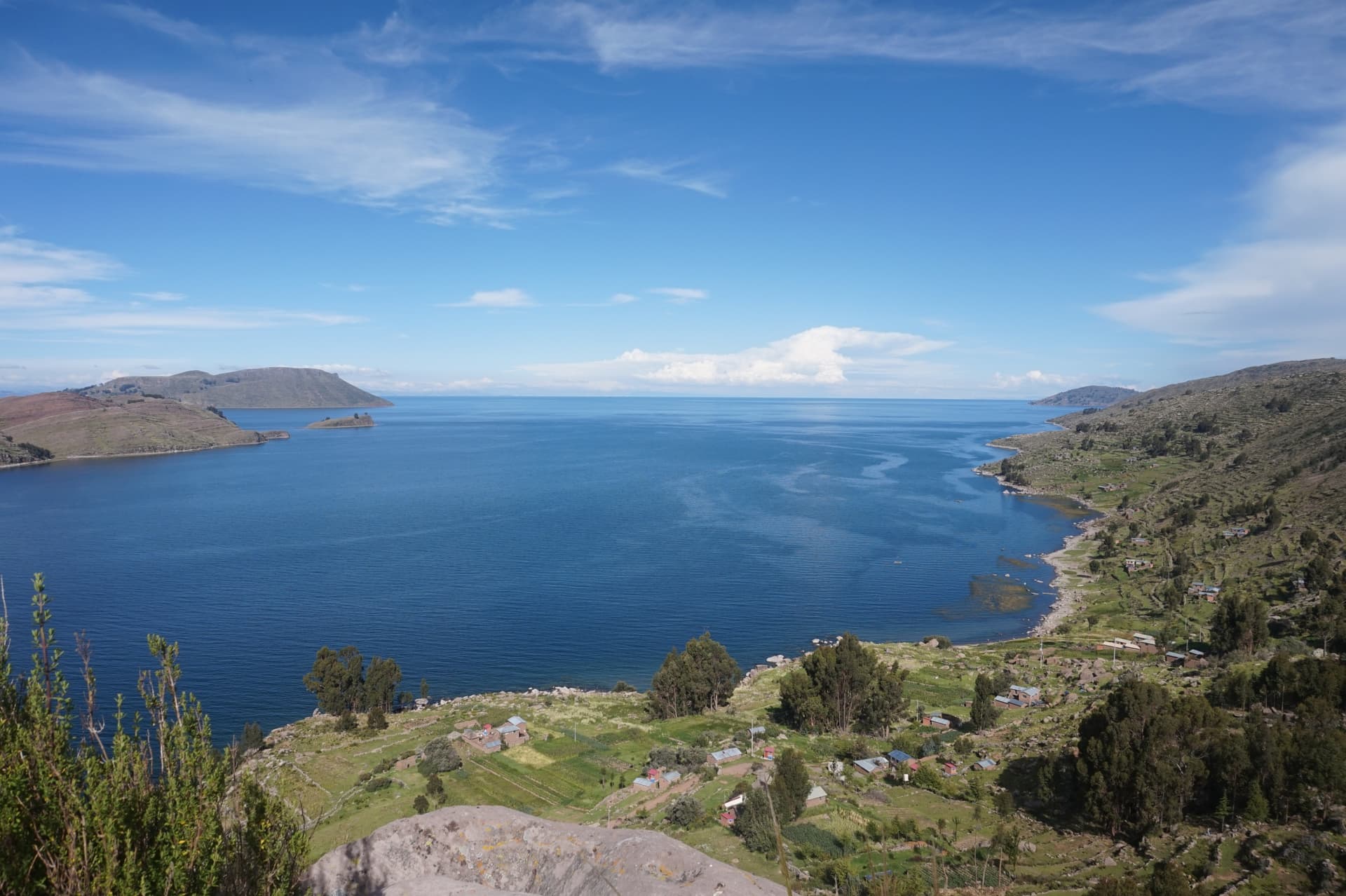
Local culture is marked by a profound respect for nature and agricultural cycles. The inhabitants practice subsistence farming, cultivating potatoes, quinoa, and maize on terraces built into the mountainside—an ancestral technique inherited from the Incas. In Paramis, there are no restaurants, no hotels, no cars. This village is a true haven of peace, where time seems to stand still.
Their traditional way of life is strongly influenced by pre-Columbian beliefs and practices, notably the worship of Pachamama (Mother Earth), which holds a central place in their daily existence. Local festivals are key moments in community life, when villagers gather to offer prayers and offerings to the earth.
Landscapes and nature
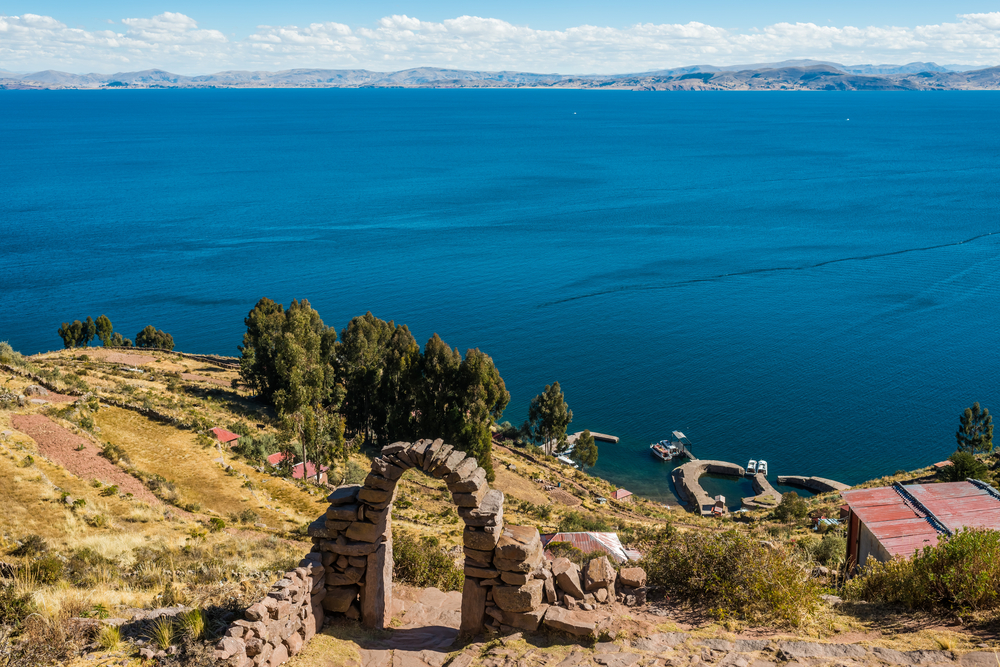
The natural beauty of Paramis is one of its greatest attractions. The village is surrounded by spectacular scenery that shifts with the seasons. In summer, verdant hills and agricultural terraces offer a striking contrast with the deep blue of Lake Titicaca. In winter, the surrounding mountains are often blanketed in a fine layer of snow, adding a touch of magic to the region.
The views from Paramis are particularly impressive at sunrise and sunset, when the waters of Lake Titicaca take on hues of gold and rose. Hikers can explore numerous trails that wind through the peninsula, leading to panoramic viewpoints where you can glimpse neighboring islands and, on clear days, the snow-capped peaks of surrounding mountains.
Flora and fauna
The Capachica peninsula, including Paramis, harbors a unique biodiversity worth discovering. The region's climate and altitude allow for the coexistence of varied fauna and flora, adapted to the extreme conditions of high altitude.
The waters of Lake Titicaca are known to be home to several endemic fish species, notably the carachi and pejerrey, which play a crucial role in feeding local communities. The lake's shores are also a resting place for many migratory bird species such as the Andean flamingo, the Andean gull, and the Titicaca grebe—making Paramis an excellent birdwatching spot.
Moreover, the region's flora is equally fascinating, featuring plants such as totora, a type of reed that grows abundantly around the lake. It is used by local communities for construction, basketry, and even food. The surrounding hills are covered with hardy Andean plants like chuño (dehydrated potatoes) and oca, which are cultivated on agricultural terraces.
Paramis today
Community-based tourism is flourishing in Paramis, with local initiatives designed to offer visitors an authentic experience while supporting the local economy. Travelers can stay with local families, discovering the warm hospitality of Quechua households while learning their traditions and way of life. These cultural exchanges are often enriching for both parties, creating lasting memories.
To reach Paramis, most travelers pass through Puno, the main gateway to Lake Titicaca. From this city, it takes approximately 1.5 to 2 hours by bus or car to reach the Capachica peninsula. Once there, a short boat ride or a walk or mototaxi ride along the trails will take you to the village of Paramis. The trail itself is an adventure, offering spectacular views of the lake and surrounding mountains. Additionally, if you find yourself in the city of Juliaca, note that there is a bus terminal for Capachica. The journey takes about forty minutes.
Activities
Although Paramis remains a rarely visited village, it offers a range of activities for travelers seeking authenticity and tranquility.
Hiking
Hiking is one of the main activities, with trails offering breathtaking views of Lake Titicaca and its surroundings. A popular excursion is the climb to the summit of Apu Paramis, from which you can admire a 360-degree panorama of the entire peninsula and the lake.
Cultural immersion
Visitors can also discover the daily life of Paramis inhabitants by taking part in traditional agricultural activities such as potato harvesting or chuño preparation. This immersion in local culture offers a deep understanding of the bond between residents and their land.
Other activities to choose from
The daily occupations of the Paramis community are also among the activities visitors can participate in:
- Artisanal weaving
- Traditional net fishing
- Discovery of medicinal plants
- Preparation of traditional dishes
- Horseback riding or cycling through the village
- Making mud bricks and adobe for building traditional homes
- Ritual ceremonies
Want to discover this destination?
Our local advisors design your tailor-made trip.