Lucmabamba
Lucmabamba
A key stage on the Salkantay trek, Lucmabamba blends organic Peruvian coffee, Inca trails and an unforgettable view of Machu Picchu from Llactapata.
Nestled in the Cusco region of Pérou, Lucmabamba is a hidden gem of the Incas' Sacred Valley. This small community is often overlooked by traditional tourist itineraries. Yet it offers a unique and immersive experience in Andean culture and surrounding natural beauty. Whether you're a hiking enthusiast, a history buff, or simply seeking deep cultural immersion, Lucmabamba has something to offer everyone.
Location and Access
Lucmabamba is located in the subtropical valley of Santa Teresa, near the renowned Inca citadel of Machu Picchu. It also lies close to the Temple of the Moon, an ancient Inca ceremonial sanctuary situated on the Urubamba River. Travelers can reach Lucmabamba through several routes:
- Take a train or bus from Cusco to Hidroelétrica, Santa Teresa's hydroelectric power station, then walk or take a taxi to the community. The journey takes approximately three hours.
- The second option departs from Ollantaytambo by road and crosses the Abra Málaga reserve, which sits above 4,000 meters in altitude. Then you'll circle the Urubamba and reach Lucmabamba. The journey takes roughly five hours.
- The third route goes through Cusco, where you board a bus heading to Quillabamba. Get off in the Santa María Cusco sector. From there, you can take shared vehicles that run to Santa Teresa and onward to Lucmabamba.
This relative accessibility allows visitors to discover a more authentic side of rural Pérou without straying too far from main tourist routes.
Historical Significance
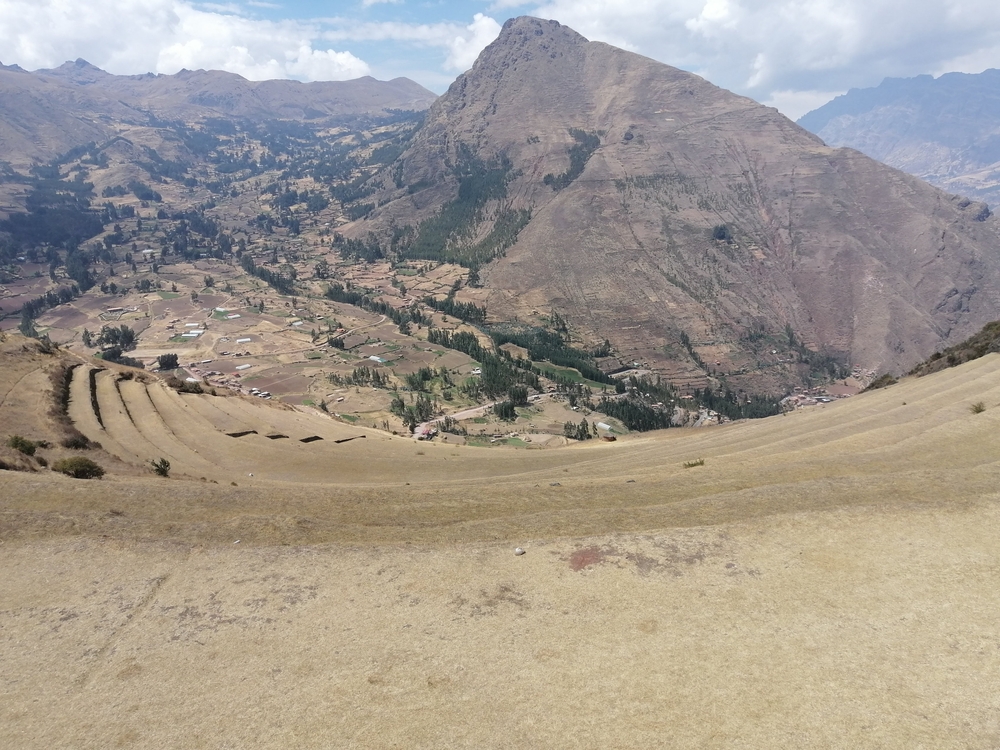
Though Lucmabamba is a small community, it holds significant historical importance. The ruins of Llactapata, located nearby, are a fascinating archaeological site offering insight into Inca civilization. They include agricultural terraces, storage facilities, and residential structures that provide a unique vantage point of Machu Picchu from an angle rarely seen by most tourists.
The Lucmabamba region was part of the ancient Inca road network, known as Qhapaq Ñan, which connected various parts of the Inca Empire. Hiking trails often follow these ancient pathways, allowing visitors to walk in the footsteps of the Incas and connect with Pérou's ancient history.
Culture
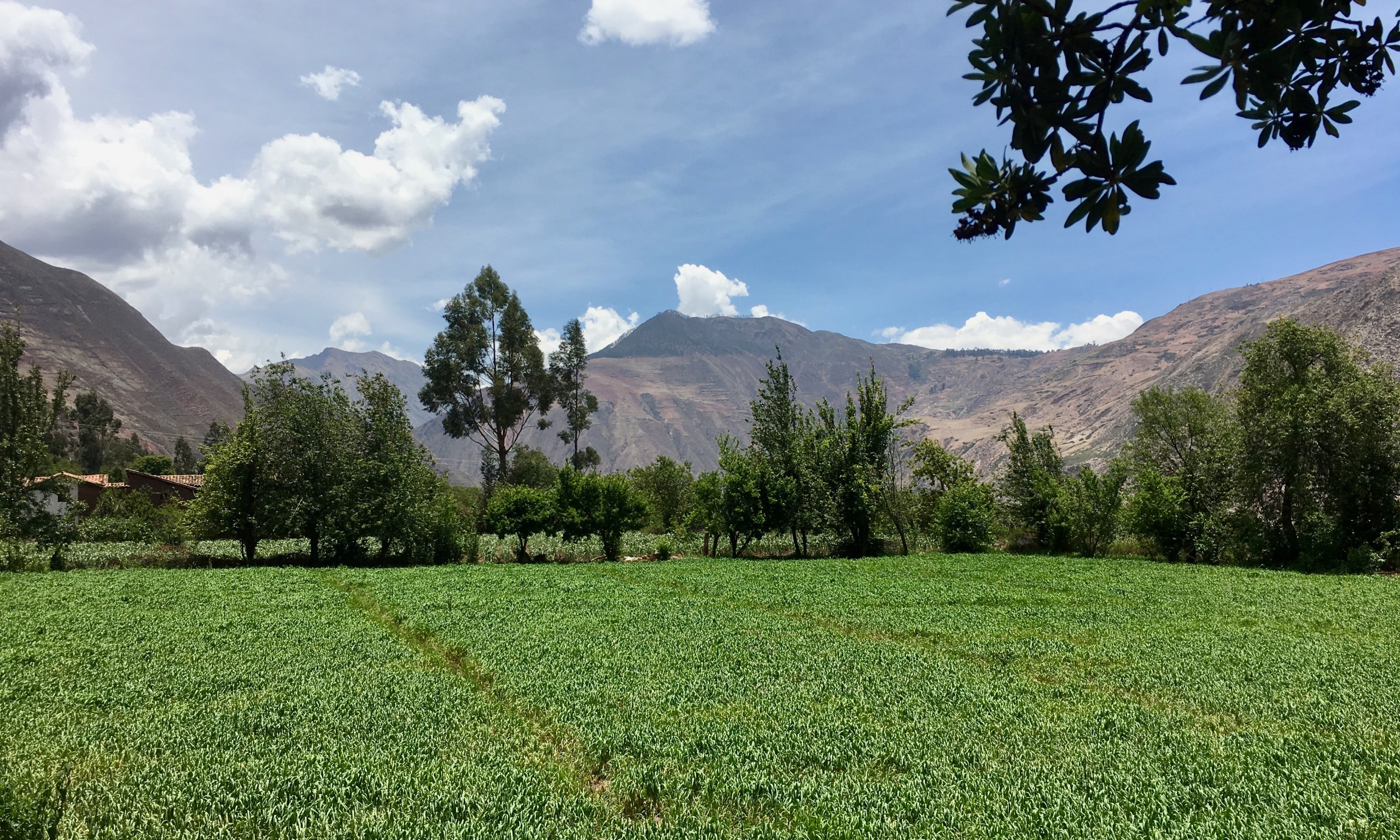
Lucmabamba is a community steeped in Andean traditions. The inhabitants are primarily farmers who cultivate local products such as coffee, tropical fruits, and vegetables. Visitors have the opportunity to learn about these traditional agricultural practices and even participate in harvests.
Lucmabamba's coffee is particularly renowned, harvested between 1,800–2,100 meters above sea level. The region's plantations produce high-quality beans with exquisite aroma and flavor. Travelers can:
- Join guided tours of the plantations
- Learn the coffee production process, from harvesting to roasting
- Taste freshly brewed cups of coffee
The region also grows notable coffee varieties such as Caturra, Typica, and Bourbon.
Natural Attractions
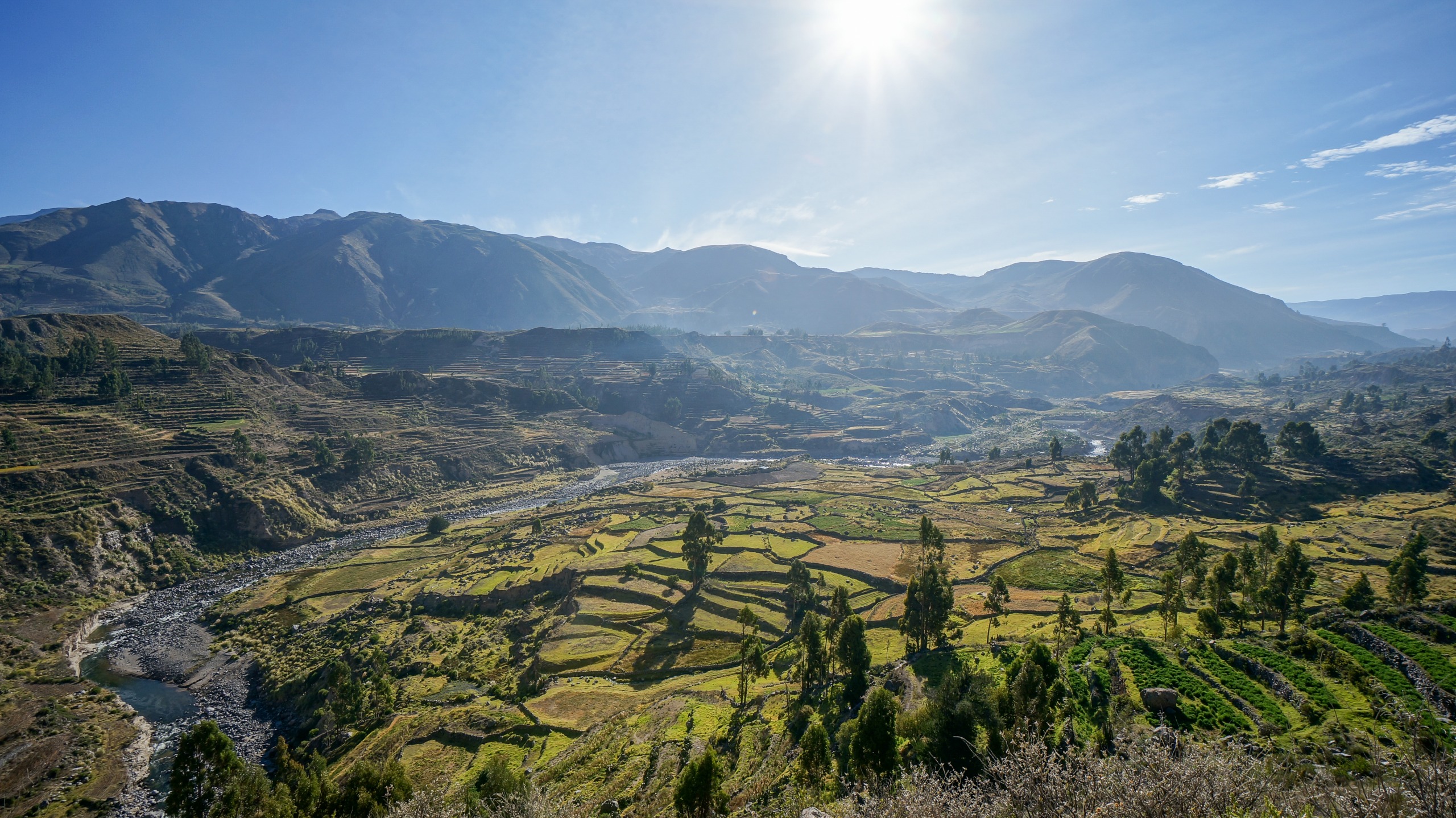
The Lucmabamba region boasts rich biodiversity and stunning natural beauty. Visitors can explore hiking trails through lush tropical forests, observing a variety of exotic birds and local plants. The hike from Lucmabamba to Llactapata is particularly popular, offering spectacular views of Machu Picchu while crossing diverse landscapes—from coffee plantations to Inca ruins.
Outdoor enthusiasts can also enjoy the Santa Teresa River, ideal for fishing or simply relaxing by the water. Nearby waterfalls, such as Mandor Falls, offer picturesque spots for swimming and photography.
Accommodation
A local eco-lodge near Lucmabamba in Santa Teresa offers pleasant and authentic stays. Run by a local family, it provides a more personal and immersive experience. The accommodation features:
- A terrace
- A bar
- Free Wi-Fi
The lodge offers four room types:
- A double room with garden view and one double bed
- A luxury double room with one single bed and one double bed
- A basic triple room with three single beds
- A comfort triple room with three single beds
Some include private or shared bathrooms depending on the option selected.
The lodge also serves a daily breakfast featuring an assortment of vegan, vegetarian, and American dishes.
Activities
Beyond hiking and coffee plantation tours, Lucmabamba offers various activities for visitors. Textile-making workshops allow participants to learn traditional Andean weaving techniques. Cooking classes offer the opportunity to discover the secrets of Peruvian cuisine, from fresh ceviches to quinoa dishes.
For thrill-seekers, zip-lining and white-water rafting excursions on the Urubamba River are available nearby—a chance to experience exhilarating adventures in spectacular natural surroundings.
Want to discover this destination?
Our local advisors design your tailor-made trip.