The City of Lampa
The City of Lampa
Known as the Pink City, Lampa enchants visitors with its distinctive rose-colored colonial architecture, a church with catacombs, and Andean lagoons, just a short distance from Puno.
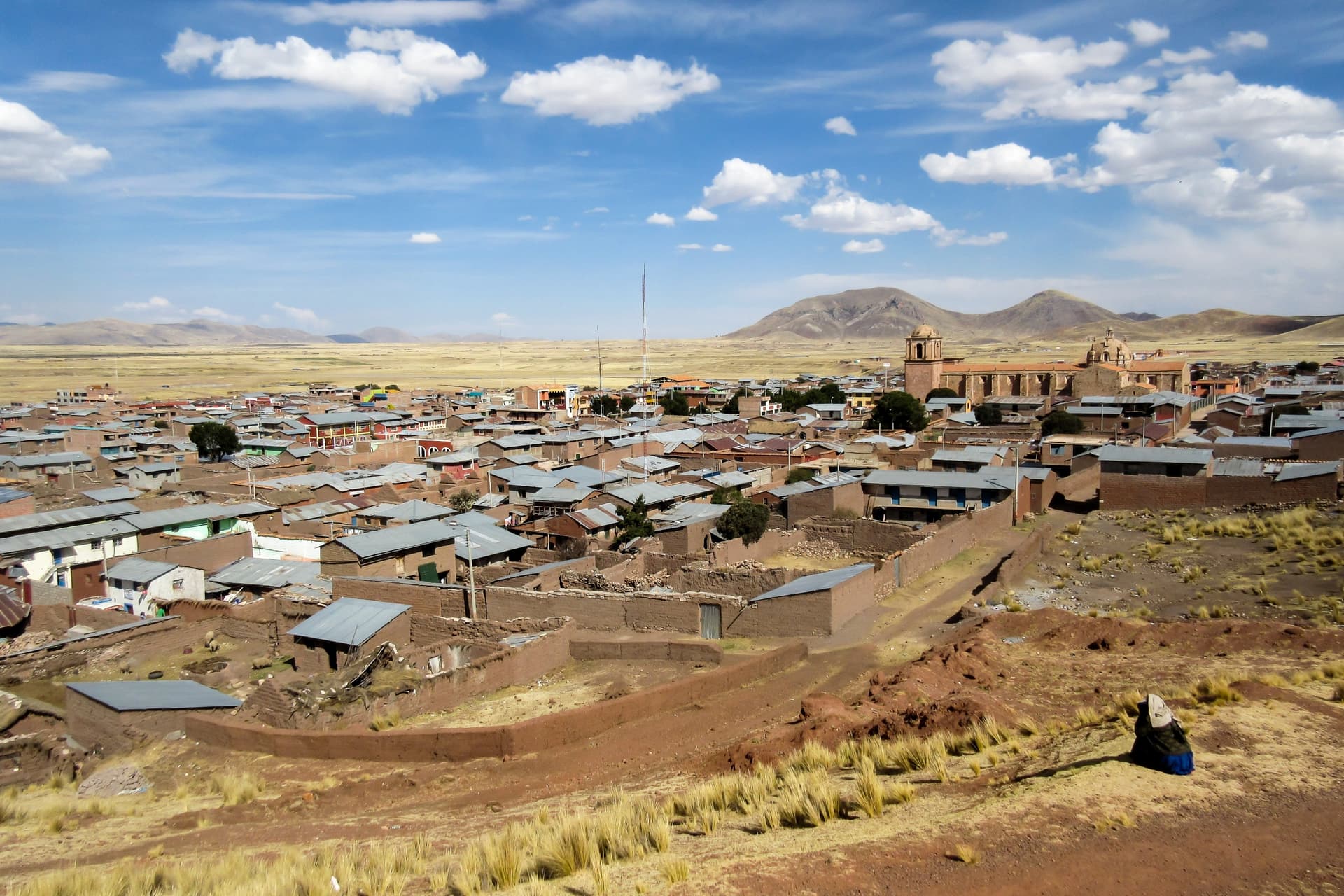
Lampa is a charming small town located in the Puno region of southeastern Peru. It is often called "La Ciudad Rosada" or "the Pink City" for the distinctive rose color of its buildings. Known for its historical richness, colonial architecture, and peaceful atmosphere, Lampa is a hidden gem that deserves the attention of travelers seeking authenticity and cultural discovery.
History and Founding
Lampa was founded in 1540 by Spanish settlers during the conquest period. From its inception, the town distinguished itself through prosperity driven by mining, particularly silver extraction, which attracted numerous colonists and adventurers. The wealth generated by this industry enabled the construction of many religious and civic buildings that still stand as testament to this flourishing era.
Climate
The city of Lampa features a temperate highland climate with two main seasons:
- The dry season: extending from April to October, marked by sunny days and cold nights.
- The rainy season: from November through March, characterized by frequent and intense rainfall.
It should be noted that the average annual temperature ranges between 10 to 12°C. Nevertheless, during summer (November-March), temperatures are milder, with daytime highs reaching 15°C to 18°C and nighttime lows around 5°C to 7°C. Conversely, during winter (June-August), daytime temperatures fluctuate between 10°C to 15°C while nights are very cold, with temperatures dropping below 0°C, sometimes reaching -5°C or lower.
Lampa is primarily accessible from the city of Puno. Travelers can take a bus or rent a car for a journey of approximately 90 minutes to 2 hours. The roads offer impressive views of the Andean landscape, making the journey as rewarding as the destination itself. The town is also located roughly forty minutes from Juliaca airport.
Architectural Heritage
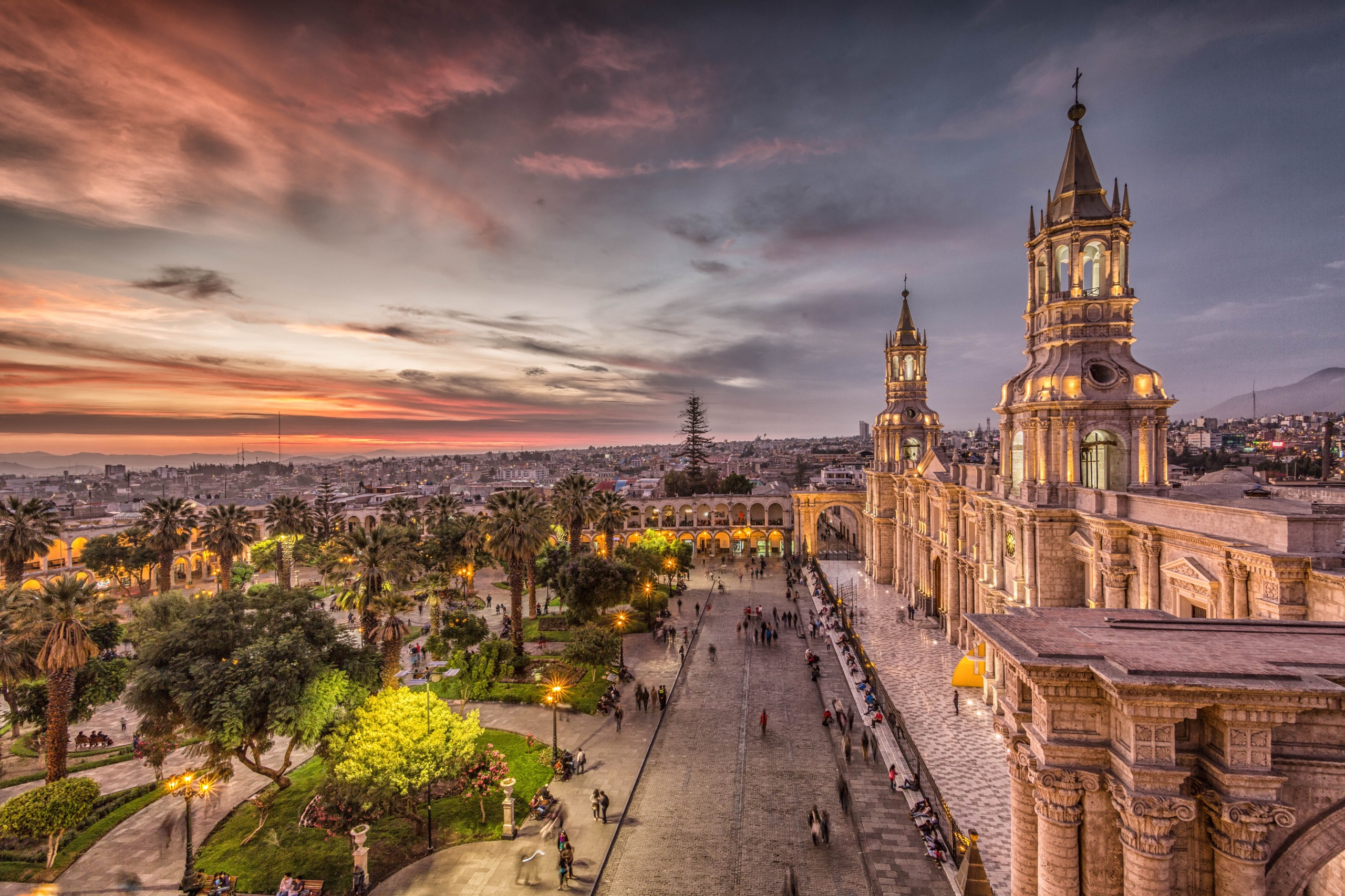
One of the most fascinating aspects of Lampa is its well-preserved colonial architecture. Strolling through the cobblestone streets, visitors can admire buildings with pink and white facades, intricately carved wooden balconies, and wrought-iron doors. Several impressive structures are well worth the visit.
The Church of Santiago Apóstol
This can be considered the main attraction of Lampa. The Church of Santiago Apóstol is indeed a masterpiece of colonial architecture. This religious edifice, constructed in 1678 under the direction of Francisco de Goyzueta Maldonado, a priest from Arequipa, displays strong Renaissance influences. The church impresses with its facade and magnificent entrance adorned with baroque details. The main altar, in particular, is a treasure not to be missed, featuring gilded wooden sculptures and religious paintings of considerable artistic value. The interior of the building is decorated with marble and wood. The upper section of the lateral naves is adorned with splendid stained glass windows that flood the space with brilliant light.
The church is also equipped with a vault topped by a small chapel, built over an ossuary and overlooking one of two aluminum and plaster replicas of Michelangelo's Pietà. The remains of Enrique Torres Belón, an engineer and politician who was a benefactor of the town, and his wife rest beneath this chapel. Adjacent to the building, a charming small square offers a place to rest. Furthermore, the building also houses a library providing extensive information about Lampa and an exhibition of paintings by local artists.
The church also contains a catacomb, a rarity in this region of Peru. To reach this crypt, visitors must descend a narrow staircase. Skulls and skeletons can be seen hanging on the walls of the underground tunnel. These remains are believed to be those of the church's builders. To access the crypt, permission and the key must be requested from the sacristan. This offers a fascinating and somewhat macabre glimpse into the town's history.
The Town Hall
Near the Plaza de Armas, on an adjoining charming square, stands the town hall. It distinguishes itself through murals depicting the historical evolution of Lampa through the ages—past, present, and even future. Inside, a magnificent courtyard is revealed, a second replica of the Pietà, as well as a museum dedicated to the famous painter Victor Humareda (1920-1986), a native of Lampa.
The Colonial Bridge
The colonial bridge of Lampa, constructed with local stone materials and spanning the Lampa River, is another remarkable monument. Used for centuries, it testifies to Spanish engineering of the era and offers stunning views of the picturesque surroundings.
Culture and Traditions
Lampa is also known for its rich cultural traditions, celebrated throughout the year through various festivals and celebrations. The Feast of the Virgen de la Candelaria in February is one of the most important events, drawing visitors from across the region for its processions, folk dances, and traditional music.
The people of Lampa take pride in their heritage and work to preserve their ancestral customs. Local artisans continue weaving and pottery techniques passed down through generations. This is an excellent opportunity for visitors to purchase authentic, high-quality souvenirs.
Attractions and Activities
Surrounded by spectacular mountainous landscapes, Lampa is also an ideal destination for nature enthusiasts and outdoor activities. Hikes in the surrounding mountains offer panoramic views of the region and the opportunity to observe diverse wildlife and flora.
The Markets of Lampa
Visiting the markets of Lampa is an experience in itself. Colorful stalls overflow with fresh produce, alpaca wool clothing, and local crafts. The markets are also an excellent place to taste local specialties and immerse yourself in the warm and welcoming atmosphere of the town.
The Grotto of the Virgin of Lampa
Located a few kilometers from the town, the Grotto of the Virgin of Lampa is an important pilgrimage site. According to legend, the Virgin appeared there, attracting many faithful ever since. The grotto itself is an impressive natural formation. The trail leading to it is lined with Stations of the Cross, offering a spiritual and contemplative experience.
The Lagoons Near Lampa
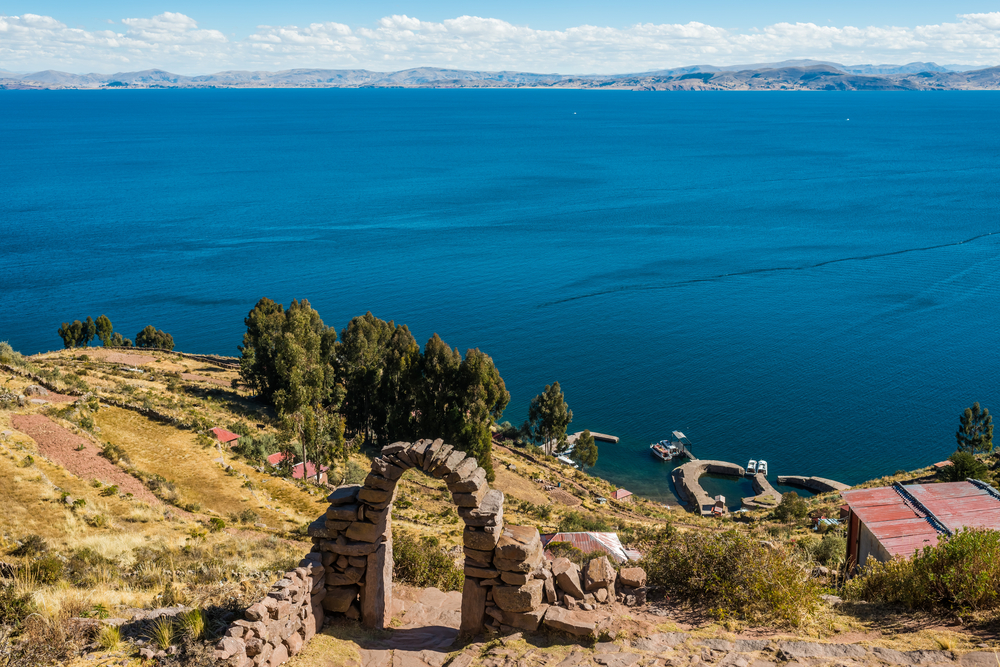
The lagoons of Lampa are popular destinations for day excursions. These crystal-clear bodies of water surrounded by mountains are ideal for activities such as fishing, kayaking, and nature contemplation. Visitors can observe a great variety of migratory birds, including several species endemic to the Andean region. Among the most popular lagoons are, for example: the Canchón lagoon (25 km to the northeast), the Lagunillas lagoon (40 km to the southeast), and others.
Want to discover this destination?
Our local advisors design your tailor-made trip.