Juliaca
Juliaca
At 3,825 m altitude, Juliaca is the aerial gateway to Lake Titicaca and a vibrant crossroads of the Peruvian Altiplano. Markets, carnival, Taquille Island: here's how to approach it.
District: Juliaca
Province: San Román
Region: Puno
Country: Pérou
Area: 533.47 km²
Population: 278,444 inhabitants
A dynamic commercial city, Juliaca stands out as the largest economic hub in Puno, in southern Pérou. It hosts the region's only international airport. Yet its proximity to Lake Titicaca also makes Juliaca a pleasant stop to consider on a Pérou getaway. Carnival, Christian festivals, and traditional handicrafts—the City of Winds plays multiple cards to attract visitors. A hotspot for shopping and celebration, Juliaca is rather sparse in natural attractions. Adventurous travelers will combine Juliaca, Puno, and Pampa for a perfect stay in southern Pérou.
History
Juliaca's settlement history stretches back to prehistoric times. Around 4,000 years before the Common Era, Juliaca was inhabited by Indian tribes called the Uros, who lived from subsistence farming supplemented by the herding of llamas and guinea pigs. The Uros settled near the Coata River and neighboring lagoons. They pioneered the invention of the first waruwarus, raised planting beds that helped remedy erosion in mountainous areas.
Between 1200 and 1450 CE, the Tiahuanaco culture flourished on the Andean plateaus. The two most distinctive features of this pre-Columbian culture are ceramics and textile art. Later, the Incas dominated the region, which experienced its golden age under the reign of Pachacutec.
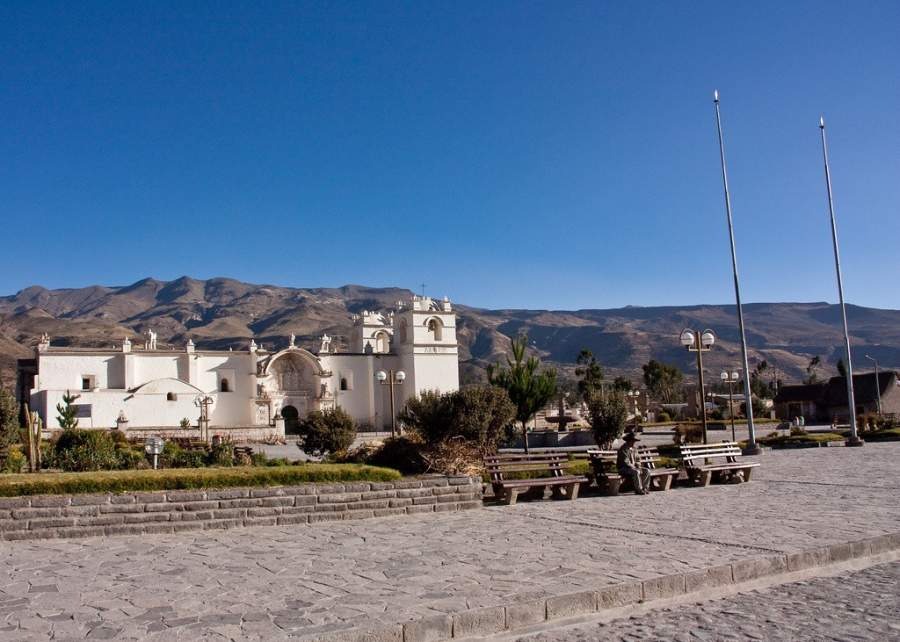
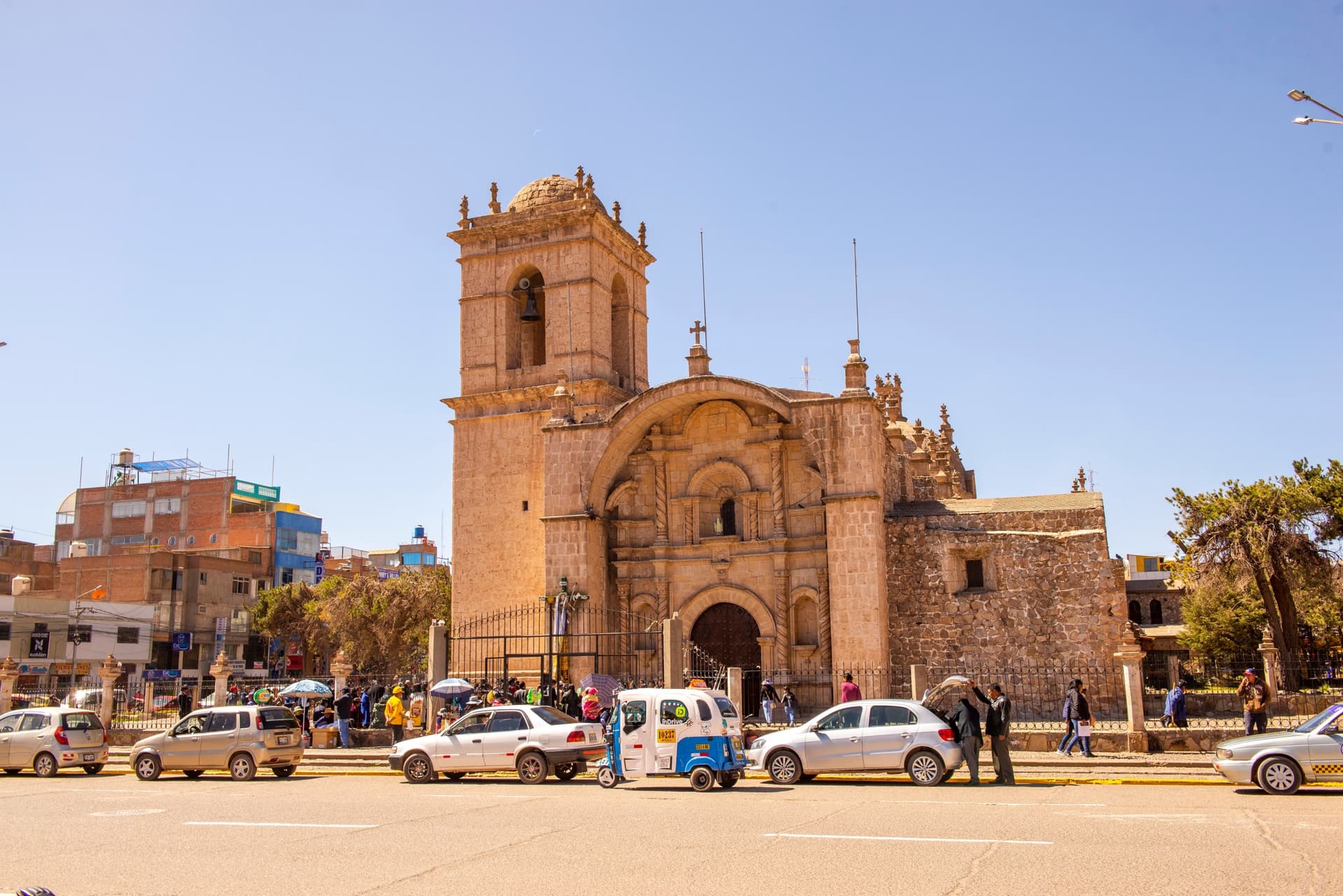
The modern city of Juliaca was founded by the Spanish in 1826. Suspended in the foothills of the Peruvian Andes at 3,825 m altitude, it inherited the friendly nickname "Ciudad de Los Vientos," or the City of Winds. During your Pérou escape, you could visit the city's notable tourist sites. The colonizers left traces of their presence, such as the imposing Santa Catalina Church, built in the 17th century, or the Church of Grace, a later construction yet equally beautiful.
Geographic Location
Juliaca, capital of San Román Province, is easily accessible 40 km by good road from Lake Titicaca in southeastern Pérou. Ideally situated in the Andes Cordillera, in the Altiplano—one of the world's highest inhabited regions—the City of Winds offers striking views of surrounding villages such as Llachon.
Juliaca and its surroundings are brimming with interesting tourist sites, such as Plaza Bolognesi. The city's inhabitants, called Juliaqueñas and Juliaqueños, will be delighted to share their cultures and culinary traditions with you. This will add spice to your stay in Juliaca. Spanish is the primary living language. Quechua, Pérou's official language since 1975, has survived among indigenous tribes.
What to Do?
The first thing to do is explore the city on foot. You'll discover the city's tourist monuments while mingling with locals. This will enrich and enhance your Pérou journey.
Religious Buildings. For architecture enthusiasts, be sure to visit Santa Catalina Church. The first stones were laid in 1649 at the initiative of the Jesuits, but construction wasn't completed until 125 years later. This makes sense given the magnificence of this edifice. The Baroque-style facade of gracefully sculpted dressed stone commands admiration and respect. Don't miss its remarkable bell tower, built from sillar stone sourced from Arequipa quarries. The Church of Grace, built in the 19th century, captivates with its characteristic pink sandstone. Continue your visit with a stop at the Franciscan convent, also called the Santa Barbara convent, whose Greco-Roman style will transport you on a most captivating cultural journey. Finally, the White Christ, inaugurated in 1987, offers panoramic views over all of Juliaca.
Juliaca Carnival. Want to let loose during your Pérou stay? Schedule your trip between mid-February and March, when the celebration of Pachamama, the "Mother Earth" goddess, takes place. A jubilant city will welcome you. Large banners adorned with flowers, paper garlands with beautiful patterns, and painted works will decorate buildings. All inhabitants set about decorating their homes and shops. You'll discover a blend of Andean and Catholic traditions. During Carnival day, you'll be swept up in the street atmosphere thanks to the music, dance, and costumes that mark the event. Don't forget your camera to capture the highlights of your Pérou stay.
You can also enjoy tourist sites in the surrounding area.
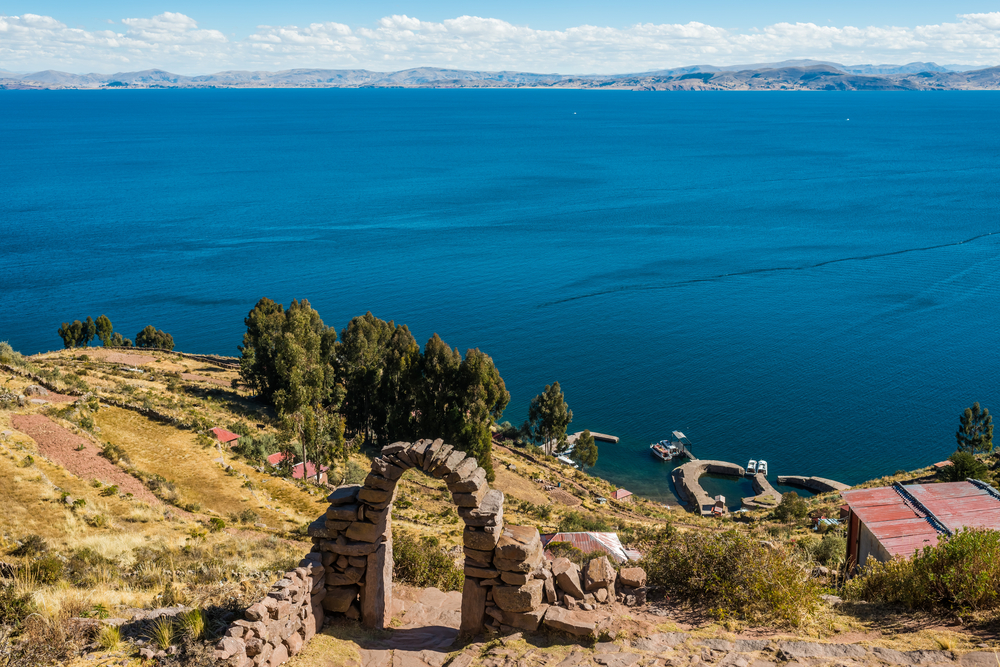
Taquille. Known for its textiles inscribed in UNESCO's List of Intangible Cultural Heritage of Humanity, Taquille Island is among the must-sees in the Juliaca region. It was a place of political exile during the colonial period before experiencing better fortune by showcasing its cultural heritage. Each year, more than 40,000 tourists come to pay homage to this flowering, unspoiled island, where globalization has not gained a foothold. Men learn to knit and spin from age eight, while weaving is the domain of women. An absolute haven of peace just 45 km from Puno.
Las Calceteras. This artisanal market is the place to be for buying souvenirs. Las Calceteras is tucked in the city center on Plaza Bolognesi. Browse its different levels to find your treasure: clothing for men and women, toys, decorative objects, and rugs, etc.
Lake Titicaca. A must-see tourist site, Lake Titicaca charms strollers with its verdant and romantic setting. Trout fishing, pleasure cruising, birdwatching, or a romantic getaway on Amantani Island—the options abound. Lake Titicaca offers more than ever privileged vacation moments for all.
Quick Trip to Puno. You'll enjoy visiting the tourist sites along the route connecting Juliaca and Puno, about a 40-minute journey. The Carlos Dreyer Museum will surprise you with its various exhibitions. The Baroque Cathedral and La Casa Del Corregidor are also worth discovering. Fascinating stories await you aboard the Yavari Museum Boat.
Gastronomy
Let yourself be drawn into a thrilling gastronomic journey by tasting the authentic flavors of Pérou. Your stay in Juliaca is an opportunity to do so. Fish-based dishes are the stars.
Ceviche. A very popular dish in Pérou, this marinated raw fish is highly recommended. Its taste varies by chef, so don't hesitate to try it multiple times and in different places.
Escabeche. This vinegar-based marinade is prepared with fish or chicken.
Anticuchos. Nothing quite like grilled beef heart skewers to gather with friends or family.
Try Aji de Gallina, poultry meat cooked with water and seasoned with yellow chili sauce, milk, cheese, nuts, and breadcrumbs. We won't mention Causa Rellena, Lomo Saltado again... For beverages, taste Chicha Morada and Pisco Sour. For desserts, Arroz con Leche and Mazamorra will delight your palate. The region's culinary richness will transport you on a thrilling and unforgettable journey of discovery through Peruvian lands.
Climate
Endowed with a warm oceanic climate with a dry winter, the city of Juliaca experiences an average annual temperature of 11°C. Indeed, its geographic position at altitude means it's cold and windy from May through September. The climate is more or less pleasant between October and December, as temperatures reach 12°C during this period with less intense rainfall than earlier in the year.
How to Get There?
Access to Juliaca is extremely easy. The city has the advantage of hosting the only airport welcoming international flights throughout the entire Puno region.
Travelers land at Inca Manco Cápac Airport, named after the first Inca emperor. Many airlines, such as Air France, Liberia, and Air Europa, operate the Paris-Juliaca route. Expect 16 to 19.5 hours of flight time depending on the carrier chosen.
How to Get Around the City?
For those wishing to rent a car, a French driver's license is valid in Pérou for 3 months.
Walking. This is the most common mode of transportation. If you want to mingle with the masses to better learn their cultures, this option is the best.
Taxi. Very abundant in the city, taxis will take you to the specific places of your choice. If your budget allows, this is a good alternative to enjoy the local atmosphere in peace and quiet.
Bus. For long-distance travel, take the bus.
Want to discover this destination?
Our local advisors design your tailor-made trip.