Coporaque
Coporaque
157 km from Arequipa, Coporaque preserves the traditions of the Collaguas in Colca Valley. A Quechua village off the beaten path.
Nestled in the heart of the majestic Colca Valley, 157 km from Arequipa in Pérou, Coporaque is a captivating destination. Indeed, it offers travelers a perfect blend of culture, history, and nature. The village's name derives from two Quechua words—"Qhoto" and "Raque"—meaning "place where corn is distributed." Less renowned than its touristic neighbors like Chivay or Cabanaconde, Coporaque remains a hidden gem where ancestral Andean traditions thrive in a breathtaking natural setting. Whether you're a history enthusiast, an adventurer, or simply seeking cultural immersion, Coporaque has something to offer everyone.
History
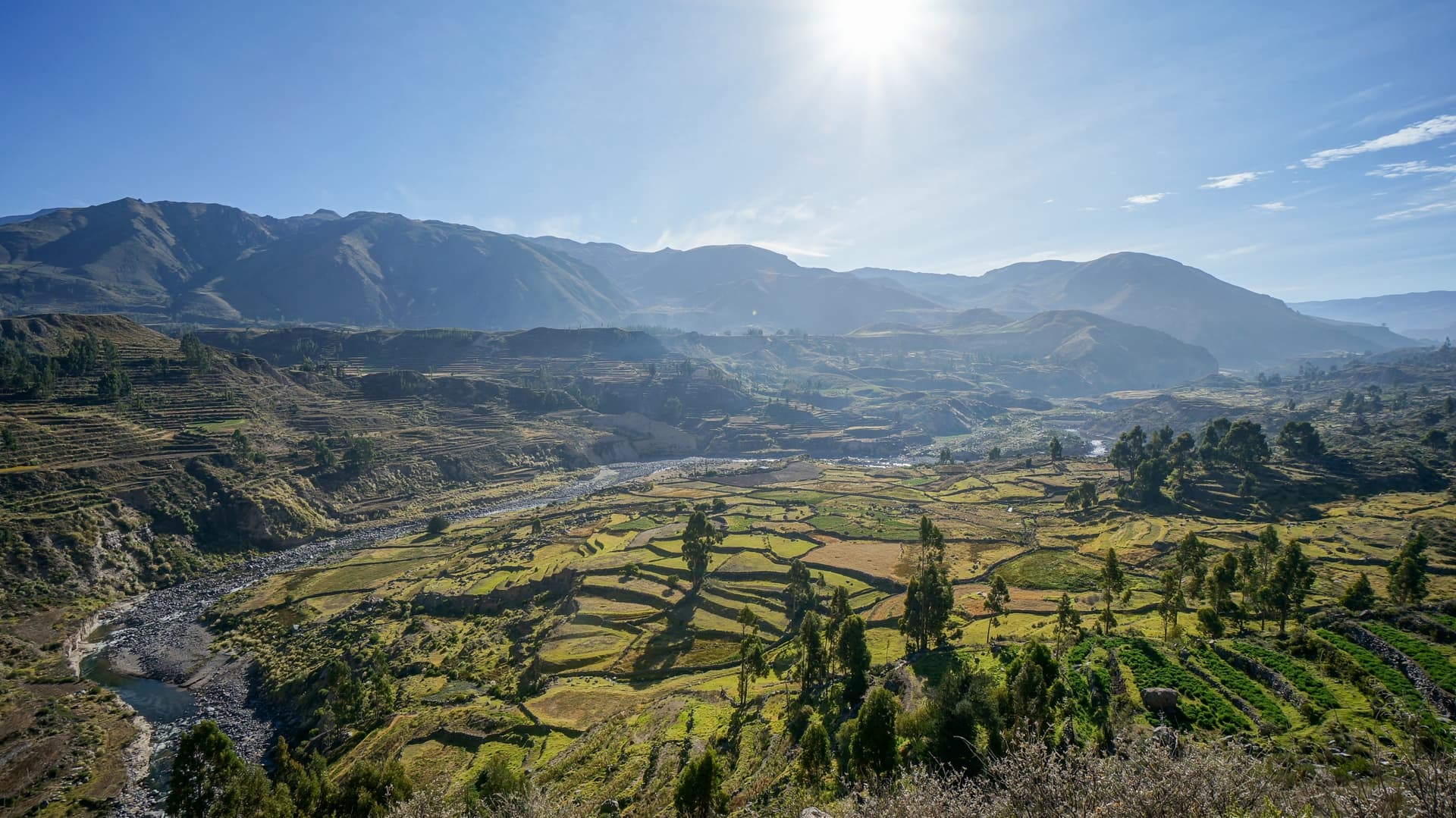
Coporaque's history stretches back to the pre-Incan era. Originally inhabited by the Collaguas, an indigenous people, the village was an important agricultural center thanks to its terraces (andenes) that enabled cultivation in the Andes. In the fifteenth century, the Incas under Pachacutec conquered the region and integrated Coporaque into their empire, establishing it as a strategic tambo for Incan messengers.
With the arrival of the Conquistadors in the sixteenth century came a reorganization of local communities along Spanish lines. They centralized populations in villages called "reducciones" to facilitate tax collection and Christian conversion. The Church of Santiago Apóstol, built atop a former Incan site, symbolizes this transition. Despite Spanish-imposed changes, Coporaque's inhabitants preserved much of their cultural and linguistic heritage.
Climate
Situated at 3,570 meters altitude, Coporaque's climate is characteristically Andean—warm-temperate with dry winters. The region experiences two main seasons:
- The dry season, spanning May to September, with fairly high daytime temperatures and very cold nights.
- The rainy season, from November to March, with more frequent precipitation, moderate temperatures, but higher humidity.
The best time to visit Coporaque is during the dry season, when the climate is more stable and skies are clearer.
Rich Cultural Heritage
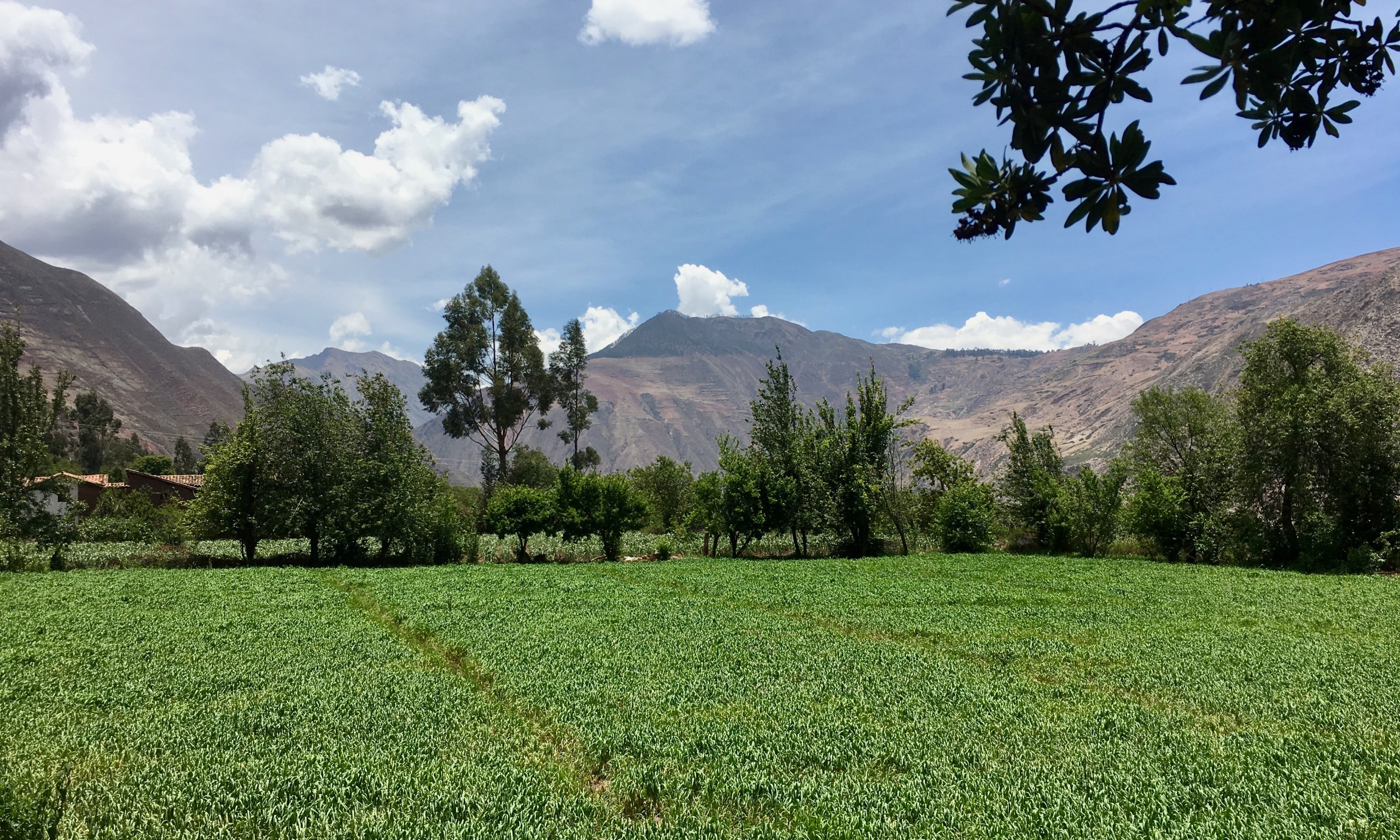
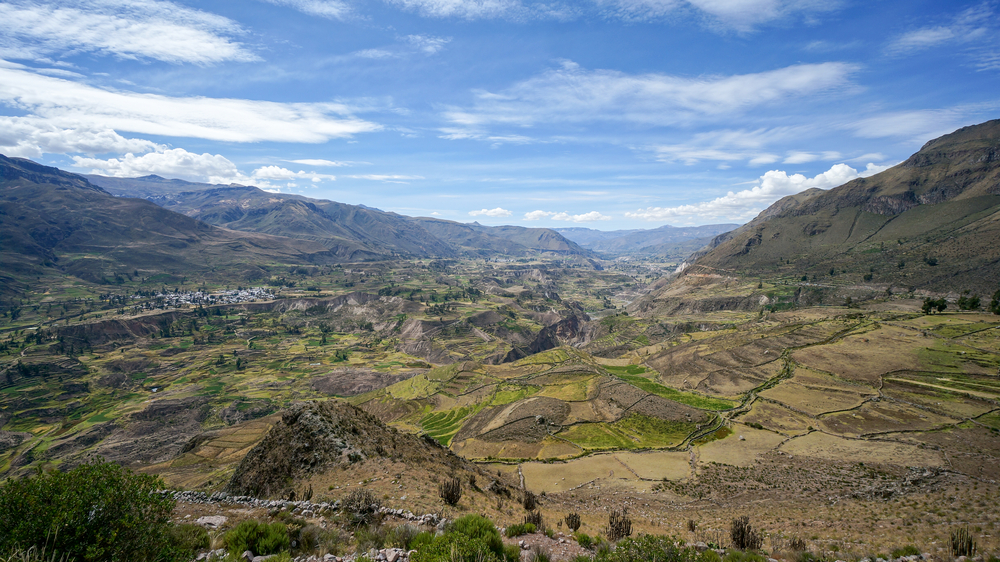
Verdant hillsides are dotted with agricultural terraces dating back centuries, still in use today. These stand as testament to the agricultural genius of the region's ancient inhabitants, who transformed rugged terrain into productive farmland.
The village itself is a treasure trove of living traditions. Here, inhabitants continue to speak Quechua, the language of the Incas, and practice ancestral rituals and festivities. Among the most important celebrations is Inti Raymi, the festival of the sun. It is celebrated with traditional dances, costumes, and offerings to Pachamama (Mother Earth).
Coporaque is also renowned for its traditional dances, including:
- The Wi'iti, a courting dance with specific rules where masked men invite women who cannot identify them.
- The Ccamile, a ritual dance focused on the fertility of the land.
Moreover, the village's greatest celebration, honoring Santiago Apóstol, typically takes place on July 25th. All Coporaque residents participate in preparations for this festival.
Coporaque Today
Across centuries of transformation, Coporaque has succeeded in preserving its unique cultural identity. The village remained relatively isolated, allowing Andean traditions to endure. Today, it is among the destinations favored by travelers seeking authenticity and cultural discovery. Coporaque offers a glimpse of traditional Andean life, complete with religious festivities, local markets, and agricultural landscapes that appear unchanged for centuries. The nearby ruins of San Antonio recall the region's rich pre-Incan and Incan past.
To reach Coporaque, travelers can take a bus or taxi from Arequipa to Chivay (approximately 4 hours by road). From there, another vehicle continues to Coporaque village, a journey of about twenty minutes. The routes offer stunning views of mountains, volcanoes, and terraced fields, making the journey as memorable as the destination itself.
Attractions and Activities
Buildings and Sites to Discover
Though small, Coporaque brims with sites and buildings that will captivate any visitor curious about Andean culture and history, such as:
- The Church of Santiago Apóstol: Constructed in the sixteenth century by the Spanish, this church is a striking example of colonial Andean architecture. It stands out for its mestizo baroque style, blending Spanish and indigenous influences. Visitors can admire its colorful frescoes and carved retables, and may attend Mass, offering insight into local religious life.
- The Colca Cultural Center: Located in the Colca center, visitors discover photography exhibitions on local traditions and customs. They can also observe artistic creation presentations and participate in workshops on dance, music, drawing, and local gastronomy.
- The San Antonio Ruins: Near the village, these ruins form an impressive archaeological complex revealing remnants of an ancient pre-Incan civilization. The site contains approximately 136 architectural structures. Perched on a hilltop overlooking the valley, it also offers spectacular panoramic views of the surroundings, especially at sunrise and sunset.
- The Chullpas or Yuraq Qaqa Tombs: Visitors can see these at Coporaque's summit. These chullpas are characterized by rectangular stone slabs where skulls and skeletal remains of the village's ancient inhabitants are visible.
- The Sallihua Hot Springs: For those seeking relaxation, Coporaque is surrounded by natural hot springs. The warm, mineral-rich waters are renowned for their therapeutic properties, ideal for unwinding after a day of exploration.
Activities and Entertainment
This region offers countless opportunities for outdoor enthusiasts.
- Hiking and Trekking: The Coporaque surroundings are perfect for hiking. Trails wind through varied landscapes, from agricultural terraces to deep canyons and picturesque villages. A popular hike leads to the Coporaque viewpoint, a vantage where one can admire Colca Valley in all its splendor.
- Condor Watching: Not far from Coporaque lies the famous Cruz del Condor viewpoint. It is among the world's finest locations to observe Andean condors. These majestic birds, with their impressive wingspans, soar above the canyon, offering unforgettable spectacle to visitors.
Immersion in Local Life
Staying in Coporaque is an opportunity for complete immersion in local life. Unlike more touristic destinations, this village offers an authentic experience where travelers can interact directly with inhabitants. Indeed, visitors have the chance to participate in the daily activities of the local community.
It should be noted that most Coporaque residents are farmers who work the ancient terraces of the valley. Visitors can assist in agricultural activities, such as harvesting potatoes or corn, learning traditional techniques passed down through generations.
Moreover, many Coporaque families offer homestays, providing a unique experience of local culture. This presents an opportunity to:
- Learn Quechua
- Share typical regional meals prepared at home
- Discover Andean customs and traditions firsthand.
Want to discover this destination?
Our local advisors design your tailor-made trip.