Calama
Calama
Perched at 2,260 m in the heart of the Atacama Desert, Calama is the gateway to northern Chile: El Tatio geysers, Chuquicamata mine, access to San Pedro de Atacama.
Situated on the Atacama Desert route, at the far north of Chile, the city of Calama is celebrated for its geysers, volcanoes and Andean traditions. A closer look at what this station has to offer.
Escape to Calama: northern Chile at its most spectacular
A trip to Calama appeals to desert enthusiasts seeking an adrenaline rush! Located in the heart of the Atacama Desert, an hour and a half's drive from the town of San Pedro, Calama resembles an industrial hub more than a retreat. That said, this city stands out in more ways than one. The mountains, steaming geysers and salt marshes lend themselves to hiking, horseback riding, climbing and boat trips to observe pink flamingos. Families will enjoy an afternoon stroll through El Loa Park. Various musical and cultural events take place there throughout the year. The surroundings are full of interest, notably the mythical Valley of the Moon, or Chuquicamata, home to the world's largest copper mining operation. Planning a conquest of northern Chile's treasures or traveling through southern Peru? Be sure to visit the city of Calama.
Historical Notes
Calama is said to have been home to diverse civilizations, from pre-Columbian cemeteries adorned with petroglyphs to crops of corn and alfalfa introduced by the Spanish. Its inhabitants served many masters, beginning with the Inca sapas, conquistador Diego de Almagro, and later hacienda owners who enslaved them. The city is said to have been torn apart by political conflicts between Bolivia and Chile. Despite the cruelties of its masters, nature blessed Calama with two development factors: mineral resources—its mountains contain silver, gold, saltpeter and copper—and the Loa River, which made it an oasis in the middle of the desert with undeniable agricultural potential. Given its position as a crossroads, Calama was a supply zone on the Atacama Desert's trade routes from the time of the Inca empire. The small town experienced spectacular growth following the Spanish arrival.
Today
Today, Calama's economy rests on the copper trade. The city has benefited from the fortune of Chuquicahuana by positioning itself as a workers' camp. The year 2007 marked a turning point: mine workers were forcibly relocated to Calama, where a satellite city was constructed outside the city limits. Dwellings were abandoned because the open-pit mine continuously encroached on space. Workers and their families relocated to new housing.
Calama is the provincial capital of El Loa, a region of Antofagasta. Its 166,000 residents come from different backgrounds. In addition to Bolivians, there are also Argentine, Chinese and Venezuelan migrants. Indigenous communities have retreated to the mountains. They speak Aymara and Quechua.
What to See and Visit
A day is essential to discover Calama's must-sees. Beyond its natural beauty, El Loa's flagship city boasts quality historical and cultural sites.
Urban Heritage
El Loa Park
A weekend destination for locals, El Loa Park is a popular leisure area. Between children's games, restaurants and craft shops, families will find what they're looking for. The park hosts various celebrations, including Chile's Independence Day, the El Loa Jazz Festival and the Province Festival. Don't miss the archaeological museum dedicated to the history and traditions of the pre-Columbian tribes that once occupied the region. You'll find a miniature replica of the Chiu Chiu church there.
Ecological and Natural Heritage
Laguna Colorada
With its population of pink flamingos, Laguna Colorada, or Red Lagoon as it's otherwise known, is a spectacular attraction near Calama. It is located in the Bolivian city of Potosi.
El Tatio Geysers
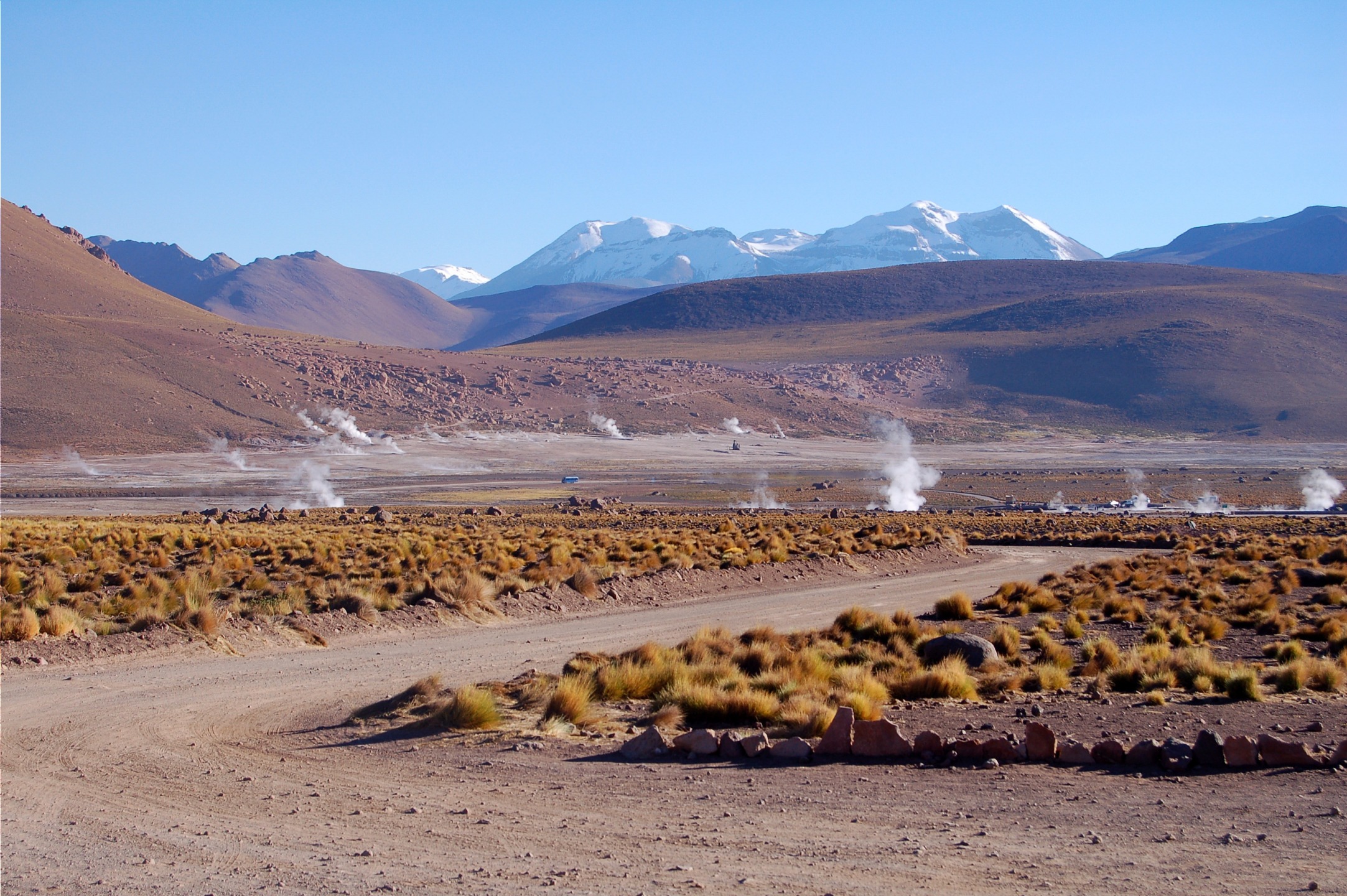
Exploring El Tatio's geysers is truly a highlight! More than 80 hot geysers are waiting to be discovered. Seasoned tourists will come in the morning, knowing that geysers erupt most spectacularly early in the day. Clouds of vapor are accompanied by crackling sounds.
Historical Heritage
San Juan Batista Cathedral
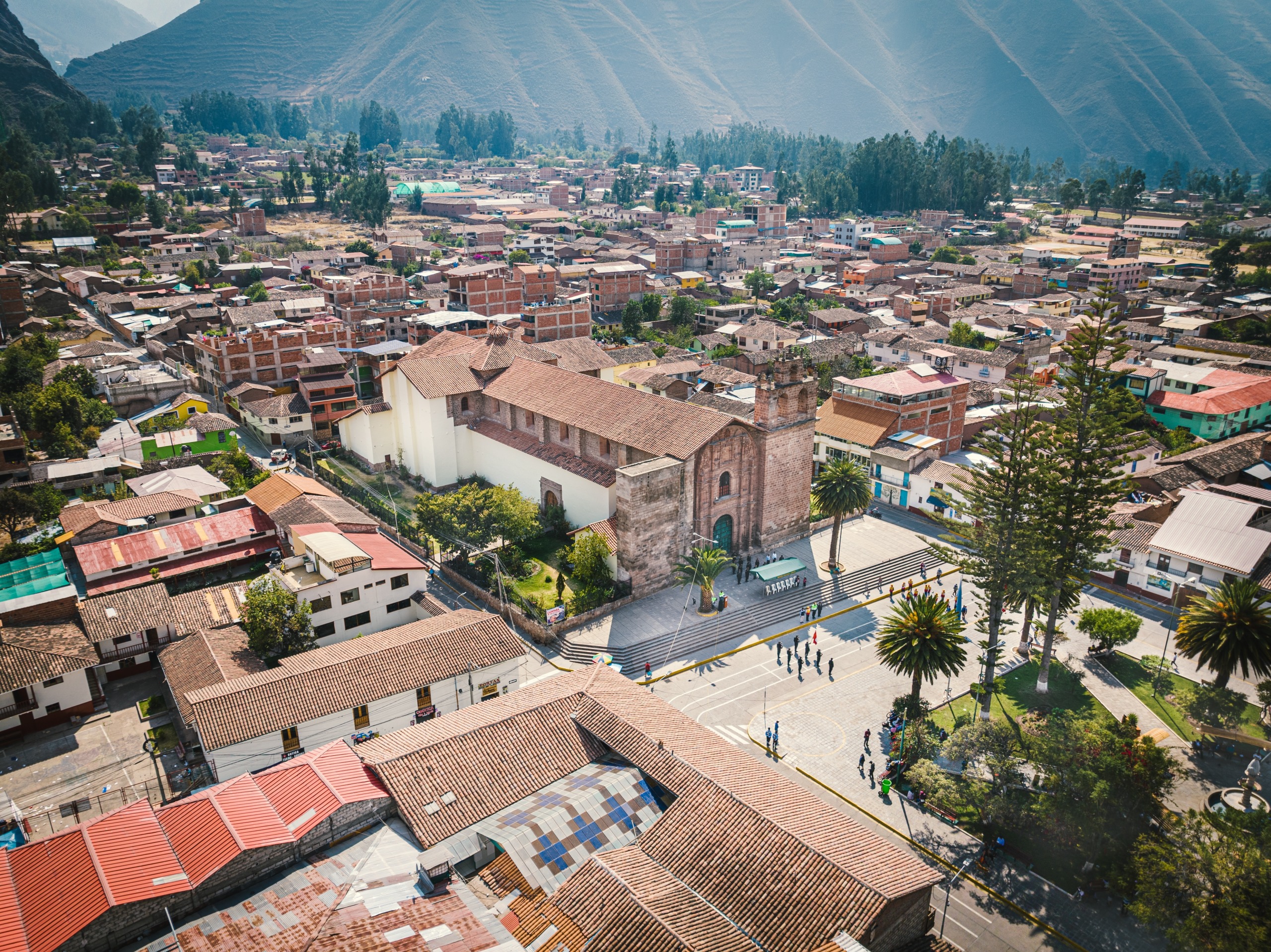
At the city's center stands the Saint John the Baptist Cathedral, Calama's main Catholic church. Built in 1906, it was restored in 2001 with copper leaves inlaid on the roof. The dome is covered with the same material.
San Francesco Chiu Chiu Church
According to historians, this 400-year-old church is the oldest place of worship the Spanish erected in Chile. About a 30-minute walk from town.
Chuquicamata Mining Camp
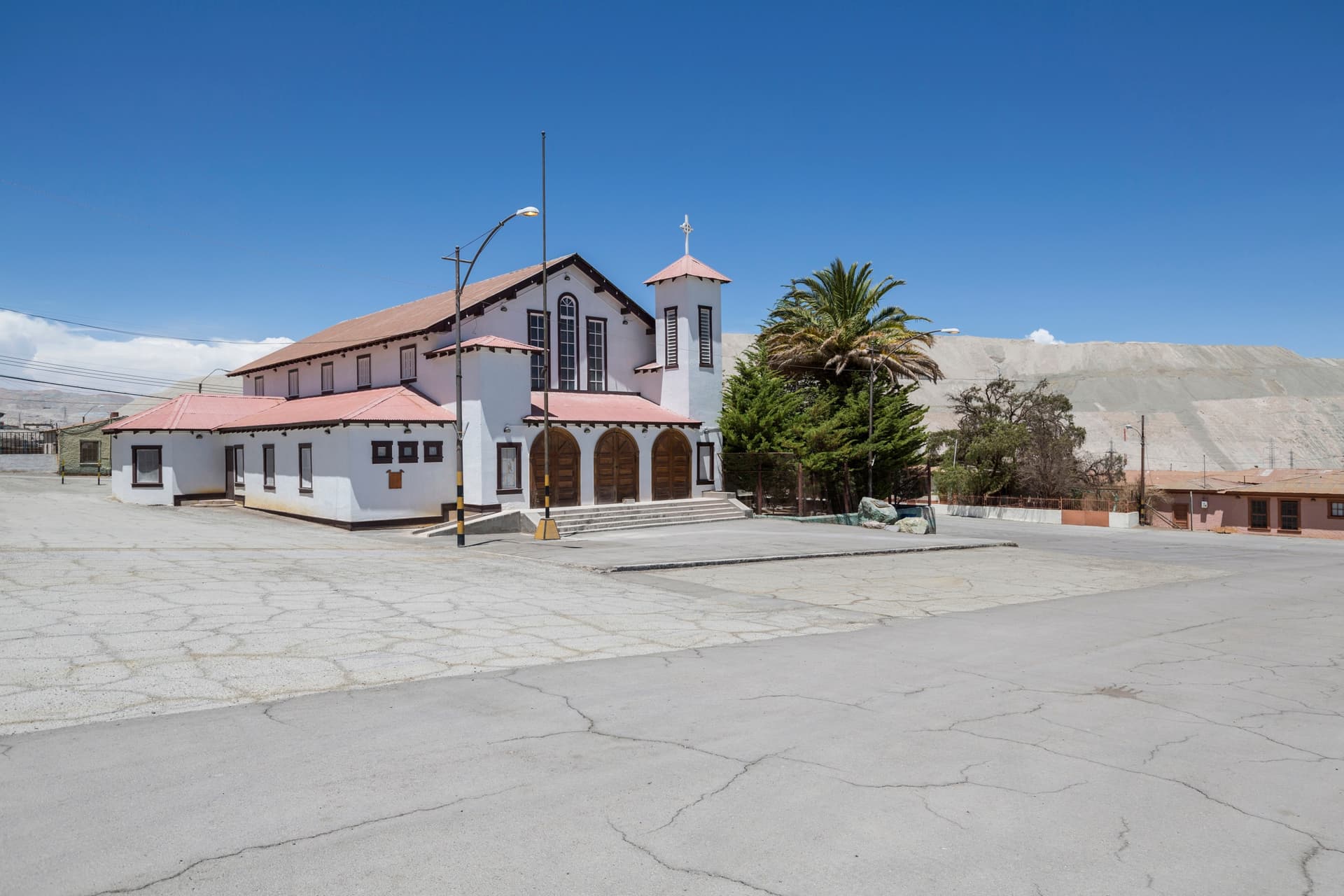
If you don't have time to see everything, skip the other attractions and head to the former Chuquicamata mining camp. Opened in 1915, the camp housed mine managers, American engineers and workers, but following an environmental scandal—arsenic levels that made the camp uninhabitable—it was forced to close permanently in September 2007. The site is brimming with historical memories.
Practical Information
When to Visit Calama?
It's hot and dry year-round, but temperature swings are stark: 35°C during the day and below 0°C by late evening. Travel advisors recommend the months of January and February for visiting Calama. Pack both warm and light clothing.
Getting to Calama from Europe is easy. As a capital city, Calama has an international airport: El Loa Airport, among the most important in Chile. Combis and taxis also offer transportation facilities.
Nearby Tourist Sites
Once you've finished exploring Calama, you're invited to explore the surroundings: San Pedro de Atacama, known for its giant sand dunes and home to the Chinchorro Museum, which houses wonderfully preserved mummies. Not far away, take the road to the Valley of the Moon or Valley of Death.
Want to discover this destination?
Our local advisors design your tailor-made trip.