Ayaviri
Ayaviri
Capital of Melgar Province, Ayaviri is an authentic stopover on the Puno-Cusco route: colonial architecture, hot springs, and the Peruvian altiplano.
Nestled in the mountains of southern Peru, less than 100 km from Juliaca, the small town of Ayaviri captivates with its colonial architecture. Here's an overview of the destination's highlights.
Ayaviri, the Charm of a Former Colonial Town in the Heart of the Andes
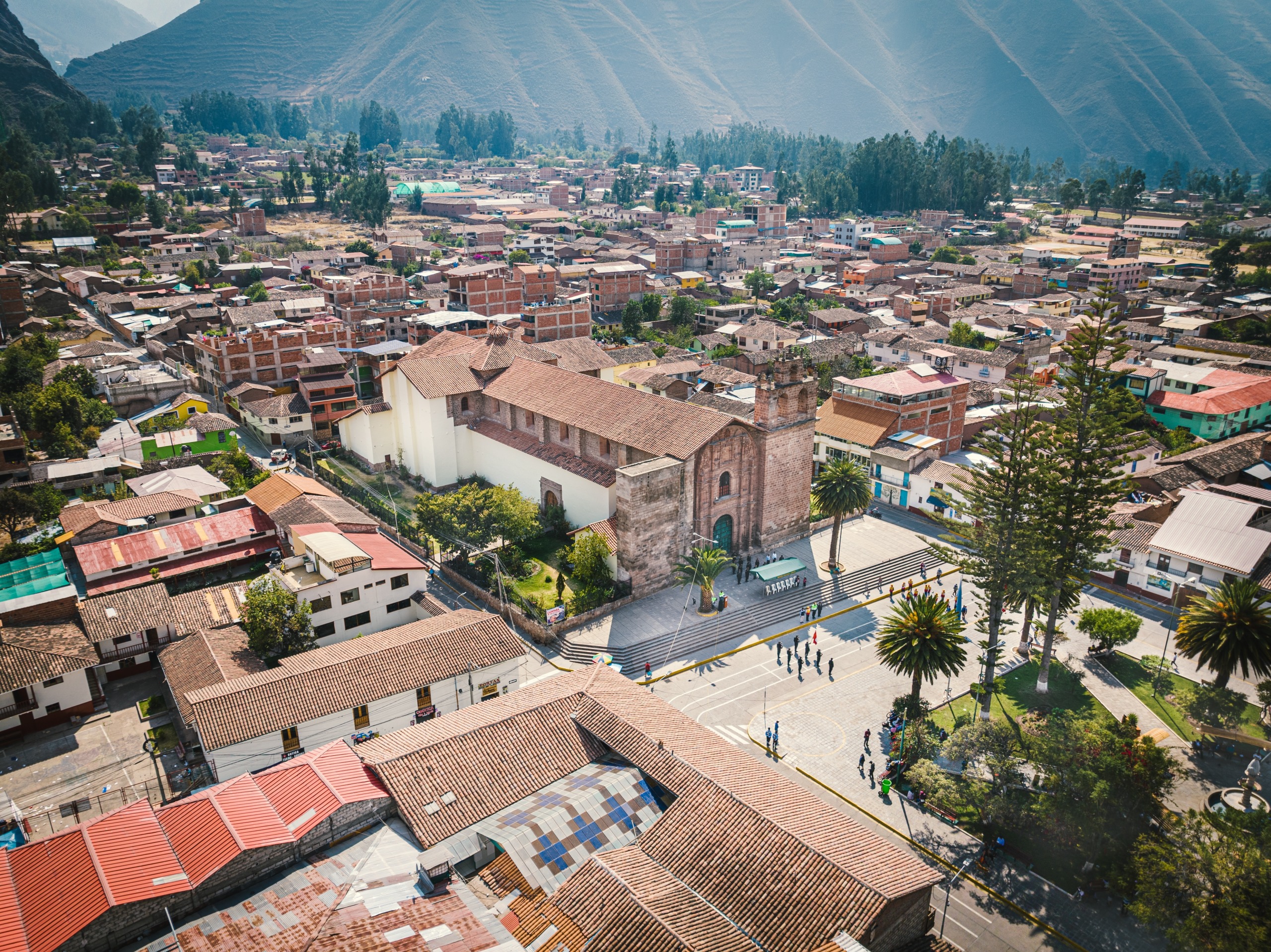
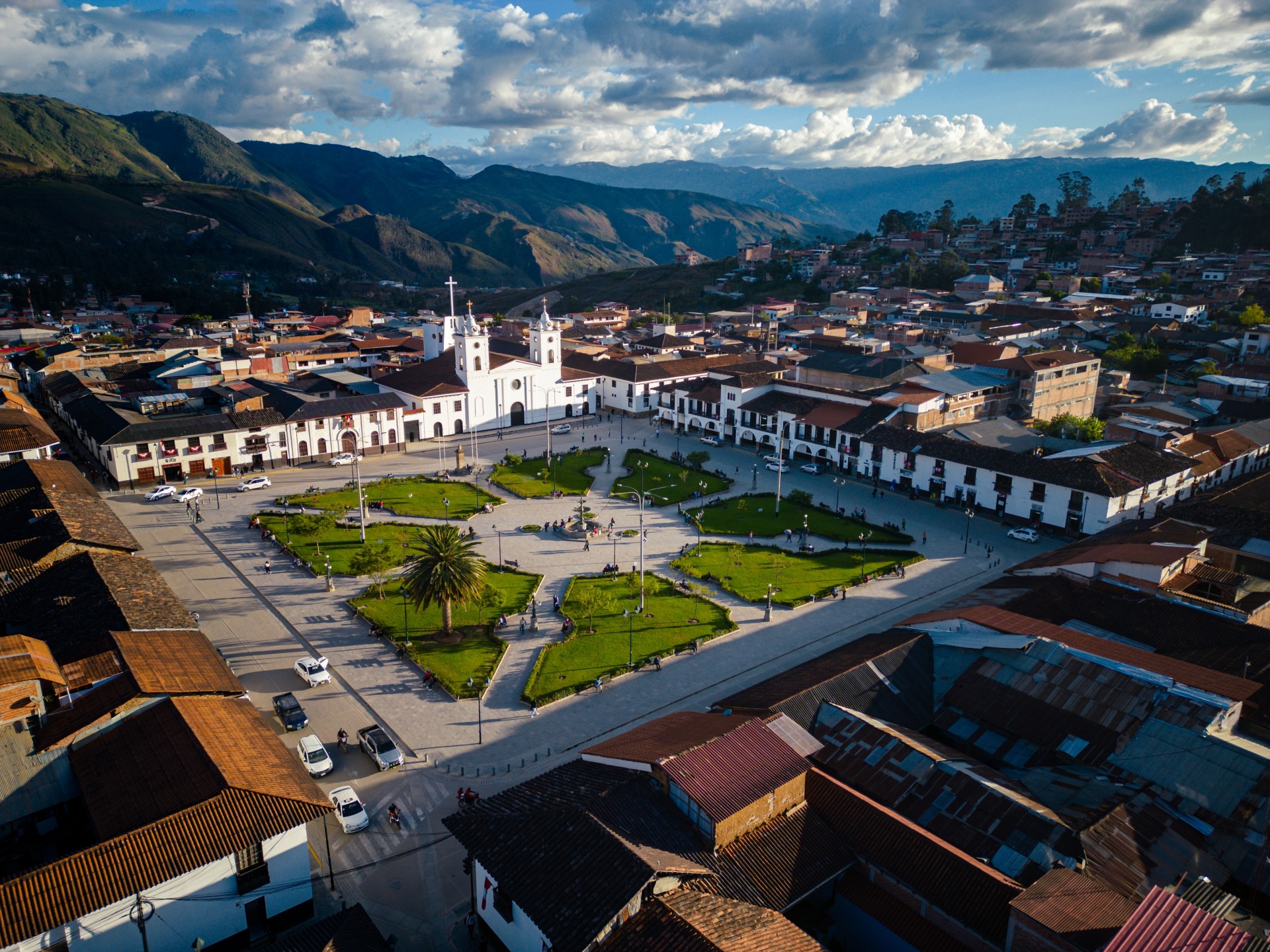
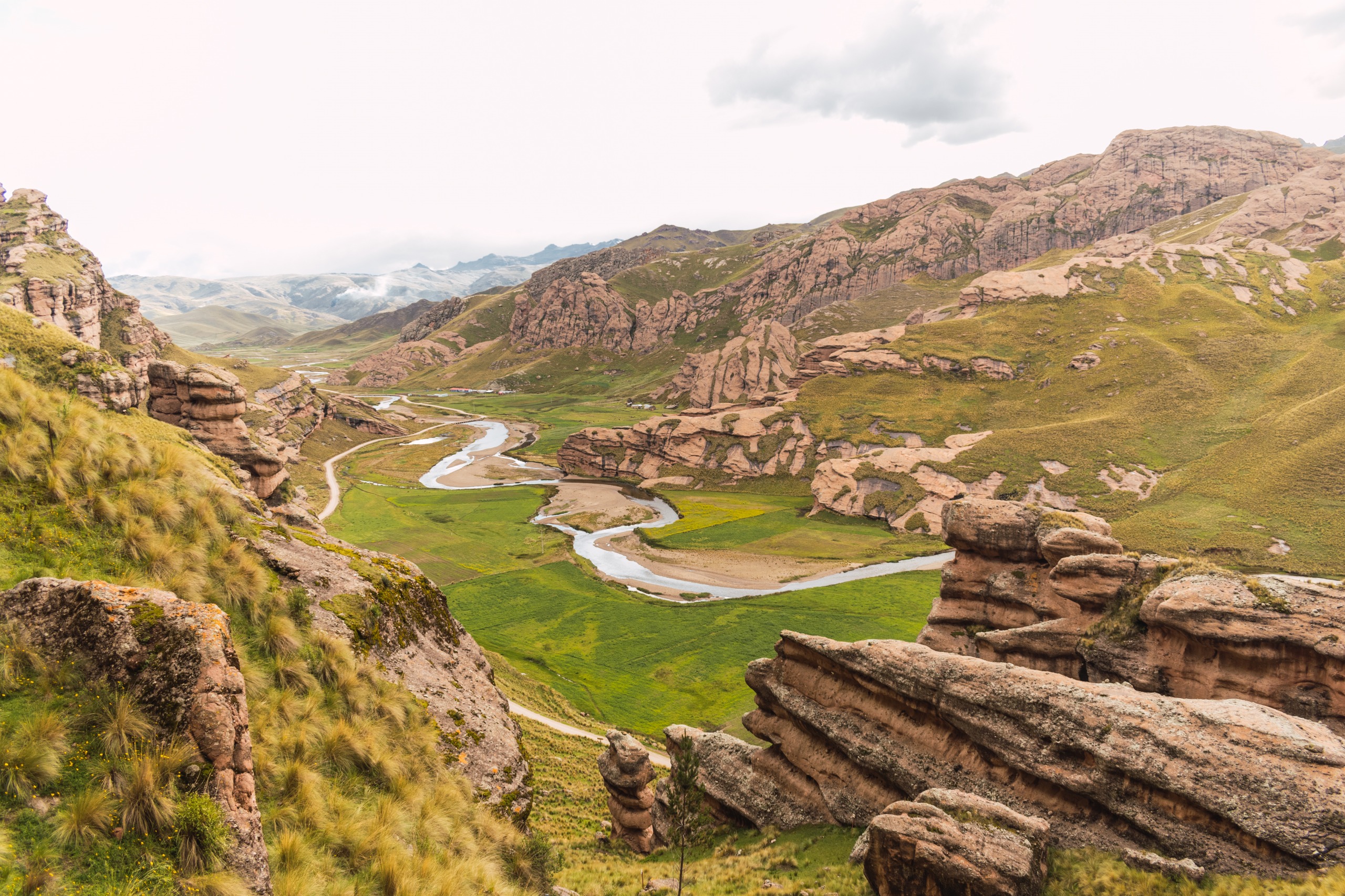
The village of Ayaviri is a charming stopover on the highway between Puno and Cusco, taking travelers into the heart of the high plateaus of southern Peru. Administratively, Ayaviri is the capital of Melgar Province. In practice, this resort town, untouched by modernity, has retained a picturesque and welcoming atmosphere. The only remarkable building testifying to the town's importance is the Cathedral of San Francisco de Asis, built on the main plaza. From Spanish colonization, the inhabitants inherited a vibrant Catholic faith, ritualized through cyclical festivals honoring the Church's patron saints. Here and there, farmhouses nestled in the altiplano prairies, herds of llamas and alpacas… A dip in the hot springs of P'oqpoq'ella is certainly worth considering to brighten your stay. On your next road trip through southern Peru, be sure to include Ayaviri on your itinerary.
A Look into the Past
The history of Ayaviri's settlement is well documented in literature. The town's earliest inhabitants were the Canas, a warlike tribe that colonized the region between 6,000 and 10,000 years ago. Inca domination during the second half of the 13th century was a hard-won victory. After a bloody struggle that caused numerous deaths and injuries on both sides, the Ayawiris were forced to surrender to Lloque Yupanqui (an Inca king from the Hurin dynasty who took control of Cusco). The chronicler Diego declared that "they suffered so terribly that they submitted to his service to escape total annihilation."
Ayaviri acquired great importance during the Inca period. A majestic temple to the sun stood on a ceremonial mountain. Lloque Yupanqui had a royal palace built within the city's walls. Its strategic location made Ayaviri a stopover for numerous Spanish conquistadors who had designs on neighboring districts, whether to invest in plantations or to exploit gold mines.
From 1821 to 1901, Ayaviri was incorporated into Lampa Province. Nine districts separated from Lampa to form an autonomous province: Melgar Province. Ayaviri was among these and was granted the status of capital.
The Modern Town
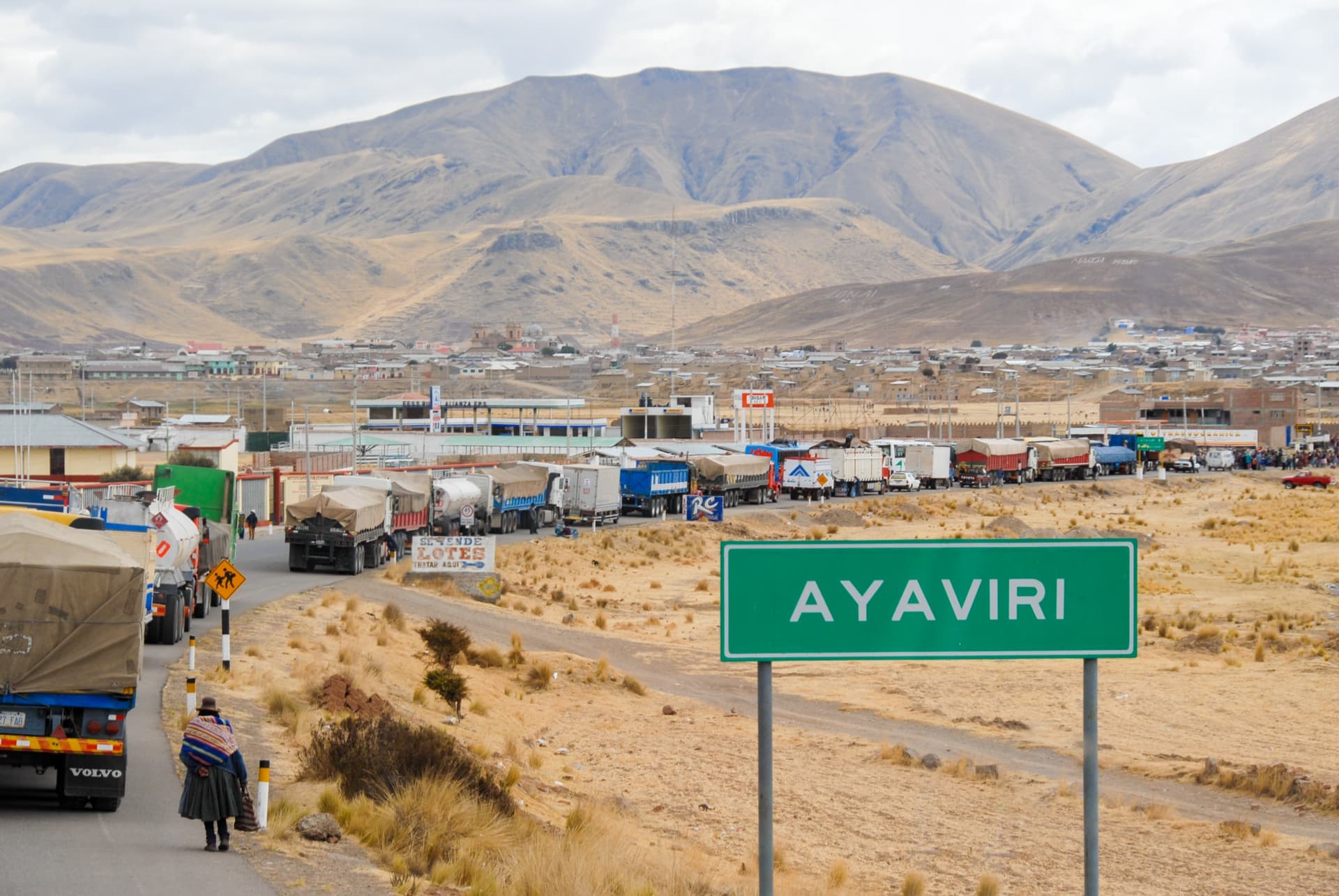
With a population of 27,000 inhabitants, Ayaviri is the capital and largest city of Melgar. The quality of its vernacular heritage is commendable. However, the town's tourism growth is hampered by cold, windy weather and difficult topography.
Must-See Attractions
The Cathedral of Saint Francis of Assisi
It's impossible to miss the Cathedral of Saint Francis of Assisi, which stands majestically over the Plaza de Armas. Built in the 17th century, this mother church of Ayaviri is a wonderful example of Spanish Baroque art.
Kolkeparque Hill
This sacred hill is a significant site of Inca civilization. Prayers and offerings are still made here today. Walking across the rocky outcrops, you'll come upon a hot spring called P'oqpoq'ella. Its waters maintain an average temperature of 33°C. Combine business with pleasure by enjoying a thermal treatment.
Ciudad de los Niños Park
Don't miss Ciudad de los Niños Park, a top-tier family attraction featuring countless animals on display. The species represented come from here and beyond.
Spanish Haciendas
While you're here, visit some of Ayaviri's Spanish haciendas, which have reopened as hotels, inns, or souvenir shops.
Local Specialty
Ayaviri has become famous for a gastronomic specialty: cancacho, which serves as the main course for villagers. It's a lamb dish spiced with red chili, brown beer, cumin, and other seasonings. Be sure to order it if you dine in local restaurants.
Ayaviri's Climate
The recommended travel period is December to April, when the Andean climate is less extreme. Given the significant temperature variations between day and evening, warm clothing is essential.
The village of Ayaviri is about a hundred kilometers north of Juliaca. By car, you'll arrive in about an hour and a half. For those choosing public transportation, combis (shared vans) make several round trips between Ayaviri and Juliaca.
In the Surrounding Area…
Once your stopover in Ayaviri is complete, continue on your journey and head to the village of Raqchi. Its pottery workshops are famous throughout the country. You'll also see the Huiracocha Sanctuary, an astounding remnant of the Inca empire.
Want to discover this destination?
Our local advisors design your tailor-made trip.