Anapia Archipelago
Anapia Archipelago
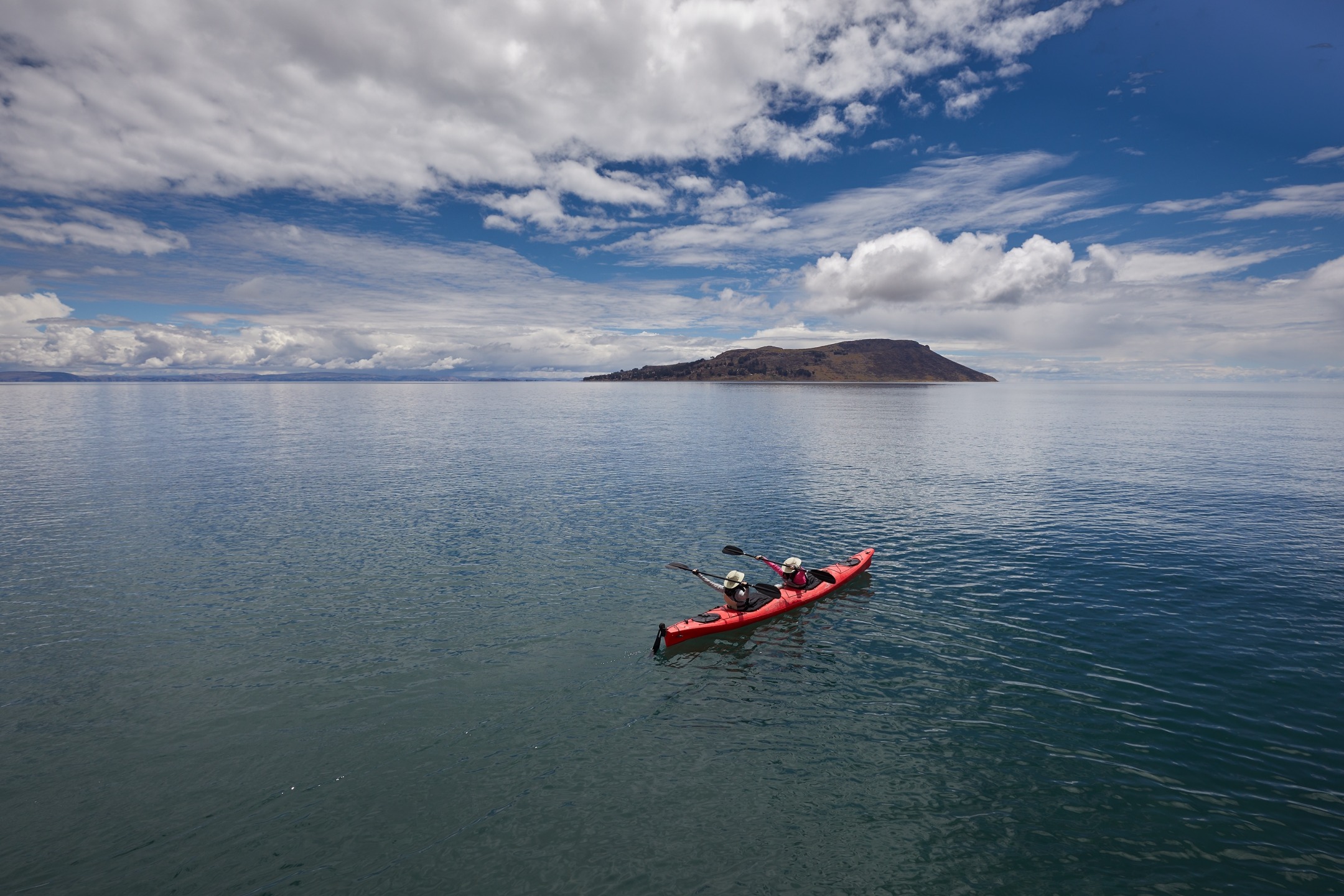
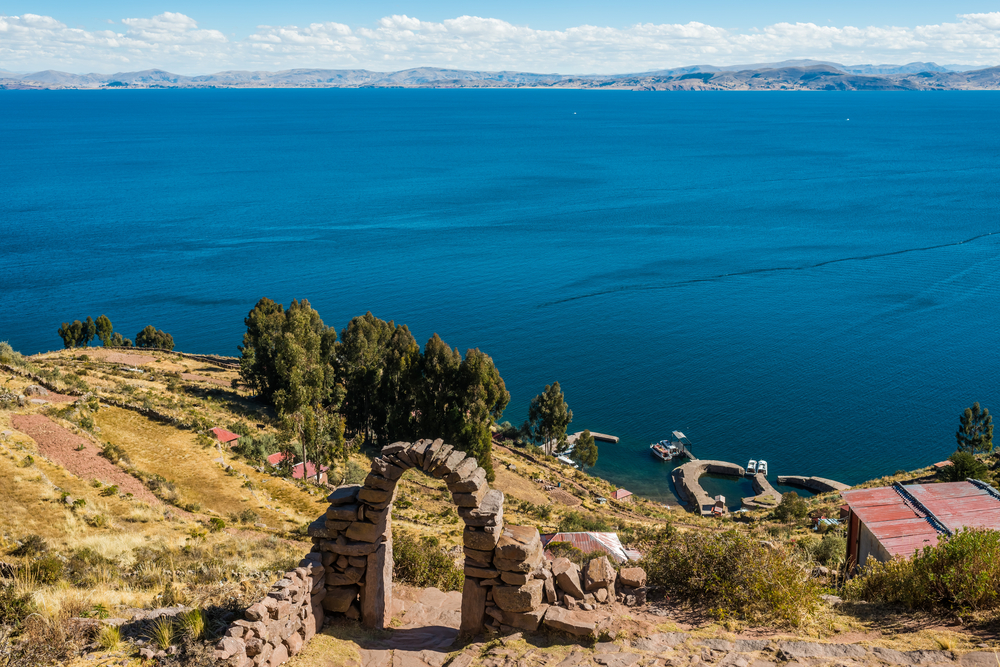
A trio of Aymara islands on Lake Wiñaymarca, the Anapia Archipelago champions community-based tourism: 20 guesthouses, free-roaming vicuñas, zero cars.
Just near the Bolivian border, Anapia Island lies cradled in the waters of Lake Wiñaymarca, a tributary of Lake Titicaca almost enclosed by a thin strip of land. It holds far greater authenticity compared to Uros, Taquile, or Amantani, where tourist numbers surge considerably. Here, the only sounds breaking the silence are birdsong and the tolling of the church bell. Visiting this sanctuary of peace is a way to reconnect with nature while immersing yourself in the culture and daily life of Andean communities committed to preserving their traditions over modernity. The villagers prefer playing music on folk instruments to listening to recorded tracks. Everyone moves at their own pace, embracing lifestyles tied to their farming and fishing practices. You can stay with local families—no more than 20 guesthouses exist here. No cars, yet everything works beautifully.
Must-Sees in Anapia and Its Surroundings
The Huatia
Before reaching the island, visitors pass through the hands of the boatmen's committee, who take turns ferrying guests. A stop on Yuspique Island, home to herds of alpacas, is included, and a huatia awaits you there. This is a traditional meal made with potatoes cooked lakeside in an earthen oven for several hours. You can also savor fresh lake fish prepared with local aromatic herbs. These authentic dishes are served on a stone table draped with Lliklla, a hand-woven colorful fabric.
Local Agriculture
Still on Yuspique Island, which is already part of the Anapia Archipelago, you'll be invited to admire the community's hundreds of vicuñas. Local livestock raising stands out for its natural breeding practices. Rotational crops of beans, potatoes, and barley employ systems that maintain soil fertility and richness rather than depleting it. In this upper zone of Yuspique, you'll enjoy a vantage point where pre-Incan farmers once observed the stars to organize agricultural activities. You have the chance to participate in daily tasks such as fishing, planting, and herding.
The Basilica of Our Lady of Copacabana
A sumptuous 17th-century edifice, this basilica houses an incredible collection of European art. In the center of an enclosed courtyard, let yourself be captivated by its Moorish-style white walls. Marvel at the beauty of its columns, domes, and decorative ceramic tiles adorning its façade and chapels. The cathedral doors feature fascinating sculptures of saints and intricate carvings. An imposing statue of the city's patron saint dominates a magnificent altar: Our Lady of Copacabana. Explore the small cathedral museum displaying religious paintings and remarkable artworks. You'll also find a collection of origami cranes. This religious site sits just a ten-minute walk from Copacabana's port, worthy of a boat excursion.
Cerro Calvario
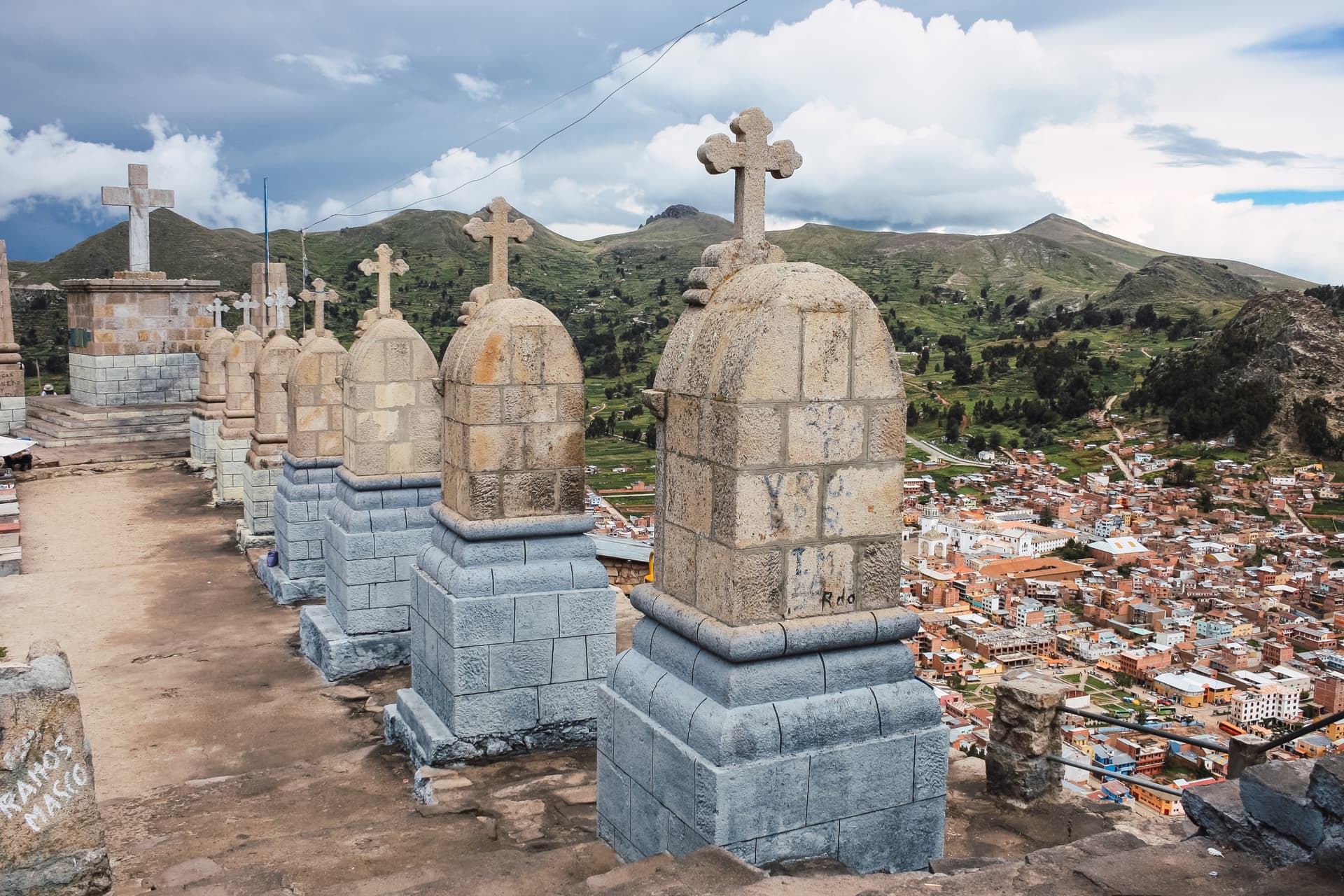
This hillside offers an ideal vantage point to contemplate the magnificent Lake Titicaca and witness one of Latin America's most stunning sunsets. Located on the outskirts of Copacabana, to the northwest of the city, reaching its peak requires a short rocky trail marked by several calvaries representing the Stations of the Cross. Along the way, you'll find vendors offering crafts and snacks. Beyond the magnificent panorama of Copacabana and Lake Titicaca, you can see in the distance the Island of the Sun and the Island of the Moon.
Occasionally, you may witness local religious figures performing ancient divination rites. They burn incense and drop lead into bowls of boiling water. A major destination for pilgrims and tourists alike, Cerro Calvario sits approximately 10 minutes from Copacabana's town center.
Hiking from Anapia's Ridge
This hike allows you to explore Lake Lhurs and its cabins. This lake is nestled in a mineral cirque with the jagged zone of Ansabère at its base. You begin from the village center, heading west along the road. Leave the post office to your left and continue on this path following the "Borde d'Anapia" signs. For this activity, you'll need: rain protection gear, sturdy hiking boots with grip, a walking pole, trail map, GPS, route description, camera, light snacks, and water. Be cautious and prepared throughout the hike. Should you encounter Pyrenean livestock guardian dogs often watching over flocks, it's best to give them a wide berth to avoid trouble.
The Fertility Temple of Chucuito
Your guide may suggest a boat excursion around Chucuito, offering a chance to visit this unusual fertility temple. Here you'll observe statues shaped like phalluses, some reaching approximately 1.20 meters in height. According to local lore, village women visit these sculptures hoping to conceive children. Take the opportunity to admire two small colonial churches on the main plaza.
Climate
The Anapia Archipelago experiences a tundra climate according to the Köppen-Geiger classification. Throughout the year, it maintains an average temperature of 7.4°C. Annual precipitation averages approximately 575.8 mm.
To reach Anapia, start by heading to Puno.
If departing from Lima, a direct flight to Juliaca Airport, the closest airport to Puno, takes 1 hour 40 minutes, while flights with stops in Arequipa and Cusco last 2 hours 40 minutes. By road, the total distance is 1,315 km (Lima–Arequipa–Juliaca–Puno), which can take nearly 18 hours.
From Puno, you'll find a bus or taxi to take you to Punta Hermosa, where you board a private boat bound for Anapia.
Want to discover this destination?
Our local advisors design your tailor-made trip.