Yucay
Yucay
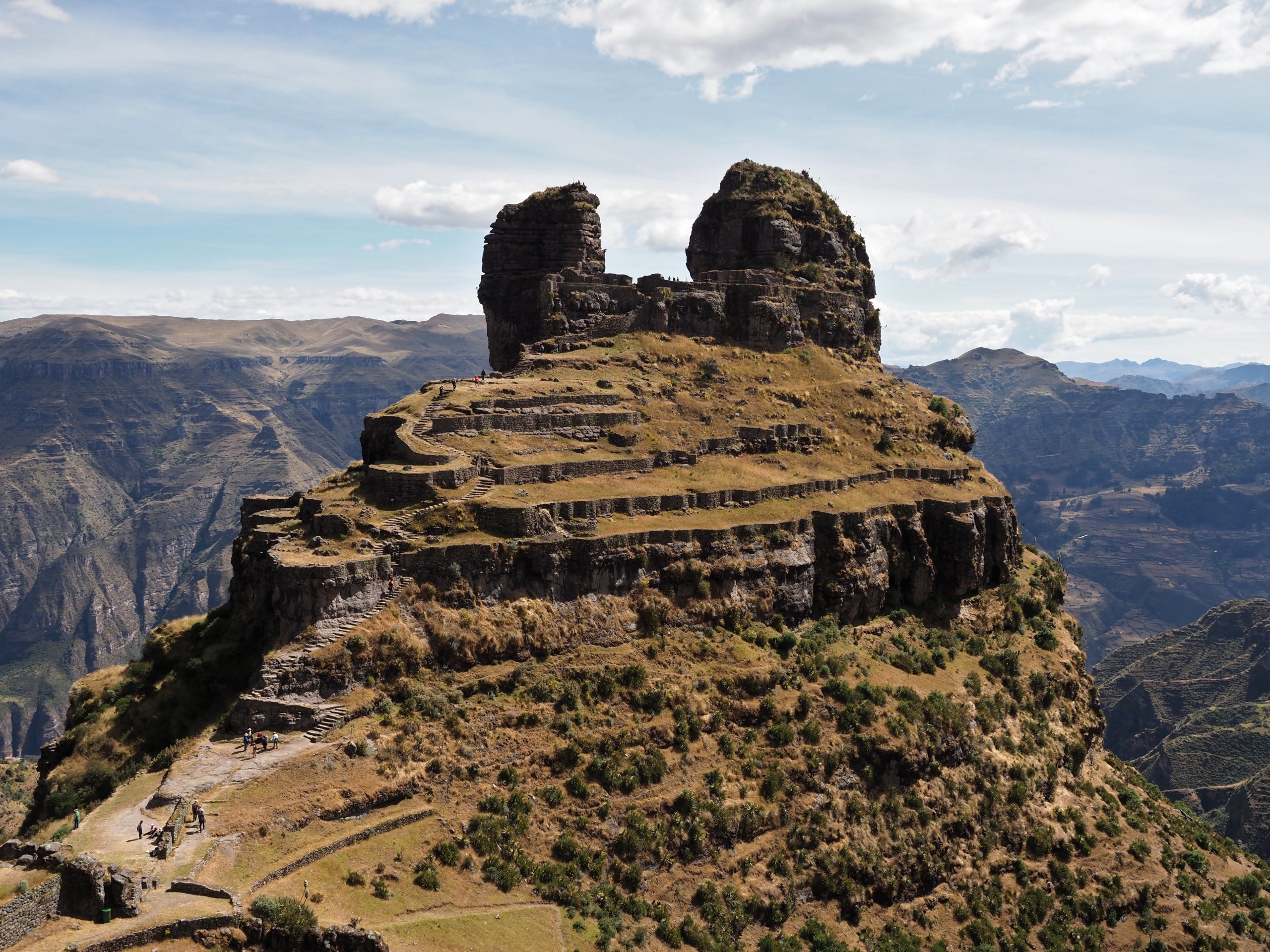
Former capital of the Incas' Sacred Valley, Yucay is a small rural village that preserves palaces, terraces and Incan remains 4 km from Urubamba, in the Cusco region.
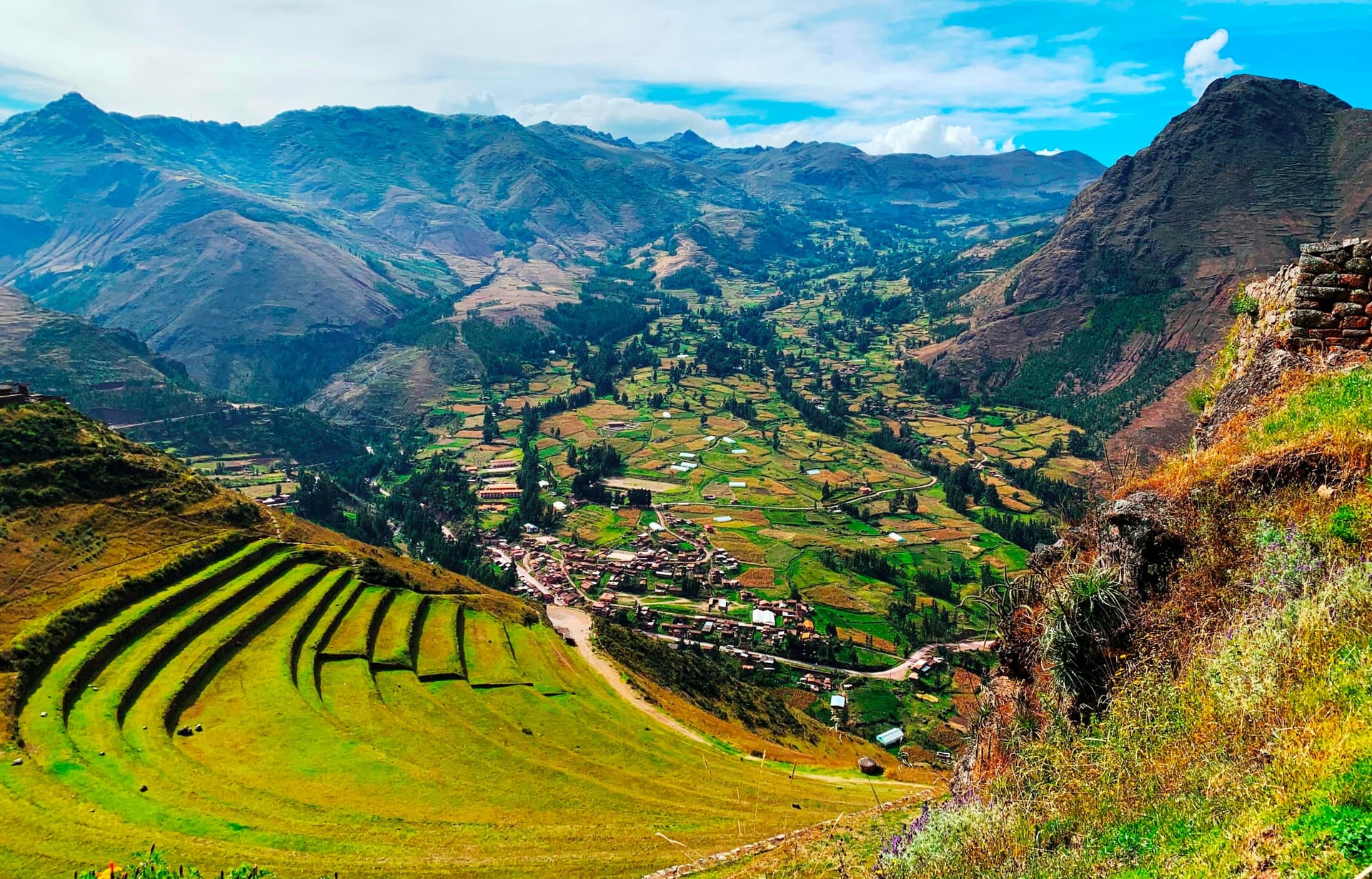
Former capital of the Incas' Sacred Valley, Yucay is a small rural district in the Urubamba province, in the Cusco region. The town bears traces of its imperial past: palaces, agricultural terraces and Incan irrigation systems blend with colonial architecture inherited from Spanish colonial rule.
Why visit Yucay
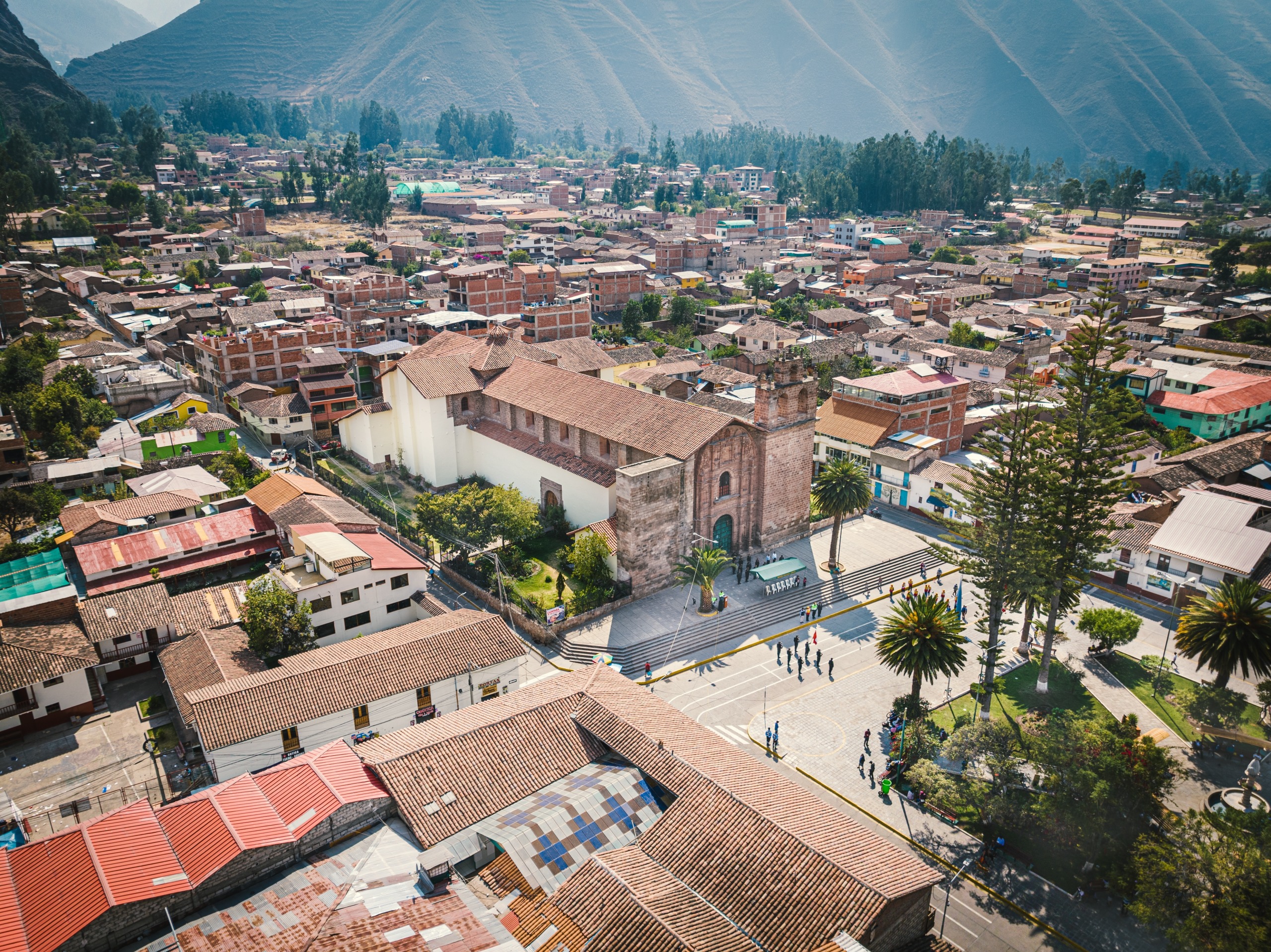
Yucay offers a peaceful alternative to the busier sites of the Sacred Valley. The village has a few streets, a large grassy plaza at its centre and a population engaged mainly in agriculture. The atmosphere is rural, tourist flows are limited, and Incan remains are woven into village life rather than locked away in museums. It's also a convenient starting point for hikes in the surrounding highlands and for exploring other sites throughout the valley.
History of Yucay
Yucay was founded as a royal estate by Huayna Capac, one of the last great Incan emperors before the Spanish arrived. He built his palace here, along with a vast irrigation system and agricultural terraces whose structures remain visible today.
In the 16th century, during the Spanish invasion, Manco Inca defended Yucay against the Conquistadors. His successor Sayri Tupac eventually negotiated a pact with the Spanish: he received lands in the valley and built his own palace there. The colonists then established an encomienda that exploited agricultural resources throughout Peru's colonial period.
The district of Yucay as it exists today was officially established in 1905, within the province of Urubamba.
What to see in Yucay
The Palace of Sayri Tupac
The village's main archaeological site, the palace preserves remarkably well-preserved murals. You can observe structures that evoke a lunar calendar, as well as a pre-Hispanic ceramic kiln. A visit takes just a few dozen minutes.
The Antibamba Gateway
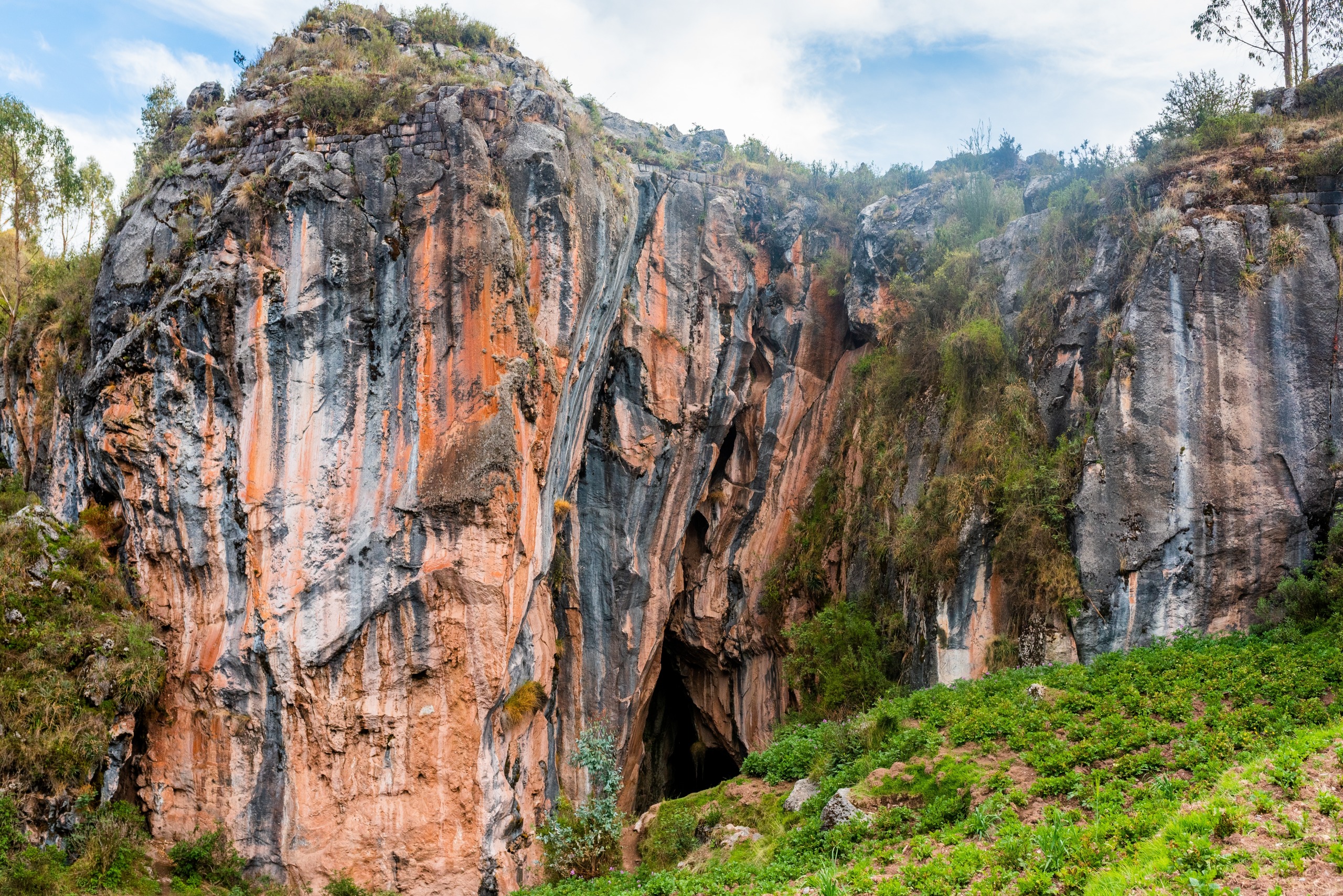
Nearby, the Antibamba gateway houses a mythological stone carving. According to Incan cosmology, its patterns represent the three worlds: the Kay Pacha (world of the living), the Uku Pacha (world of the dead) and the Hanan Pacha (world of the gods). A hollow carved into the stone allows visitors to place their hand there, a ritual gesture inherited from Andean tradition.
The Pacaypata Terraces
According to archaeologists, agricultural terraces once covered nearly 75% of the old town. The most impressive, Pacaypata, stretches 100 metres long and 5 metres high, with side staircases for access. It is one of the largest structures of its kind in the Cusco region.
Hikes around the village
Several routes depart from the centre. An easy walk leads to Incan walls crossing cultivated fields and Andean hamlets. For more experienced hikers, the ascent of San Juan, which overlooks the village, takes up to 4 hours and requires a guide.
Practical Information
- Plan for a half-day to visit the village's main sites.
- Bring a hat, sunscreen and long-sleeved clothing: the temperature difference between day and night is significant.
- A poncho or waterproof jacket is useful during the rainy season.
- For altitude sickness, drink plenty of water or coca leaf tea, traditionally used in the Andes.
- A local guide is required for the ascent of San Juan.
When to go
Annual temperatures range between 6 and 23 °C. Yucay experiences two seasons:
- Dry season (May to October): ideal conditions for hiking and visiting archaeological sites, with generally clear skies.
- Rainy season (November to April): abundant rainfall, greener landscapes but sometimes slippery trails.
How to get there
Yucay is just 4 km from Urubamba. From Cusco, take a bus heading to Urubamba (departing from Pavitos Street, in the city centre), then continue by shared minibus to Yucay (modest fare). From Urubamba itself, the distance is short enough to walk or cycle, allowing you to enjoy the valley's scenery.
Nearby
Yucay is part of a network of Incan and colonial sites that dot the Sacred Valley and its surroundings:
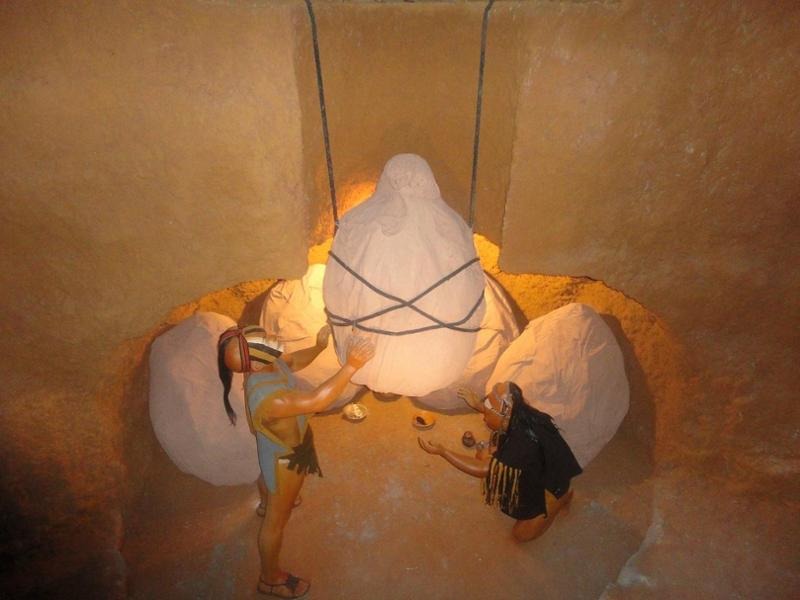
- Inkariy Museum: a museum journey through Peru's pre-Hispanic civilizations.
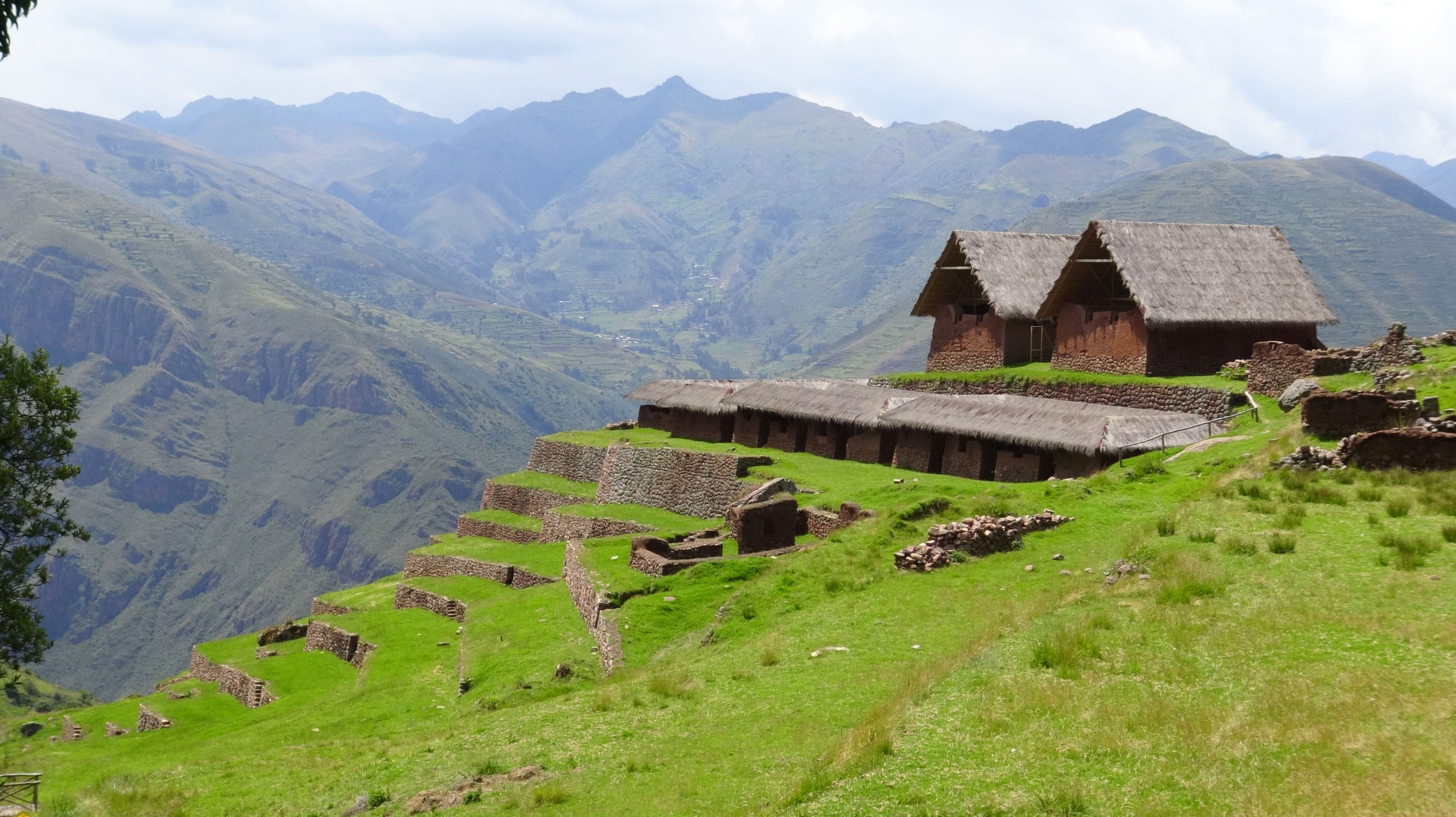
- Huchuy Qosqo: an Incan archaeological site perched at high altitude, accessible by hiking.
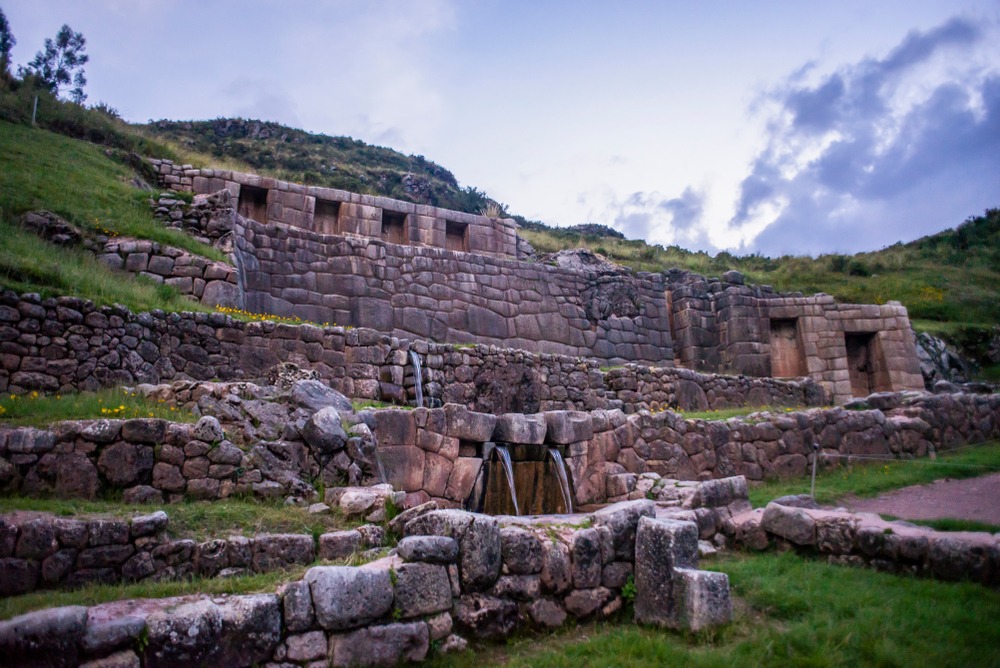
- Tambomachay: a complex of Incan ritual baths near Cusco.
- Cusco Planetarium: to understand Incan astronomy, complementing a visit to the lunar calendar of Sayri Tupac.
Frequently Asked Questions
Frequently asked questions
A half-day is enough to see the Palace of Sayri Tupac, the Antibamba Gateway and the Pacaypata Terraces. Plan a full day if you add a hike to the highlands.
Not for the village and main sites, which can be visited freely. However, the ascent of San Juan requires a local guide.
Yucay sits at a lower altitude than Cusco, making it often a more comfortable stop for acclimatisation. Hydration and coca leaf tea remain recommended.
The dry season, from May to October, offers the best conditions for hiking and visiting outdoor sites.
The two towns are just 4 km apart. You can take a shared minibus, a taxi, or walk or cycle the distance.
Include Yucay in your trip
Yucay fits naturally into an itinerary in the Sacred Valley, between Cusco, Urubamba and Machu Picchu. To plan a bespoke journey that includes this village and other Incan sites in the region, consult our Peru trips.
Nearby
Interested in this visit?
We can include it in your personalised itinerary.