Temple of the Moon
Temple of the Moon
An Inca sanctuary nestled within a cave on the slopes of Huayna Picchu, accessible via a demanding trail from Machu Picchu and a dedicated combined ticket.
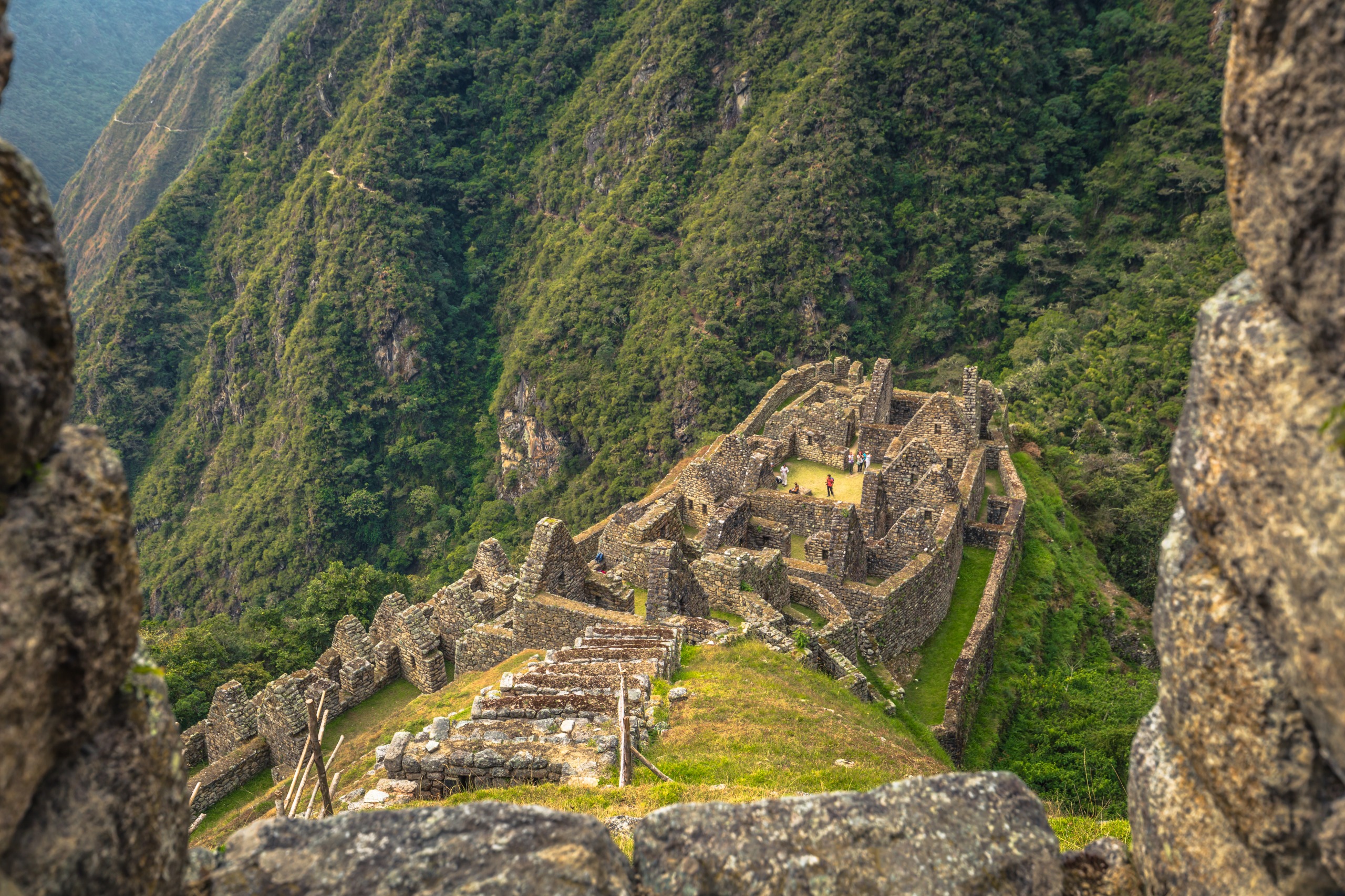
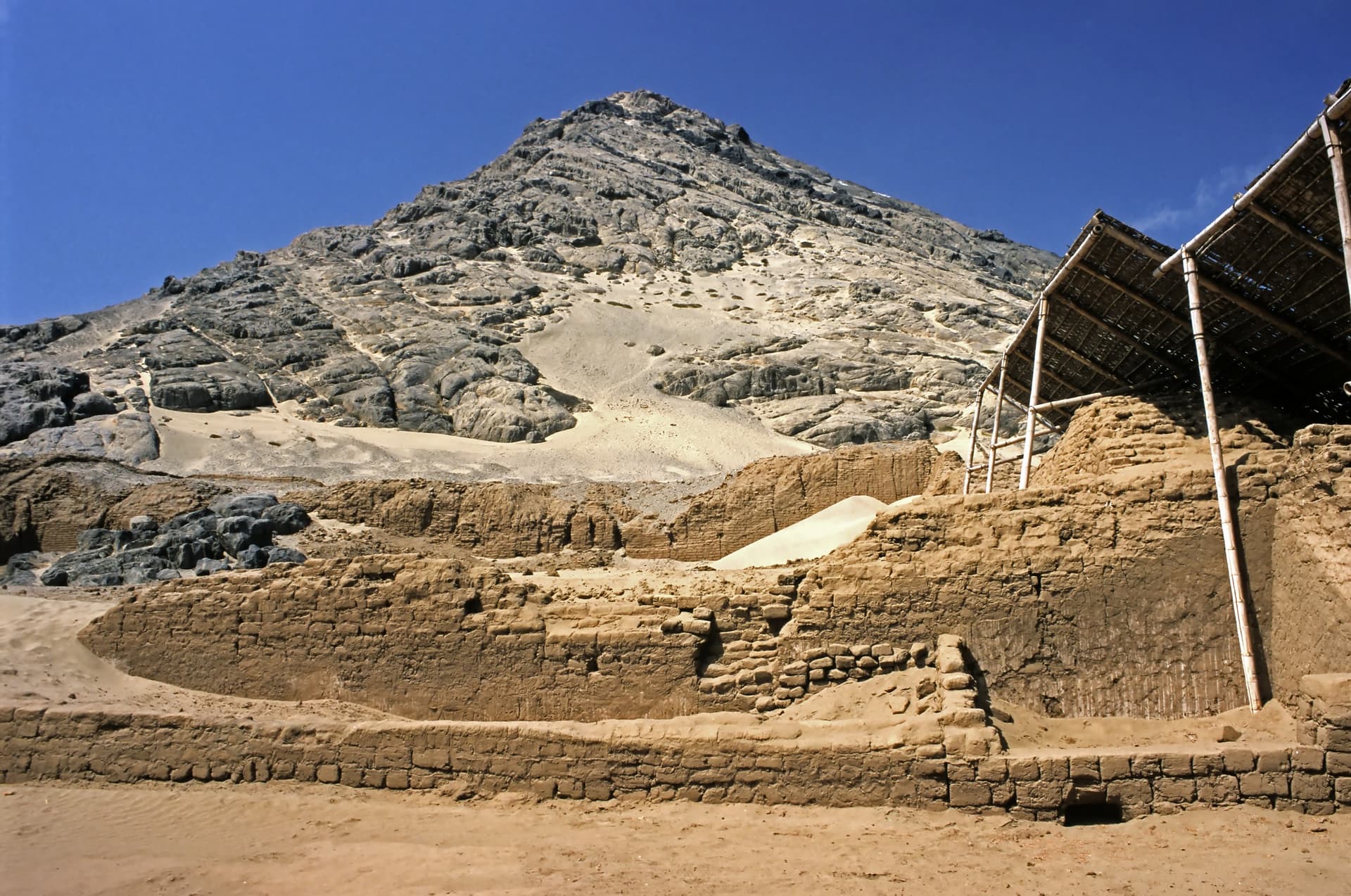
The Temple of the Moon is an Inca ceremonial site carved into a natural cave on the northern slopes of Huayna Picchu, in the immediate vicinity of Machu Picchu. Less frequented than the nearby citadel, it blends rock-cut architecture, Andean cosmology, and a challenging access trail. Another site bearing this name exists in Pérou near Cusco; this guide concerns the one on Huayna Picchu.
Why visit the Temple of the Moon
Three main reasons justify the detour. First, the architecture: the temple showcases some of the finest Inca stonework integrated into a natural shelter, featuring trapezoidal niches and false doorways carved directly into the rock face. Next, the crowds: very few visitors venture onto the trail, a stark contrast to the bustle of Machu Picchu. Finally, its symbolic dimension: the cave bears animal carvings linked to Andean cosmology, set within dense forest.
The site appeals to hikers in good physical condition with an interest in Inca archaeology beyond the most visited sites.
History of the site
The Temple of the Moon may have been occupied long before the Incas. Several researchers attribute its foundations to the Killke culture, a pre-Inca civilization of the Cusco valley active between the 9th and 13th centuries. Rather than demolishing existing Killke structures, the Incas adapted them to their own architectural standards: careful stonework, trapezoidal niches, and integration with natural rock formations.
Its isolation on the northern slope of Huayna Picchu afforded it relative protection during the Spanish conquest, unlike many sanctuaries in the Cusco region. It remained largely off the beaten tourist path until recently.
What to see on site
The overhanging cave
The heart of the site occupies a rock shelter whose walls bear carvings representing the three sacred animals of the Andes: the serpent, the puma, and the condor. These figures correspond to the three planes of the Inca universe:
- Hanan Pacha: the upper world, the sky, associated with the condor.
- Kay Pacha: the physical world, the earth, associated with the puma.
- Ukju Pacha: the underworld, associated with the serpent.
The main temple
A monumental doorway marks the entrance to the sacred space. Inside, trapezoidal niches and false doorways carved into the stone punctuate the walls. This architectural vocabulary is characteristic of first-order Inca sanctuaries.
The inner altar
At the back of the cave, a stone table sits beneath a natural opening that allows light to filter through at certain hours. Archaeologists interpret this as a device linked to lunar and fertility rituals, a hypothesis consistent with the site's name.
Practical information
Access to the Temple of the Moon requires a combined Machu Picchu + Huayna Picchu / Temple of the Moon ticket, which must be reserved in advance as daily quotas are limited. Opening conditions may vary by season and trail conditions; verify availability at the time of booking.
- Level: experienced hiker, significant elevation gain.
- Total round-trip duration: allow approximately 1 hour 30 minutes of hiking each way, plus time for the visit.
- Equipment: grippy hiking boots, water, rain gear depending on the season.
- Important: the trail does not continue toward Huayna Picchu or Huchuy Picchu after the visit; you must retrace your steps.
How to get there
The trailhead is located on the Huayna Picchu path, accessible from within the Machu Picchu complex. After the initial switchbacks, a marked detour leads to the Temple of the Moon. The descent is made via stone steps interspersed with wooden staircases in the steepest sections.
To reach Machu Picchu itself, factor in travel from Aguas Calientes (Machu Picchu Pueblo), reachable by train from Cusco or Ollantaytambo, then by shuttle or on foot to the site entrance.
What to see in the region
The Cusco region and the Sacred Valley are home to several major sites to combine with a Machu Picchu visit:
- Tambomachay, an Inca water sanctuary near Cusco.
- Yucay, a colonial village in the Sacred Valley.
- Cusco Planetarium, to deepen your understanding of Andean astronomy as evoked at the Temple of the Moon.
- Vinicunca, the rainbow mountain, a day trip from Cusco.
Frequently asked questions
Frequently asked questions
There are two. The first sits on the slopes of Huayna Picchu, near Machu Picchu, and is the subject of this guide. The second is located in the San Blas sector, near Cusco, and is a separate site. Make sure you verify which one matches your itinerary.
Yes. A combined Machu Picchu + Huayna Picchu / Temple of the Moon ticket is mandatory and separate from the standard ticket. Since daily quotas are limited, booking several weeks in advance is recommended.
The trail is demanding: steep slopes, stone steps, and sheer passages secured by wooden staircases. Allow approximately 1 hour 30 minutes of hiking to reach the temple, plus the return journey on the same route. Good physical fitness is necessary.
The trail to the Temple of the Moon does not allow you to continue to the summit of Huayna Picchu or to Huchuy Picchu. You must return to the starting point via the same route.
The foundations are attributed to the Killke culture, which predates the Incas, dating between the 9th and 13th centuries. The Incas subsequently adapted and enriched the existing structures according to their own architectural principles.
Extend your journey
The Temple of the Moon fits into a broader itinerary around the Sacred Valley and Machu Picchu. To build a coherent trip, explore our trips to Pérou and their variations including Cusco, Machu Picchu, and the Puno region.
Interested in this visit?
We can include it in your personalised itinerary.