Q'enko (Qenqo)
Q'enko (Qenqo)
6 km from Cusco, Q'enko is an Inca sanctuary sculpted into a limestone outcrop: zigzag ritual channels, an underground chamber, and a solar observatory.
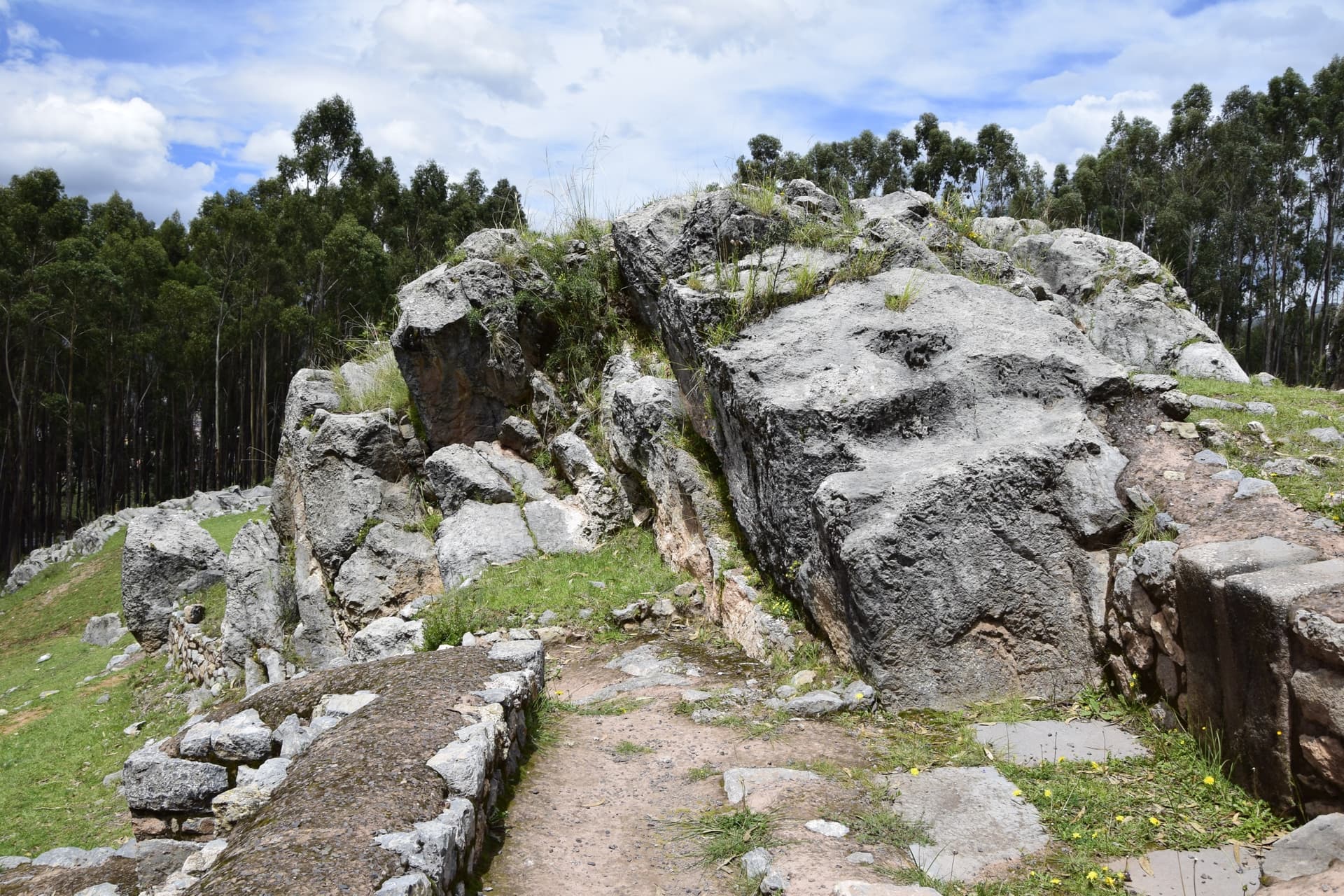
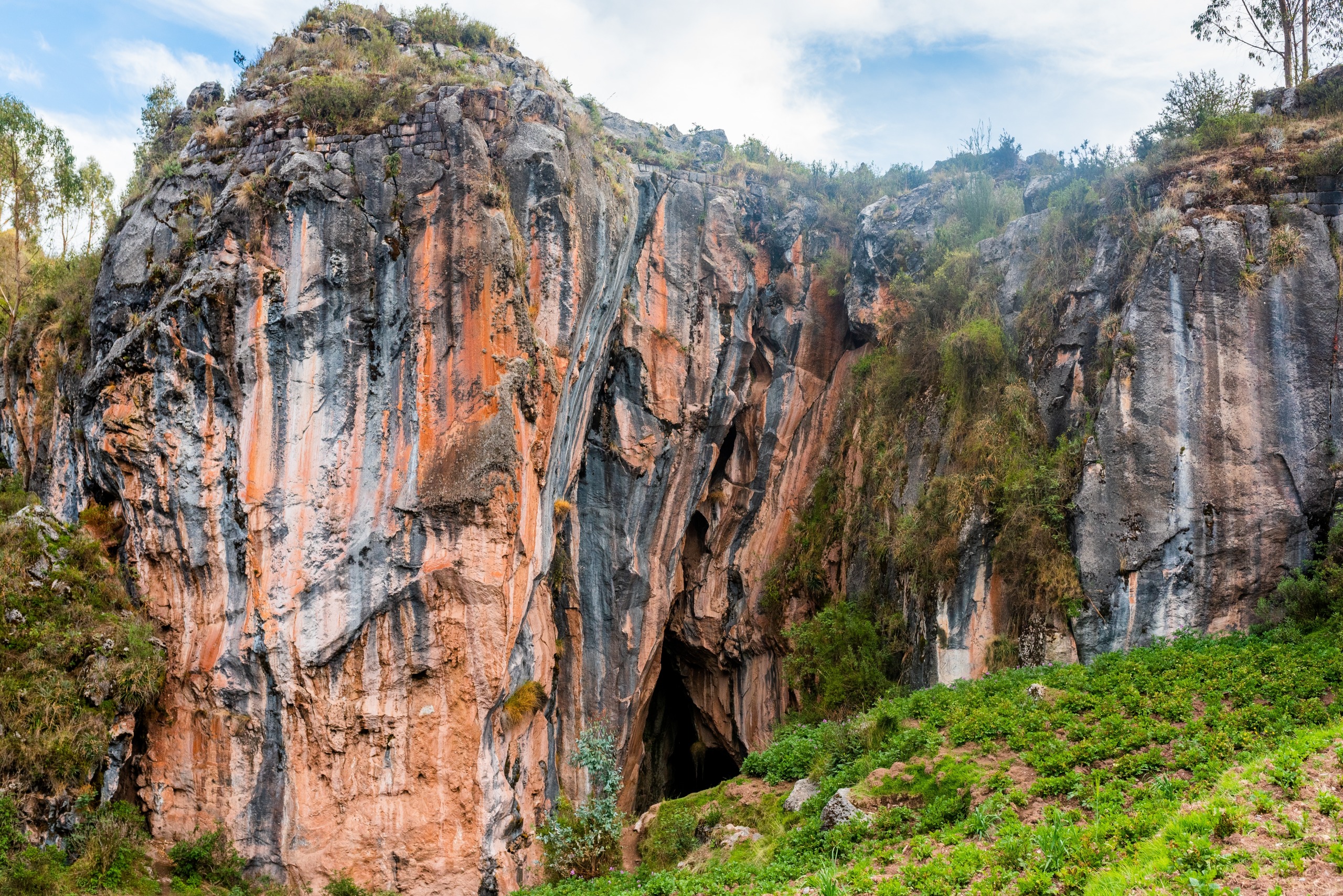
Q'enko, also spelled Qenqo, Kenko or Q'inqu, is an Inca rock sanctuary carved into a limestone outcrop approximately 6 km northeast of Cusco. The name means "labyrinth" or "zigzag" in Quechua, referring to the sinuous channels engraved in the stone. The site is part of the Sacsayhuamán Archaeological Park, which is itself included within Cusco's UNESCO World Heritage perimeter, inscribed since 1983.
Why visit Q'enko
Unlike Machu Picchu or Sacsayhuamán, Q'enko is not visited for its massive stone walls. The site's appeal lies in its direct relationship between rock and ritual: the Incas did not build here, they sculpted the mountain. Zigzag channels, carved niches, an underground chamber, a stone table, an astronomical observatory—each element was extracted from the same limestone block. The site can be explored in about an hour and perfectly complements a day dedicated to the sanctuaries in Cusco's highlands.
History of the sanctuary
Q'enko was developed at the height of the Inca Empire, probably during the reign of Pachacutec in the 15th century. It was a major ceremonial site where libations, divinations, and rituals linked to the agricultural calendar took place. A frequently cited scholarly hypothesis suggests that this sanctuary was dedicated to Kaypacha, a serpent deity associated with fertility and the renewal of life.
Following Spanish conquest in the 16th century, Q'enko was partially dismantled. The conquistadors reused some of the stones for their own colonial buildings in Cusco, and the site was subsequently abandoned and plundered by treasure hunters. Much of the surface structure disappeared in this way, but the central rock and underground elements survived.
What to see on the site
Q'enko is divided into two sectors: Hatun Q'enqo (Great Q'enko), the main and best-preserved section, and Uchuy Q'enqo (Little Q'enko, or Q'enko Chico), located a few hundred meters away and much more eroded. The main rock formation measures approximately 55 meters long by 30 meters wide.
The amphitheater and central stone
The amphitheater is a semicircular terrace about 55 meters in diameter, lined with 19 niches carved into the rock. These niches likely housed idols or offerings—corn chicha, coca leaves, precious objects. At the center stands a stone block 6 meters high, set on a rectangular pedestal, possibly a ceremonial seat for the Inca or priests presiding over rituals.
The passages and underground chamber
Beneath the rock, narrow galleries lead to a chamber entirely sculptured from stone: floor, ceiling, walls, niches, and table were all extracted from the same block. The walls bear representations of the three sacred animals of the Inca pantheon: the serpent (underworld), the puma (earthly world), and the condor (celestial world). The stone table, called the "sacrificial table," likely served for animal offerings, particularly llamas. Some historians have proposed the hypothesis of human sacrifice, but this remains debated. Similarly, the idea that these passages were used to mummify Inca dignitaries is not formally proven.
The zigzag channel
Engraved in the upper part of the rock, this channel gives the site its name. It begins at a small opening, descends in a zigzag pattern, then branches; one branch directs the liquid toward the interior chamber. Researchers see this as a divination device through libation: depending on the path taken by chicha (corn beer) or animal blood, priests would derive omens.
The Intihuatana and Q'enko Puma
The site also includes an Intihuatana ("place where the sun is tied") recognizable by two finely polished cylinders. This astronomical observatory allowed the hamautás, Inca scholars, to establish the seasonal calendar and identify solstices and equinoxes. Nearby, the stone known as Q'enko Puma is carved in such a way that it projects the shadow of a puma at sunrise on June 24. This shadow marks the southern winter solstice and announces the Inti Raymi festival in Cusco.
Cusilluchayoc and the eucalyptus forest
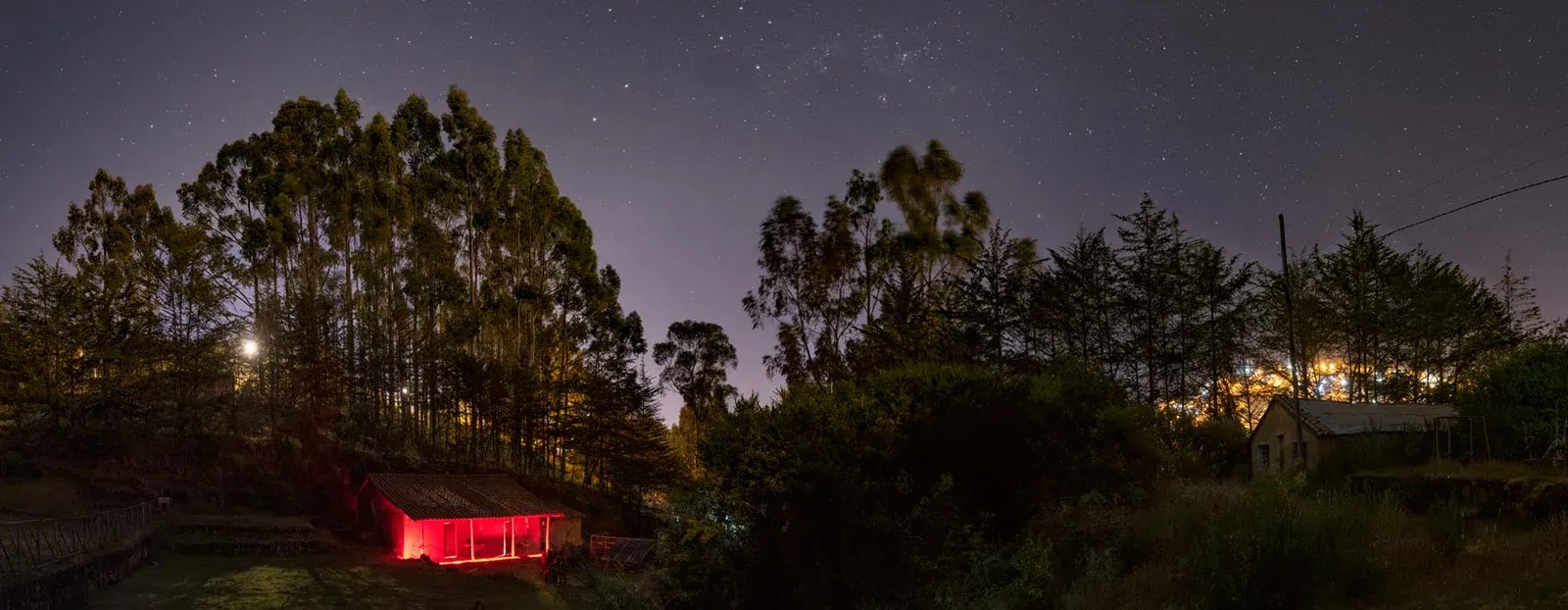
Nearby, Cusilluchayoc ("place that has monkeys" in Quechua) features eroded zoomorphic sculptures: serpents, monkeys, toads. The area is surrounded by a eucalyptus forest at the entrance, pleasant for extending your visit on foot.
When to visit
Q'enko can be visited year-round, but the dry season (May to September) remains most comfortable for exploring the underground passages and walking between sites in the Sacsayhuamán park. The noteworthy date is June 24, the southern winter solstice and Inti Raymi festival: it is the only time when the shadow of Q'enko Puma appears clearly. Cusco's crowding is then at its peak; it's best to book accommodation several months in advance.
Practical information
Entry to Q'enko is via the Boleto Turístico de Cusco (Cusco Tourist Ticket), which also covers Sacsayhuamán, Tambomachay, Puka Pukara, and several other sites in the valley. The ticket comes in full or partial versions; check which formula suits your itinerary best. The site is open daily during daylight hours, typically from 8 a.m. through late afternoon (hours may vary).
Plan for approximately one hour on site, two to three hours if you combine it with nearby Sacsayhuamán. Bring good shoes, water, and sun protection: the altitude exceeds 3,500 meters.
How to get there
- On foot from Cusco: steady climb via Sacsayhuamán, allow 1.5 to 2 hours depending on pace and altitude acclimatization.
- Taxi from central Cusco: quick journey, the simplest option if time is limited.
- Tourist bus: several half-day circuits include Q'enko with Sacsayhuamán, Puka Pukara, and Tambomachay.
- Guided tour: recommended for understanding archaeological hypotheses and the symbolism of sculptures, which are poorly marked on site.
Combine with
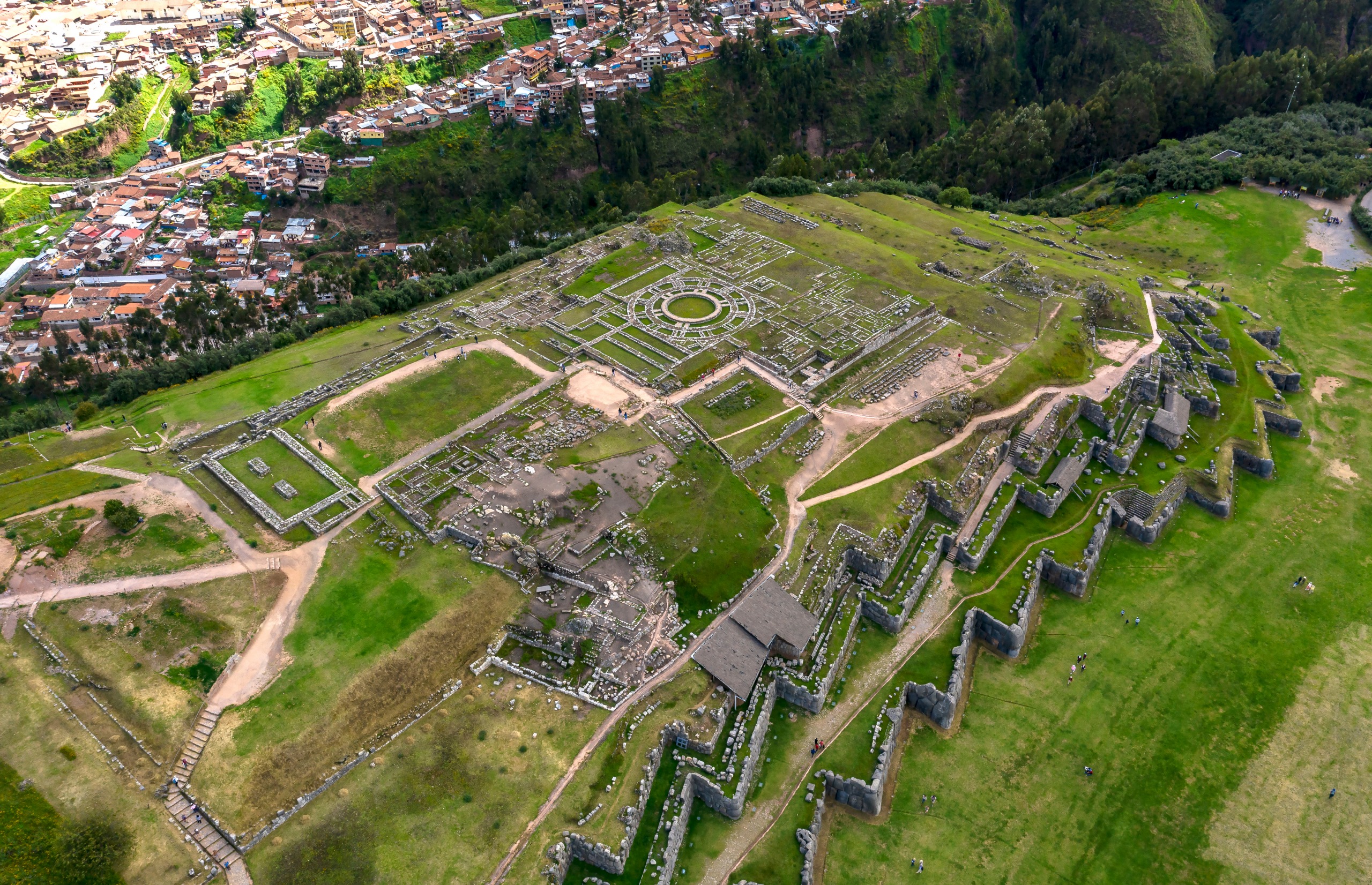
Q'enko fits naturally into the circuit of the four ruins above Cusco: Sacsayhuamán (ceremonial fortress), Tambomachay (Inca baths), and Puka Pukara (guard post). To extend your exploration of the region, you can also visit Yucay in the Sacred Valley, or the rainbow mountain Vinicunca south of Cusco.
Frequently asked questions
Frequently asked questions
Q'enko is part of the Sacsayhuamán Archaeological Park, included within the city of Cusco's UNESCO World Heritage perimeter, inscribed since 1983. The site does not have its own inscription but benefits from this protection.
Yes. Entry is via the Boleto Turístico de Cusco, a combined ticket valid for several days and covering Sacsayhuamán, Tambomachay, Puka Pukara, and other sites. It can be purchased in Cusco or directly at the entrance to certain sites.
One hour is sufficient to tour both sectors and descend into the underground chamber. If you chain this with nearby Sacsayhuamán, plan for a half-day total.
Yes, this is actually the most common formula. The classic circuit chains Sacsayhuamán, Q'enko, Puka Pukara, and Tambomachay in a day, on foot, by taxi, or tourist bus.
The dry season (May to September) offers the best conditions. June 24, the winter solstice, is unique for observing the puma's shadow on the Q'enko Puma stone, but Cusco is very crowded around the Inti Raymi festival.
Prepare your journey
Q'enko is one of the natural stages of a stay in Cusco, complementing the Sacred Valley and Machu Picchu. To build a tailor-made itinerary incorporating the stone sanctuaries of Cusco's highlands and other Andean sites, consult our Peru tours.
Nearby
Interested in this visit?
We can include it in your personalised itinerary.