Puca Pucara (Puka Pukara)
Puca Pucara (Puka Pukara)
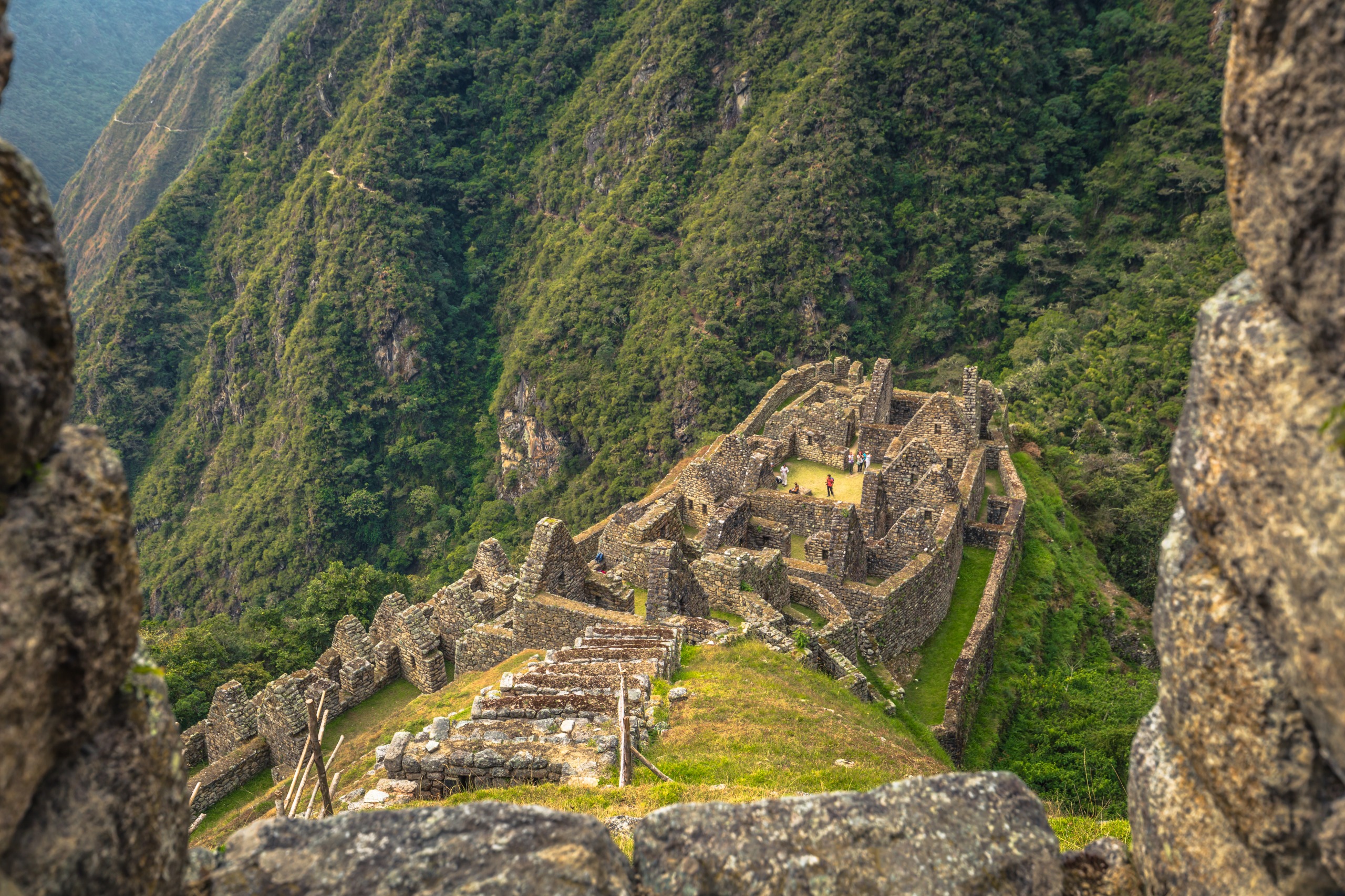
7 km from Cusco, Puca Pucara, the "red fortress" of the Incas, overlooks the Yucay Valley. Three-wall architecture, sculptured iconography and panoramic views of the Qhapaq Ñan.
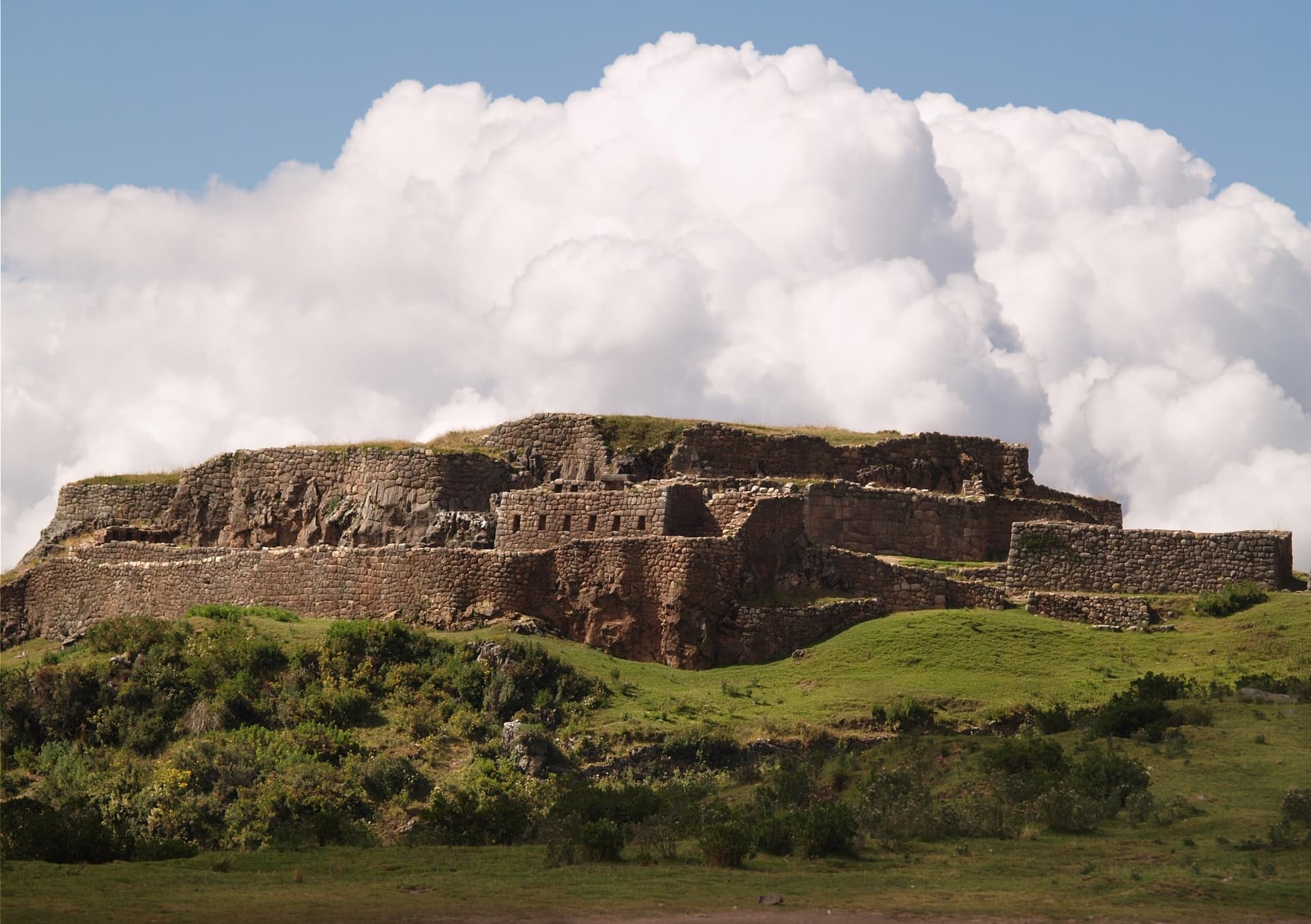
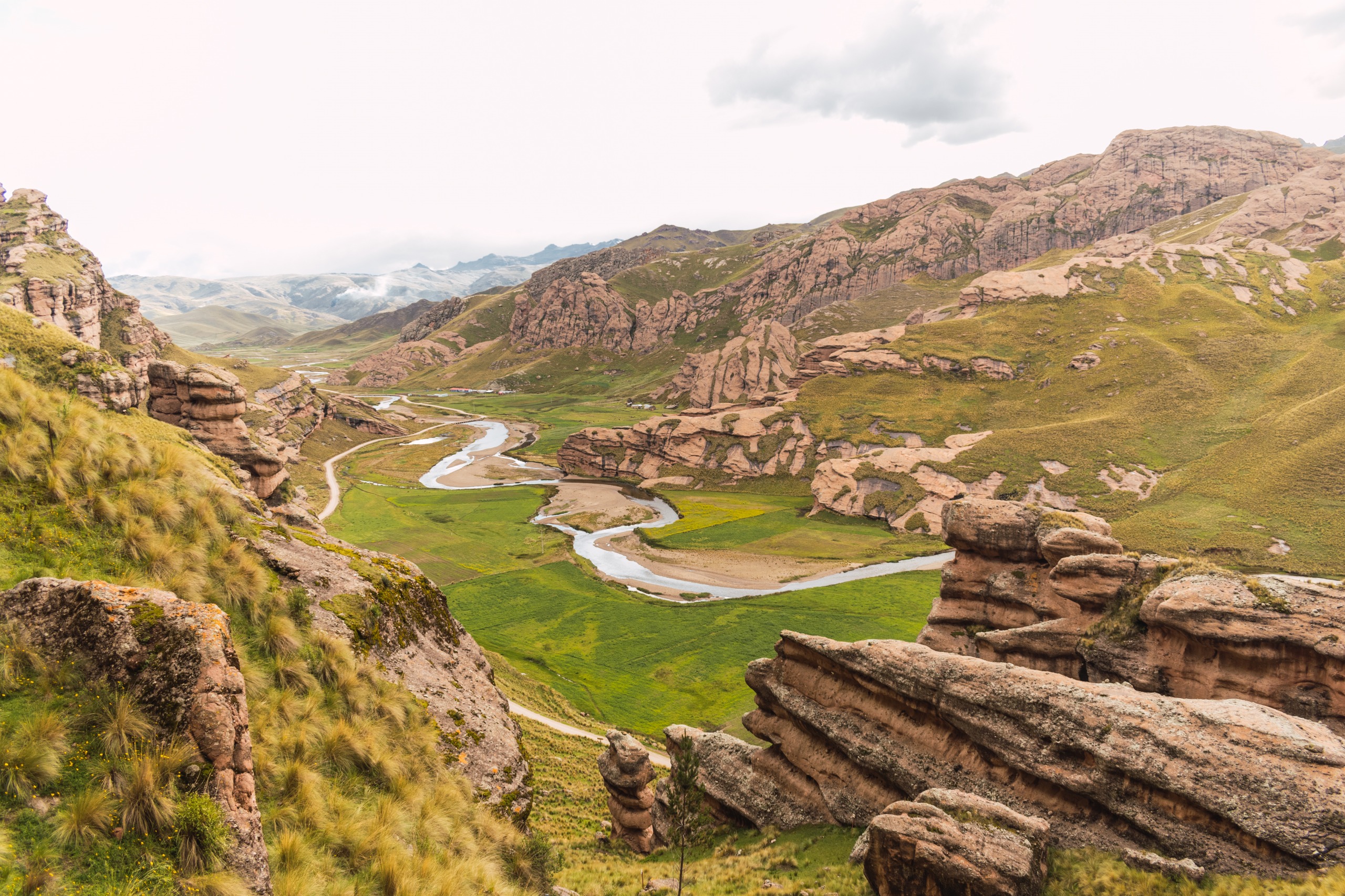
Puca Pucara, sometimes spelled Puka Pukara, stands 7 km from Cusco, 2 km from Yuncaypata and less than 1 km from Tambomachay. The site occupies a rocky hilltop offering 360-degree surveillance of the Yucay Valley and the roads leading to the former Inca capital. Its name means "red fortress" in Quechua, referring to the hue that its limestone and andesite stones take on, particularly visible at dusk.
Why visit Puca Pucara
Puca Pucara is part of the archaeological circuit around Cusco, alongside Sacsayhuamán, Q'enko and Tambomachay. Its dominant position makes it a privileged vantage point over the valley and surrounding peaks. The site stands out for its military architecture featuring three stepped walls, its stone iconography (Andean bear and fish) and its presumed function as a tambo, a rest stop on the Qhapaq Ñan, the great Inca road. The visit combines easily with Tambomachay, a ten-minute walk away, for a half-day of exploration.
History of the site
Puca Pucara was built during the height of the Inca Empire, in the 15th and 16th centuries. Its exact function is still debated among archaeologists. Three hypotheses coexist and are not necessarily mutually exclusive.
- Fortress and watchtower: its elevated position allowed surveillance of the Yucay Valley and control of troop movements toward Cusco.
- Tambo (rest stop): the site lies on the route of the Qhapaq Ñan and served as a halt for travelers, dignitaries and messengers heading to the capital or the jungle.
- Barracks and waiting place: according to some chroniclers, when the emperor stayed at Tambomachay, his army and servants waited at Puca Pucara.
A local legend speaks of the existence of a chincana, an underground tunnel connecting Puca Pucara to Tambomachay. No excavation has confirmed this hypothesis to date. The site is now managed by the Peruvian Ministry of Culture.
What to see on the site
A three-level architecture
The site is organized around three stepped walls, all built with trapezoidal stones carefully fitted together, a technique that gives them strong resistance to earthquakes.
- Lower wall: sinuous layout with defensive purpose. Behind it, six irregularly shaped rooms adapt to the natural terrain. To the west extends a small trapezoidal plaza, probably originally bordered by buildings.
- Middle wall: accessed by stone stairs. It shelters gardens and terraces facing south, as well as three rooms to the east, one trapezoidal and another rectangular.
- Upper wall: located in the upper part, it preserves no building remains. The structures that once stood there likely did not survive earthquakes and the elements.
Stones and iconography
The builders used local limestone and andesite, a volcanic stone whose mineral content gives the site its reddish coloring, most marked in the raking light of dusk. The stones vary in size and the finish is rough compared to other Inca sites, which supports the hypothesis of rapid construction for utilitarian purposes.
On certain blocks, sculptured figures are visible: an Andean bear, a symbol of protection, and a fish, associated with rain in Inca cosmology. From the summit, the course of the Qhapaq Ñan can still be made out, heading toward the Antisuyo, the eastern region descending into the Peruvian jungle.
Practical information
- Ticket: entry is with the Boleto Turístico de Cusco (combined ticket that includes Sacsayhuamán, Tambomachay, Q'enko and other sites). It comes in full or partial versions. Buy it in Cusco before you leave.
- Duration of visit: allow 45 minutes to 1 hour 30 minutes on site depending on your pace.
- Hours: open daily during the day. Exact hours vary; check the day before with your accommodation or a local agency.
- Altitude: approximately 3,700 meters. Acclimatize for a few days in Cusco before visiting.
- What to bring: hiking shoes, water, sun protection, windbreaker. No services on site.
When to visit Puca Pucara
The dry season, from May to October, offers the best conditions for visiting: clear skies, passable trails and maximum visibility over the valley. The rainy season (November to March) turns the landscape green but makes paths slippery and viewpoints sometimes obscured.
For light, late afternoon remains the time when stones take on their most pronounced red hue. Early morning, on the other hand, offers fewer visitors and more stable air.
How to get there from Cusco
By taxi
This is the most convenient option. Allow 30 to 45 minutes travel from central Cusco depending on traffic. Negotiate the fare before departure or ask your accommodation to arrange a ride. You can also arrange with the driver for a return trip or a continuation to Tambomachay.
On a guided tour
Many Cusco agencies offer half-day circuits combining Sacsayhuamán, Q'enko, Puca Pucara and Tambomachay, with transport and guide included. This is the most economical option to cover all four sites and benefit from historical explanations.
On foot
It's possible to walk from Cusco to Puca Pucara by following the trails that climb through Sacsayhuamán and Q'enko. Allow several hours of uphill hiking at demanding altitude. Reserve this option for hikers already acclimatized.
Nearby attractions
- Tambomachay: less than a kilometer away, the "Inca bath" features a remarkably preserved Inca hydraulic system. Combine systematically with Puca Pucara.
- Q'enko: a rock sanctuary carved into a rocky outcrop, on the road back to Cusco.
- Sacsayhuamán: a cyclopean fortress with monumental blocks, halfway between Puca Pucara and central Cusco.
- Vinicunca: the "rainbow mountain", accessible as a day trip from Cusco to extend exploration of the region.
- Salinas and Aguada Blanca and the Pampa Cañahuas National Reserve complete a tour of the Andean landscapes of southern Peru.
Frequently asked questions
Frequently asked questions
The name comes from Quechua: puca (red) and pucara (fortress). The color is explained by the composition of the local stones (limestone and andesite) that take on a reddish hue, particularly visible in the raking light of dusk.
Access is with the Boleto Turístico de Cusco, a combined ticket valid for several archaeological sites in the region. It is sold in Cusco.
Allow 45 minutes to 1 hour 30 minutes to walk through the three levels of the site and enjoy the panorama. Combined with Tambomachay, plan for a half-day.
The exact function of the site remains debated. Archaeologists discuss both a surveillance post, a tambo (rest stop on the Qhapaq Ñan) and a barracks serving the imperial escort. These uses could have coexisted.
Puca Pucara is located at approximately 3,700 meters. The elevation change on site remains moderate but the altitude can be demanding. Plan two to three days of acclimatization in Cusco before your visit.
Prepare your trip to Peru
Puca Pucara fits naturally into a circuit around Cusco and the Sacred Valley, complementing Machu Picchu and Andean landscapes. To build a custom itinerary, consult our Peru voyages.
Interested in this visit?
We can include it in your personalised itinerary.