Pisac (Inca Archaeological Site)
Pisac (Inca Archaeological Site)
A fortress, ceremonial center and Inca observatory perched at 3,400 m in the Sacred Valley, Pisac brings together remarkable stonework, cascading agricultural terraces and panoramic views over the Urubamba.
Perched at over 3,400 meters above sea level in the Sacred Valley of the Incas, the archaeological site of Pisac overlooks the town of the same name and the Urubamba River. A fortress, ceremonial center and astronomical observatory all in one, it concentrates some of Peru's best-preserved Inca stonework. The cascading agricultural terraces that surround it remain impressive in both scale and technical precision.
Quick Practical Info
- Access: the site is located approximately 33 km northeast of Cusco, accessible by shared taxi or bus from Cusco via Pisac village.
- Ticket: included in the Cusco Boleto Turístico (regional tourist ticket, multiple packages available).
- Recommended duration: 2 to 3 hours to explore the main sectors.
- Attire: hiking boots essential — the trails are steep and sometimes slippery.
- Altitude: allow time for acclimatization if you arrive directly from low elevation.
What to See
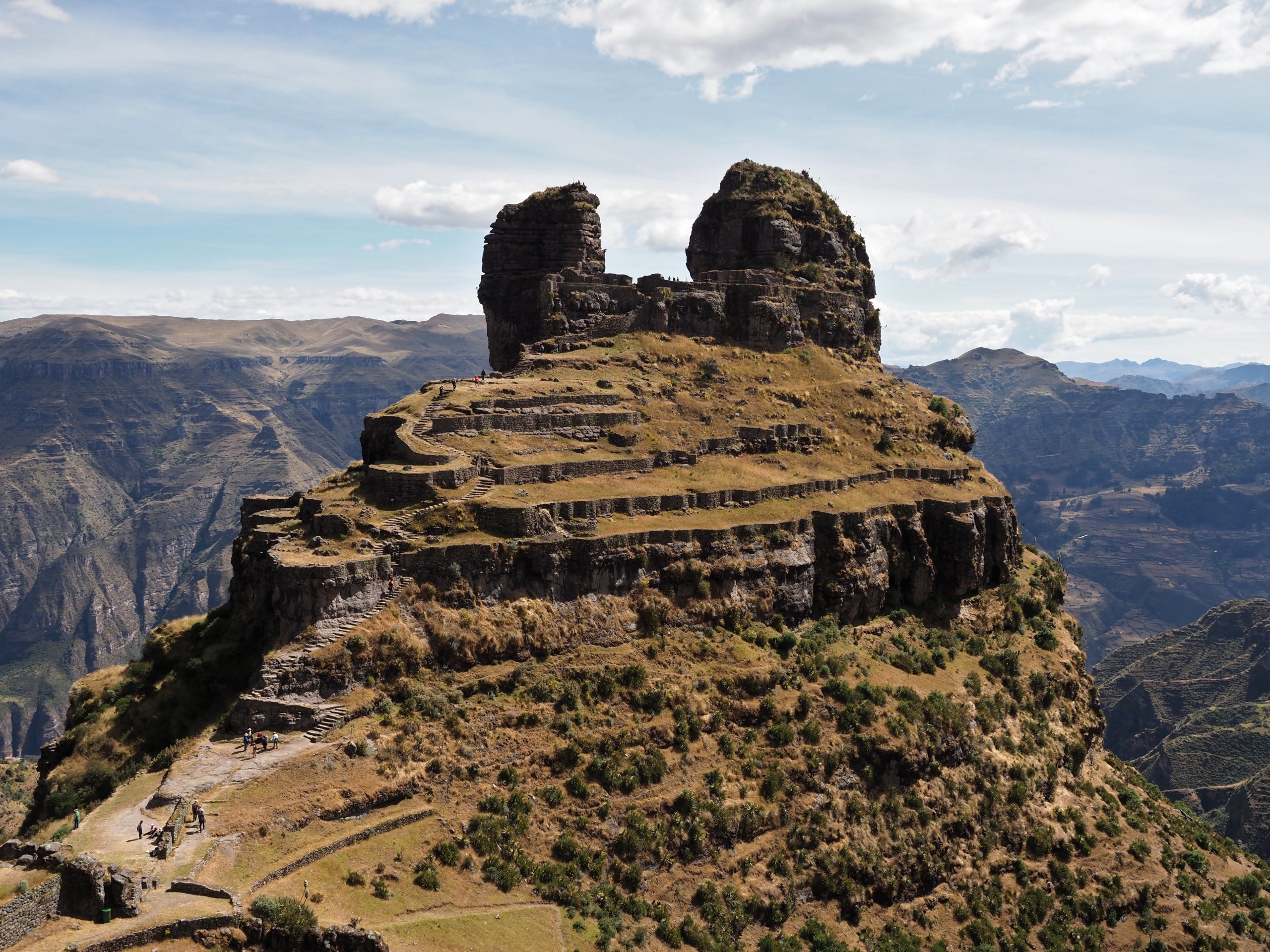
The site is divided into several distinct zones. Intihuatana brings together the religious structures and solar observatory. Kallaqasa constitutes the defensive section with its watchtowers. The agricultural terraces (andenes) cascade down the mountainside across several hundred meters of elevation. The Inca cemetery, carved into the cliff face, is one of the largest known in the Andes.
History and Context
Pisac was likely founded during the reign of Pachacútec in the 15th century, the Inca who transformed the Tawantinsuyu into an empire. The site served both as a strategic control point over the Sacred Valley and as a place of solar worship. Following Spanish conquest, the population was relocated to the present-day village, leaving the high-altitude structures largely intact.
Highlights of Your Visit
The Intihuatana
This sector houses the solar gnomon and several finely fitted temples. The quality of the stonework — joints without mortar, blocks perfectly aligned — illustrates Inca craftsmanship at its height.
The Agricultural Terraces
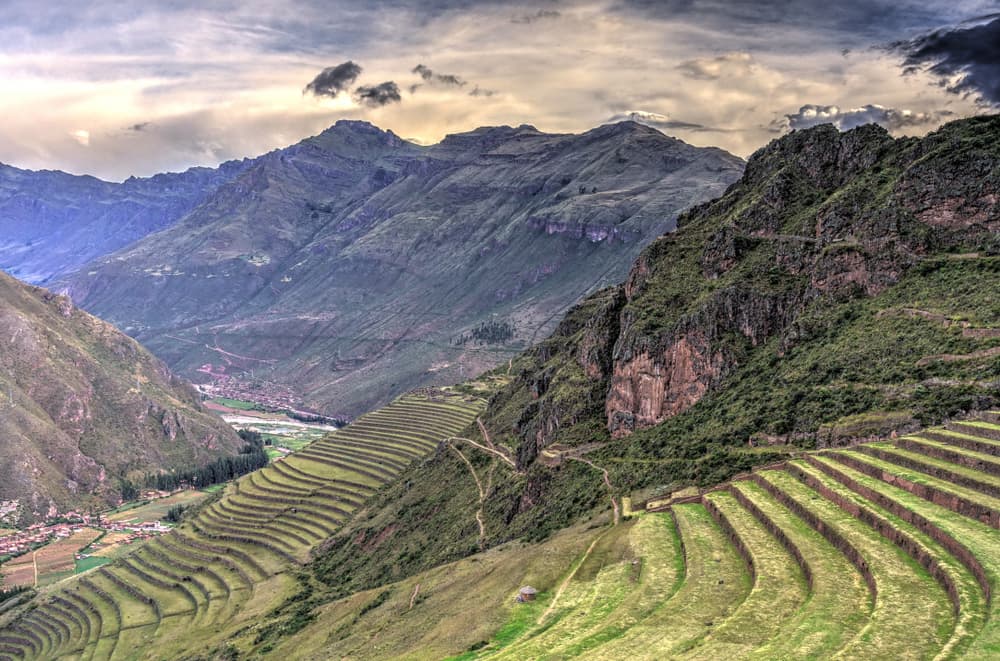
Hundreds of dry-stone terraces transform the mountainside into a structured landscape. They testify to sophisticated hydraulic and agronomic engineering, enabling the cultivation of maize and potatoes at high altitude.
The Cliff Cemetery
Hundreds of funerary niches are carved directly into the limestone cliff. Looted since colonization, they remain visually striking and give an idea of the site's ritual significance.
The Sacred Valley Panorama
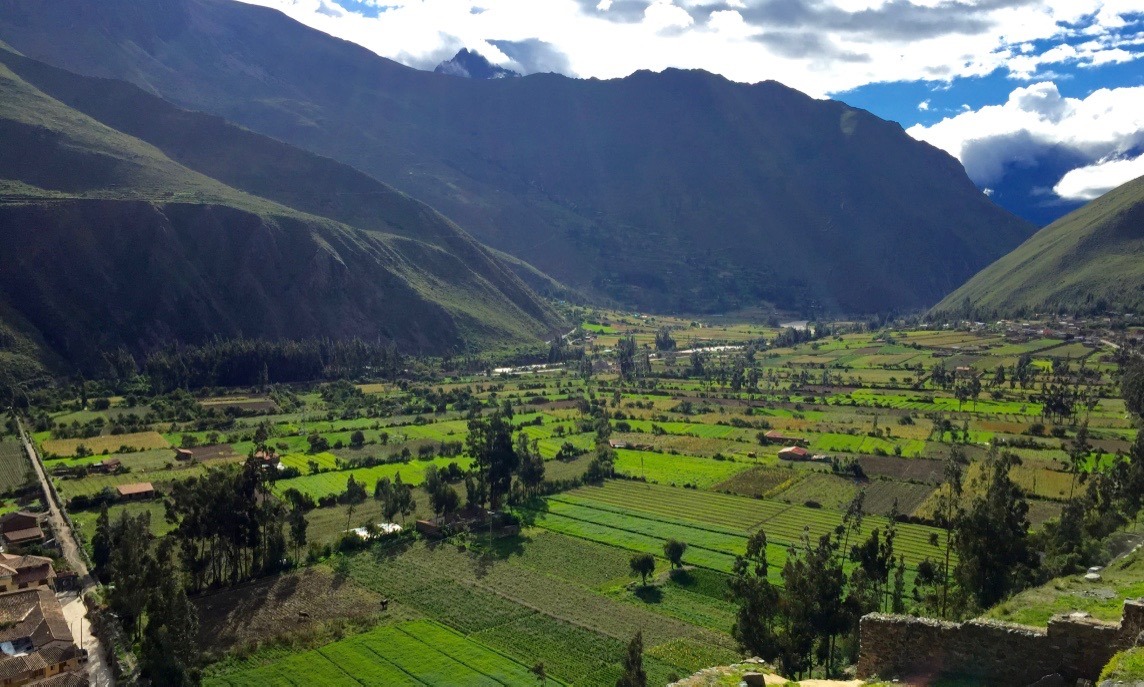
From the top of the site, the view encompasses the Urubamba valley, the villages below and the snow-capped peaks beyond. It's one of the widest viewpoints in the entire Cusco region.
Photography Tips
Morning light is ideal: it illuminates the terraces face-on and avoids harsh afternoon shadows. Arriving early also helps you avoid tour groups. The terraces viewed from the ascent path offer the most comprehensive perspective. No known photography restrictions on the site.
Location and Access
Pisac is located in the Sacred Valley of the Incas, approximately 33 km from Cusco by road. From Cusco, shared taxis regularly depart from the Puputi neighborhood towards Pisac village. From the village, the site is accessed on foot via a steep trail (approximately 1 hour 30 minutes) or by taxi to the upper entrance. The site is difficult to access for people with reduced mobility due to the steep terrain.
Pisac naturally integrates into a Sacred Valley circuit combining Ollantaytambo and Moray.
In the Surrounding Area
- Pisac Market — lively artisan market in the village below, particularly abundant on Sundays.
- Ollantaytambo — another major Inca site in the Sacred Valley, with a fortress and intact colonial village.
- Moray — concentric circular terraces with experimental agricultural functions, west of the valley.
- Salineras de Maras — salt mines in terraces exploited since pre-Columbian times.
- Cusco — historic capital of the Inca empire, natural starting point for the Sacred Valley.
Frequently asked questions
No. The site is included in the Cusco Boleto Turístico, a regional ticket that covers several Sacred Valley sites. Multiple packages are available depending on the number of sites you wish to visit.
The dry season (May to October) offers the best conditions: clear skies, passable trails. The rainy season (November to April) makes trails slippery and may limit visibility.
Yes. Pisac combines easily with Ollantaytambo in a one-day circuit from Cusco. Some tours also include Moray and the Salineras de Maras.
With difficulty. The trails are steep, unpaved and without specific amenities. Taxi access to the upper entrance reduces walking, but the main areas remain challenging to access.
Allow 2 to 3 hours to explore the main sectors at a leisurely pace. Add time if you walk up from the village.
No known restrictions for amateur photography. Morning light is most favorable for the terraces and stone structures.
Interested in this visit?
We can include it in your personalised itinerary.